
Digital battlefields, hybrid warfare, and the future of threat intelligence
IDST Intelligence Briefings
(Latest Security & Cyber Videos)
Why This Magazine Exists
Security, Cyber & Counter-Threats examines the evolving landscape of modern security in an era defined by digital conflict, hybrid warfare, and persistent global threats.
From cyber operations, information warfare, and intelligence-driven defense to counter-terrorism, internal security, and emerging threat vectors, this magazine provides strategic analysis, technical insight, and policy-relevant perspectives for decision-makers, practitioners, and researchers navigating an increasingly contested security environment.
What We Track
- Cyber warfare & cyber defense
- Information operations & influence campaigns
- National security threat assessments
- Emerging digital and hybrid warfare doctrines
- Critical infrastructure & cyber resilience
Latest Analysis & Intelligence
-
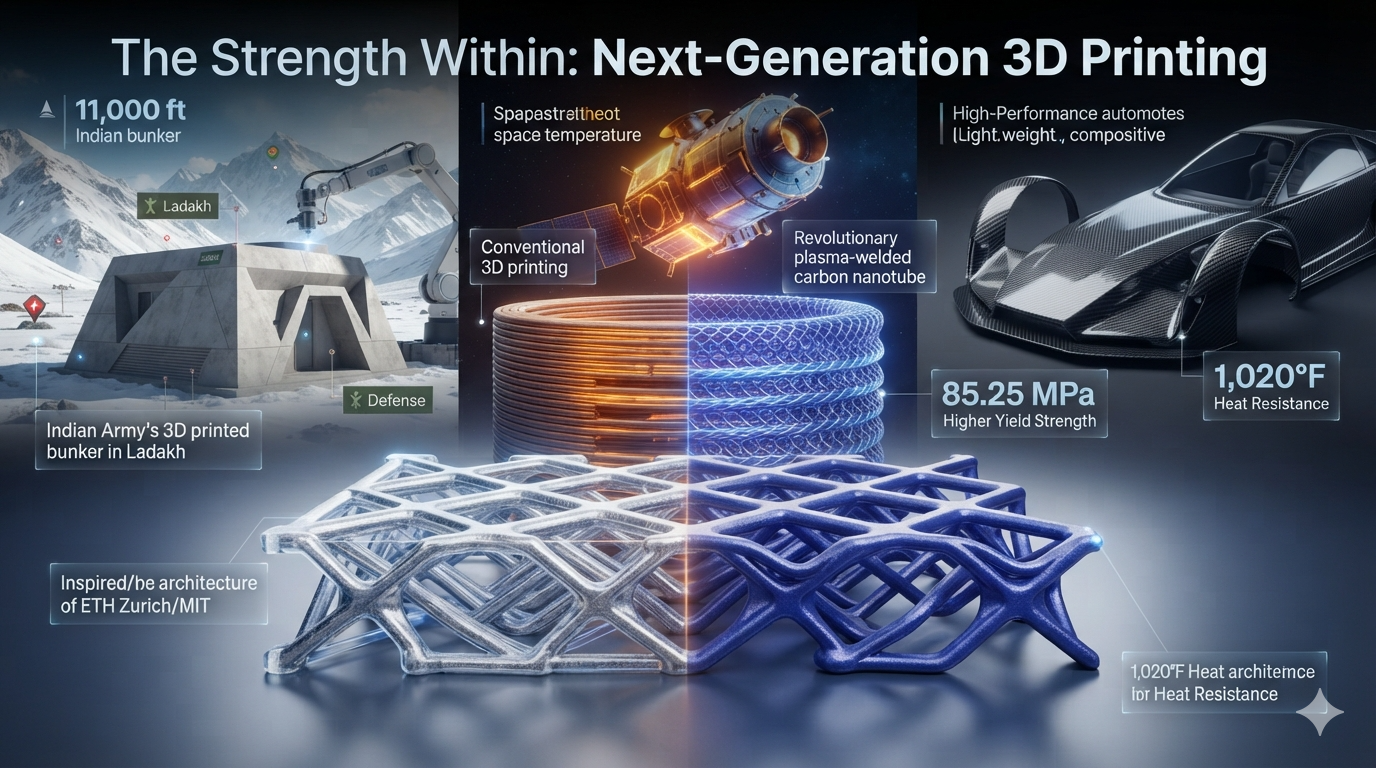
Advanced Materials Revolution in Additive Manufacturing: Engineering High-Performance 3D Printed Components for Defense, Aerospace and Industry
The Materials Race Reshaping Advanced Manufacturing The global additive manufacturing revolution has entered a decisive new phase. While the first generation of 3D printing transformed product development through rapid prototyping and design flexibility, the next generation is being driven by an even more important factor—the emergence of advanced printable materials capable of delivering mechanical, thermal,…
-

China’s Non-Nuclear Hydrogen Bomb: How Magnesium Hydride Weapons Could Transform Future Precision Warfare
Introduction: Hydrogen Energy Meets the Future Battlefield The convergence of advanced materials science, clean-energy research, and military innovation is reshaping the future of conventional weapons. As major powers seek alternatives that deliver greater battlefield effects without crossing the nuclear threshold, high-energy chemical materials are emerging as a new class of strategic technologies. Among the most…
-
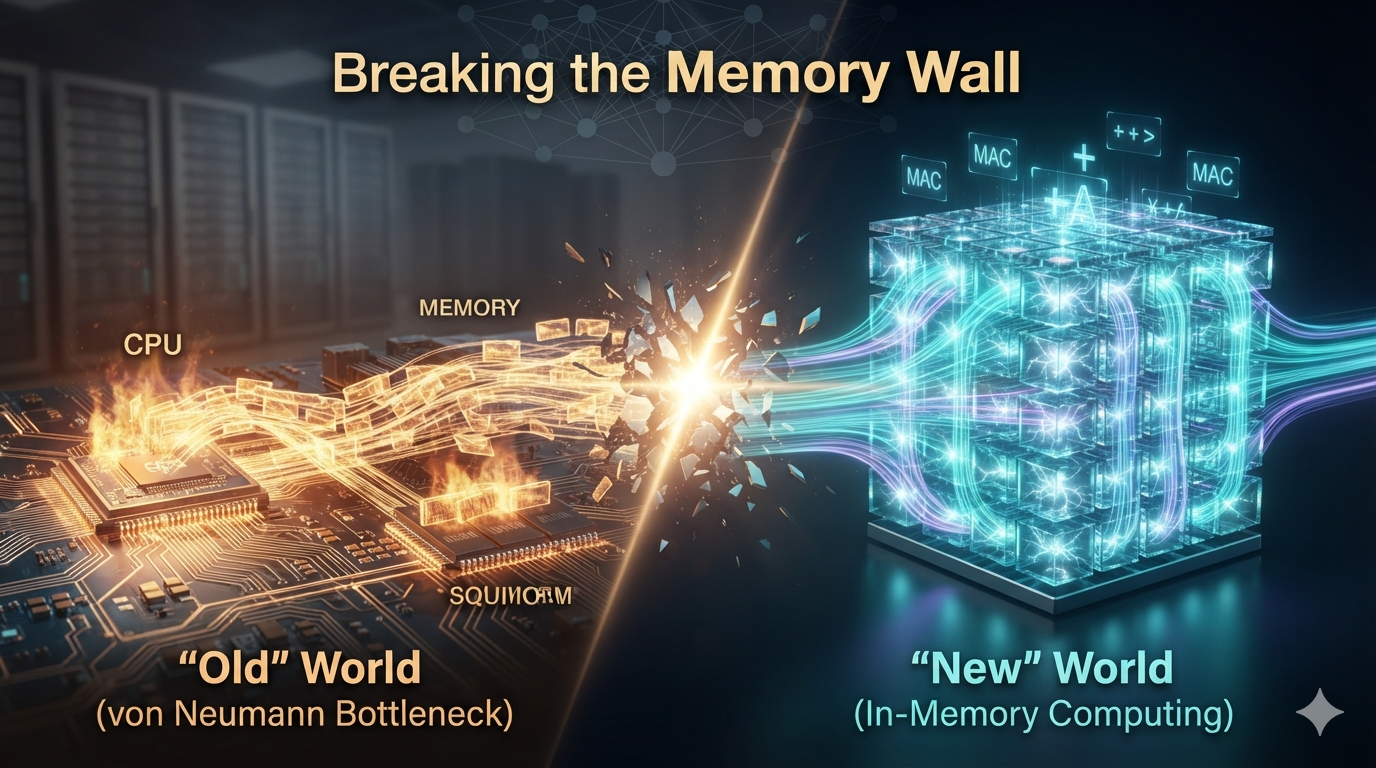
Breaking the Memory Wall: How In-Memory Computing is Reshaping AI, Military Superiority, and the Global Semiconductor Race
Strategic Context: Why In-Memory Computing Has Become a National Priority Artificial intelligence is fundamentally transforming military operations, industrial competitiveness, scientific research, and the global digital economy. Yet the greatest obstacle to AI advancement is no longer processor performance—it is memory. Modern AI systems spend far more time and energy moving enormous volumes of data between…
-

Laser Directed Energy Propulsion: Building the High-Speed Space Transportation Network for the Cislunar Economy and Interstellar Future
Strategic Context: Laser Propulsion and the New Space Transportation Revolution The next great revolution in space exploration will not be defined solely by bigger rockets or more powerful engines, but by the ability to separate propulsion from the spacecraft itself. As global space powers compete to establish permanent lunar bases, exploit cislunar resources, deploy space-based…
-

The Earth–Moon Information Superhighway: China’s Cislunar Network and the Race for Strategic Space Dominance
Introduction: Cislunar Space Becomes the New Strategic High Ground The global space race has entered a new phase. Success is no longer determined simply by landing astronauts on the Moon or launching larger rockets, but by controlling the digital infrastructure that will connect, navigate, monitor, and sustain human and robotic activity throughout cislunar space. Just…
-

Spintronic Materials: The Quantum Foundation of AI Computing, Defense Electronics, and the Post-CMOS Semiconductor Revolution
Strategic Context: Why Spintronic Materials Have Become a New Arena of Great Power Competition The global semiconductor industry is approaching one of the most significant technological transitions since the invention of the transistor. For more than half a century, advances in computing have relied on shrinking CMOS transistors in accordance with Moore’s Law. Today, however,…
-
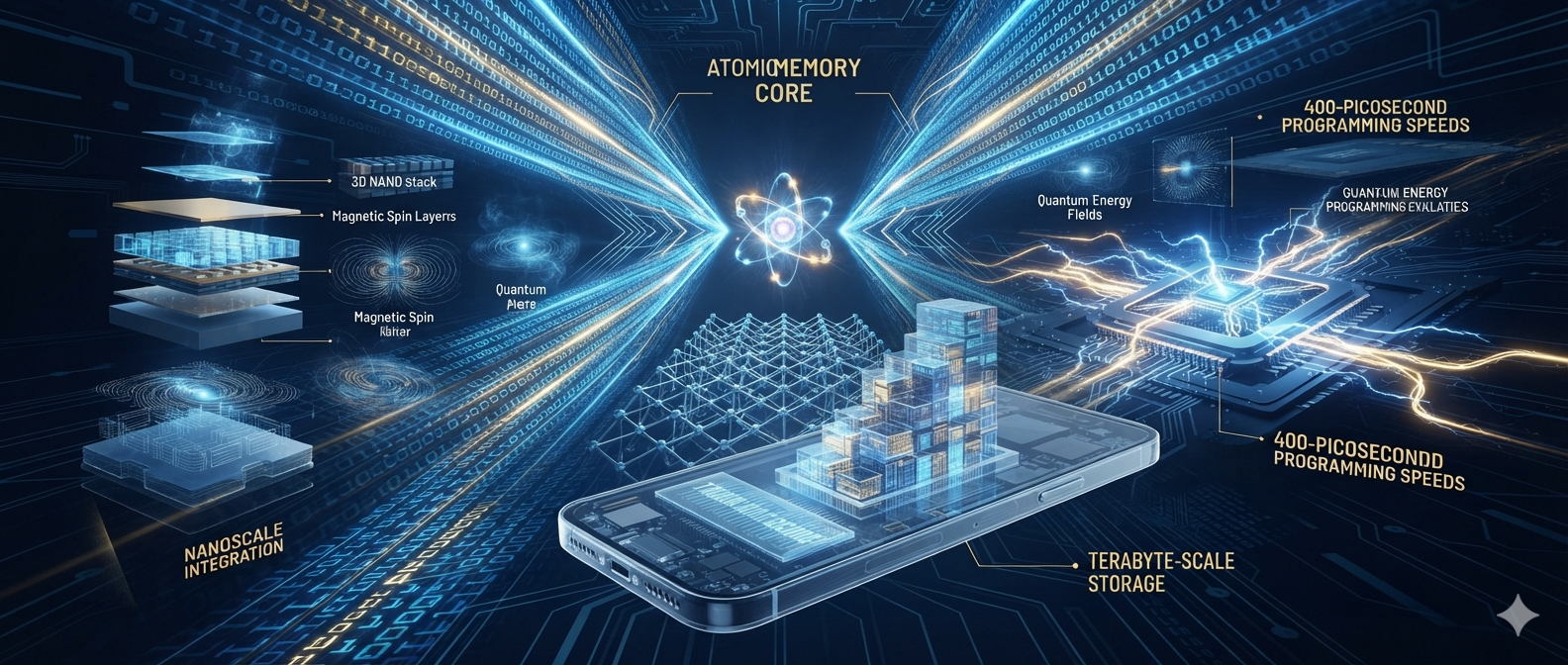
The Memory Revolution: How Next-Generation Memory Technologies Are Enabling AI Supremacy, Defense Dominance, and Speed-of-Light Computing
The Strategic Context: Memory Has Become the New Battlefield of the AI Age Artificial intelligence has fundamentally changed the global semiconductor race. For decades, advances in computing were largely driven by faster processors, shrinking transistor sizes, and increasingly sophisticated chip architectures. Today, however, the primary constraint on computational performance is no longer processing power alone—it…
STRATEGIC SUB-MAGAZINES
Modern military power emerges from the interaction of platforms, people, doctrine, and integration across domains. The Defense & Military Systems magazine is structured into focused sub-magazines that examine how combat capability is built, sustained, and employed across air, land, sea, weapons, and human systems.
Cyber & Information Warfare
Industrial outcomes are shaped as much by incentives, policy, and market structure as by engineering. Price signals, investment cycles, and regulatory frameworks quietly determine which technologies scale, stagnate, or fail.
This sub-magazine examines how markets behave under strategic pressure—where capital flows, how demand signals distort decisions, and why some industries adapt faster than others.
Explore the Cyber & Information Warfare Sub-Magazine →
Security & Threat Management
Modern security is defined by persistence, coordination, and anticipation. This sub-magazine focuses on how threats are identified, mitigated, and managed across institutions, infrastructures, and societies.
Explore the Security & Threat Management Sub-Magazine →