Category AI & IT

Human Factors in Human-Machine Teaming is critical for efficient and effective integration of soldiers with complex machines.
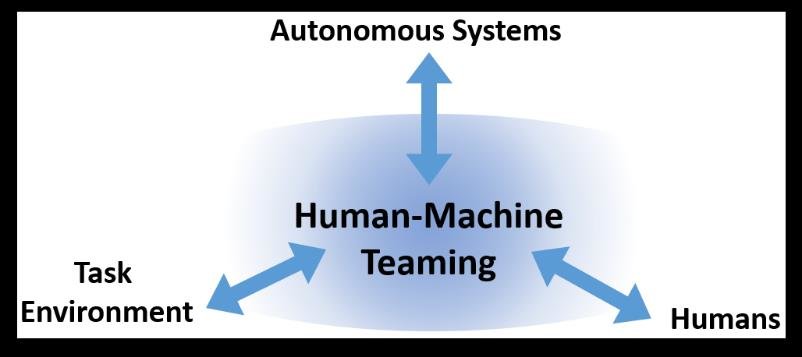
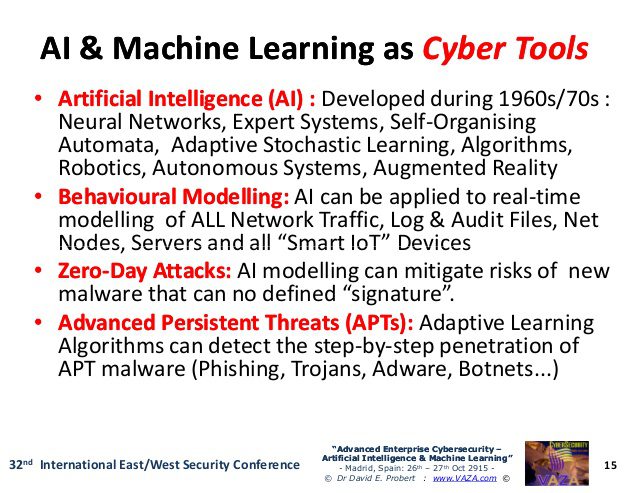
Interactions with technologically sophisticated artificial intelligence (AI) agents are now commonplace. We increasingly rely on intelligent systems to extend our human capabilities, from chatbots that provide technical support to virtual assistants like Siri and Alexa. Examples of such systems include…
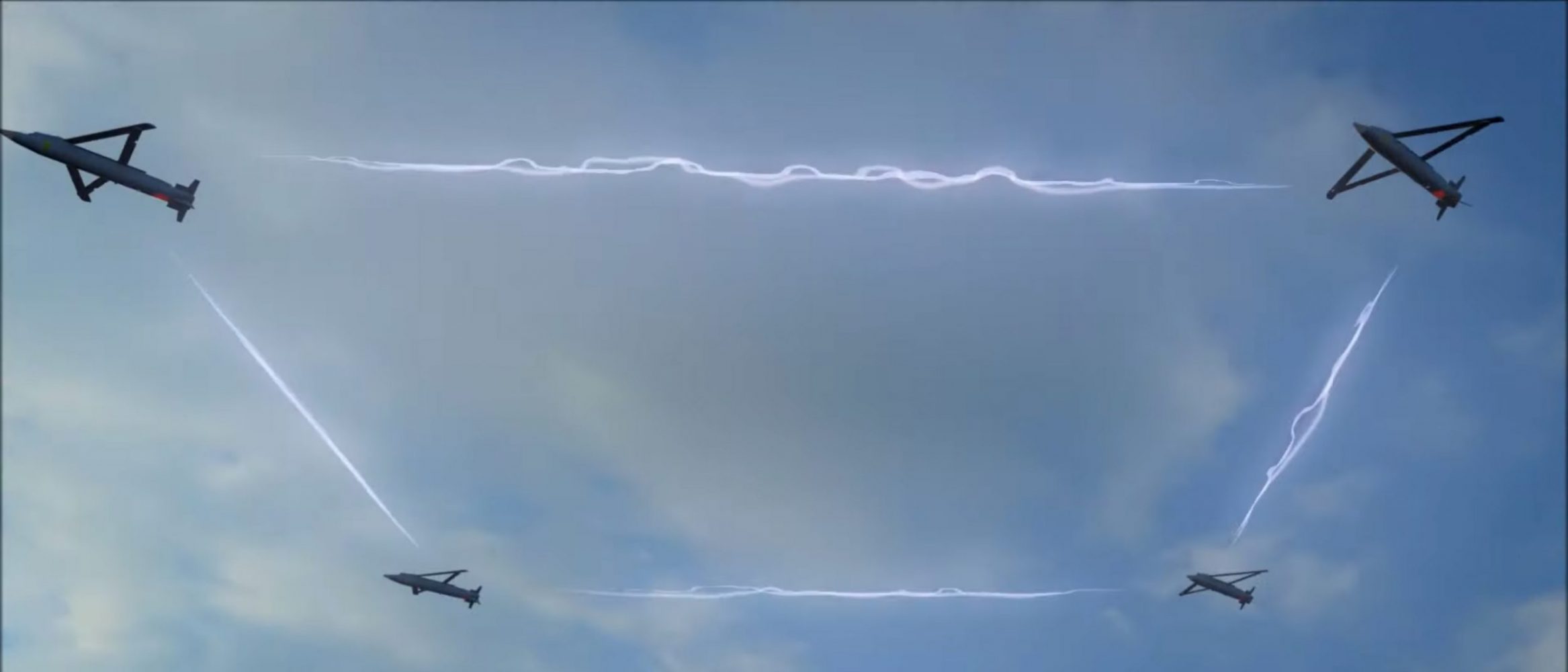
AFRL’s Golden Horde program—developing networked, collaborative, autonomous (NCA) systems like swarming drones or “fire and forget” weapons

Current weapons generally fly a pre-designated mission. If the enemy does something unexpected, preprogrammed weapons are ineffective, and additional weapons may be required to complete the mission. Networked, collaborative and semi-autonomous weapons are advantageous since they observe and react to…

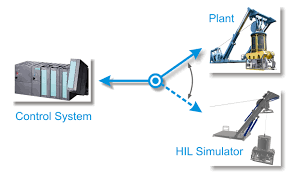
Hardware-in-the-loop simulation

Modeling and simulation (M&S) is the use of models as a basis for simulations to develop data utilized for managerial or technical decision making. Modeling is the process of representing a model (e.g., physical, mathematical, or logical representation of a…

AR/VR Chip Market

Virtual Reality (VR) is the use of computer technology to create a simulated environment that can be similar to or completely different from the real world. Unlike traditional user interfaces like  viewing a screen in front of them, users are…

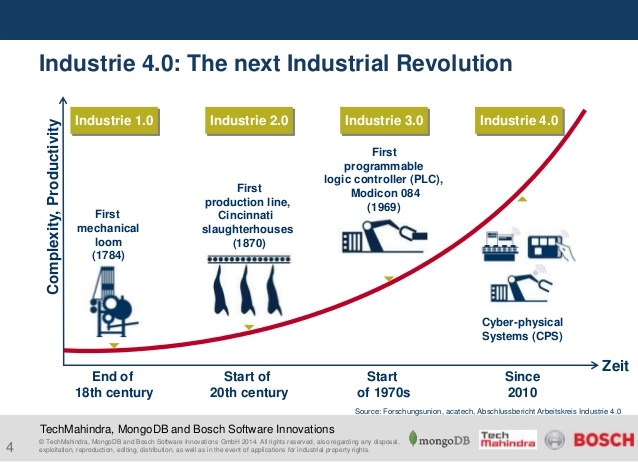
Worldwide Race to 4th industrial revolution, Industry 4.0 between Germany, US , Japan, China and India, China extends it to aerospace and defence

The first industrial revolution began in the 18th century when the power of the steam engine was harnessed and manufacturing first became mechanized. The Second used electric power and the assembly line mass production using the conveyor belts. The Third…