
Cyber and information warfare operate below the threshold of conventional conflict, yet shape outcomes continuously. This sub-magazine examines how states and non-state actors contest power through networks, narratives, and digital systems.
Intelligence Briefings
Cyber operations, influence campaigns, electronic intrusion, disinformation, and digital coercion.
Why This Magazine Exists
Cyber conflict is often reduced to incidents and headlines. This sub-magazine exists to analyze campaigns, capabilities, and strategic intent, not just breaches—connecting technical actions to political and military outcomes.
What We Track
- Cyber offense and defense doctrines
- Information warfare and influence operations
- Digital command-and-control systems
- Critical network vulnerabilities
- Escalation dynamics in cyberspace
Latest Analysis & Intelligence
-
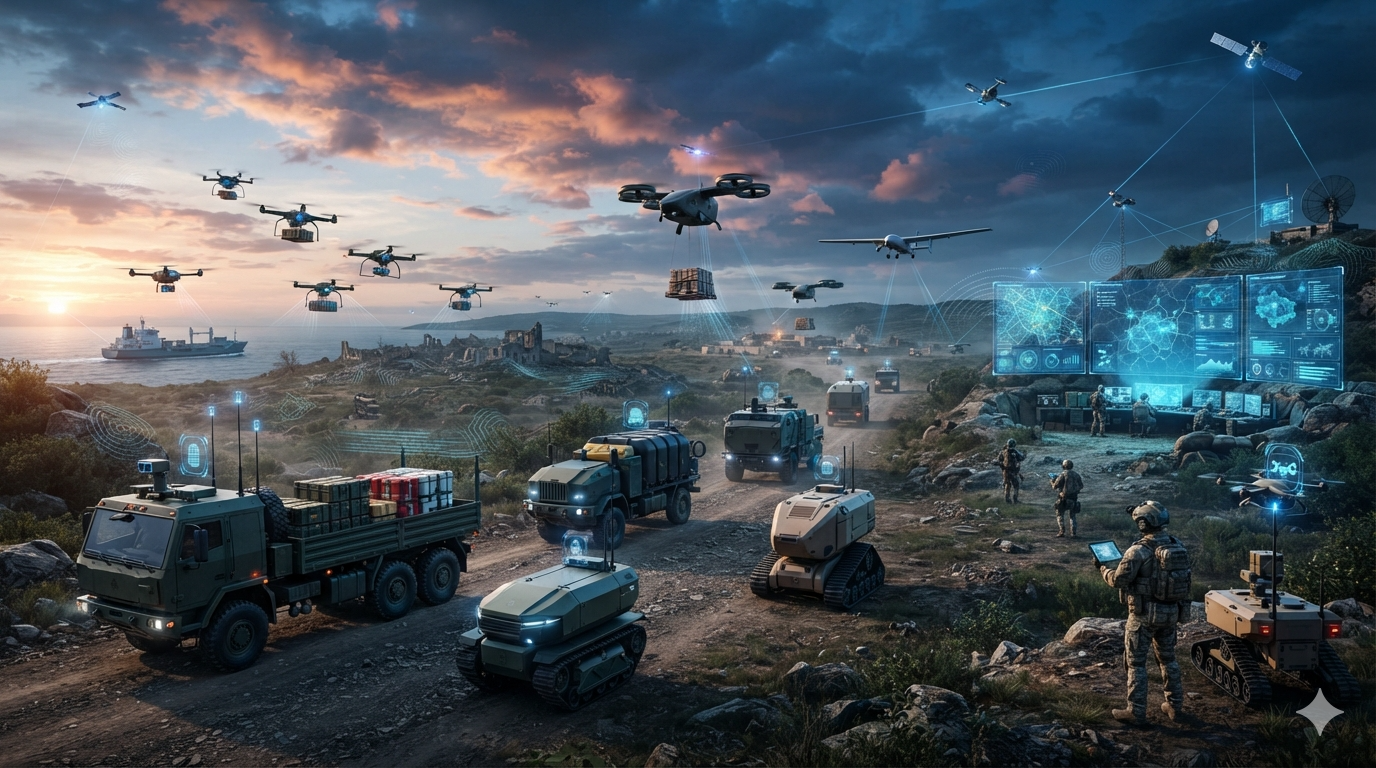
Securing Military AI: DARPA SABER and the Race to Build Trusted Battlefield Artificial Intelligence
Introduction: Strategic Context Artificial intelligence has rapidly evolved from a decision-support capability into a core element of modern military power. Across contemporary battlefields, AI now enables autonomous drones, unmanned ground vehicles, precision targeting, electronic warfare, intelligence analysis, logistics optimization, missile defense, and multi-domain command-and-control. The conflicts in Ukraine, the Middle East, and the Indo-Pacific have…
-
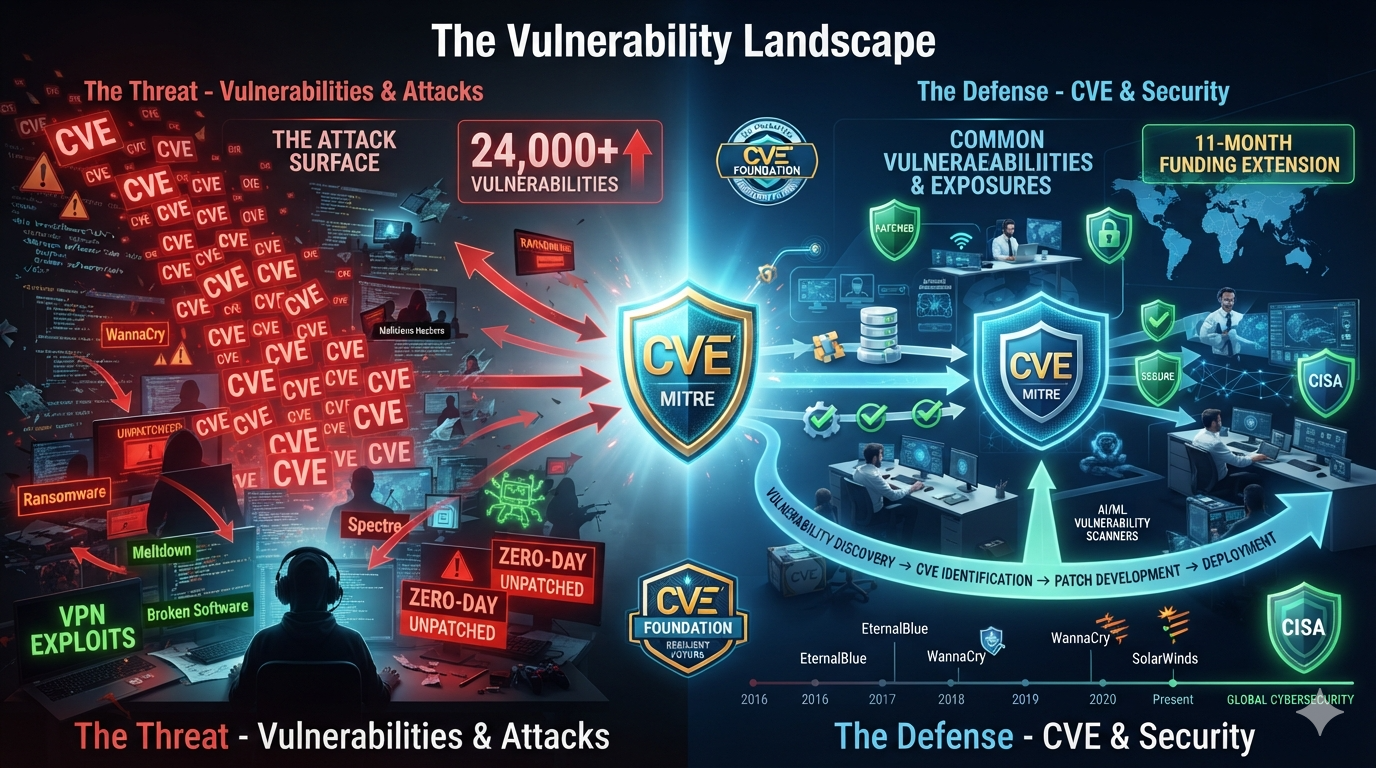
Software Vulnerabilities, CVE, and the Future of Cyber Defense: Securing Critical Infrastructure in an Era of AI-Powered Threats
Introduction: Why Software Vulnerabilities Have Become a Strategic Security Challenge Every digital system—from smartphones and cloud platforms to fighter aircraft, satellites, industrial control systems, financial networks, hospitals, and military command centers—depends on software. As software has become the foundation of modern civilization, software vulnerabilities have evolved from isolated technical defects into strategic national security risks…
-
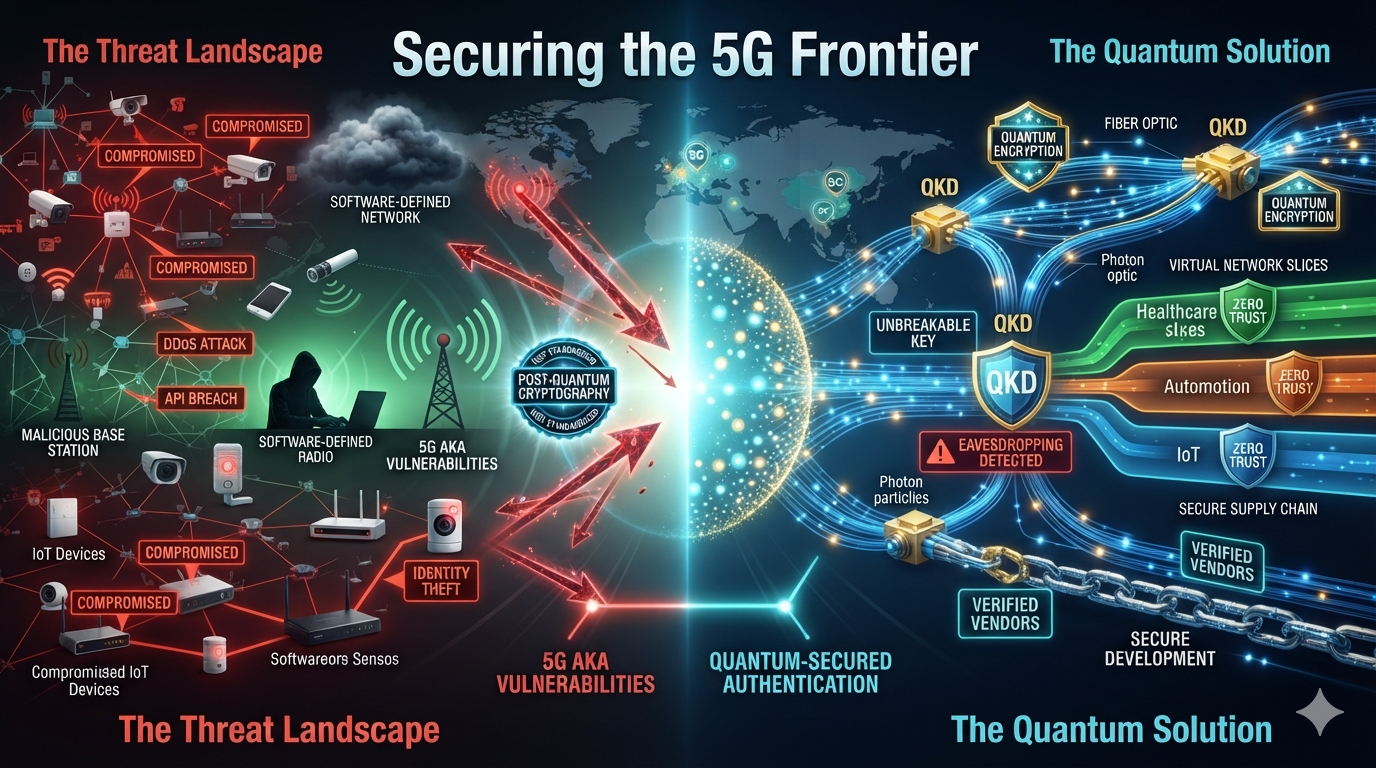
Securing 5G in the Quantum Age: AI, Zero Trust, and the Battle for Next-Generation Telecom Networks
Introduction: 5G Has Become the Digital Battlefield of the Twenty-First Century The global race to deploy fifth-generation (5G) wireless networks has evolved far beyond faster smartphones and higher data rates. Today, 5G forms the digital nervous system connecting military forces, autonomous vehicles, smart cities, industrial automation, healthcare, financial systems, satellites, and critical national infrastructure. As…
-
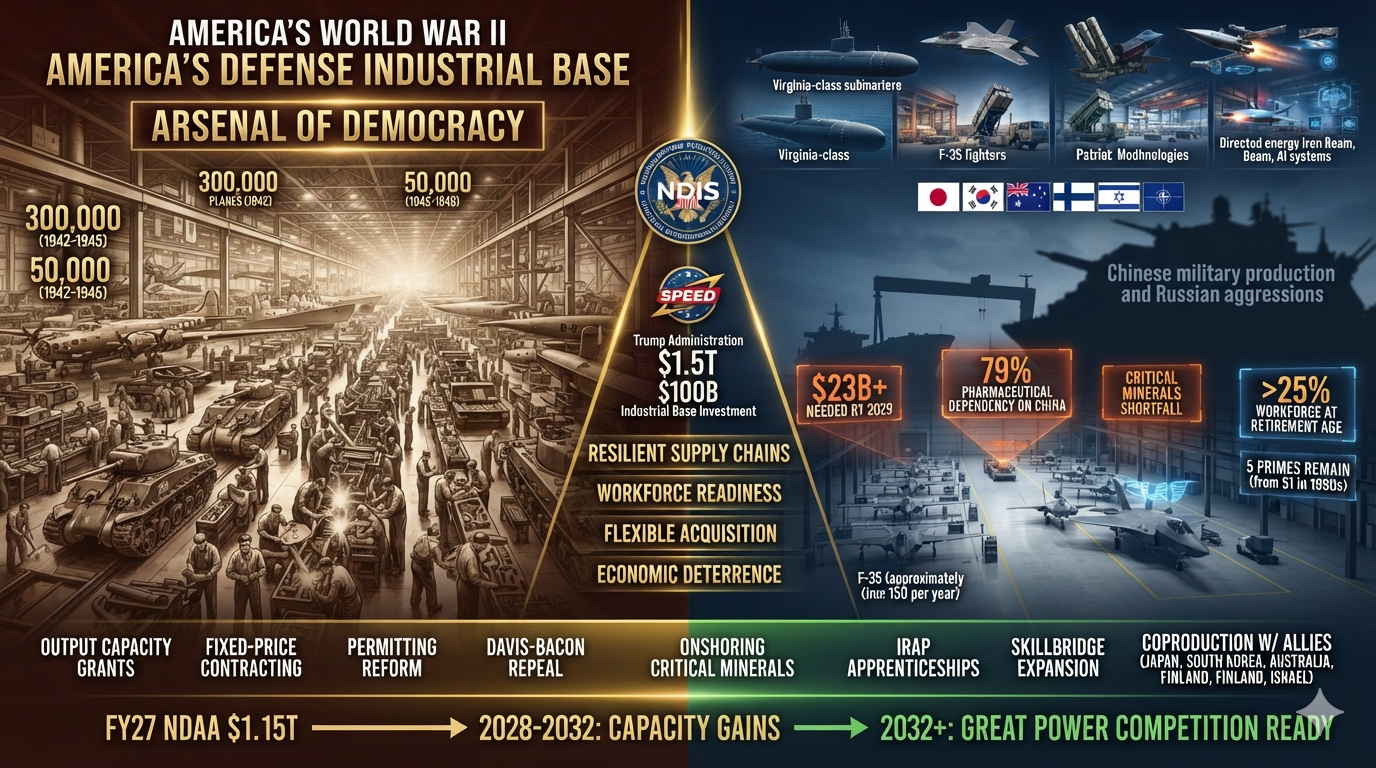
Bolstering National Security: Revitalizing the U.S. Defense Industrial Base for an Era of Great-Power Competition
Introduction: Strategic Context The outcome of future wars will depend not only on the sophistication of advanced weapons but also on the ability to design, manufacture, repair, and replenish them at scale. The wars in Ukraine and the Middle East, coupled with intensifying strategic competition in the Indo-Pacific, have demonstrated that military superiority cannot be…
-
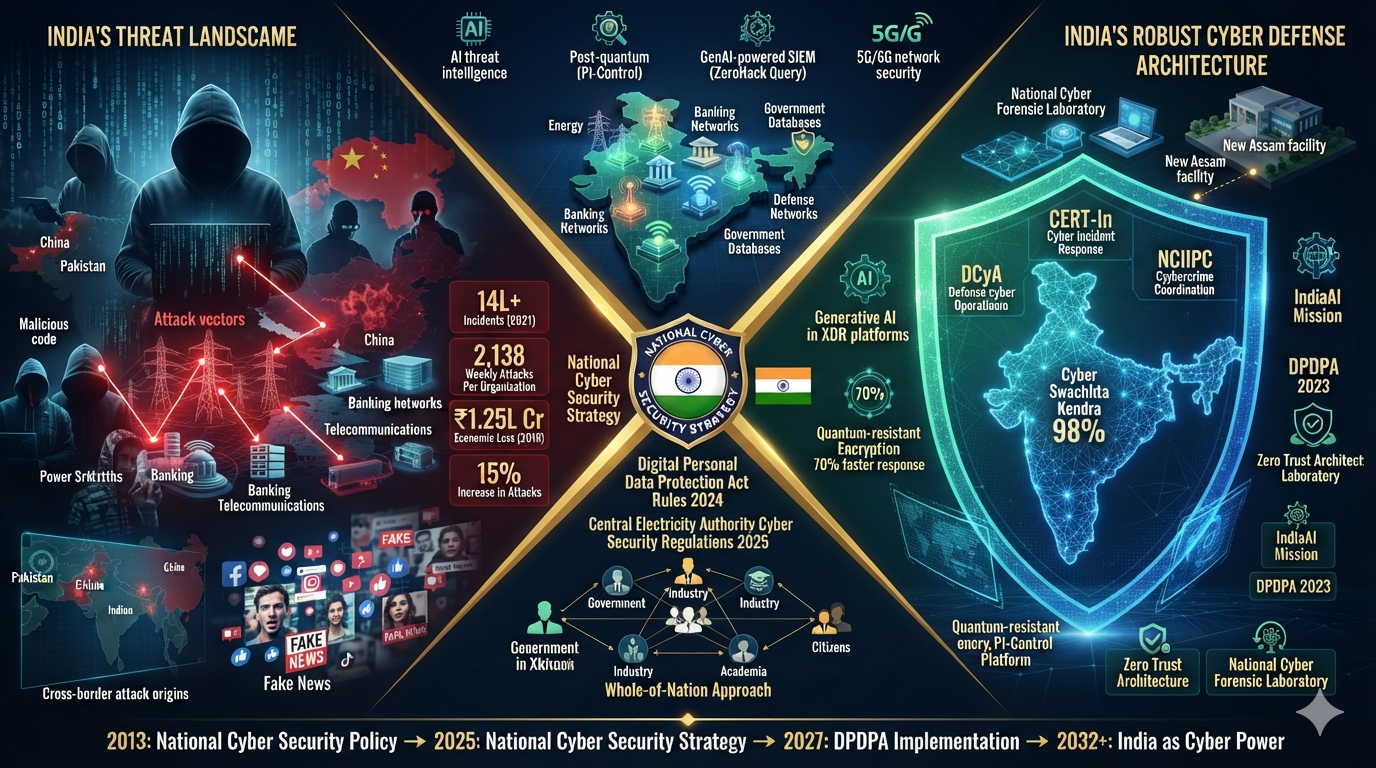
Securing India’s Digital Frontier: Building Cyber Resilience, AI-Driven Defense, and Digital Sovereignty in an Era of Great Power Competition
Introduction: Strategic Context Cyberspace has emerged as one of the defining battlegrounds of twenty-first century geopolitical competition. Alongside land, sea, air, and space, the cyber domain now shapes military operations, intelligence collection, economic competitiveness, technological leadership, and national resilience. State-sponsored cyber campaigns, ransomware syndicates, supply-chain compromises, information warfare, and AI-enabled cyber operations have transformed cybersecurity…
-
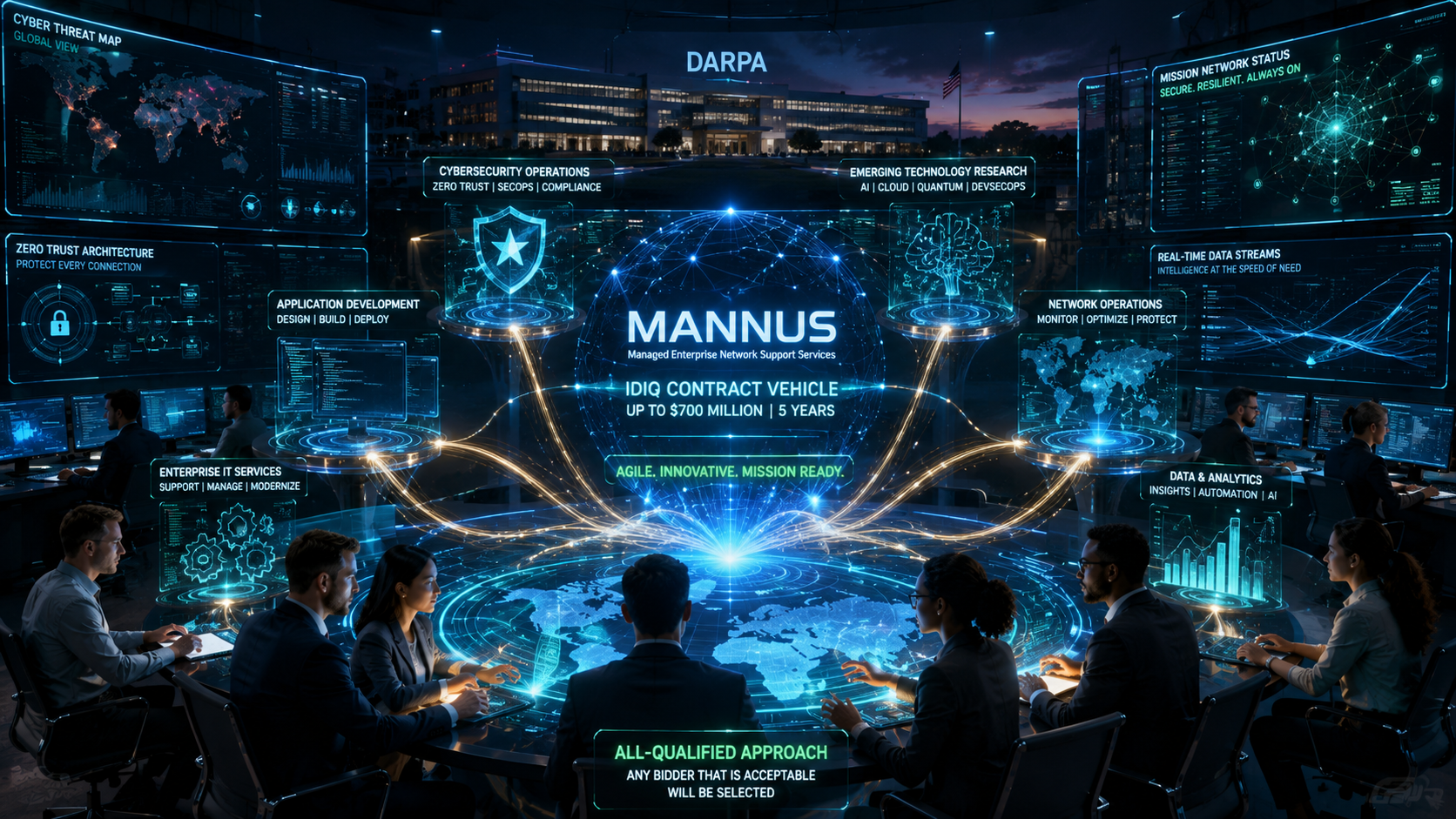
Unlocking Agility: How DARPA’s $700 Million MANNUS Program is Reshaping Defense IT Acquisition for the AI Era
Introduction: Modern Defense Innovation Requires Modern IT Acquisition Artificial intelligence, autonomous systems, quantum computing, cyber operations, and data-driven warfare are transforming how modern militaries develop and deploy capabilities. Yet behind every breakthrough defense technology lies an often-overlooked foundation: secure, agile, and scalable enterprise IT infrastructure capable of supporting rapid experimentation, classified research, and continuous digital…
-
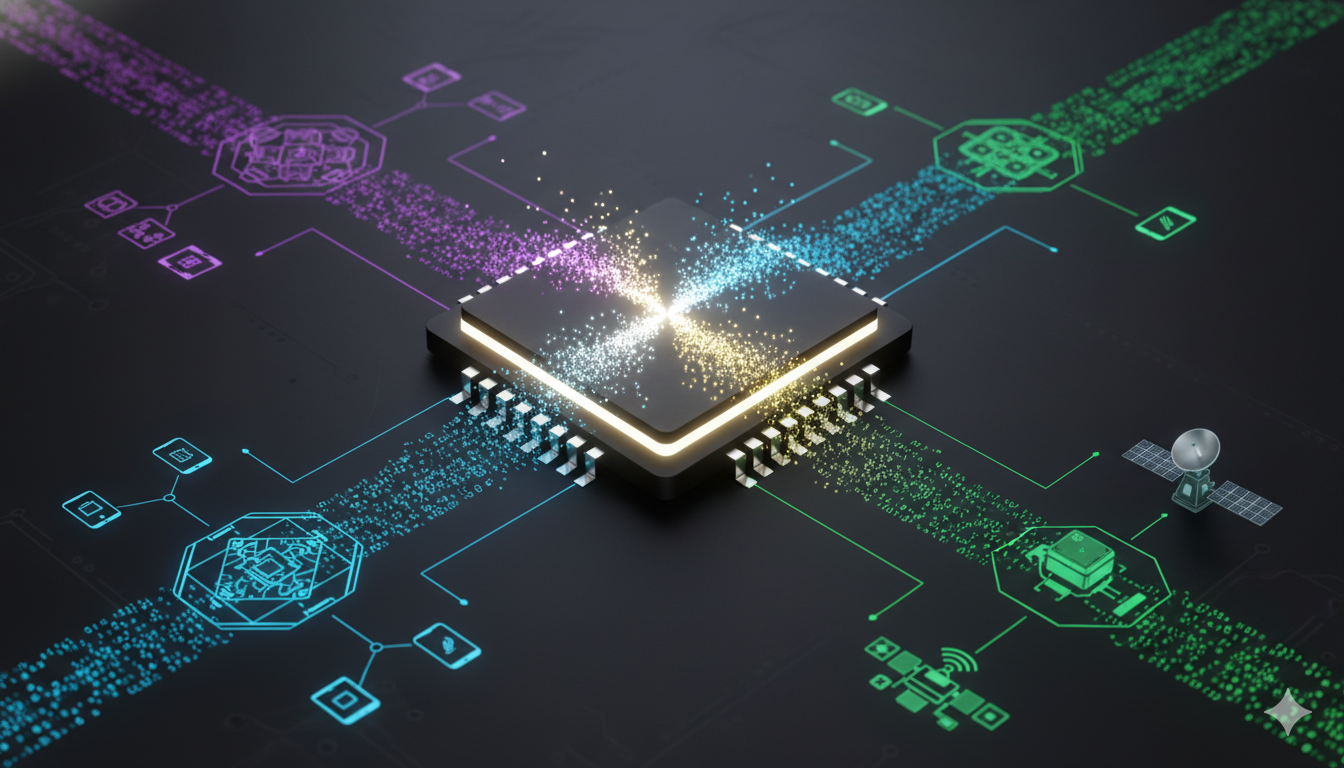
Quantum Random Number Generators (QRNGs): The Foundation of Post-Quantum Cybersecurity and Digital Trust
Introduction: Why Quantum Randomness Matters Now The global cybersecurity landscape is undergoing its most significant transformation since the advent of public-key cryptography. The rapid progress of quantum computing, combined with the growing threat of “harvest now, decrypt later” (HNDL) attacks, is forcing governments, military organizations, financial institutions, and technology companies to reassess the foundations of…