
Analysis, Reviews & Explainers serves as the analytical foundation of IDST, providing the structured understanding required to navigate complex technologies, systems, platforms, and operational concepts. This magazine focuses on how technologies work, how competing approaches compare, and how capabilities are employed in real-world environments, transforming technical complexity into clear and accessible knowledge.
Positioned upstream of intelligence assessment and policy interpretation, it equips readers with the contextual understanding necessary to evaluate emerging developments, strategic choices, and future capabilities with greater depth and clarity.
Explore Intelligence
Search and filter intelligence briefings by domain, risk category, time horizon, and strategic impact.
Rather than defining strategy or doctrine, this magazine focuses on how things work, how alternatives compare, and how systems are actually employed in real operational environments.
Featured Intelligence Briefing (Video)
PURPOSE OF INTELLIGENCE BRIEFINGS
This hub transforms information into intelligence by identifying emerging risks, interpreting strategic signals, and connecting technological, geopolitical, and operational developments into actionable insight. Designed for analysts, policymakers, industry leaders, and informed observers, it provides early warning, contextual understanding, and forward-looking assessments of the forces shaping global security and technological competition.
Unlike traditional analysis or research, Intelligence Briefings are written to support situational awareness, risk evaluation, and strategic decision-making—focusing not merely on what is happening, but on why it matters and what it may signal next.
Current Intelligence Focus.
This section surfaces the most relevant intelligence briefings based on immediacy, impact, and strategic relevance. These assessments are designed to support situational awareness and signal emerging risks
-

Planetary Defense 2026: The Global Race to Detect and Deflect Dangerous Asteroids
Introduction: Planetary Defense Is Becoming a Strategic Capability What happens when humanity discovers an asteroid on a collision course with Earth—and has only years, or perhaps months, to decide what to do? For most of history, the answer would have been simple: nothing. Today, that answer is beginning to change. Planetary defense is evolving into…
-
Beyond the Horizon: How Global Space Research is Shaping Our Future on Earth and Beyond
Introduction: From Exploration to Strategic Capability When a rocket lifts off, attention naturally gravitates toward its visible mission—deploying satellites, resupplying the International Space Station, or advancing human exploration toward the Moon and Mars. Yet the most transformative impact of space activity lies beyond these headline achievements. Space has evolved into a strategic laboratory—an environment where…
-

Artificial Photosynthesis and the Race to Industrialize Sunlight: A New Energy Paradigm Emerges
Introduction: Artificial Photosynthesis as a Strategic Energy Transition Artificial photosynthesis is no longer a speculative clean-energy concept; it is emerging as a potential pathway to reshape how energy is produced, stored, and distributed. At its core, the technology seeks to replicate and surpass nature’s method of converting sunlight, water, and carbon dioxide into usable energy—transforming…
Strategic Alert Briefings
Emerging Risks — Long-Term Horizon
Technology Watch — Concept Stage
Technology & Capability Intelligence
Intelligence assessments on technologies and systems that alter operational balance, advantage, or vulnerability.
-
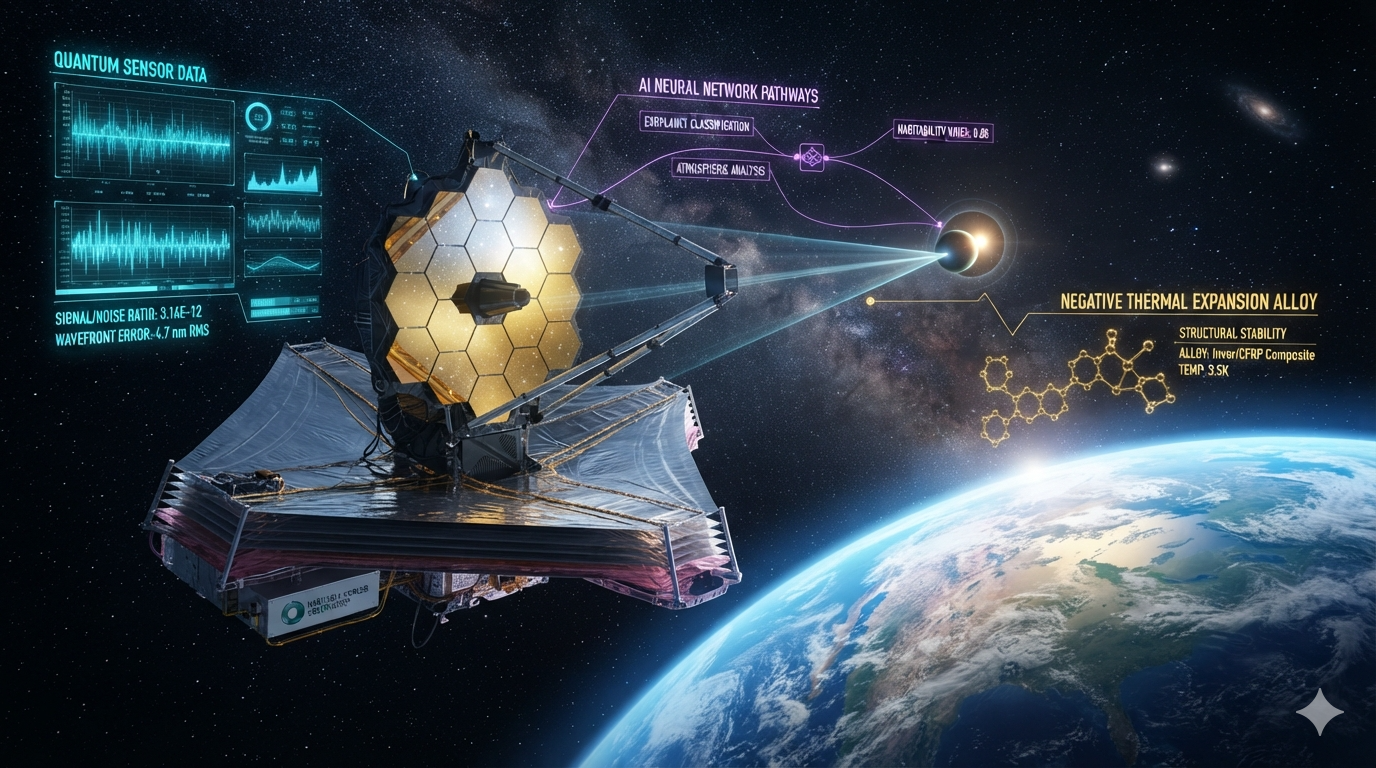
Eyes on the Cosmos: How AI, Quantum Technologies, and Advanced Materials Are Revolutionizing Astrophysics and Space Observation
Introduction: The New Era of Intelligent Astrophysics Astrophysics is entering one of the most transformative periods since the launch of the Hubble Space Telescope. The next generation of observatories is expected to answer some of humanity’s oldest questions: Are Earth-like planets common throughout the galaxy? Does life exist beyond our solar system? What are the…
-
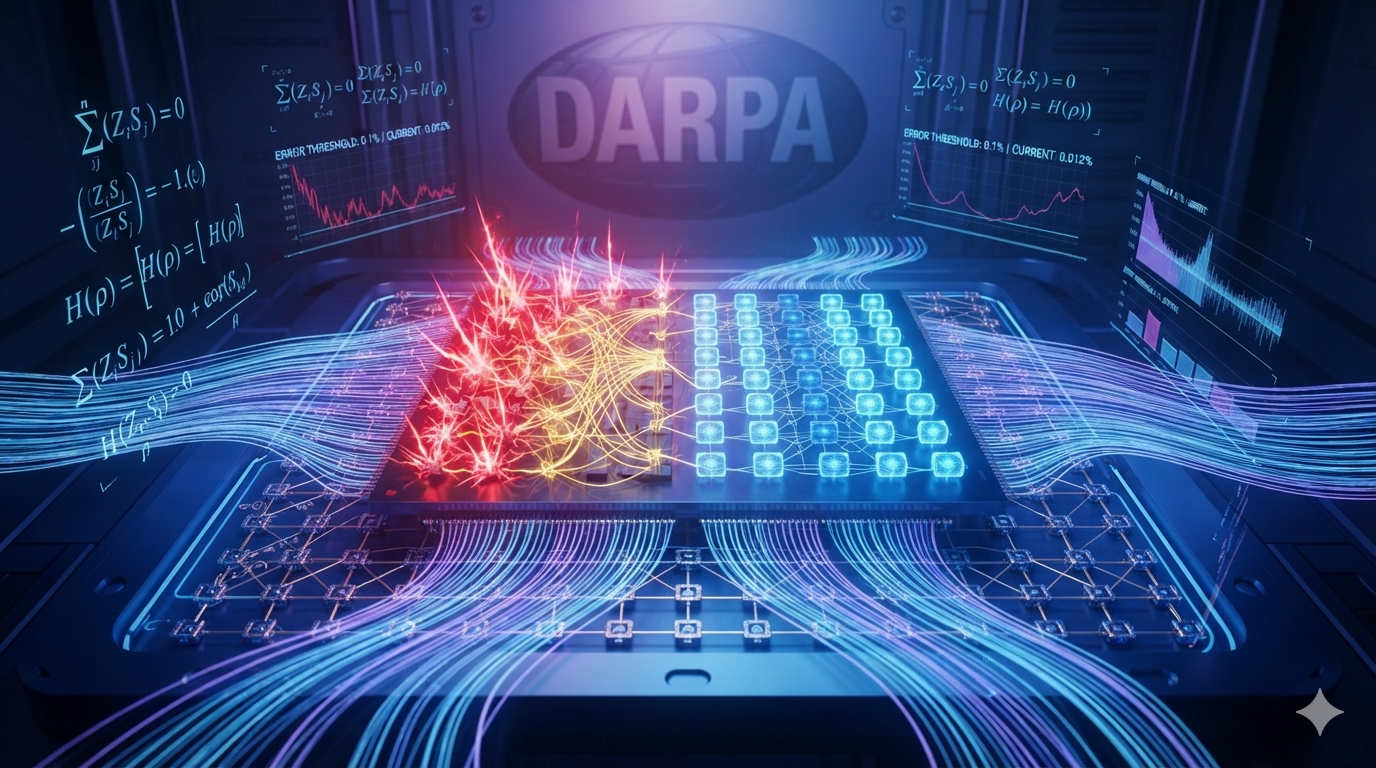
Beyond the Error Threshold: How Fault-Tolerant Quantum Computing Is Becoming Reality Through Next-Generation Error Correction
Introduction: The Race Toward Fault-Tolerant Quantum Computing Quantum computing has long promised to revolutionize defense, artificial intelligence, cryptography, pharmaceutical discovery, financial modeling, advanced manufacturing, and national security. Unlike classical computers that manipulate bits representing either 0 or 1, quantum computers exploit superposition, entanglement, and quantum interference to solve certain classes of problems that would require…
-
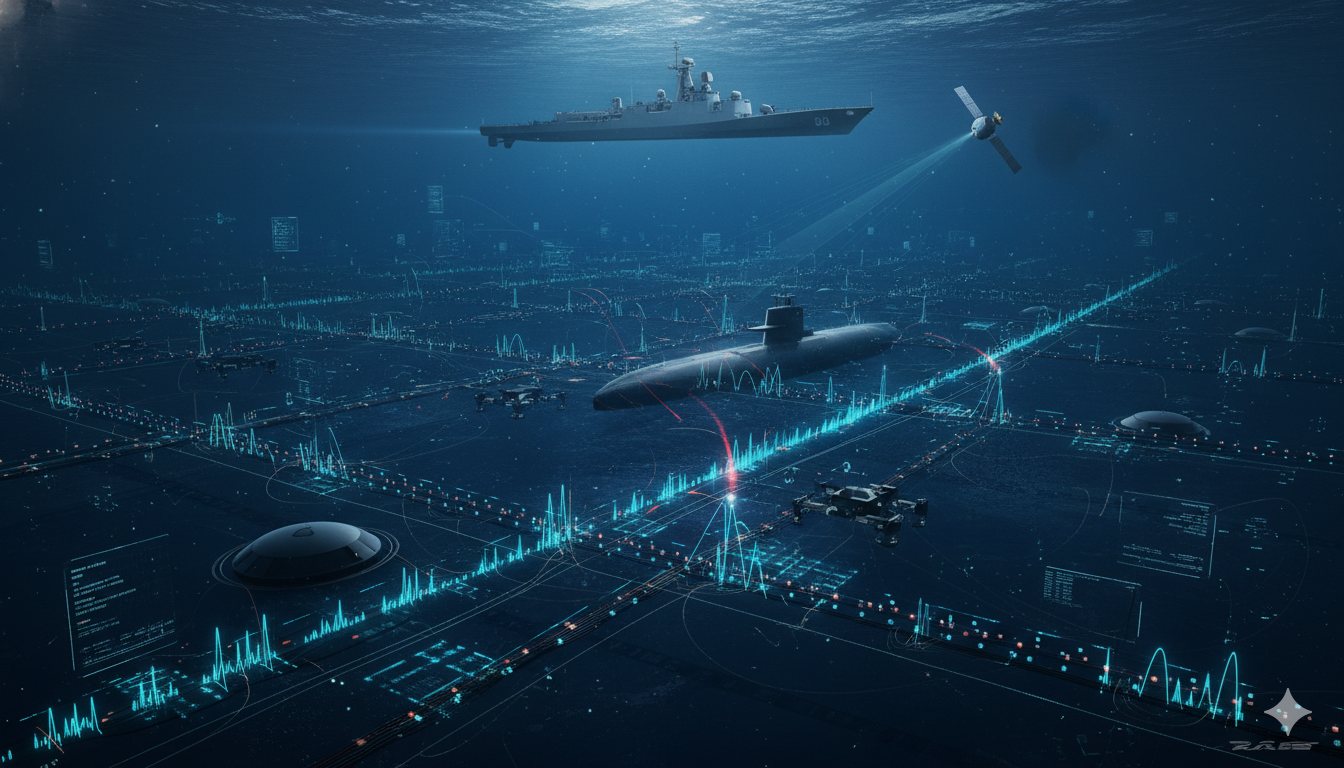
China’s Quantum Leap in Submarine Detection: How Quantum Sensing Is Reshaping Undersea Warfare and the Future of Naval Power
Introduction: The Quantum Revolution Beneath the Waves The contest for naval supremacy is entering a new technological era where the decisive advantage may no longer belong solely to quieter submarines or more capable sonar systems, but to nations that can exploit quantum physics to reveal what has long remained hidden beneath the ocean surface. As…
Threat & Risk Assessments
Analysis of evolving threat vectors operating below the threshold of open conflict.
-
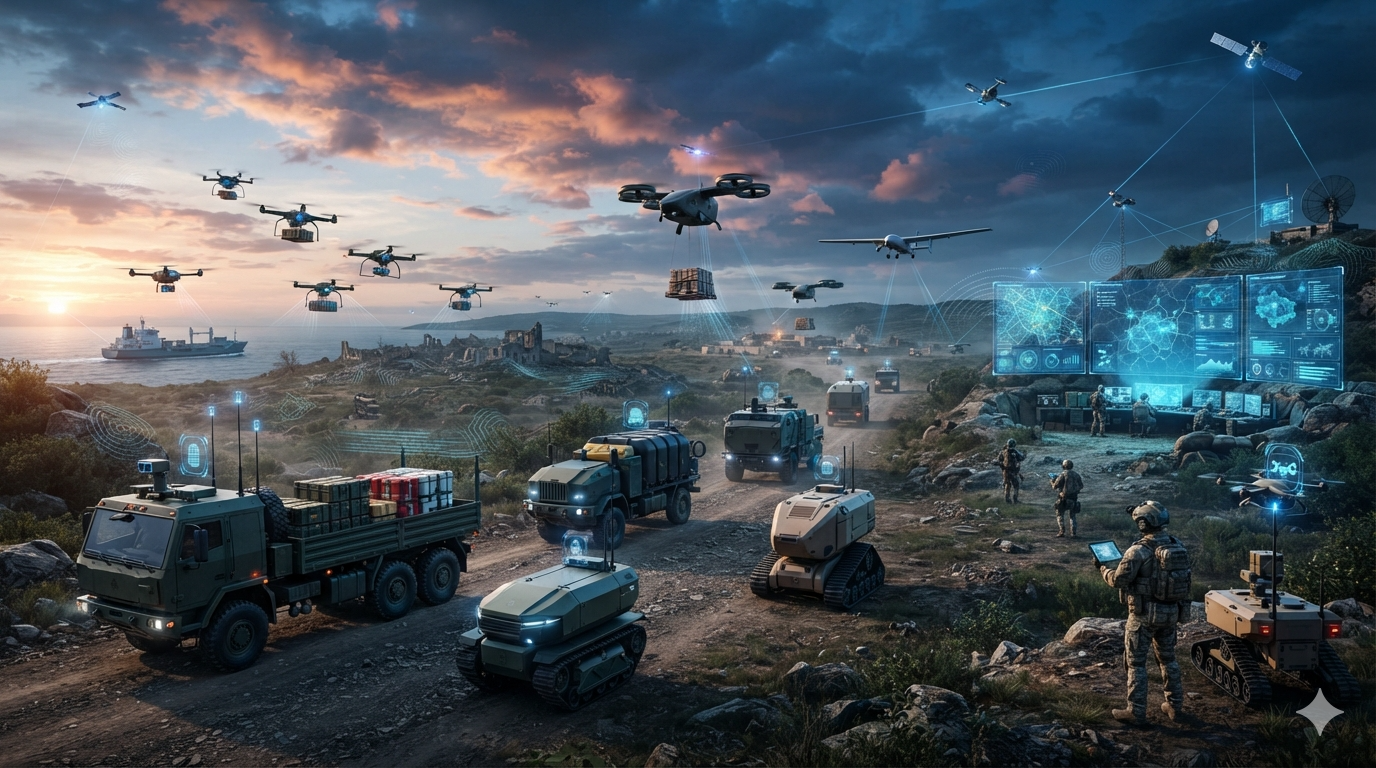
Securing Military AI: DARPA SABER and the Race to Build Trusted Battlefield Artificial Intelligence
Introduction: Strategic Context Artificial intelligence has rapidly evolved from a decision-support capability into a core element of modern military power. Across contemporary battlefields, AI now enables autonomous drones, unmanned ground vehicles, precision targeting, electronic warfare, intelligence analysis, logistics optimization, missile defense, and multi-domain command-and-control. The conflicts in Ukraine, the Middle East, and the Indo-Pacific have…
-
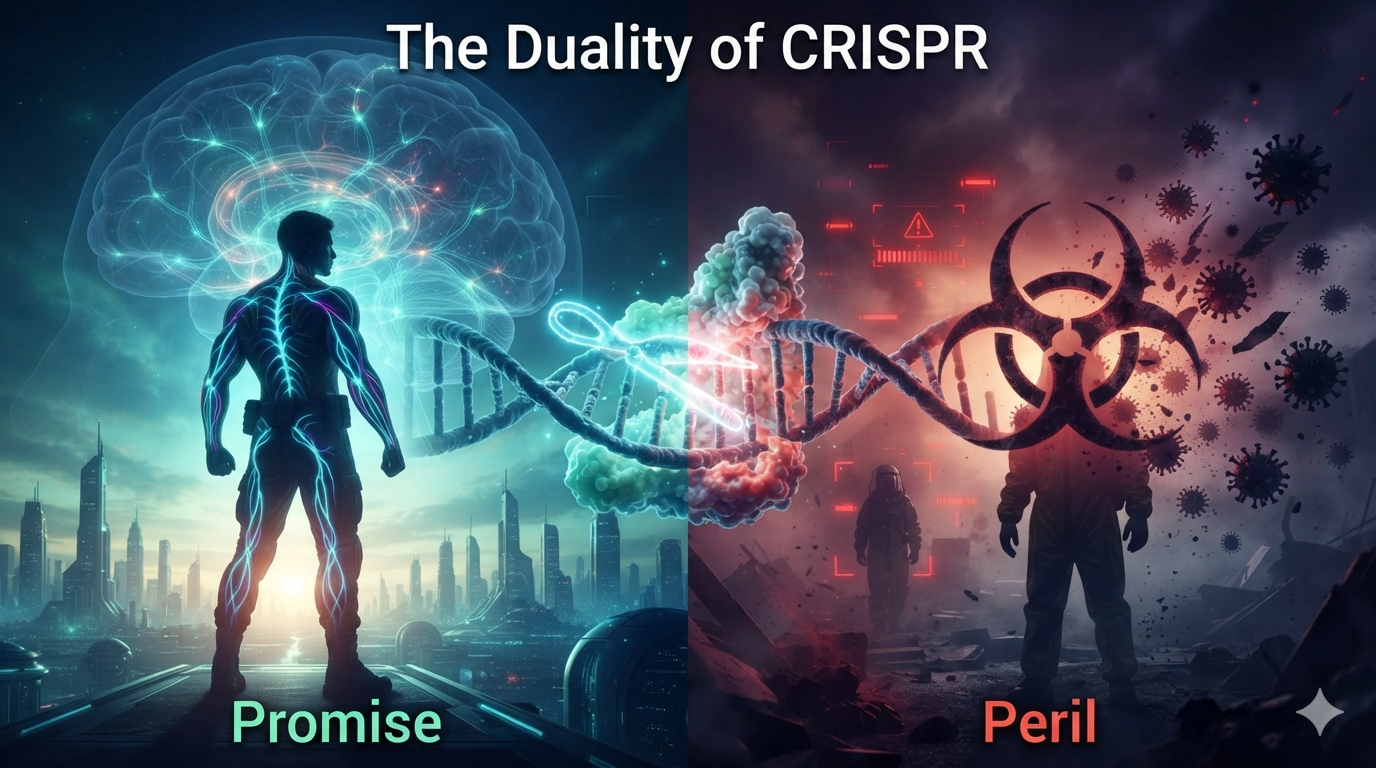
CRISPR, Human Enhancement and the New Genetic Arms Race: How Gene Editing Could Reshape Military Power, National Security and Global Biotechnology Competition
The Strategic Emergence of Gene Editing as a National Power Technology The twenty-first century competition among nations is increasingly being shaped by technologies capable of transforming the foundations of economic productivity, military effectiveness, and societal resilience. Artificial intelligence, quantum technologies, advanced semiconductors, and biotechnology now occupy the center of strategic planning across major powers. Among…
-
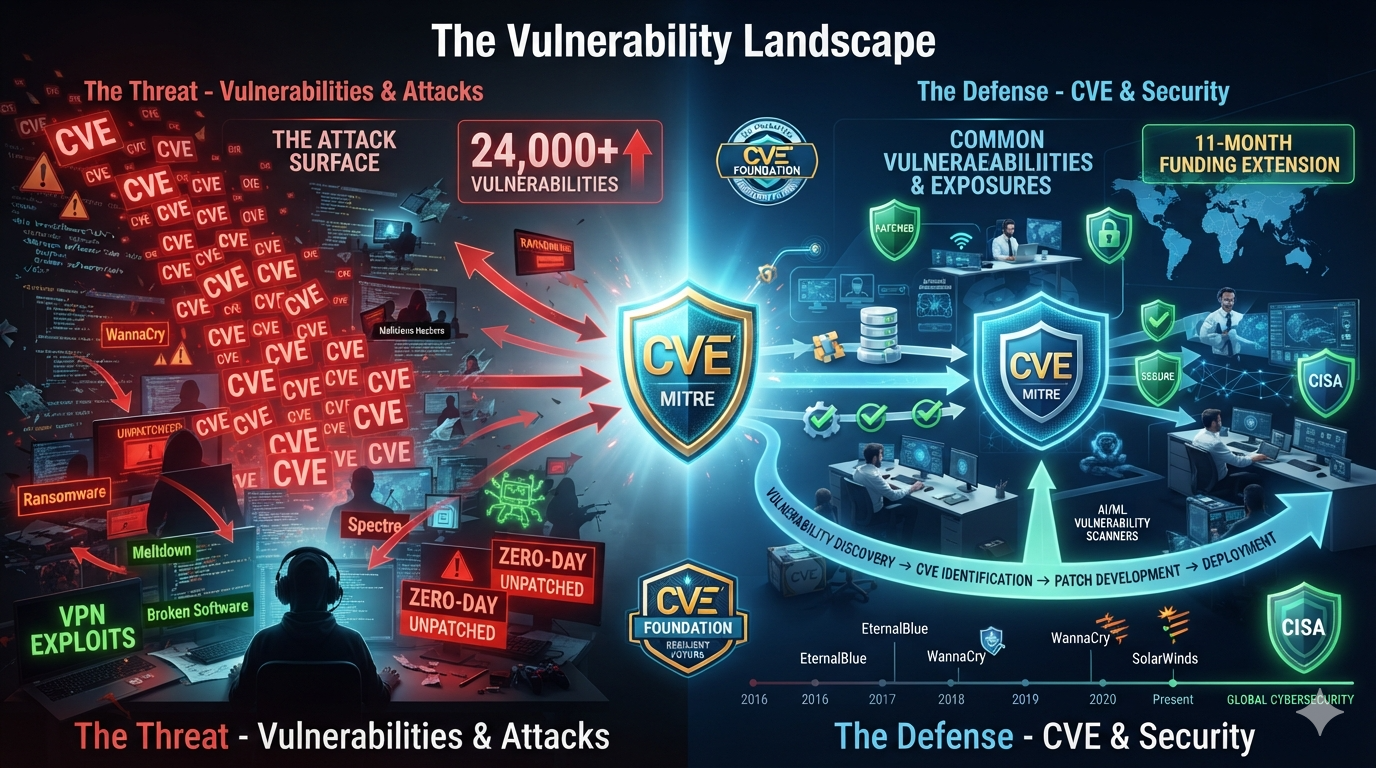
Software Vulnerabilities, CVE, and the Future of Cyber Defense: Securing Critical Infrastructure in an Era of AI-Powered Threats
Introduction: Why Software Vulnerabilities Have Become a Strategic Security Challenge Every digital system—from smartphones and cloud platforms to fighter aircraft, satellites, industrial control systems, financial networks, hospitals, and military command centers—depends on software. As software has become the foundation of modern civilization, software vulnerabilities have evolved from isolated technical defects into strategic national security risks…
Strategic Competition & Power Signals
Long-range intelligence on rivalry dynamics, alignment shifts, and strategic signaling behavior.
-
Eyes on the Cosmos: How AI, Quantum Technologies, and Advanced Materials Are Revolutionizing Astrophysics and Space Observation
Introduction: The New Era of Intelligent Astrophysics Astrophysics is entering one of the most transformative periods since the launch of the Hubble Space Telescope. The next generation of observatories is expected to answer some of humanity’s oldest questions: Are Earth-like planets common throughout the galaxy? Does life exist beyond our solar system? What are the…
-
Beyond the Error Threshold: How Fault-Tolerant Quantum Computing Is Becoming Reality Through Next-Generation Error Correction
Introduction: The Race Toward Fault-Tolerant Quantum Computing Quantum computing has long promised to revolutionize defense, artificial intelligence, cryptography, pharmaceutical discovery, financial modeling, advanced manufacturing, and national security. Unlike classical computers that manipulate bits representing either 0 or 1, quantum computers exploit superposition, entanglement, and quantum interference to solve certain classes of problems that would require…
-
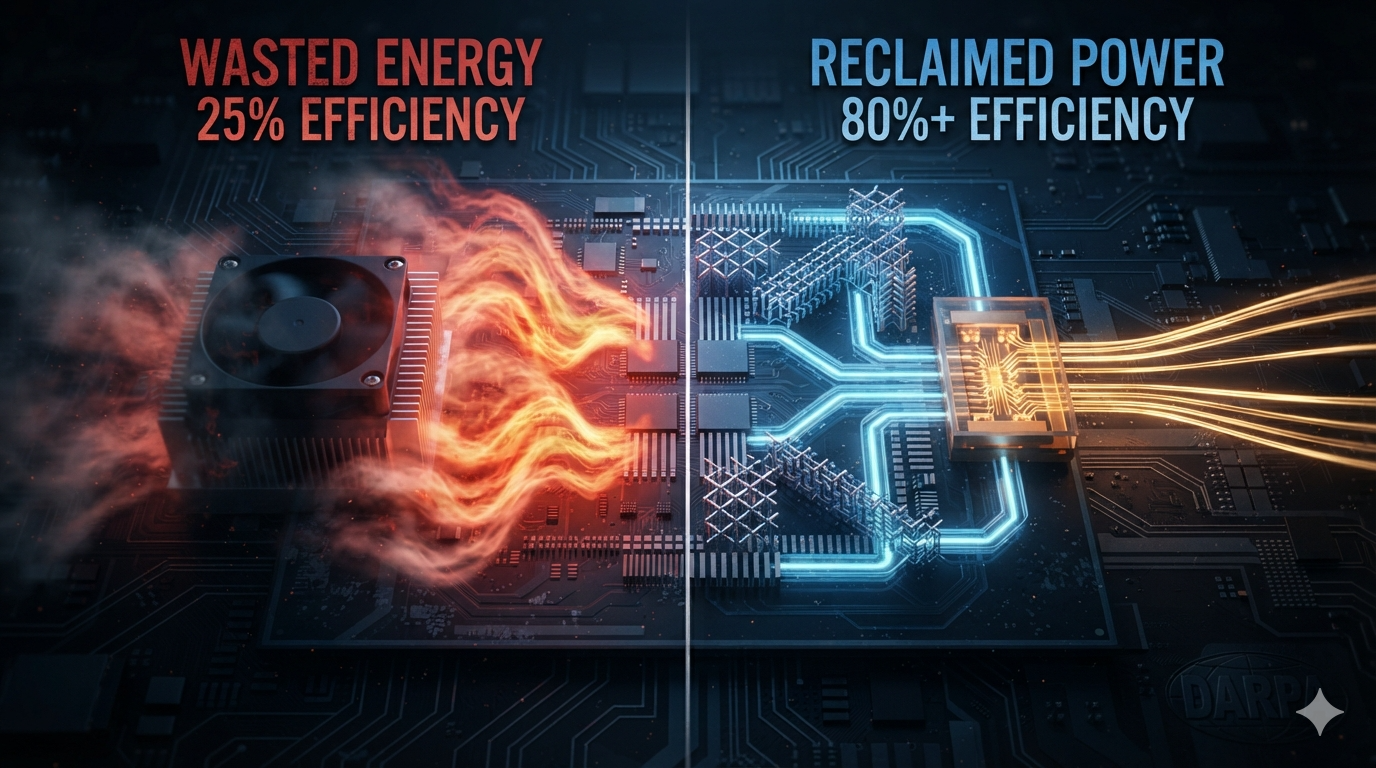
DARPA’s Microsystem Electricity Generation (MEG): Turning Waste Heat into Power for the Next Generation of Military AI and Semiconductor Systemsa
Introduction: Transforming Thermal Waste into Strategic Power The exponential growth of artificial intelligence, advanced semiconductor manufacturing, and autonomous defense systems is creating an unprecedented energy challenge. Every modern processor—from AI accelerators inside hyperscale data centers to mission computers aboard fighter aircraft, satellites, autonomous drones, and missile systems—converts nearly all of its electrical power into heat.…
All Intelligence Briefings
-
Eyes on the Cosmos: How AI, Quantum Technologies, and Advanced Materials Are Revolutionizing Astrophysics and Space Observation
Introduction: The New Era of Intelligent Astrophysics Astrophysics is entering one of the most transformative periods since the launch of the Hubble Space Telescope. The next generation of observatories is expected to answer some of humanity’s oldest questions: Are Earth-like planets common throughout the galaxy? Does life exist beyond our solar system? What are the…
-
Beyond the Error Threshold: How Fault-Tolerant Quantum Computing Is Becoming Reality Through Next-Generation Error Correction
Introduction: The Race Toward Fault-Tolerant Quantum Computing Quantum computing has long promised to revolutionize defense, artificial intelligence, cryptography, pharmaceutical discovery, financial modeling, advanced manufacturing, and national security. Unlike classical computers that manipulate bits representing either 0 or 1, quantum computers exploit superposition, entanglement, and quantum interference to solve certain classes of problems that would require…
-
DARPA’s Microsystem Electricity Generation (MEG): Turning Waste Heat into Power for the Next Generation of Military AI and Semiconductor Systemsa
Introduction: Transforming Thermal Waste into Strategic Power The exponential growth of artificial intelligence, advanced semiconductor manufacturing, and autonomous defense systems is creating an unprecedented energy challenge. Every modern processor—from AI accelerators inside hyperscale data centers to mission computers aboard fighter aircraft, satellites, autonomous drones, and missile systems—converts nearly all of its electrical power into heat.…