
Systems are defined not only by what they are—but by how they are used. This sub-magazine examines how technologies and platforms are employed in operational environments, exercises, and real-world scenarios.
IDST Intelligence Briefings
Operational concepts, employment patterns, mission profiles, and environment-driven constraints.
Why This Sub-Magazine Exists
Specifications alone do not determine outcomes. Operational context, human factors, and environment often matter more. This sub-magazine exists to connect technical capability with real-world use.
What We Track
- Operational use-cases and scenarios
- Human–machine interaction
- Environmental and logistical constraints
- Adaptation under contested conditions
Latest Analysis & Intelligence
-
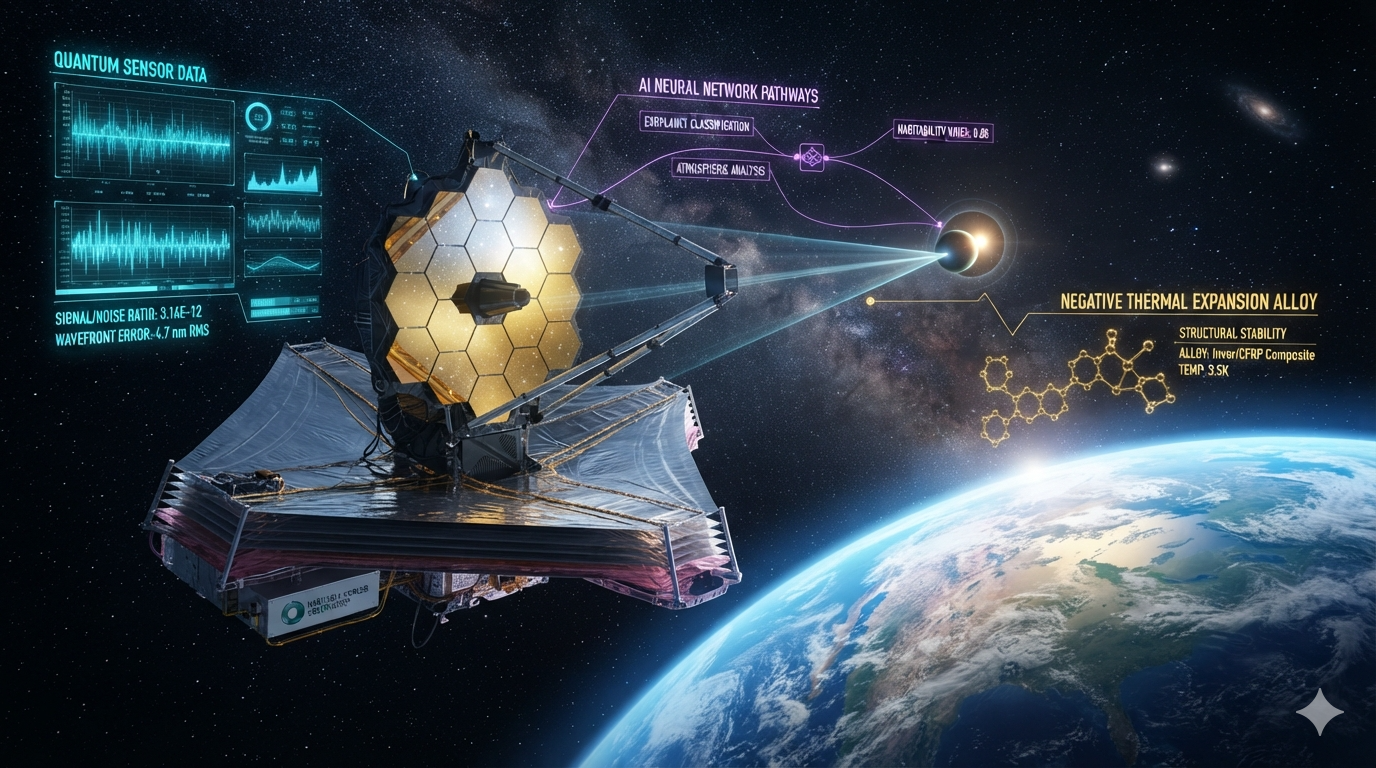
Eyes on the Cosmos: How AI, Quantum Technologies, and Advanced Materials Are Revolutionizing Astrophysics and Space Observation
Introduction: The New Era of Intelligent Astrophysics Astrophysics is entering one of the most transformative periods since the launch of the Hubble Space Telescope. The next generation of observatories is expected to answer some of humanity’s oldest questions: Are Earth-like planets common throughout the galaxy? Does life exist beyond our solar system? What are the…
-
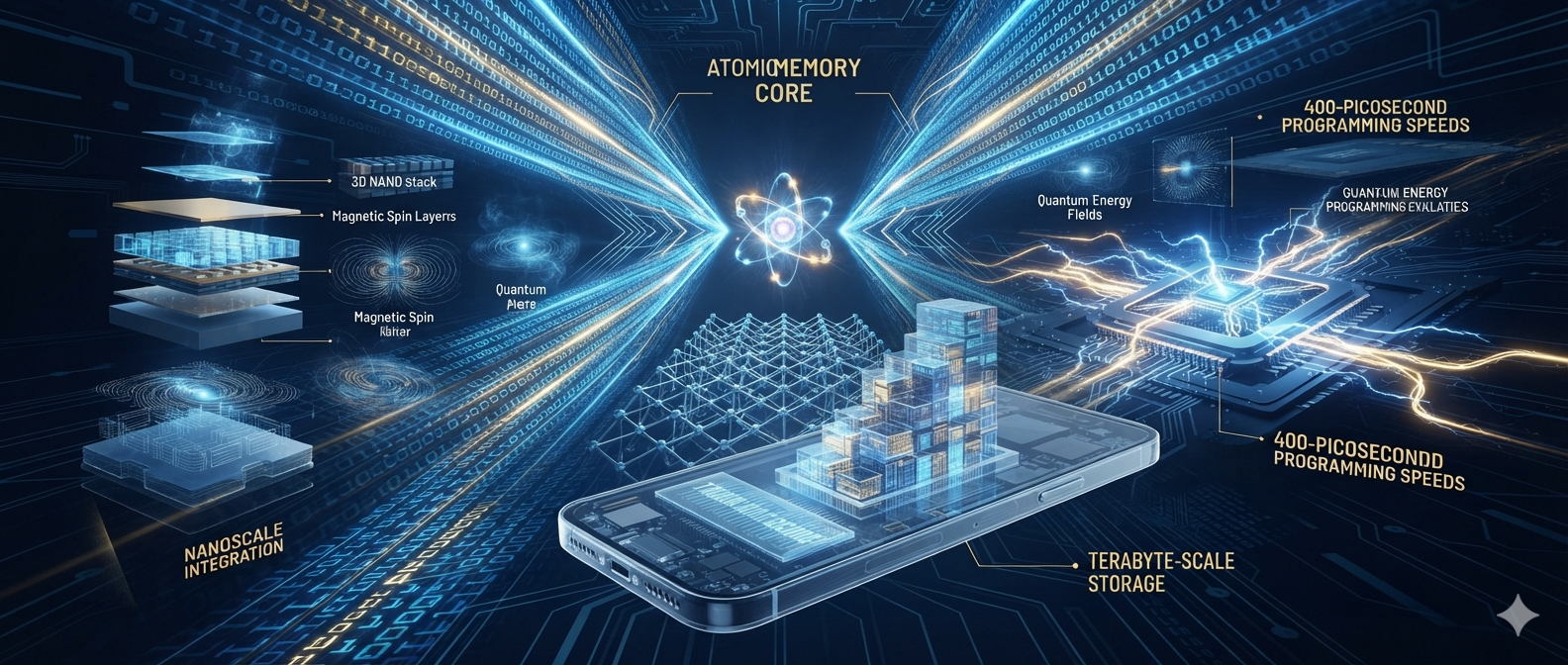
The Memory Revolution: How Next-Generation Memory Technologies Are Enabling AI Supremacy, Defense Dominance, and Speed-of-Light Computing
The Strategic Context: Memory Has Become the New Battlefield of the AI Age Artificial intelligence has fundamentally changed the global semiconductor race. For decades, advances in computing were largely driven by faster processors, shrinking transistor sizes, and increasingly sophisticated chip architectures. Today, however, the primary constraint on computational performance is no longer processing power alone—it…
-

Beyond Touchscreens: Advanced Haptic Technologies Reshaping Human–Machine Interaction, Defense Systems, and the Future Battlefield
Introduction: The Strategic Rise of Haptics in the AI Era The next revolution in human-machine interaction will not be driven solely by artificial intelligence or augmented reality—it will be driven by the ability of machines to communicate through touch. As digital systems become increasingly autonomous, distributed, and immersive, tactile feedback has emerged as a critical…
-
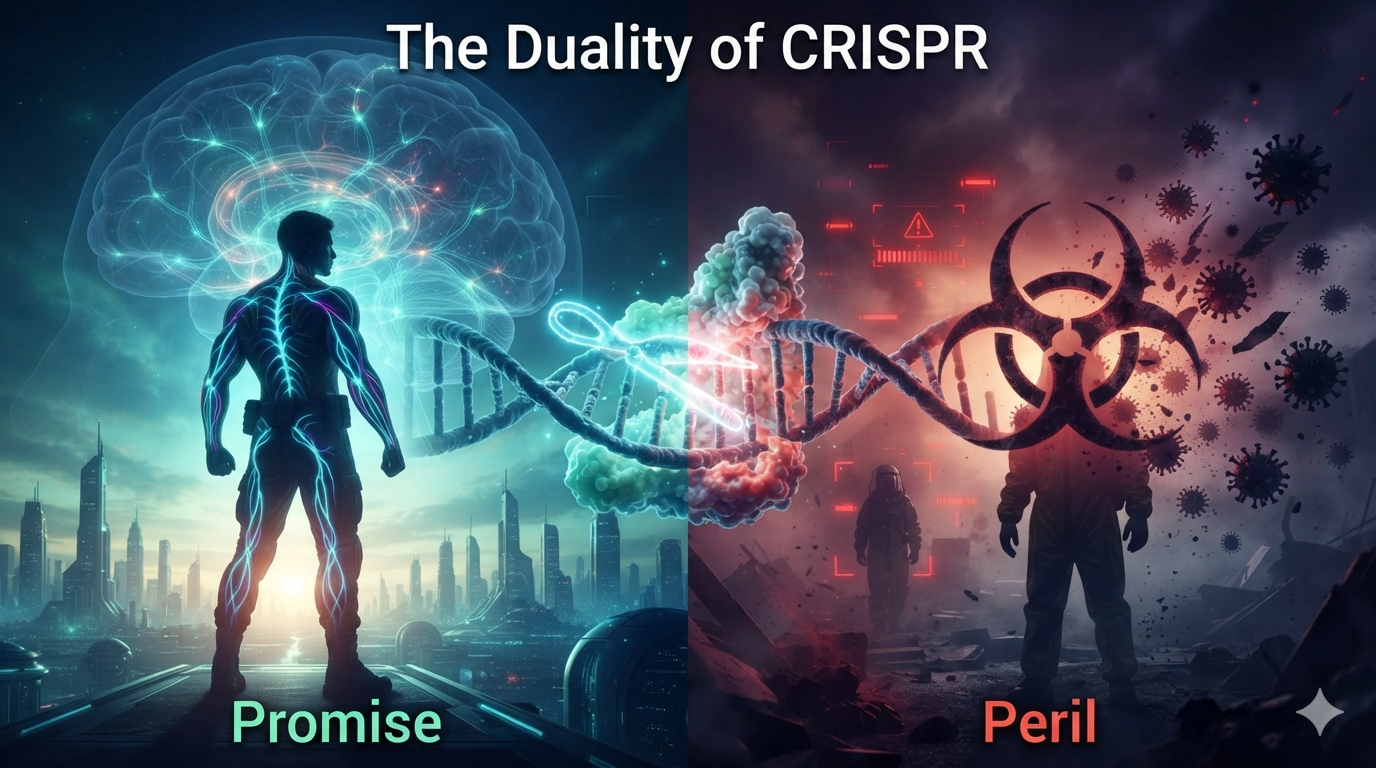
CRISPR, Human Enhancement and the New Genetic Arms Race: How Gene Editing Could Reshape Military Power, National Security and Global Biotechnology Competition
The Strategic Emergence of Gene Editing as a National Power Technology The twenty-first century competition among nations is increasingly being shaped by technologies capable of transforming the foundations of economic productivity, military effectiveness, and societal resilience. Artificial intelligence, quantum technologies, advanced semiconductors, and biotechnology now occupy the center of strategic planning across major powers. Among…
-
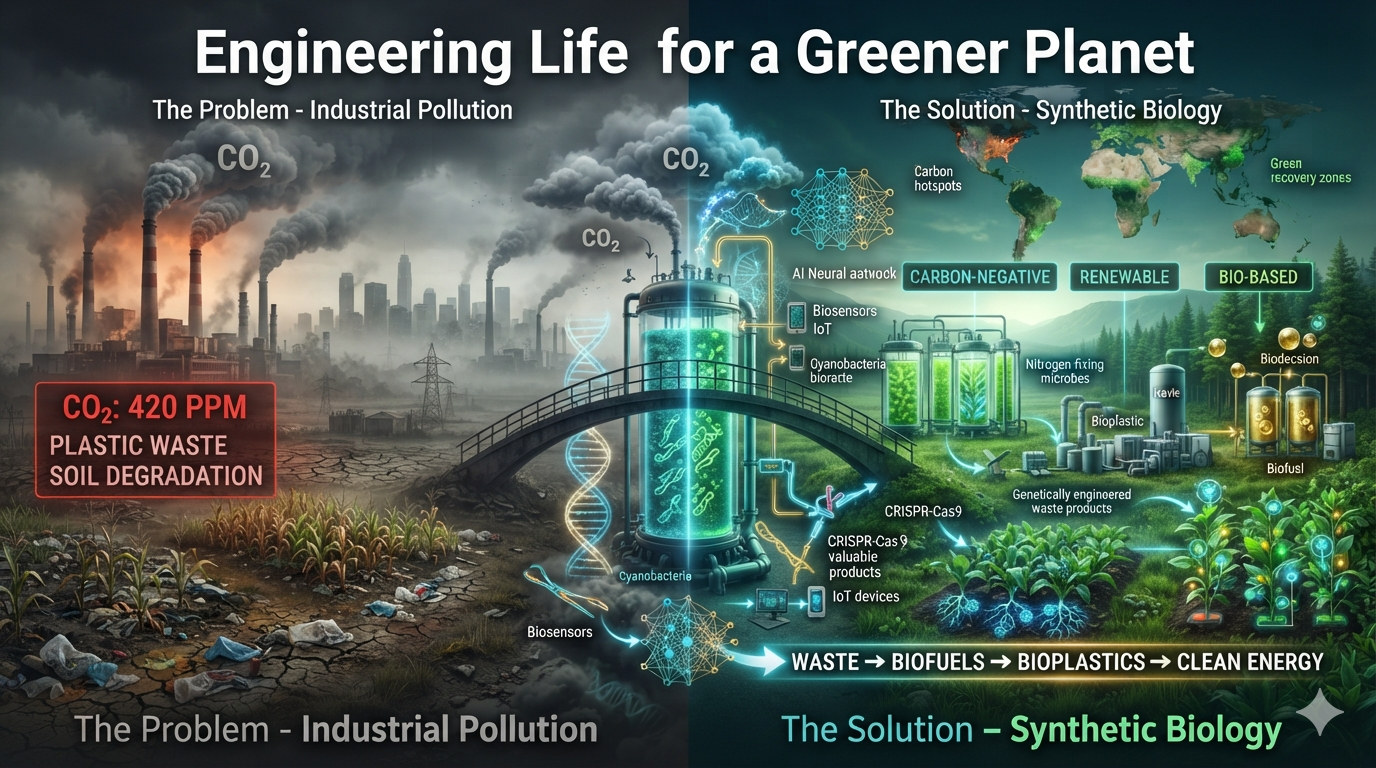
Engineering Biology Against Climate Change: How Synthetic Biology Is Reshaping Carbon Removal, Sustainable Industry, and Global Climate Security
Introduction: Programming Biology to Fight Climate Change Climate change has evolved from an environmental challenge into a defining issue of economic resilience, industrial competitiveness, national security, and geopolitical stability. Despite rapid expansion of renewable energy, electrification, and carbon capture technologies, global greenhouse gas emissions remain near record levels, while hard-to-abate sectors—including aviation, shipping, cement, steel,…
-
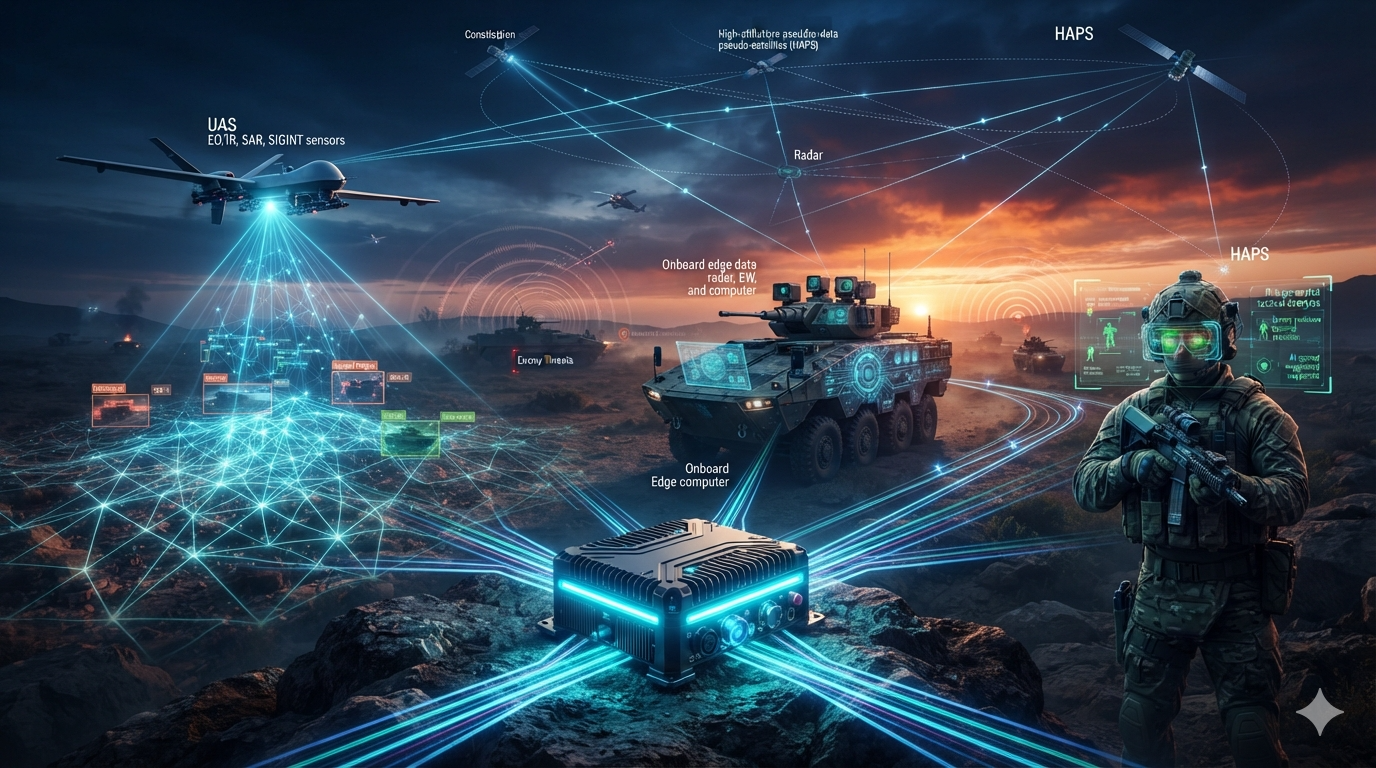
Eyes on the Edge: How AI-Driven Sensor Processing Is Reshaping the Future Battlefield
Introduction: From Data Deluge to Decision Dominance Modern warfare is no longer constrained by the availability of information—it is constrained by the ability to process it fast enough to influence the fight. Every military operation now generates an unprecedented volume of data from satellites, synthetic aperture radar, electronic warfare systems, unmanned aircraft, naval platforms, ground…
-
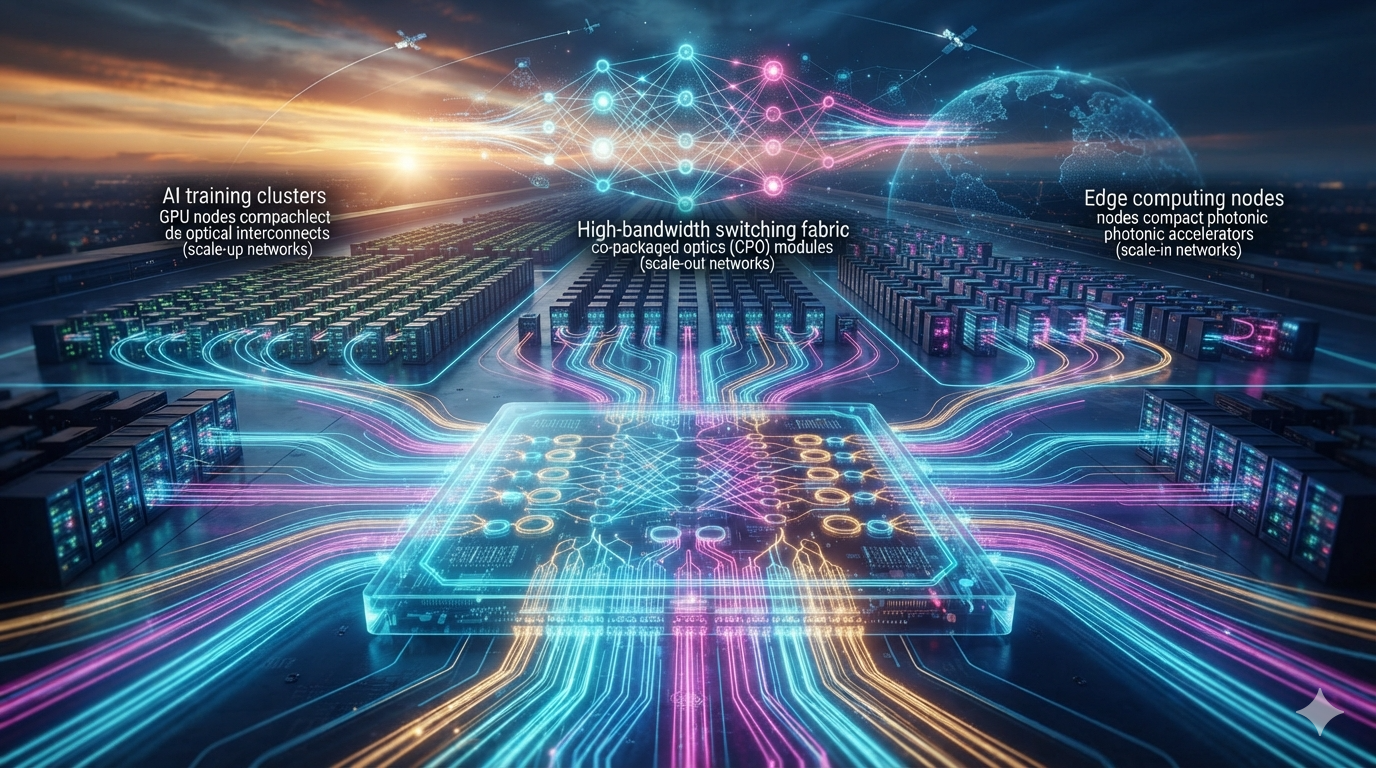
Silicon Photonics: The Optical Engine Driving the Next Generation of Artificial Intelligence
Introduction: AI’s Bandwidth Crisis and the Rise of Silicon Photonics Artificial intelligence has entered an era where computing performance is no longer determined solely by faster processors, but increasingly by the ability to move enormous volumes of data efficiently between chips, memory systems, and data centers. Modern foundation models containing trillions of parameters require unprecedented…
Related Domains & Cross-Cutting Themes
Defense Operations • Human & Soldier Systems • Autonomous Systems • Security Operations
Explore the Space Technology, Defense & Exploration Magazine →