
Digital battlefields, hybrid warfare, and the future of threat intelligence
IDST Intelligence Briefings
(Latest Security & Cyber Videos)
Why This Magazine Exists
Security, Cyber & Counter-Threats examines the evolving landscape of modern security in an era defined by digital conflict, hybrid warfare, and persistent global threats.
From cyber operations, information warfare, and intelligence-driven defense to counter-terrorism, internal security, and emerging threat vectors, this magazine provides strategic analysis, technical insight, and policy-relevant perspectives for decision-makers, practitioners, and researchers navigating an increasingly contested security environment.
What We Track
- Cyber warfare & cyber defense
- Information operations & influence campaigns
- National security threat assessments
- Emerging digital and hybrid warfare doctrines
- Critical infrastructure & cyber resilience
Latest Analysis & Intelligence
-
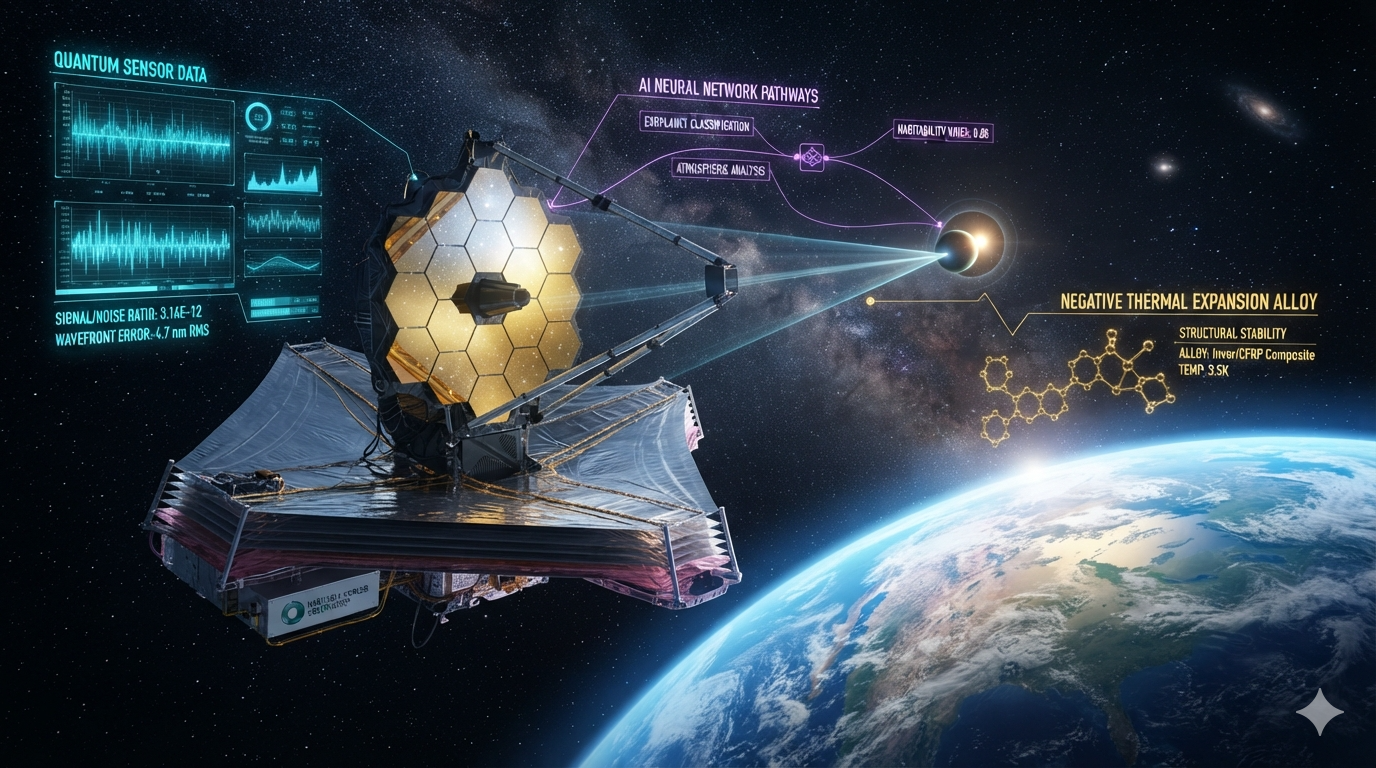
Eyes on the Cosmos: How AI, Quantum Technologies, and Advanced Materials Are Revolutionizing Astrophysics and Space Observation
Introduction: The New Era of Intelligent Astrophysics Astrophysics is entering one of the most transformative periods since the launch of the Hubble Space Telescope. The next generation of observatories is expected to answer some of humanity’s oldest questions: Are Earth-like planets common throughout the galaxy? Does life exist beyond our solar system? What are the…
-
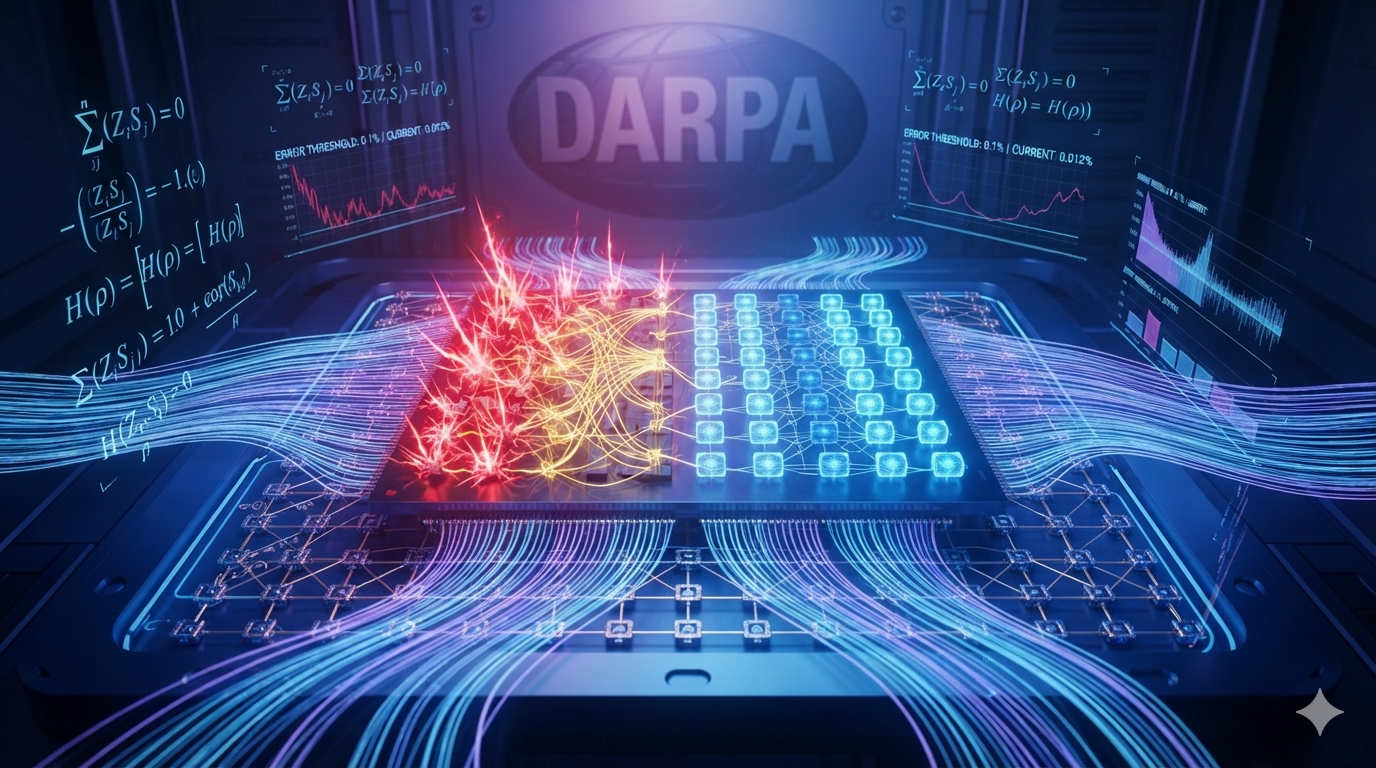
Beyond the Error Threshold: How Fault-Tolerant Quantum Computing Is Becoming Reality Through Next-Generation Error Correction
Introduction: The Race Toward Fault-Tolerant Quantum Computing Quantum computing has long promised to revolutionize defense, artificial intelligence, cryptography, pharmaceutical discovery, financial modeling, advanced manufacturing, and national security. Unlike classical computers that manipulate bits representing either 0 or 1, quantum computers exploit superposition, entanglement, and quantum interference to solve certain classes of problems that would require…
-
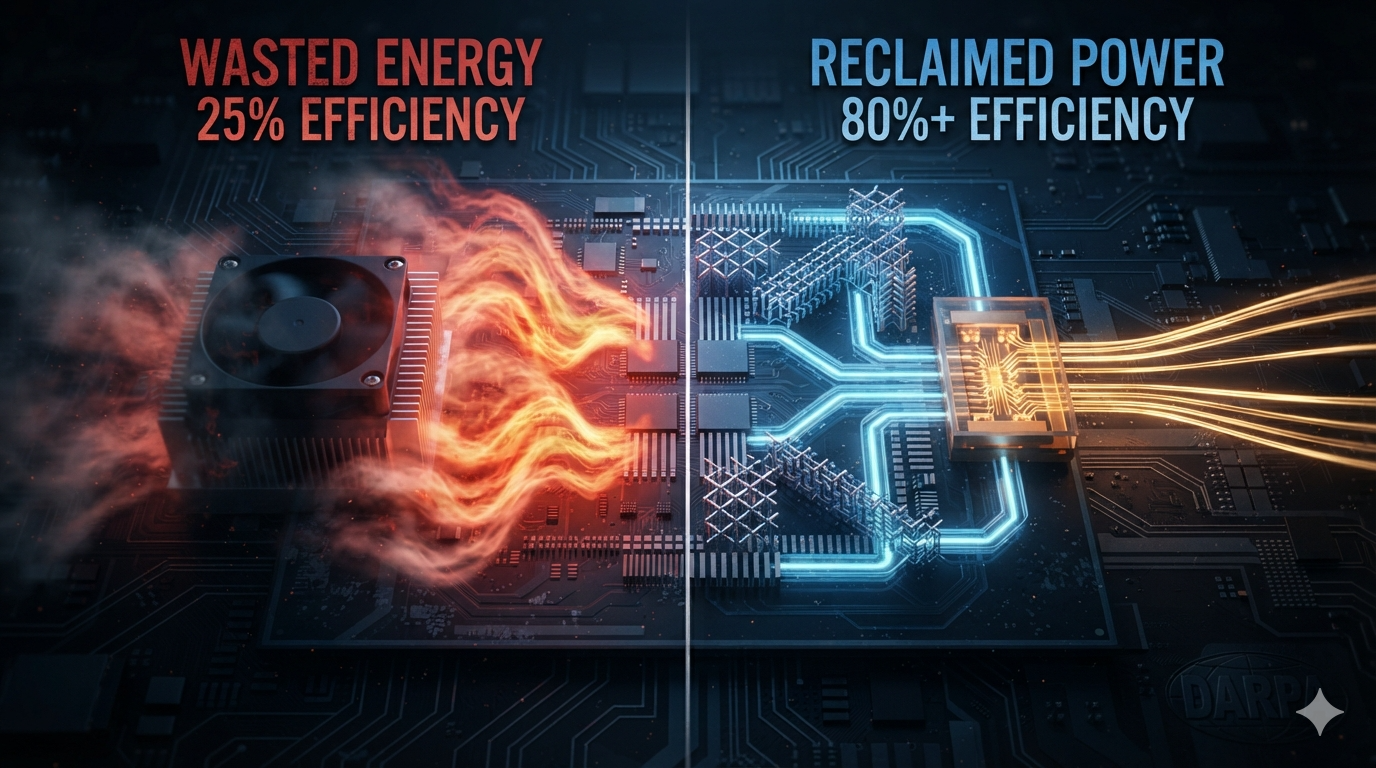
DARPA’s Microsystem Electricity Generation (MEG): Turning Waste Heat into Power for the Next Generation of Military AI and Semiconductor Systemsa
Introduction: Transforming Thermal Waste into Strategic Power The exponential growth of artificial intelligence, advanced semiconductor manufacturing, and autonomous defense systems is creating an unprecedented energy challenge. Every modern processor—from AI accelerators inside hyperscale data centers to mission computers aboard fighter aircraft, satellites, autonomous drones, and missile systems—converts nearly all of its electrical power into heat.…
-

Beyond GPS: How AI, Quantum Technologies, and Autonomous Robotics Are Revolutionizing Deep Space Navigation
Introduction: Navigation as the Foundation of the New Space Age As humanity prepares to establish a sustained presence beyond Earth, navigation has become one of the most strategically important enabling technologies of the modern space era. NASA’s Artemis campaign is laying the foundation for permanent lunar exploration, China is expanding its International Lunar Research Station…
-

The AI Mathematician Race: DARPA’s expMath Program and the Future of AI-Driven Scientific Discovery
Introduction: Mathematics Becomes the Next Strategic Battleground Artificial intelligence is transforming warfare, biotechnology, quantum computing, semiconductor design, cybersecurity, and autonomous systems—but behind every one of these technologies lies a less visible strategic asset: advanced mathematics. Every breakthrough in cryptography, machine learning, optimization, radar signal processing, quantum algorithms, hypersonic guidance, and digital communications ultimately depends upon…
-
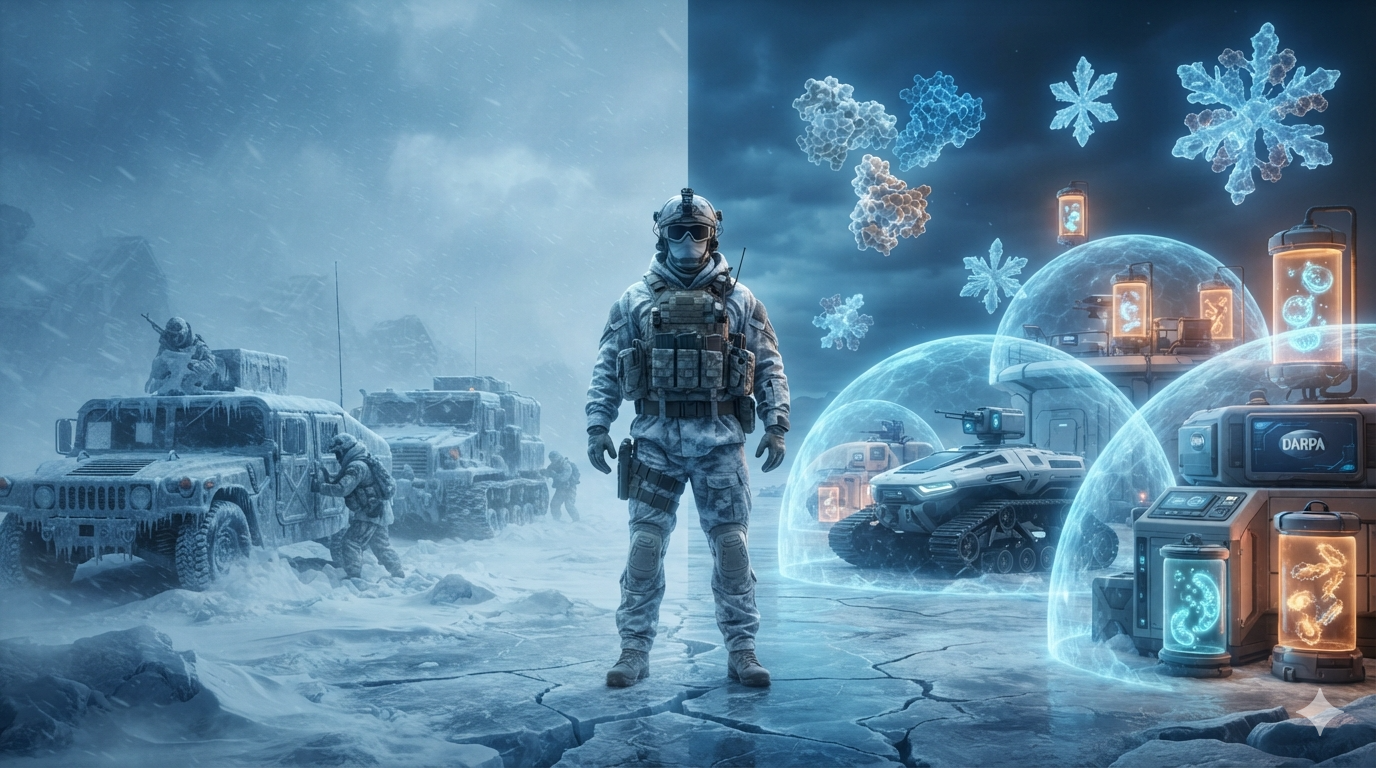
Breaking the Ice: How DARPA’s ICE Program Is Bioengineering the Future of Arctic Warfare and Cold-Weather Operations
Introduction: Biology Enters the Arctic Battlespace The Arctic is rapidly transforming from a remote, ice-bound frontier into one of the world’s most strategically contested theaters. Climate change has accelerated the retreat of sea ice, opening new maritime trade routes, exposing vast reserves of critical minerals and hydrocarbons, and increasing military activity across the High North.…
-
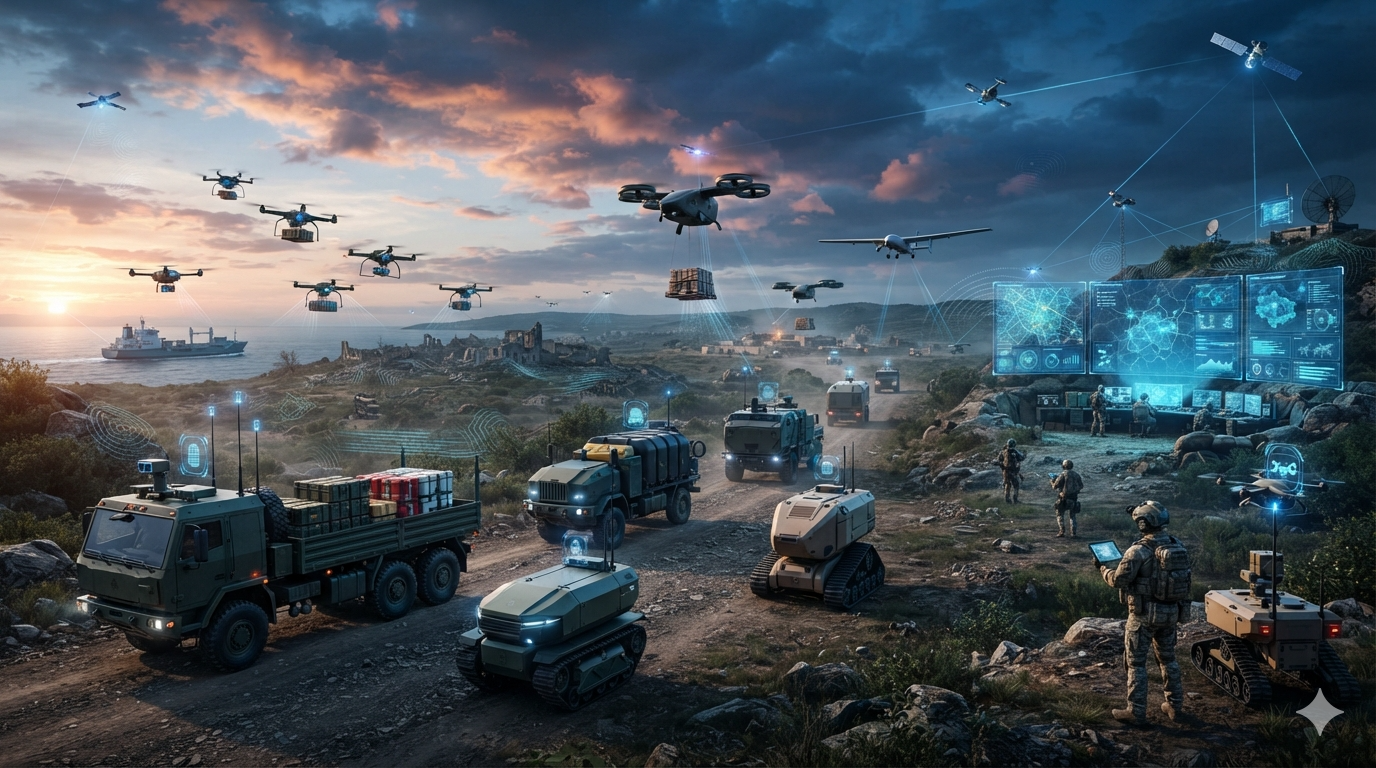
Securing Military AI: DARPA SABER and the Race to Build Trusted Battlefield Artificial Intelligence
Introduction: Strategic Context Artificial intelligence has rapidly evolved from a decision-support capability into a core element of modern military power. Across contemporary battlefields, AI now enables autonomous drones, unmanned ground vehicles, precision targeting, electronic warfare, intelligence analysis, logistics optimization, missile defense, and multi-domain command-and-control. The conflicts in Ukraine, the Middle East, and the Indo-Pacific have…
STRATEGIC SUB-MAGAZINES
Modern military power emerges from the interaction of platforms, people, doctrine, and integration across domains. The Defense & Military Systems magazine is structured into focused sub-magazines that examine how combat capability is built, sustained, and employed across air, land, sea, weapons, and human systems.
Cyber & Information Warfare
Industrial outcomes are shaped as much by incentives, policy, and market structure as by engineering. Price signals, investment cycles, and regulatory frameworks quietly determine which technologies scale, stagnate, or fail.
This sub-magazine examines how markets behave under strategic pressure—where capital flows, how demand signals distort decisions, and why some industries adapt faster than others.
Explore the Cyber & Information Warfare Sub-Magazine →
Security & Threat Management
Modern security is defined by persistence, coordination, and anticipation. This sub-magazine focuses on how threats are identified, mitigated, and managed across institutions, infrastructures, and societies.
Explore the Security & Threat Management Sub-Magazine →