
Modern power depends not only on weapons and information, but on the systems that keep forces moving, supplied, connected, and operational over time.
Autonomous platforms, energy systems, and infrastructure networks increasingly define operational tempo, geographic reach, and strategic resilience. This magazine analyzes the technologies and architectures that sustain operations across land, sea, air, space, and contested environments—where reliability, efficiency, and autonomy matter as much as raw performance.
IDST Intelligence Briefings
Focus: autonomy, propulsion, power systems, logistics tech, infrastructure resilience
Why This Magazine Exists
Logistics, energy, infrastructure, and autonomous support systems are often overlooked compared to frontline platforms, yet they determine whether military and industrial operations can be sustained at scale. This sub-magazine examines the technologies, architectures, and innovations that enhance operational endurance, resilience, mobility, and self-sufficiency in increasingly contested and resource-constrained environments.
What We Track
- Unmanned and autonomous platforms across domains
- Energy generation, storage, and propulsion systems
- Logistics automation and sustainment technologies
- Critical infrastructure resilience and protection
- Dual-use civilian–military systems
STRATEGIC SUB-MAGAZINES
Modern military power emerges from the interaction of platforms, people, doctrine, and integration across domains. The Defense & Military Systems magazine is structured into focused sub-magazines that examine how combat capability is built, sustained, and employed across air, land, sea, weapons, and human systems.
Unmanned & Autonomous Systems
Focuses on the platforms, technologies, and doctrines that define control of the air and near-space domains. This sub-magazine examines combat aviation, unmanned air systems, aerospace surveillance, and emerging flight technologies shaping future air superiority.
Explore the Unmanned & Autonomous Systems Sub-Magazine →
Thermal, Propulsion & Energy Systems
Examines how modern armies fight, maneuver, and survive in increasingly contested land environments. This sub-magazine focuses on armored platforms, artillery, battlefield networking, and the transformation of ground combat through automation and data.
Explore the Thermal, Propulsion & Energy Systems Sub-Magazine →
Latest Analysis & Intelligence
-

DARPA’s Microsystem Electricity Generation (MEG): Turning Waste Heat into Power for the Next Generation of Military AI and Semiconductor Systemsa
Introduction: Transforming Thermal Waste into Strategic Power The exponential growth of artificial intelligence, advanced semiconductor manufacturing, and autonomous defense systems is creating an unprecedented energy challenge. Every modern processor—from AI accelerators inside hyperscale data centers to mission computers aboard fighter aircraft, satellites, autonomous drones, and missile systems—converts nearly all of its electrical power into heat.…
-
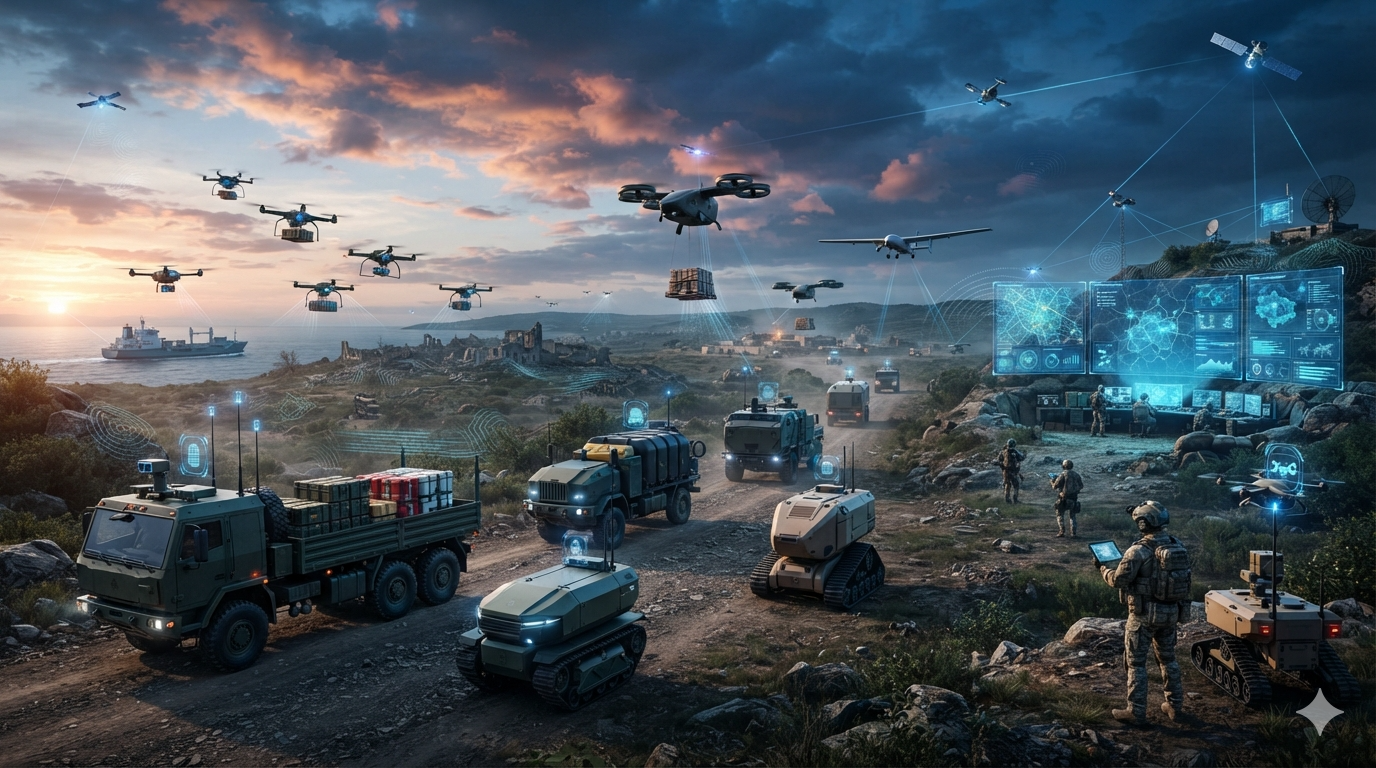
Securing Military AI: DARPA SABER and the Race to Build Trusted Battlefield Artificial Intelligence
Introduction: Strategic Context Artificial intelligence has rapidly evolved from a decision-support capability into a core element of modern military power. Across contemporary battlefields, AI now enables autonomous drones, unmanned ground vehicles, precision targeting, electronic warfare, intelligence analysis, logistics optimization, missile defense, and multi-domain command-and-control. The conflicts in Ukraine, the Middle East, and the Indo-Pacific have…
-
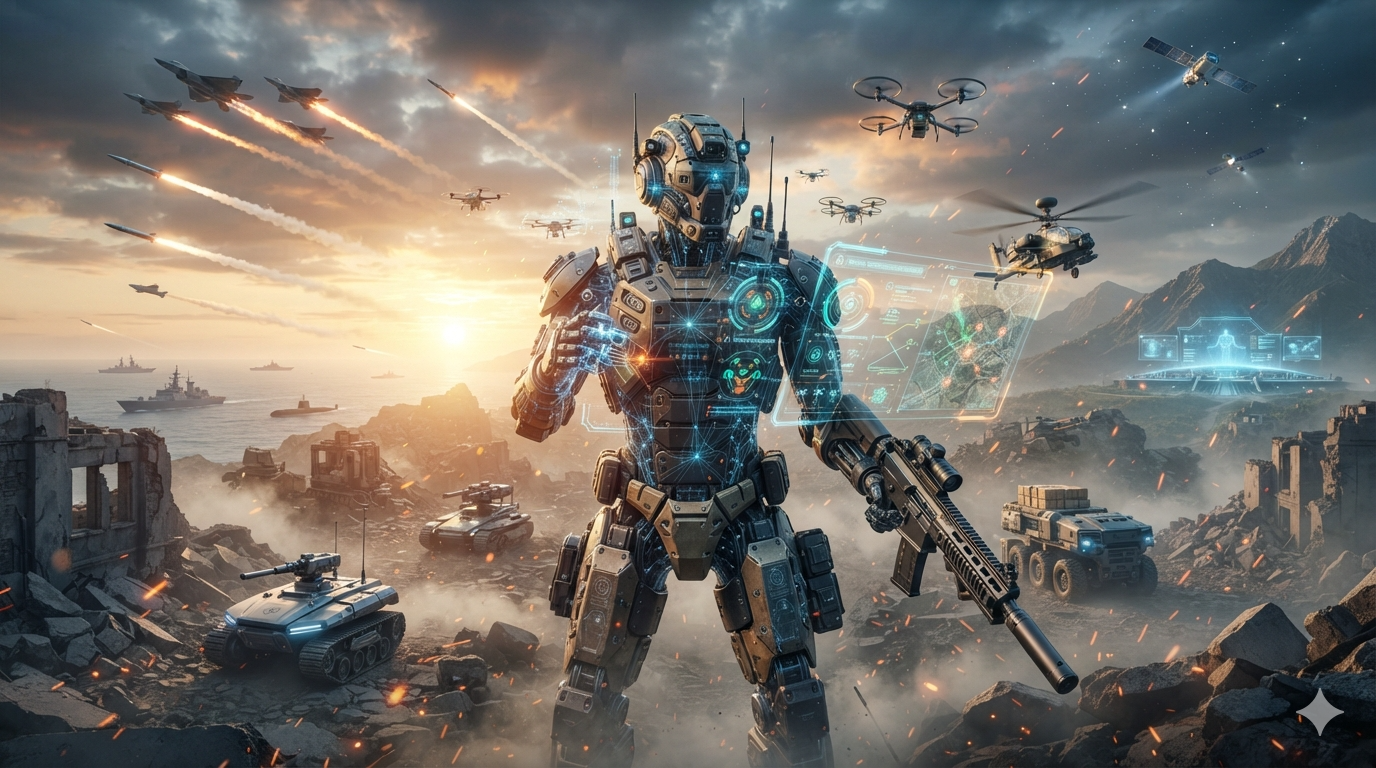
Humanoid Military Robots: The Race to Build the AI Soldier of the Future
Introduction: The Dawn of Embodied Warfare Artificial intelligence is rapidly evolving beyond software into the physical world, creating what many experts describe as the next revolution in military technology: embodied AI. For decades, militaries have relied on unmanned aerial vehicles, autonomous underwater vehicles, and ground robots designed for specialized missions. The next generation of defense…
-

Visual Navigation to Autonomous Air Refueling: Revolutionizing Aerial Refueling for Contested Airspace
Introduction: Autonomous Refueling Becomes a Strategic Necessity Air-to-air refueling has long been one of the defining capabilities of modern air power, enabling strategic bombers, fighter aircraft, intelligence platforms, airborne early warning aircraft, and long-range unmanned systems to operate across global distances without dependence on forward operating bases. For decades, this capability has provided the United…
-
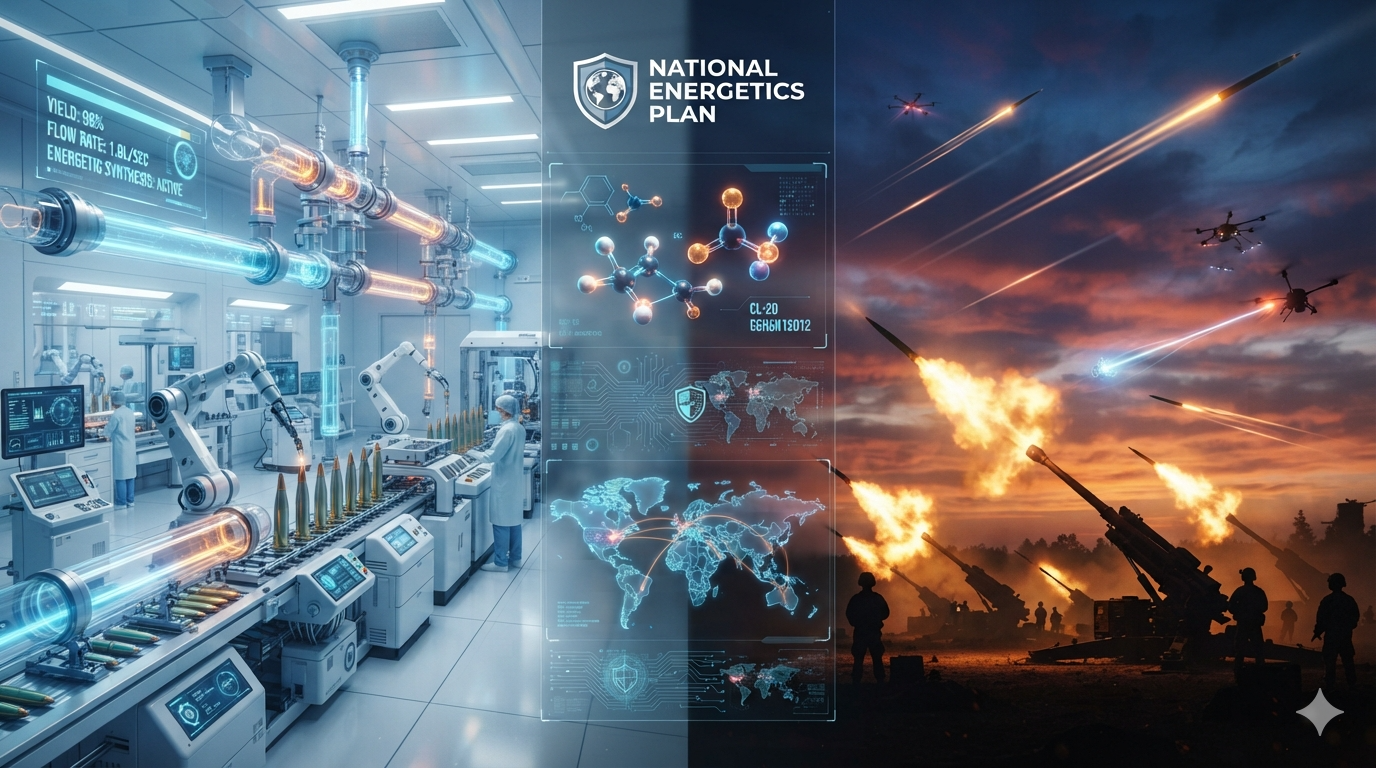
The New Energetics Revolution: How Advanced Propellants, Smart Manufacturing, and Industrial Innovation Are Reshaping Military Power
Introduction: The Strategic Importance of Energetics in Great Power Competition Behind every missile launch, artillery strike, hypersonic weapon, rocket motor, and precision-guided munition lies a critical but often overlooked technology domain—energetics. Explosives, propellants, pyrotechnics, and advanced energetic materials determine not only the range, speed, and lethality of modern weapons but also the ability of nations…
-
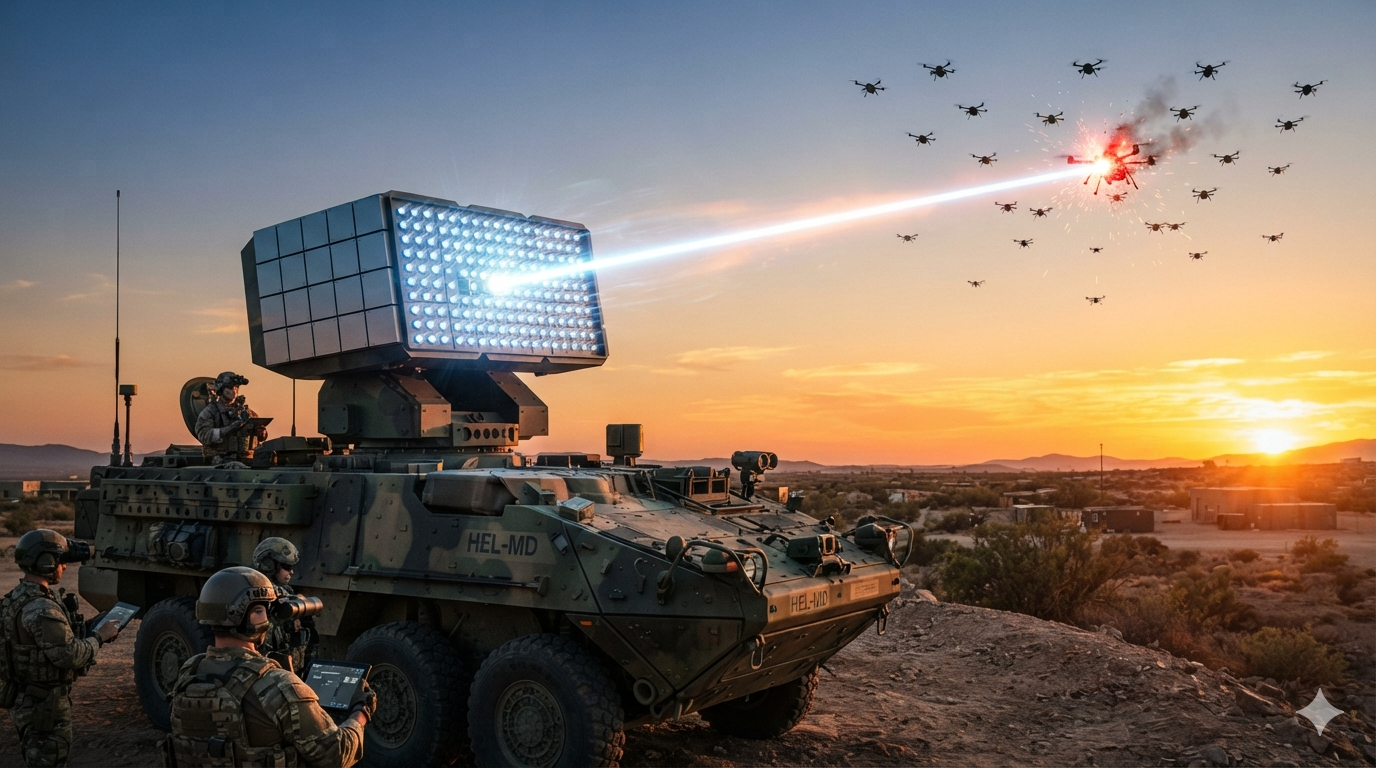
DARPA’s MELT Program: Scaling High-Energy Laser Weapons for the Drone Swarm Era
Introduction: Directed Energy Becomes a Strategic Imperative The character of modern warfare is being reshaped by the rapid proliferation of inexpensive drones, autonomous swarms, loitering munitions, and cruise missiles. From Ukraine and the Red Sea to the Middle East and Indo-Pacific, military forces are confronting an increasingly unfavorable cost equation where intercepting a $5,000 drone…
-
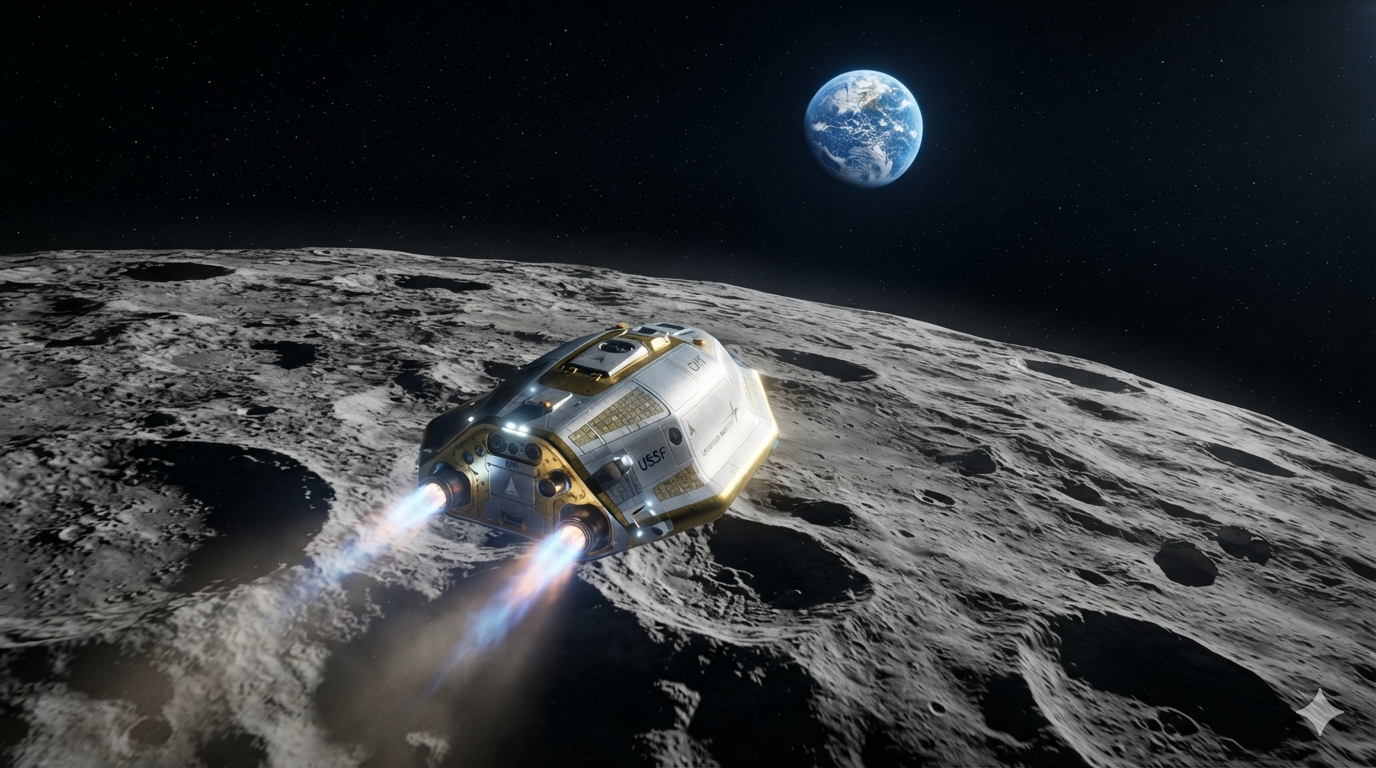
DARPA’s LASSO Program: Building the Space Force’s Cislunar Intelligence Network for the New Lunar Economy
Introduction: Cislunar Space Emerges as the Next Strategic High Ground The strategic competition that once centered on Low Earth Orbit (LEO) and Geostationary Earth Orbit (GEO) is rapidly expanding into cislunar space—the vast region extending from Earth orbit to the Moon. Driven by NASA’s Artemis program, China’s International Lunar Research Station (ILRS), commercial lunar ventures,…
Related Domains & Cross-Cutting Themes
Industrial capacity and supply chains
Cyber-physical security
Climate, geography, and environmental stress
Human-machine coordination
System survivability under disruption
Explore the Critical & Emerging Technologies Magazine →
Explore the Industry, Markets & Supply Chains Magazine →
Explore the Space Technology, Defense & Exploration Magazine →