
Not all technologies, platforms, or doctrines are equal—and context determines value. This sub-magazine delivers disciplined, criteria-driven comparisons to assess what works, what doesn’t, and why.
IDST Intelligence Briefings
Side-by-side system comparisons, performance envelopes, cost–capability trade-offs, and operational relevance.
Why This Sub-Magazine Exists
Marketing narratives, national bias, and hype distort perception. This sub-magazine exists to apply structured evaluation frameworks grounded in operational reality and constraints.
What We Track
- Performance vs mission fit
- Cost, sustainment, and scalability
- Export vs domestic configurations
- Maturity, readiness, and upgrade paths
Latest Analysis & Intelligence
-

Coilguns: The Rise of Electromagnetic Weapons and the Future of Electrified Warfare
Strategic Context For more than a century, firearms have depended on essentially the same fundamental mechanism: chemical energy stored in a propellant is rapidly converted into pressure, accelerating a projectile through a barrel. The emergence of practical electromagnetic launch technologies raises a different question: what happens when the battlefield weapon becomes an electrical machine rather…
-

DARPA Liberty Lifter: From Heavy Seaplane Ambition to a New Paradigm for Distributed Maritime Logistics
DARPA’s Liberty Lifter is a revolutionary ocean-landing aircraft designed to transform Indo-Pacific military logistics with runway-independent, heavy-lift mobility. Introduction: Reimagining Strategic Airlift Beyond Runways For decades, military planners have faced a fundamental mobility problem: airlift provides speed but depends heavily on runways, while sealift can move enormous quantities of equipment but is slow and often…
-
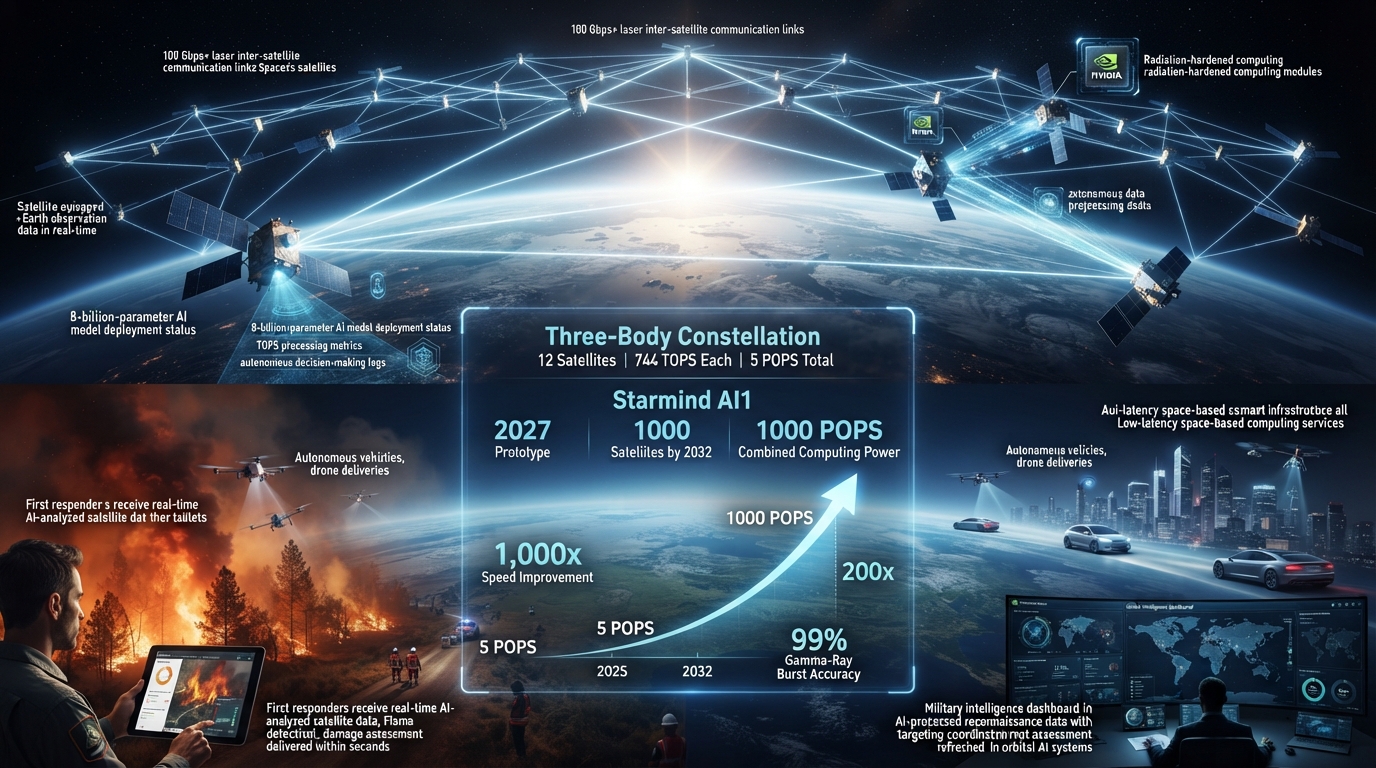
Supercomputers in Orbit: The New Frontier of Space-Based AI
Introduction: From Space-Based Sensors to Orbital Intelligence The next phase of the space race may not be defined by who launches the most satellites, but by who can make those satellites think fastest. For decades, space systems have followed a fundamentally asymmetric architecture: satellites collect enormous quantities of imagery, signals, scientific measurements and telemetry, while…
-

The Global Race for Space-Based Quantum Sensors: Revolutionizing Earth Intelligence, Space Exploration, and Strategic Security
Introduction: Quantum Sensors Become the Next Strategic Space Race The global competition for technological leadership in space is entering a new phase. After decades dominated by launch vehicles, satellite constellations, and communications infrastructure, attention is rapidly shifting toward space-based quantum sensing—a technology capable of measuring gravity, magnetic fields, acceleration, and time with accuracies previously thought…
-

The Memory Revolution: How Next-Generation Memory Technologies Are Enabling AI Supremacy, Defense Dominance, and Speed-of-Light Computing
The Strategic Context: Memory Has Become the New Battlefield of the AI Age Artificial intelligence has fundamentally changed the global semiconductor race. For decades, advances in computing were largely driven by faster processors, shrinking transistor sizes, and increasingly sophisticated chip architectures. Today, however, the primary constraint on computational performance is no longer processing power alone—it…
-
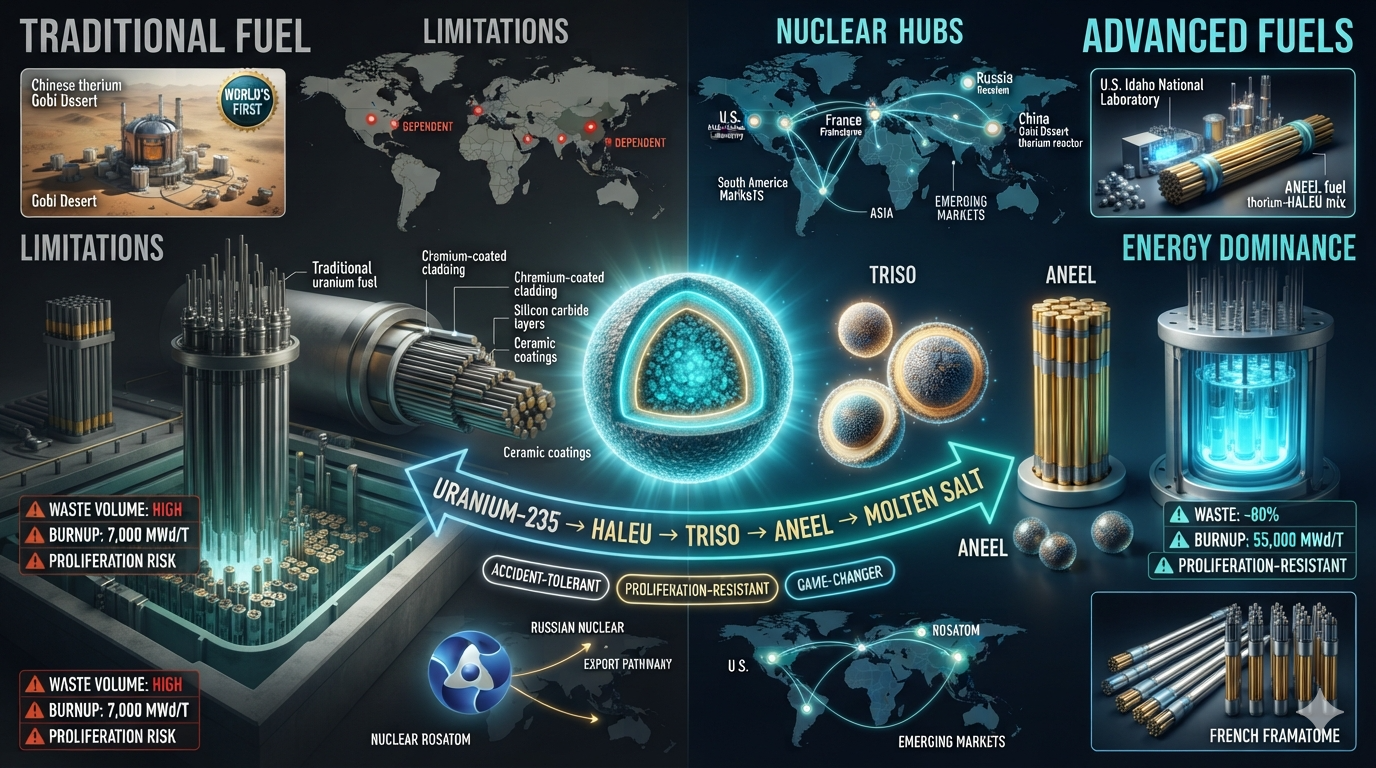
Advanced Nuclear Fuels: How the United States, China, Russia, and Allies Are Reshaping Energy Security, Military Power, and Global Nuclear Leadership
Introduction: The Strategic Race to Control the Future of Nuclear Energy The global race for advanced nuclear fuels has evolved far beyond the pursuit of cleaner electricity. It has become a contest over energy security, technological leadership, industrial competitiveness, military resilience, and geopolitical influence. As nations accelerate decarbonization while simultaneously confronting rising electricity demand from…
-
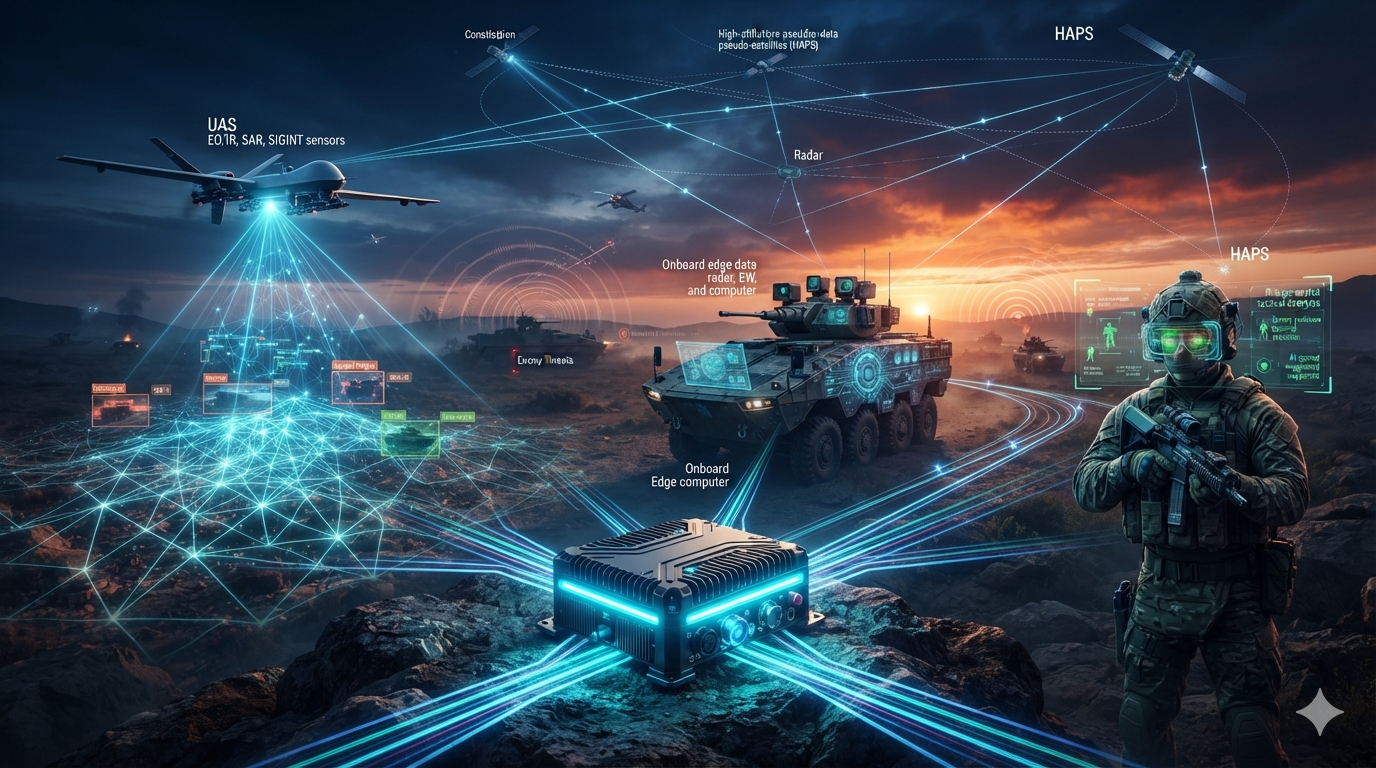
Eyes on the Edge: How AI-Driven Sensor Processing Is Reshaping the Future Battlefield
Introduction: From Data Deluge to Decision Dominance Modern warfare is no longer constrained by the availability of information—it is constrained by the ability to process it fast enough to influence the fight. Every military operation now generates an unprecedented volume of data from satellites, synthetic aperture radar, electronic warfare systems, unmanned aircraft, naval platforms, ground…
Related Domains & Cross-Cutting Themes
Defense • Security • Industry & Markets • Strategy & Governance
Explore the Space Technology, Defense & Exploration Magazine →