
Electronics and sensors form the sensing, decision-making, and electromagnetic nervous system of modern military and technological power. From radars, electro-optical sensors, and electronic intelligence systems to jammers, electronic attack platforms, and advanced signal processing technologies, control of the electromagnetic spectrum is increasingly critical to achieving situational awareness, precision targeting, force protection, and information superiority. As warfare becomes more networked, autonomous, and data-driven, advances in sensing, electronic warfare, spectrum operations, and signal intelligence are reshaping the balance between detection and concealment, creating new opportunities and challenges across air, land, sea, space, and cyber domains.
IDST Intelligence Briefings
Radar systems, electronic attack and protection, spectrum dominance, sensor fusion, and counter-measure technologies.
Why This Magazine Exists
The electromagnetic spectrum is increasingly congested, contested, and strategically vital. This sub-magazine examines the technologies that enable forces to sense, detect, track, deceive, disrupt, and survive in complex operational environments, providing technical and strategic insights into the evolving worlds of sensors, electronic warfare, spectrum operations, and electromagnetic dominance.
What We Track
- Radar and sensing technologies
- Electronic attack, protection, and counter-measures
- Spectrum management and contested environments
- Sensor fusion and data integration
- EW integration with air, land, and naval systems
Latest Analysis & Intelligence
-

DARPA’s Microsystem Electricity Generation (MEG): Turning Waste Heat into Power for the Next Generation of Military AI and Semiconductor Systemsa
Introduction: Transforming Thermal Waste into Strategic Power The exponential growth of artificial intelligence, advanced semiconductor manufacturing, and autonomous defense systems is creating an unprecedented energy challenge. Every modern processor—from AI accelerators inside hyperscale data centers to mission computers aboard fighter aircraft, satellites, autonomous drones, and missile systems—converts nearly all of its electrical power into heat.…
-

Beyond GPS: How AI, Quantum Technologies, and Autonomous Robotics Are Revolutionizing Deep Space Navigation
Introduction: Navigation as the Foundation of the New Space Age As humanity prepares to establish a sustained presence beyond Earth, navigation has become one of the most strategically important enabling technologies of the modern space era. NASA’s Artemis campaign is laying the foundation for permanent lunar exploration, China is expanding its International Lunar Research Station…
-

Securing Military AI: DARPA SABER and the Race to Build Trusted Battlefield Artificial Intelligence
Introduction: Strategic Context Artificial intelligence has rapidly evolved from a decision-support capability into a core element of modern military power. Across contemporary battlefields, AI now enables autonomous drones, unmanned ground vehicles, precision targeting, electronic warfare, intelligence analysis, logistics optimization, missile defense, and multi-domain command-and-control. The conflicts in Ukraine, the Middle East, and the Indo-Pacific have…
-

Deploying Advanced AI at the Tactical Edge: Overcoming the Challenges of Real-Time Intelligence for Defense, Autonomous Systems, and National Security
Introduction: The New Battlespace for Artificial Intelligence Artificial intelligence is rapidly transforming modern military operations, industrial automation, and autonomous systems, but its greatest impact is emerging far from cloud data centers. The future battlespace increasingly depends on AI operating directly at the tactical edge—aboard unmanned aircraft, autonomous ground vehicles, naval platforms, satellites, wearable soldier systems,…
-
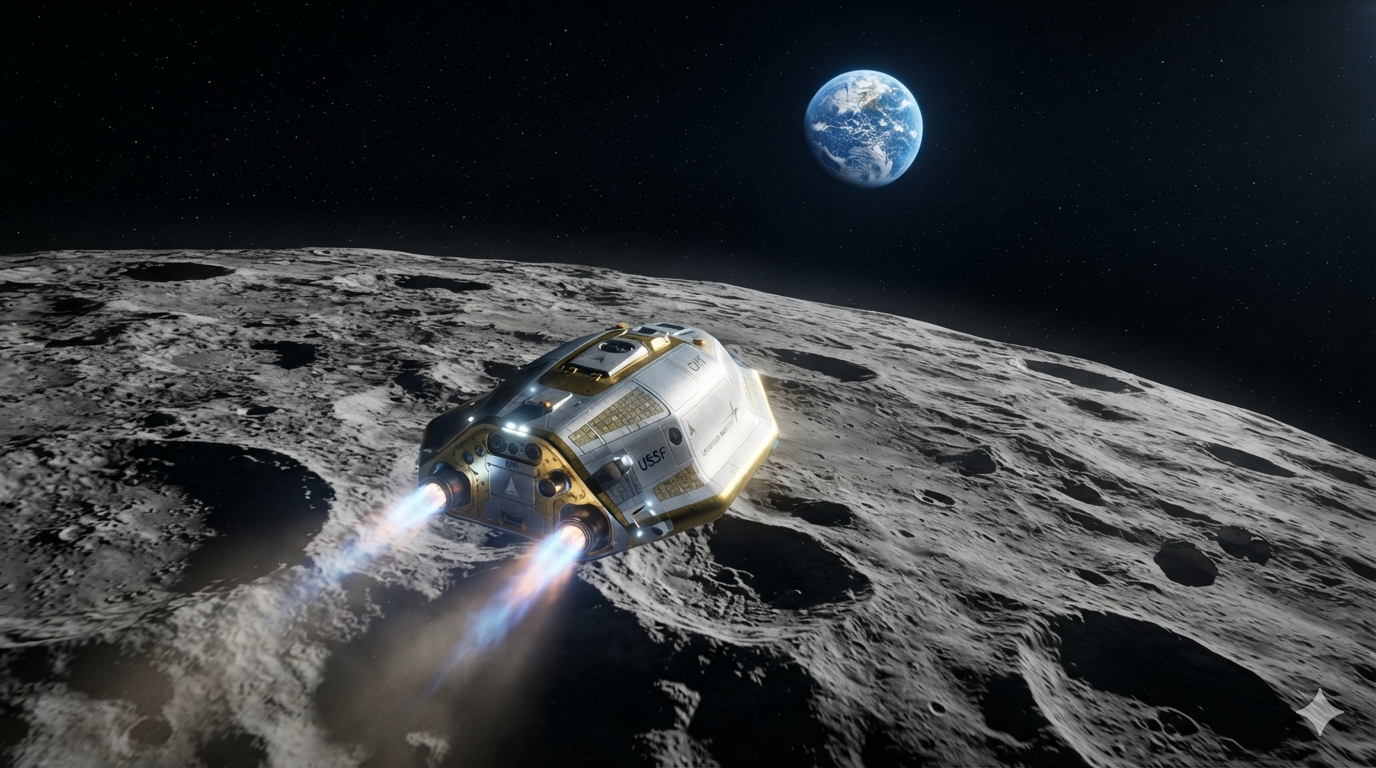
DARPA’s LASSO Program: Building the Space Force’s Cislunar Intelligence Network for the New Lunar Economy
Introduction: Cislunar Space Emerges as the Next Strategic High Ground The strategic competition that once centered on Low Earth Orbit (LEO) and Geostationary Earth Orbit (GEO) is rapidly expanding into cislunar space—the vast region extending from Earth orbit to the Moon. Driven by NASA’s Artemis program, China’s International Lunar Research Station (ILRS), commercial lunar ventures,…
-
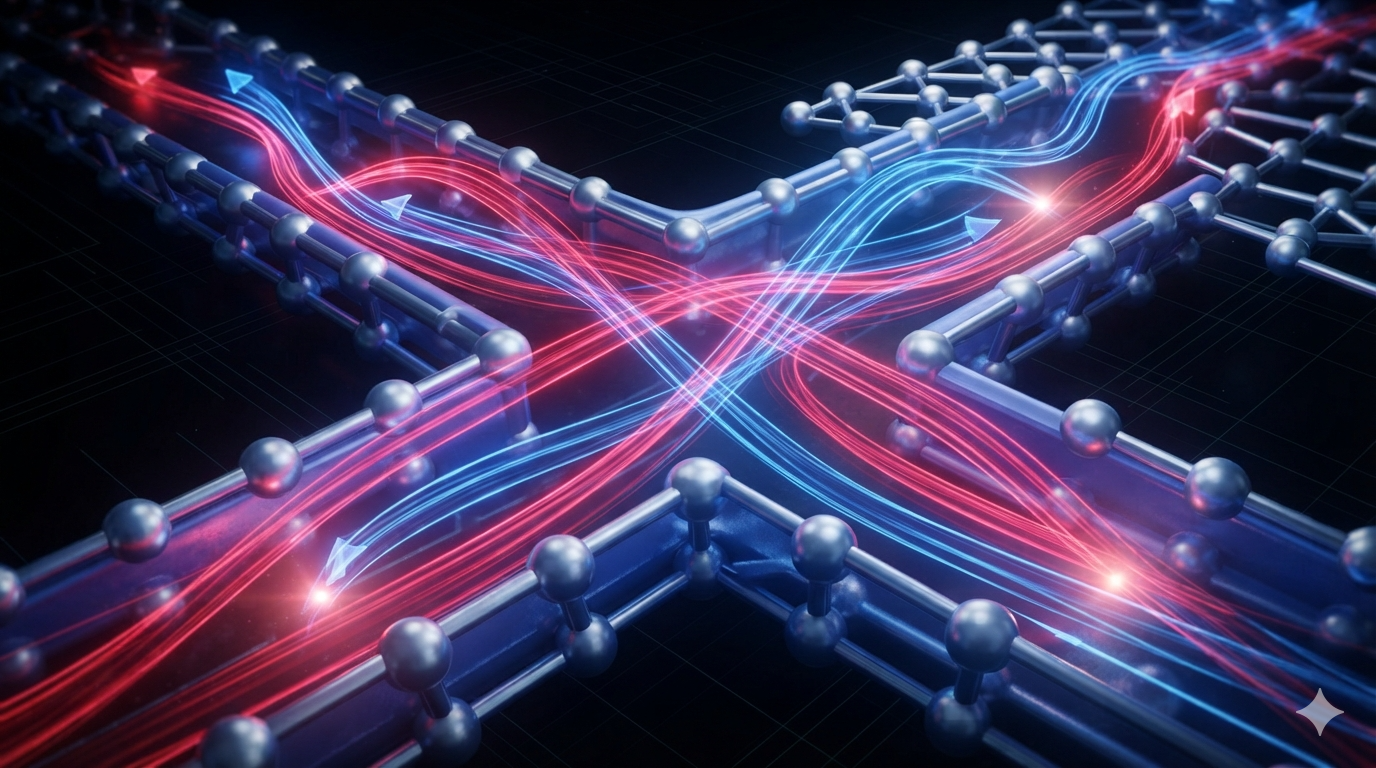
Spintronic Materials: The Quantum Foundation of AI Computing, Defense Electronics, and the Post-CMOS Semiconductor Revolution
Strategic Context: Why Spintronic Materials Have Become a New Arena of Great Power Competition The global semiconductor industry is approaching one of the most significant technological transitions since the invention of the transistor. For more than half a century, advances in computing have relied on shrinking CMOS transistors in accordance with Moore’s Law. Today, however,…
-
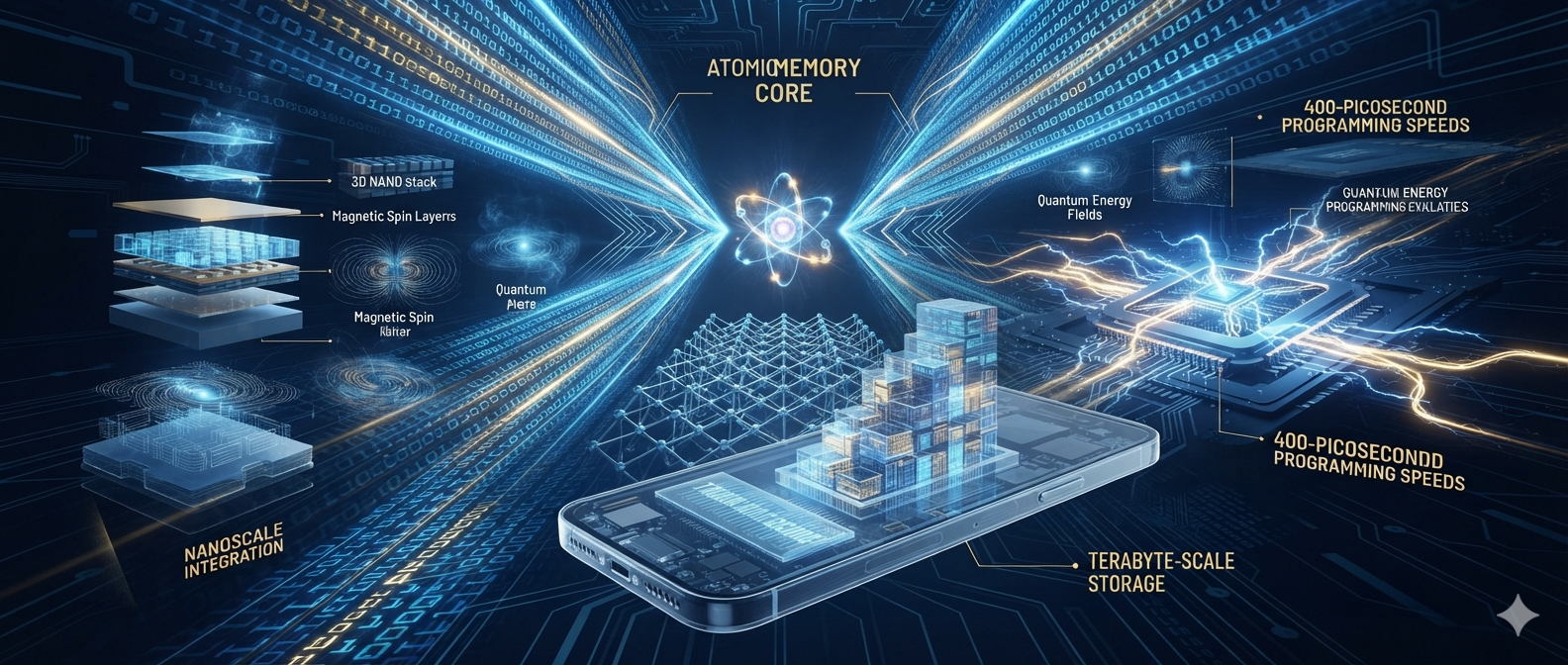
The Memory Revolution: How Next-Generation Memory Technologies Are Enabling AI Supremacy, Defense Dominance, and Speed-of-Light Computing
The Strategic Context: Memory Has Become the New Battlefield of the AI Age Artificial intelligence has fundamentally changed the global semiconductor race. For decades, advances in computing were largely driven by faster processors, shrinking transistor sizes, and increasingly sophisticated chip architectures. Today, however, the primary constraint on computational performance is no longer processing power alone—it…
Related Domains & Cross-Cutting Themes
Air and naval systems, cyber operations, AI-enabled sensing, communications resilience, and platform survivability.
Ethics, governance, and technology control
Industrial scaling and supply-chain constraints
Human–machine teaming and trust
Interoperability across platforms and institutions
Export controls and technological rivalry
Explore the Critical & Emerging Technologies Magazine →
Explore the Industry, Markets & Supply Chains Magazine →
Explore the Space Technology, Defense & Exploration Magazine →