
Unmanned and autonomous systems are redefining how missions are conducted across air, land, maritime, and subsurface environments. Their strategic value lies not only in removing humans from danger, but in enabling persistence, scale, and operational flexibility.
IDST Intelligence Briefings
UAVs, UGVs, USVs, UUVs, swarm concepts, autonomy stacks, and mission control architectures.
Why This Magazine Exists
Autonomous systems are moving from niche capabilities to central elements of military, security, and commercial operations. This sub-magazine examines the technologies, concepts, and strategic implications driving autonomy—from AI-enabled drones and robotic swarms to unmanned maritime and ground systems—while assessing their impact on operational effectiveness, deterrence, and future force structures.
What We Track
- Autonomy levels and control architectures
- Swarming and cooperative behavior
- Navigation, perception, and resilience
- Integration with manned platforms
Latest Analysis & Intelligence
-
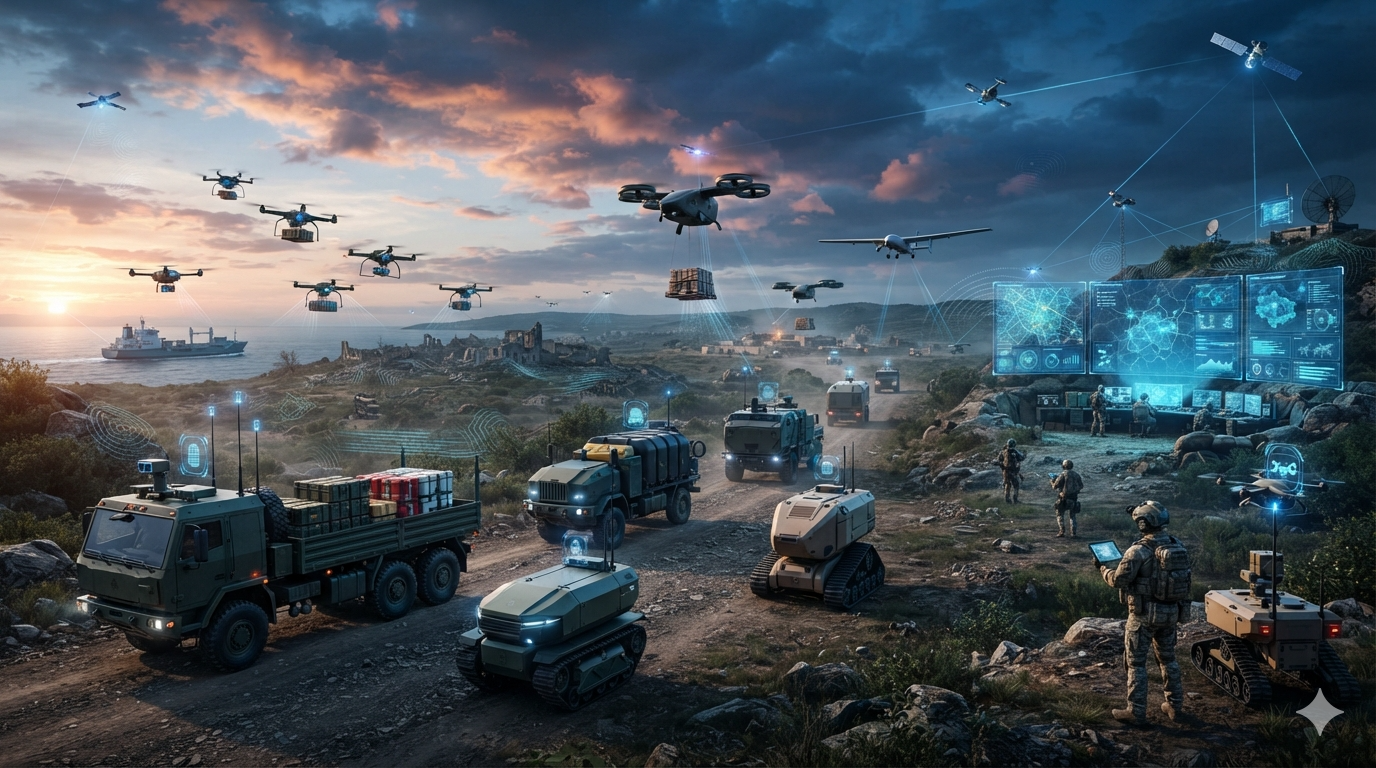
Securing Military AI: DARPA SABER and the Race to Build Trusted Battlefield Artificial Intelligence
Introduction: Strategic Context Artificial intelligence has rapidly evolved from a decision-support capability into a core element of modern military power. Across contemporary battlefields, AI now enables autonomous drones, unmanned ground vehicles, precision targeting, electronic warfare, intelligence analysis, logistics optimization, missile defense, and multi-domain command-and-control. The conflicts in Ukraine, the Middle East, and the Indo-Pacific have…
-
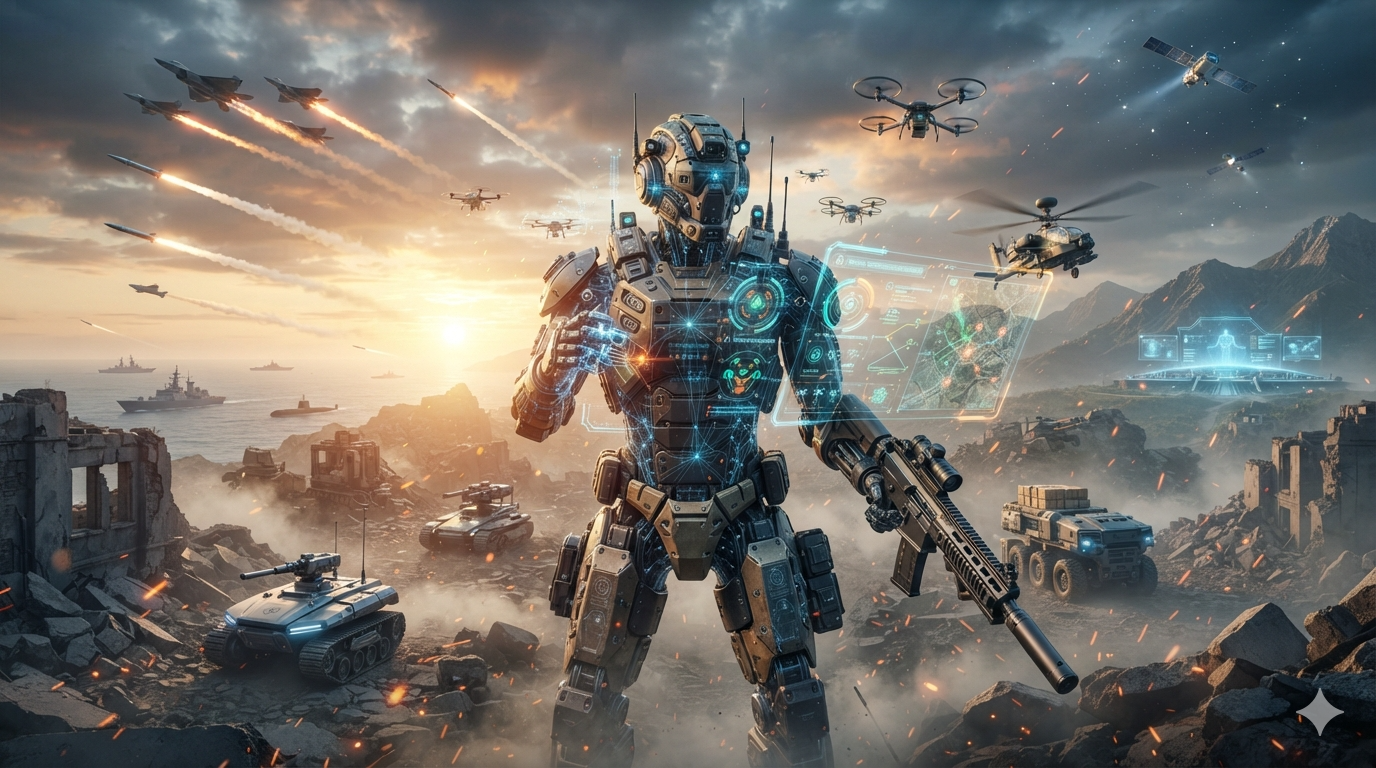
Humanoid Military Robots: The Race to Build the AI Soldier of the Future
Introduction: The Dawn of Embodied Warfare Artificial intelligence is rapidly evolving beyond software into the physical world, creating what many experts describe as the next revolution in military technology: embodied AI. For decades, militaries have relied on unmanned aerial vehicles, autonomous underwater vehicles, and ground robots designed for specialized missions. The next generation of defense…
-
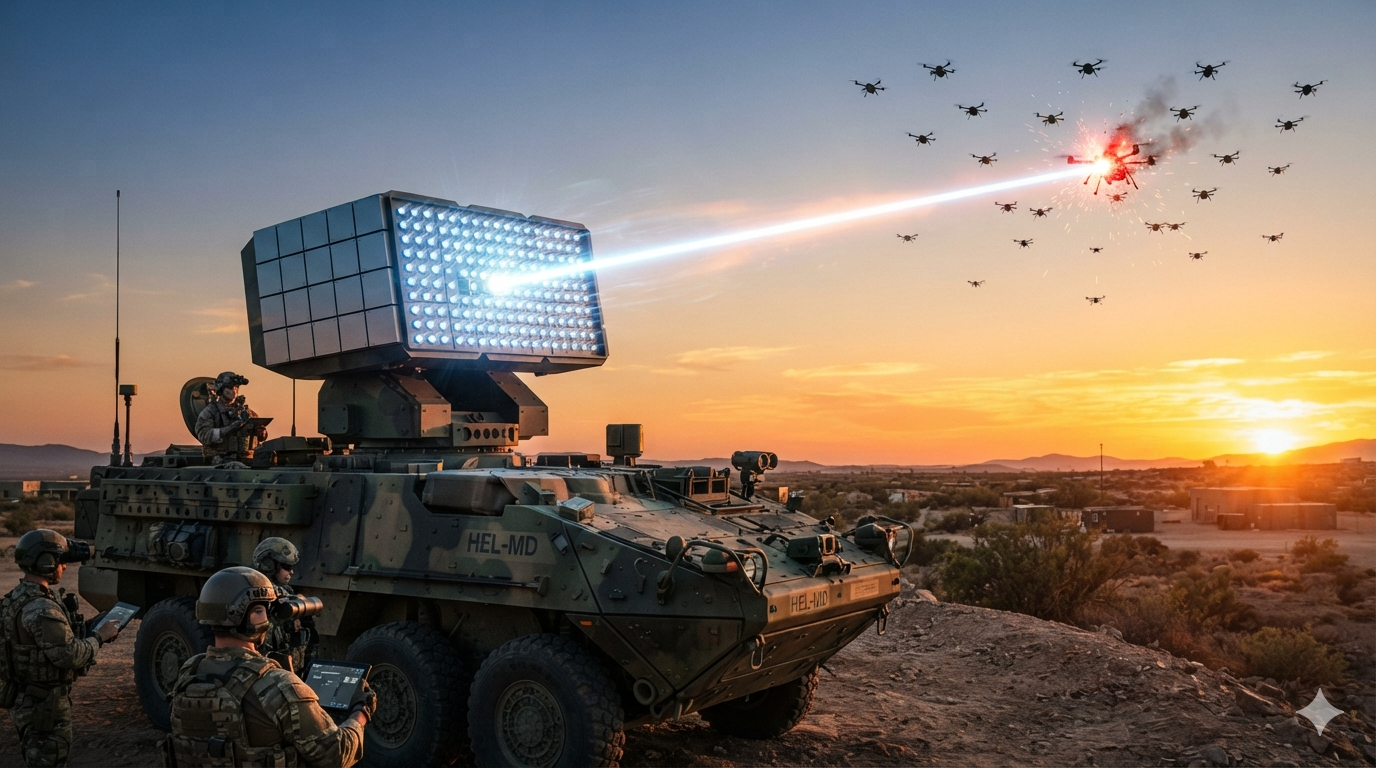
DARPA’s MELT Program: Scaling High-Energy Laser Weapons for the Drone Swarm Era
Introduction: Directed Energy Becomes a Strategic Imperative The character of modern warfare is being reshaped by the rapid proliferation of inexpensive drones, autonomous swarms, loitering munitions, and cruise missiles. From Ukraine and the Red Sea to the Middle East and Indo-Pacific, military forces are confronting an increasingly unfavorable cost equation where intercepting a $5,000 drone…
-
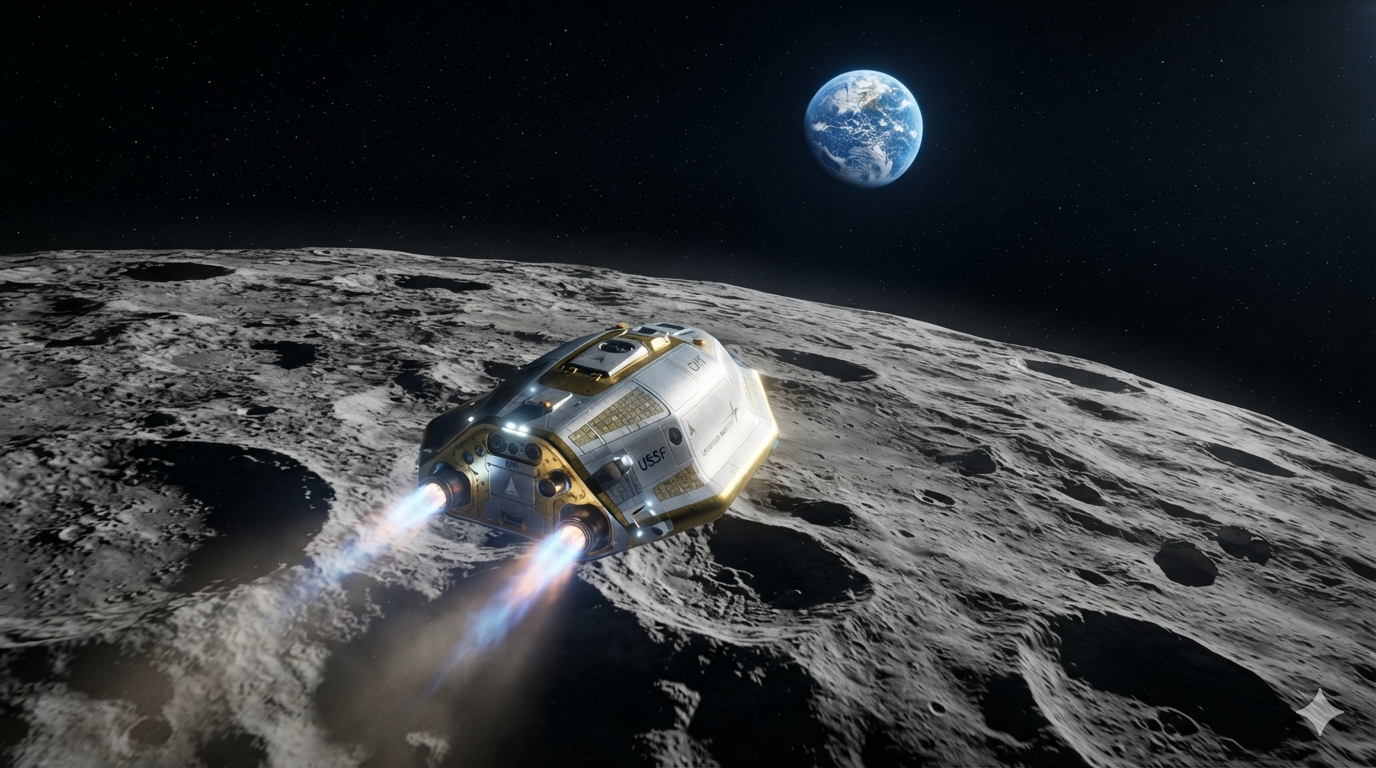
DARPA’s LASSO Program: Building the Space Force’s Cislunar Intelligence Network for the New Lunar Economy
Introduction: Cislunar Space Emerges as the Next Strategic High Ground The strategic competition that once centered on Low Earth Orbit (LEO) and Geostationary Earth Orbit (GEO) is rapidly expanding into cislunar space—the vast region extending from Earth orbit to the Moon. Driven by NASA’s Artemis program, China’s International Lunar Research Station (ILRS), commercial lunar ventures,…
-

The Earth–Moon Information Superhighway: China’s Cislunar Network and the Race for Strategic Space Dominance
Introduction: Cislunar Space Becomes the New Strategic High Ground The global space race has entered a new phase. Success is no longer determined simply by landing astronauts on the Moon or launching larger rockets, but by controlling the digital infrastructure that will connect, navigate, monitor, and sustain human and robotic activity throughout cislunar space. Just…
-

Beyond Touchscreens: Advanced Haptic Technologies Reshaping Human–Machine Interaction, Defense Systems, and the Future Battlefield
Introduction: The Strategic Rise of Haptics in the AI Era The next revolution in human-machine interaction will not be driven solely by artificial intelligence or augmented reality—it will be driven by the ability of machines to communicate through touch. As digital systems become increasingly autonomous, distributed, and immersive, tactile feedback has emerged as a critical…
-
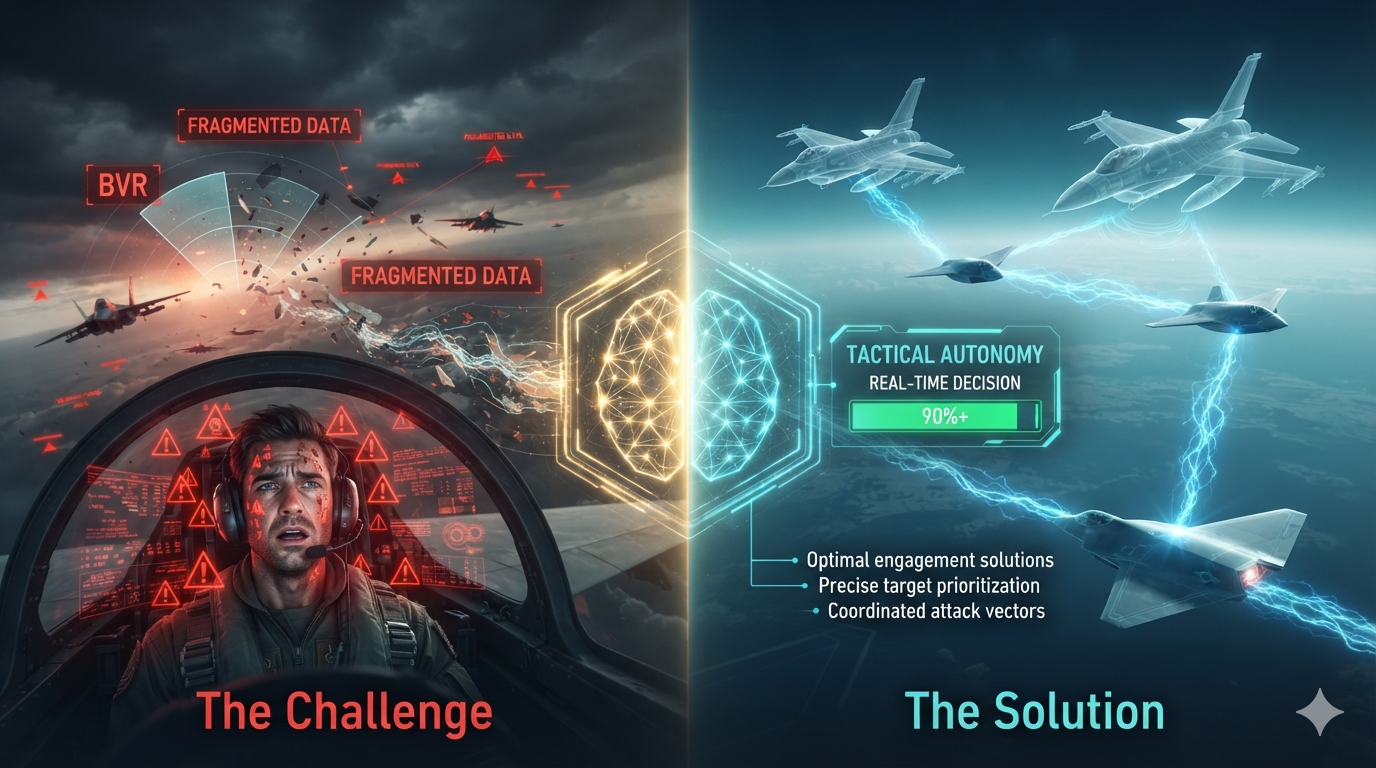
Beyond Human Reaction: How DARPA’s AIR Program Is Building AI for the Future of Beyond-Visual-Range Air Combat
Modern air superiority is no longer determined solely by aircraft performance, stealth characteristics, or missile range. Increasingly, victory depends on which side can observe first, understand the tactical picture fastest, coordinate distributed assets most effectively, and make engagement decisions before the adversary. As advanced sensors, long-range missiles, electronic warfare systems, and collaborative unmanned aircraft compress…
Related Domains & Cross-Cutting Themes
Industrial capacity and supply chains
Cyber-physical security
Climate, geography, and environmental stress
Human-machine coordination
System survivability under disruption
Explore the Critical & Emerging Technologies Magazine →
Explore the Industry, Markets & Supply Chains Magazine →
Explore the Space Technology, Defense & Exploration Magazine →