

Synthetic biology is the application of science, technology and engineering to facilitate and accelerate the design, manufacture and/or modification of genetic materials in living organisms, as defined by the European Commission. It envisions the redesign of natural biological systems for greater efficiency, as well as create new organisms as well as molecules with desired bio-attributes. Among the potential applications of this new field is the creation of bioengineered microorganisms (and possibly other life forms) that can produce pharmaceuticals, detect toxic chemicals, break down pollutants, repair defective genes, destroy cancer cells, and generate hydrogen for the post petroleum economy.
To date, achievements in the field include creating engineered trees for fire resistant timber, yeast which can produce biofuel, and synthetic gut microbes that could be used to detect the early signs of disease.
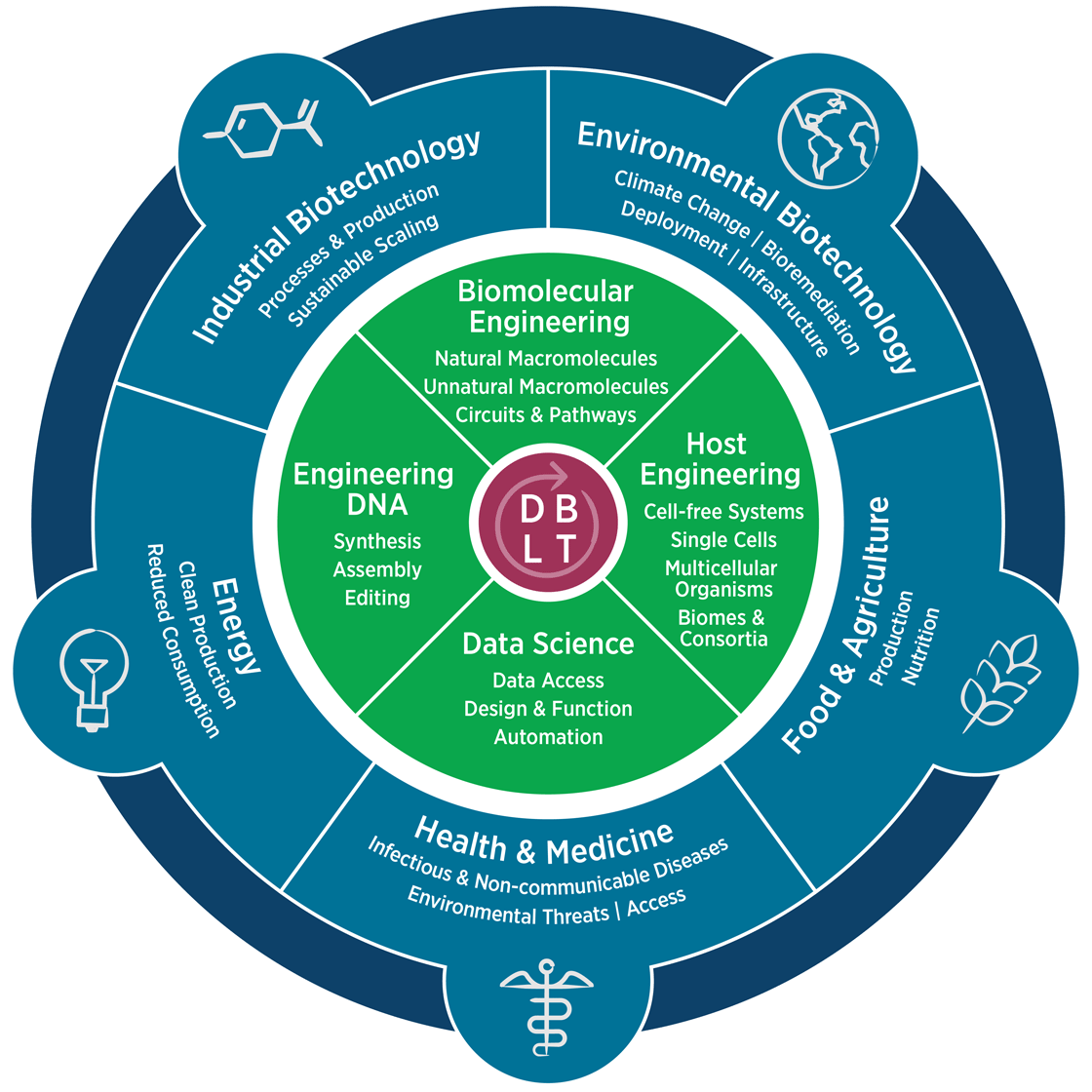
The latest roadmap, published by the US Engineering Biology Research Consortium (EBRC), is a consensus of more than 80 scientists and engineers from a range of disciplines, representing more than 30 universities around the world and 12 companies.
Professor Paul Freemont, Head of the Section of Structural Biology in the Department of Medicine at Imperial, member of EBRC and co-author of the roadmap, said: “We believe this roadmap will firmly set the research strategy for the whole synthetic biology field for at least the next 10 years. It is a major achievement.”
“The roadmap has several audiences,” Howard Salis, associate professor of biological engineering and chemical engineering at Penn State said. “Federal agencies looking to fund the most important areas of biotech research; industrial, medical and agricultural biotech companies who wish to anticipate future developments; and emerging faculty looking to prioritize their research.”
The roadmap will serve to guide these investments not only to improve our food supply, public health and environment, but to fuel the economy and maintain America’s leadership in synthetic biology. It stresses the importance of coordinated efforts among researchers, funding agencies, policymakers, government organizations and other stakeholders to fully realize the field’s potential.