Not all technologies, platforms, or doctrines are equal—and context determines value. This sub-magazine delivers disciplined, criteria-driven comparisons to assess what works, what doesn’t, and why.
IDST Intelligence Briefings
Side-by-side system comparisons, performance envelopes, cost–capability trade-offs, and operational relevance.
Why This Sub-Magazine Exists
Marketing narratives, national bias, and hype distort perception. This sub-magazine exists to apply structured evaluation frameworks grounded in operational reality and constraints.
What We Track
- Performance vs mission fit
- Cost, sustainment, and scalability
- Export vs domestic configurations
- Maturity, readiness, and upgrade paths
Latest Analysis & Intelligence
-

China’s AG600 “Kunlong” Enters Mass Production, Accelerating PLA Amphibious Capabilities
Strategic Milestone Achieved China has reached a significant milestone in military aviation with the mass production of the AG600 “Kunlong” amphibious aircraft. Developed by the Aviation Industry Corporation of China (AVIC), the AG600 received its production certification from the Civil Aviation Administration of China in April 2025. This certification marks a turning point in China’s…
-

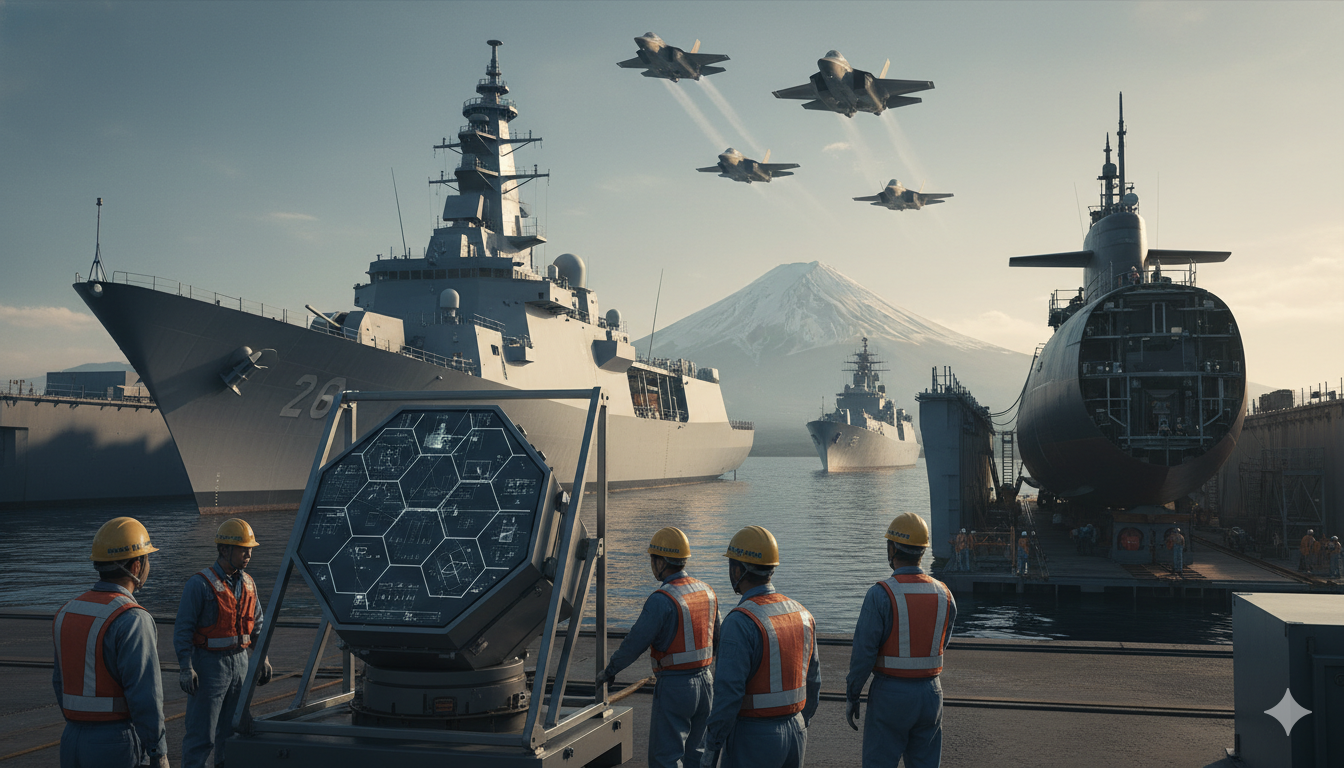
Japan’s thrust on indigenous Defense capability and defense cooperation : Rising to Regional Security Challenges
As geopolitical tensions continue to escalate in the Indo-Pacific, Japan is taking decisive steps to bolster its national defense and assert its strategic presence. The year 2025 marks a transformative period for Japan’s Self-Defense Forces (SDF), characterized by increased defense spending, deeper international collaborations, and enhanced regional security initiatives. These moves are primarily in response…
-
China’s Ambitious Cybersecurity Strategy: Building Capabilities to Dominate the New Cyberspace Battlefield
As the digital age progresses, cyberspace has emerged as the fifth domain of warfare, alongside land, sea, air, and space. Governments worldwide are investing heavily in cyber capabilities, but few nations have pursued this objective with the fervor and strategic intent of China. With its eyes firmly set on becoming a global cyber superpower, China…
-
NCSC Assessment: Evaluating the Impact of Artificial Intelligence on Cyber Threats
As the digital landscape continues to evolve, the intersection of artificial intelligence (AI) and cybersecurity emerges as a focal point for policymakers and security experts alike. The National Cyber Security Centre (NCSC) Assessment (NCSC-A) provides invaluable insights into the evolving cyber threat landscape, particularly concerning the potential impact of AI on cyber operations. The recent…
-
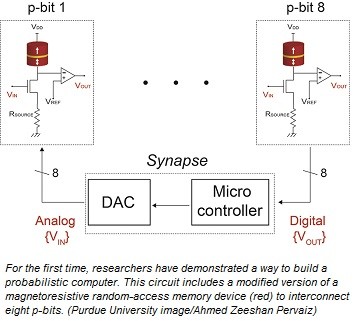
Probabilistic Computing Can Lead to Breakthroughs In Artificial Intelligence and military situation assessment
It may still be decades before quantum computers are ready to solve problems that today’s classical computers aren’t fast or efficient enough to solve, but the emerging “probabilistic computer” could bridge the gap between classical and quantum computing. Our minds are able to explore vast spaces of possible thoughts, perceptions, and explanations, and identify…
-
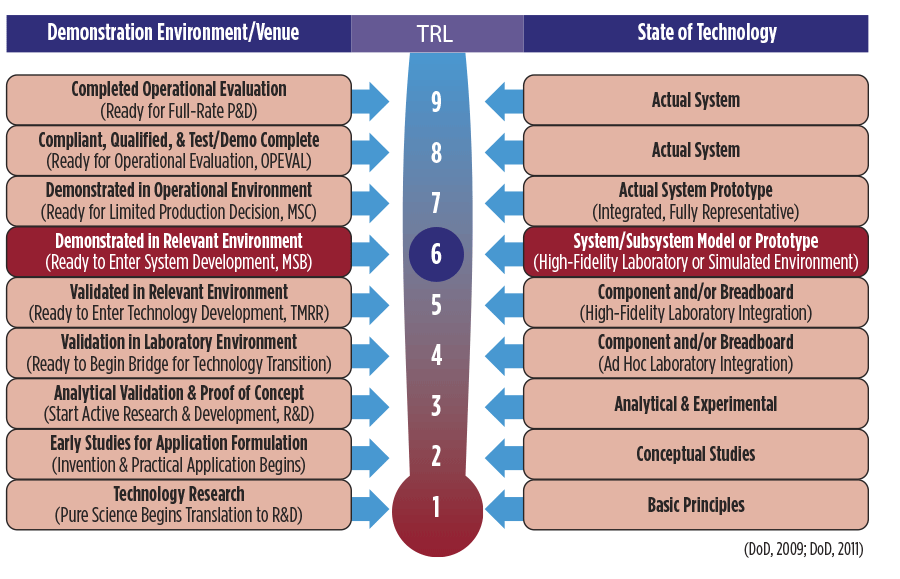
US DOD Technology Readiness Assessment (TRA) based risk assessment methodology stress on System Prototype Demonstrations in Major Defense Acquisition Programs
Federal agencies spend billions of dollars each year to develop, acquire, and build major systems, facilities, and equipment, including fighter aircraft, nuclear waste treatment facilities, electronic baggage screening equipment, and telescopes for exploring the universe. Managing these complex acquisitions has been a long-standing challenge for federal agencies.Many of the government’s most costly and complex acquisition efforts require the development of cutting-edge…
-
U.S. Intelligence Community’s statement on Worldwide Threat Assessment for 2016
U.S. Senate Select Committee on Intelligence held a hearing on “Current and projected national security threats to the U.S” from Director of National Intelligence, James R. Clapper. The fast and radical change in the world and our threat environment is demanding reevaluations of the way we do business, expanding our analytic envelope, and altering the…

Related Domains & Cross-Cutting Themes
Defense • Security • Industry & Markets • Strategy & Governance
Explore the Space Technology, Defense & Exploration Magazine →