Synthetic and Sustainable Aviation fuels (SAF)
A big push has been to increase the efficiency of aircraft engines, mainly to make them go faster, to fly higher and use less fuel. Now a new concern has come to the fore, that of environment. We have…
A big push has been to increase the efficiency of aircraft engines, mainly to make them go faster, to fly higher and use less fuel. Now a new concern has come to the fore, that of environment. We have…
There are three major launch types for spacecraft: vertical takeoff, horizontal takeoff, and air launch. The cost of launching into space is often measured by the change in velocity required to reach the destination orbit, known as delta-v or Δv.…
A typical passenger vehicle emits about 4.6 metric tons of carbon dioxide per year. This assumes the average gasoline vehicle on the road today has a fuel economy of about 22.0 miles per gallon and drives around 11,500 miles per…
In the history of spaceflight, almost all spacecraft have been manufactured and assembled on the ground, then integrated into a launch vehicle for delivery into orbit. This approach imposes significant limitations on the size, volume, and design of payloads that…

The civil global aviation market has experienced considerable economic growth in recent years and will keep increasing. It is estimated that around 1300 new international airports will be required, and the commercial aircraft fleet will double by 2050, with a…
A typical passenger vehicle emits about 4.6 metric tons of carbon dioxide per year. This assumes the average gasoline vehicle on the road today has a fuel economy of about 22.0 miles per gallon and drives around 11,500 miles per…
Energy storage is becoming increasingly important to the power industry. Lithium-ion battery technology has been implemented in many locations, but flow batteries offer significant benefits in long-duration usage applications and situations that require regular cycling throughout the day. With…
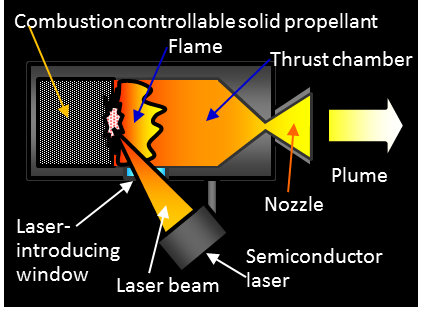
The function of the propulsion system is to produce thrust, which is the force that moves a rocket through air and space. Different propulsion systems generate thrust in different ways, but always through some application of Newton’s third law of…
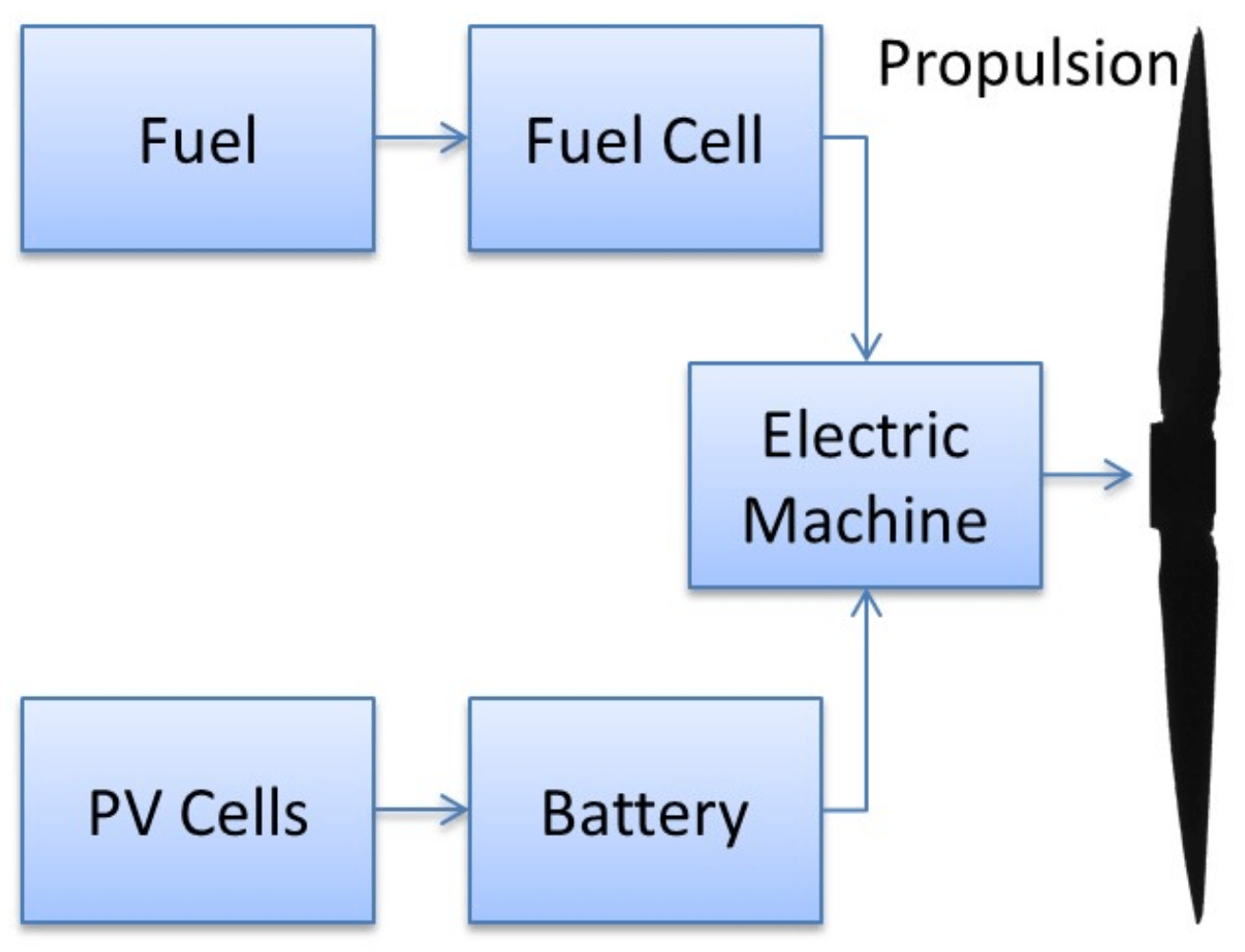
The employment of UAVs by various industries and in Defense and Security missions are enabled by their propulsion system to provide them with the necessary power to propel the aircraft for forward flight or hover. Propulsion systems can advance the…

Marine propulsion is the mechanism or system used to generate thrust to move a a naval vessel across water. At present, 90% of the sea-going naval ship are diesel-powered. There are numerous benefits to electric motor propulsion including that it’s…