Modern military, security, and industrial capabilities do not fail because of individual components—they fail at interfaces, integration points, and architectural constraints. This sub-magazine analyzes complex systems as complete architectures rather than isolated parts.
IDST Intelligence Briefings
System-of-systems analysis, integration challenges, design trade-offs, lifecycle constraints, and resilience assessment
Why This Sub-Magazine Exists
Most analysis isolates individual components. Real-world performance, however, is shaped by interfaces, integration logic, and architectural constraints. This sub-magazine exists to expose those deeper structural realities.
What We Track
- System integration and interoperability
- Architectural bottlenecks and dependencies
- Modularity vs monolithic design choices
- Reliability, redundancy, and failure modes
Latest Analysis & Intelligence
-
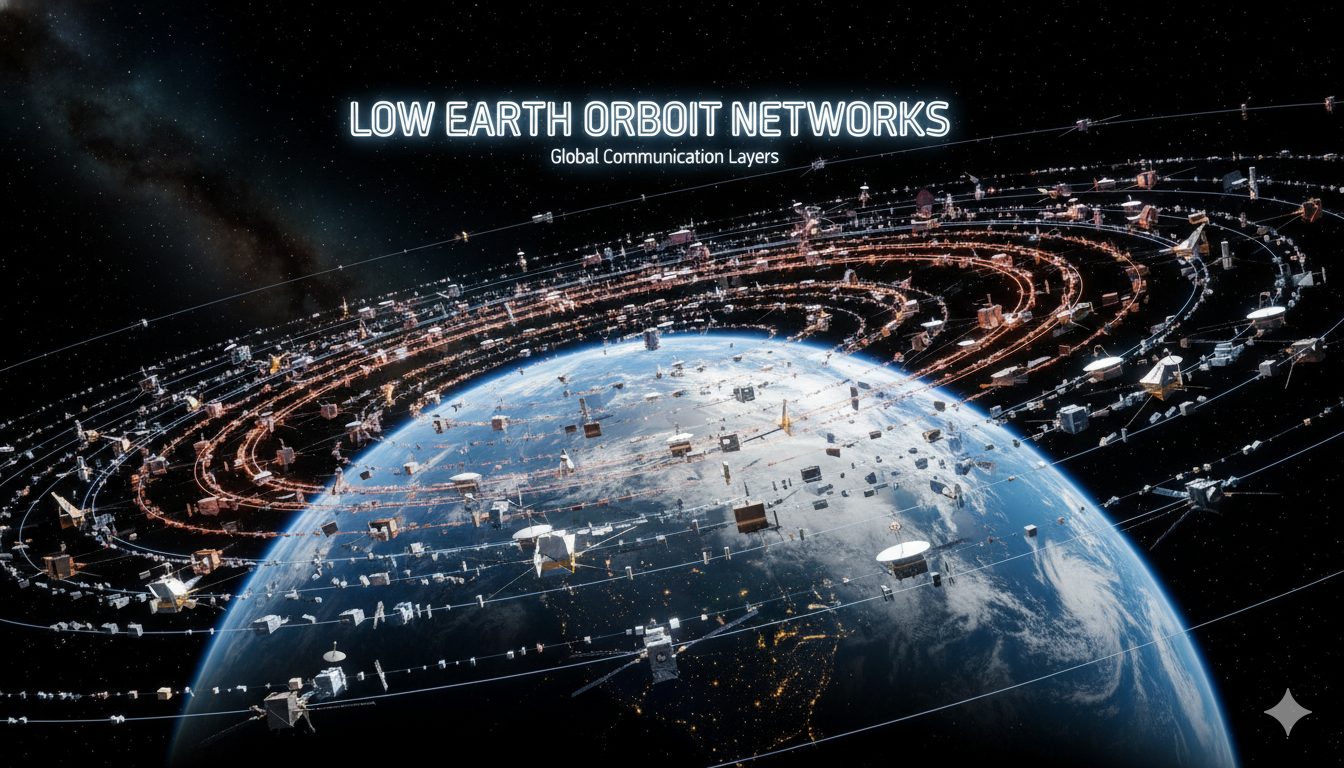
Satellite Constellations: A New Architecture for Space
Satellite Constellations: The New Architecture of Space A deep look into how vast networks of small satellites are revolutionizing communication, defense, and exploration — building the backbone of a connected and resilient space future. Introduction: A New Orbital Era Satellite constellations—networks of multiple satellites operating in coordinated orbits—are revolutionizing how we observe, communicate, and interact…
-
Multi-Domain Advancements in Sensor Architectures and Electronic Warfare: The Future of Air Force Battle Management
Modern warfare is evolving rapidly, with conflicts extending beyond traditional battlefields into the cyber, space, and electromagnetic spectrum (EMS) domains. To maintain superiority, the U.S. Air Force is accelerating efforts to enhance its Advanced Battle Management System (ABMS)—a core component of the Pentagon’s Combined Joint All-Domain Command and Control (CJADC2) strategy. The objective is clear:…
-

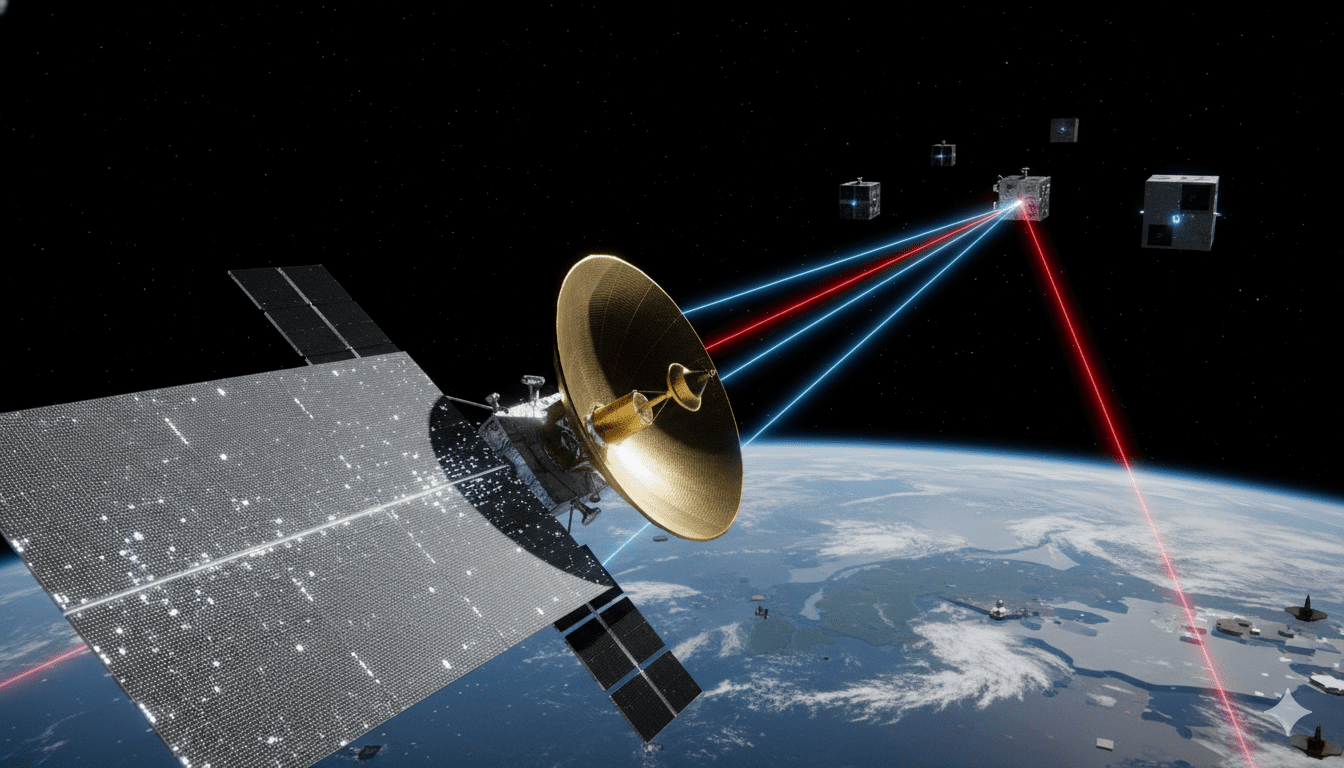
Antenna Technologies Shaping the Future of Space-Based Communications
Antenna Technologies Shaping the Future of Space-Based Communications From Earth to deep space, antennas are the invisible infrastructure powering tomorrow’s communication networks. Space-based communications have revolutionized how we connect, navigate, and explore. The realm of space-based communications is undergoing a significant transformation, driven by advancements in antenna technologies. From enabling high-speed data transfer across vast distances…
-
Hybrid Propulsion in Military Land Vehicles: The Future of Armored Mobility
Hybrid Military Vehicles: Quiet, Powerful, and Ready for Future Combat Discover how hybrid propulsion is revolutionizing armored warfare with stealth, efficiency, and future-ready tech. Modern military operations demand armored vehicles that are not only heavily protected and armed but also fuel-efficient, stealthy, and adaptable to evolving battlefield conditions. While traditional diesel engines have long powered…
-
Satellite Constellation Management: Navigating Complexity in the Orbital Era
As satellite constellations grow in scale and complexity, managing fleets of dozens, hundreds, or even thousands of spacecraft in orbit has become one of the most demanding tasks in the space industry. From enabling global broadband access to monitoring environmental changes, satellite constellations are revolutionizing how we connect, observe, and understand our world. But behind…
-
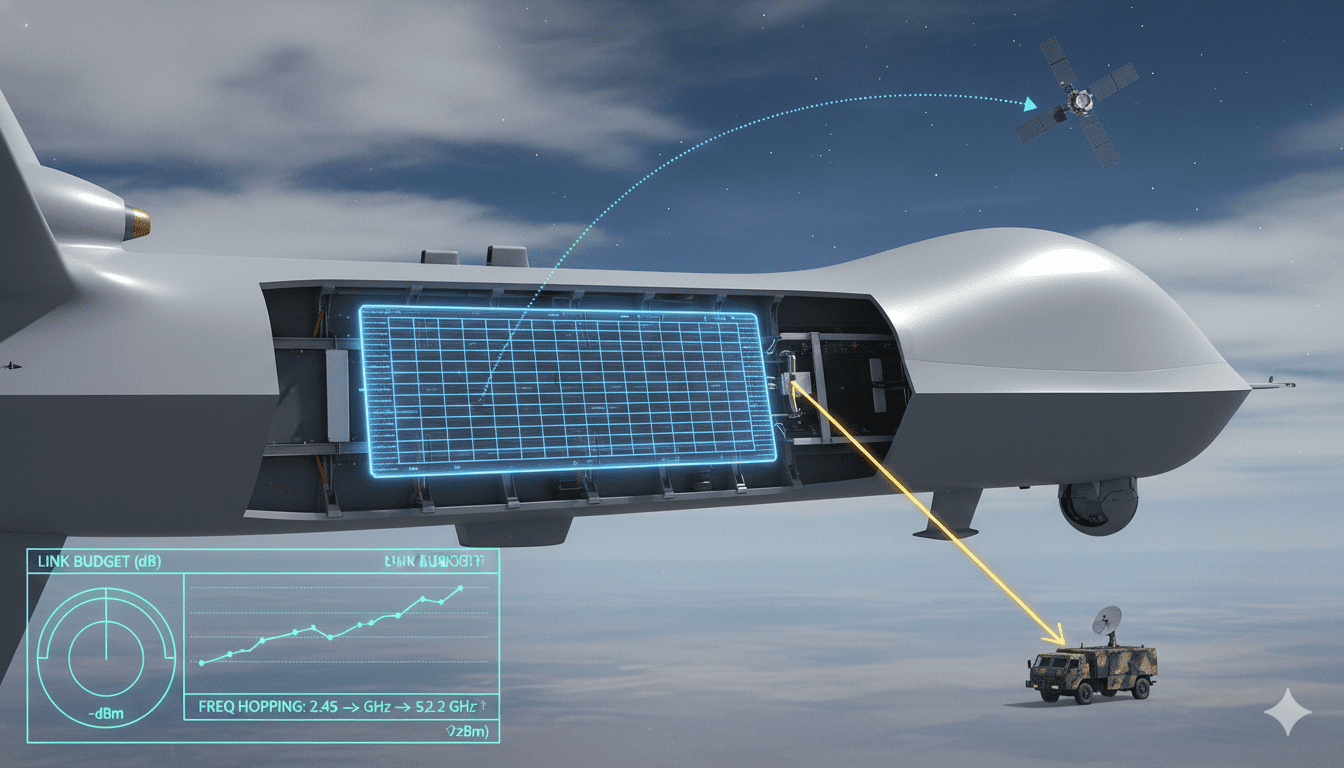
Enhancing UAV Operations with Embedded Tracking Antenna and Control Systems
In recent years, there has been growing interest in using airborne platforms, especially unmanned aerial vehicles (UAVs), for various real-time applications such as military reconnaissance, disaster monitoring, border patrol, and airborne communication networks. UAVs carry out a variety of military and civilian missions including surveillance, target recognition, battle damage assessment, electronic warfare (EW), search and…
-
Building the Blueprint: System Architecture to Software Archtecture
In today’s technology-driven landscape, developing complex systems requires a meticulously crafted architecture that seamlessly integrates hardware, software, and operations. The successful transition from system architecture to software architecture is a critical step in creating robust, scalable solutions. This journey involves the thoughtful design and integration of both hardware and software components to meet system requirements…


Related Domains & Cross-Cutting Themes
Defense & Military Systems • Critical & Emerging Technologies • Industry & Manufacturing • Autonomous & Infrastructure Systems
Explore the Space Technology, Defense & Exploration Magazine →