Strategy becomes reality only when industry can deliver.
Industrial capacity and market structure determine what nations can actually build, sustain, and scale. From manufacturing throughput and supplier ecosystems to testing regimes and investment incentives, industrial systems quietly shape strategic outcomes long before deployment.
The Industry, Markets & Supply Chains magazine analyzes the economic and industrial foundations of defense and strategic technology. Our focus is on capacity, resilience, and execution—how industries respond to demand, absorb shocks, and translate capital and policy into real capability.
This magazine connects markets to strategy, revealing why production realities often matter more than technological ambition.
IDST Intelligence Briefings
Defense spending trends, industrial policy shifts, investment flows, mergers, and market concentration,industrial capacity, manufacturing, supply bottlenecks, testing, and market signals
Why This Magazine Exists
Strategic discussions often assume that technology can be produced on demand. In practice, industrial constraints, market incentives, and testing pipelines define what is feasible.
This magazine exists to analyze how industrial systems actually perform under pressure, and why production,
What We Track
- Defense and strategic market trends
- Investment patterns and capital allocation
- Industrial policy and regulation
- Market concentration and competition
- Cost escalation and affordability
STRATEGIC SUB-MAGAZINES
Modern military power emerges from the interaction of platforms, people, doctrine, and integration across domains. The Defense & Military Systems magazine is structured into focused sub-magazines that examine how combat capability is built, sustained, and employed across air, land, sea, weapons, and human systems.
Industry & Market Dynamics
Industrial outcomes are shaped as much by incentives, policy, and market structure as by engineering. Price signals, investment cycles, and regulatory frameworks quietly determine which technologies scale, stagnate, or fail.
This sub-magazine examines how markets behave under strategic pressure—where capital flows, how demand signals distort decisions, and why some industries adapt faster than others.
Explore the Industry & Market Dynamics Sub-Magazine →
Manufacturing
Manufacturing determines whether designs remain concepts or become operational systems. Production capacity, tooling, workforce skills, and quality control define the pace and scale of capability delivery.
This sub-magazine focuses on how things are actually built—and where production bottlenecks emerge under stress.
Explore the Manufacturing Sub-Magazine →
Test & Measurement
Before systems enter service, they must be tested, validated, and measured against real-world constraints. Test infrastructure often becomes the hidden bottleneck in capability development.
This sub-magazine examines the role of testing, validation, and measurement in determining system reliability and readiness.
Explore the Test & Measurement Sub-Magazine →
Latest Analysis & Intelligence
-

The Invisible Army: How Next-Gen Camouflage is Redefining Stealth on the Modern Battlefield
For over a century, military camouflage has evolved from simple earth-tone uniforms to sophisticated digital patterns. The khaki of the Boer War, the disruptive schemes of World War II, and the pixelated camouflage of the early 21st century all share a single goal: break up the visual signature of soldiers and machines to make them…
-

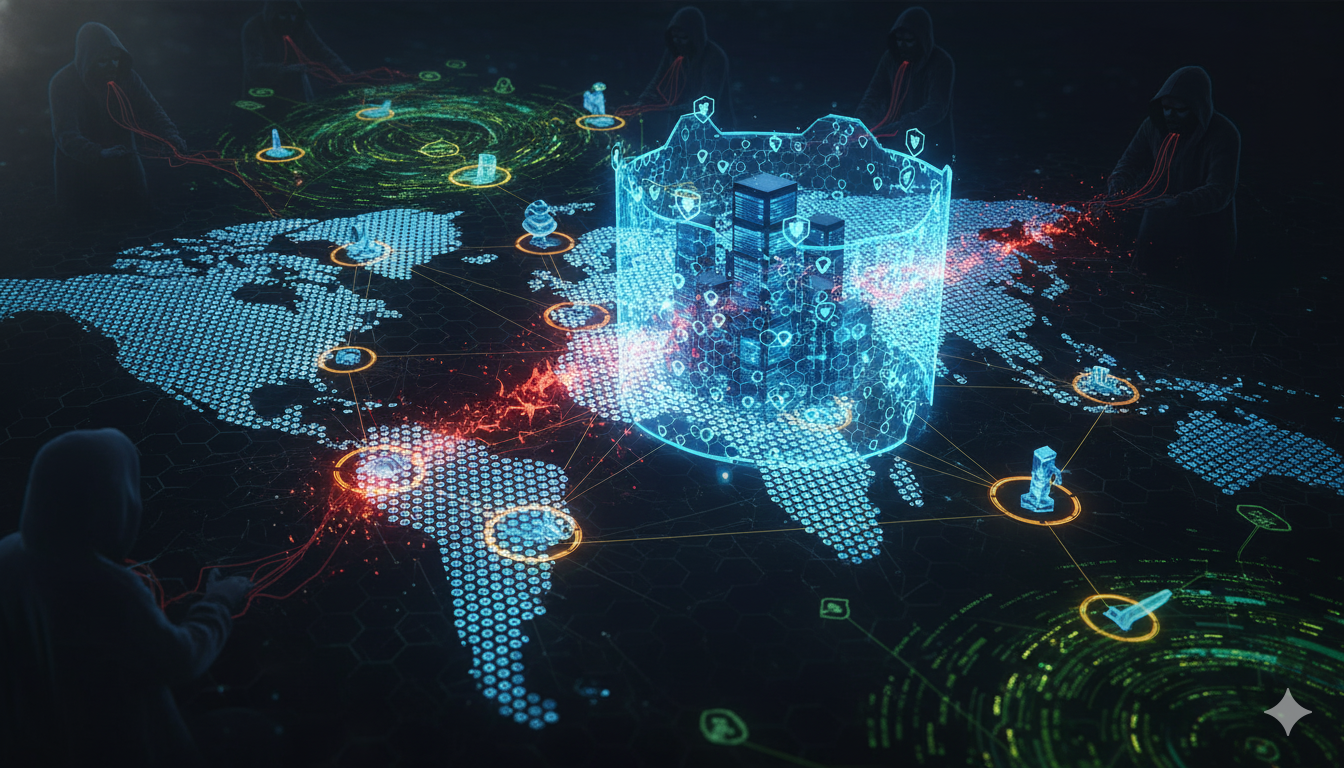
The Grid Under Fire: Why Cyber Attacks on Energy and Nuclear Facilities Are a Clear and Present Danger
Cyber attacks on power grids and nuclear plants are no longer just a distant possibility—they’re happening now. With critical infrastructure increasingly targeted by hackers, the risks extend from economic disruption to national security crises. This article explores the threats, real-world incidents, and the urgent efforts underway to safeguard our energy future. Introduction: A Nation in…
-
Beyond the Heat: Innovative Technologies Driving Sustainability in Industrial Drying and Dewatering
If you’ve ever watched the smokestacks of a paper mill or felt the intense heat radiating from an industrial dryer, you’ve seen one of manufacturing’s most energy-hungry challenges: removing water. Drying and dewatering processes are the silent giants of industrial energy use, consuming enormous amounts of thermal and electrical power to evaporate or separate moisture…
-
Supply Chain Security: The Hidden Weak Link in Global Business
In today’s hyperconnected world, businesses thrive on global networks of suppliers, vendors, and contractors. These relationships enable efficiency, innovation, and speed—but they also introduce new and often invisible risks. One of the most pressing of these is the supply chain attack, a cybersecurity threat that undermines organizations not by targeting them directly, but by…
-
Beyond the Words: How Emotion AI is Humanizing Customer Service
In 2023, call center provider Cogito rolled out an Emotion AI platform to several Fortune 500 companies. The system monitored live customer conversations, detecting vocal stress, hesitation, and frustration in real time. Instead of replacing human agents, it acted as a coach, prompting them to slow down, listen more, or offer reassurance at the right…
-
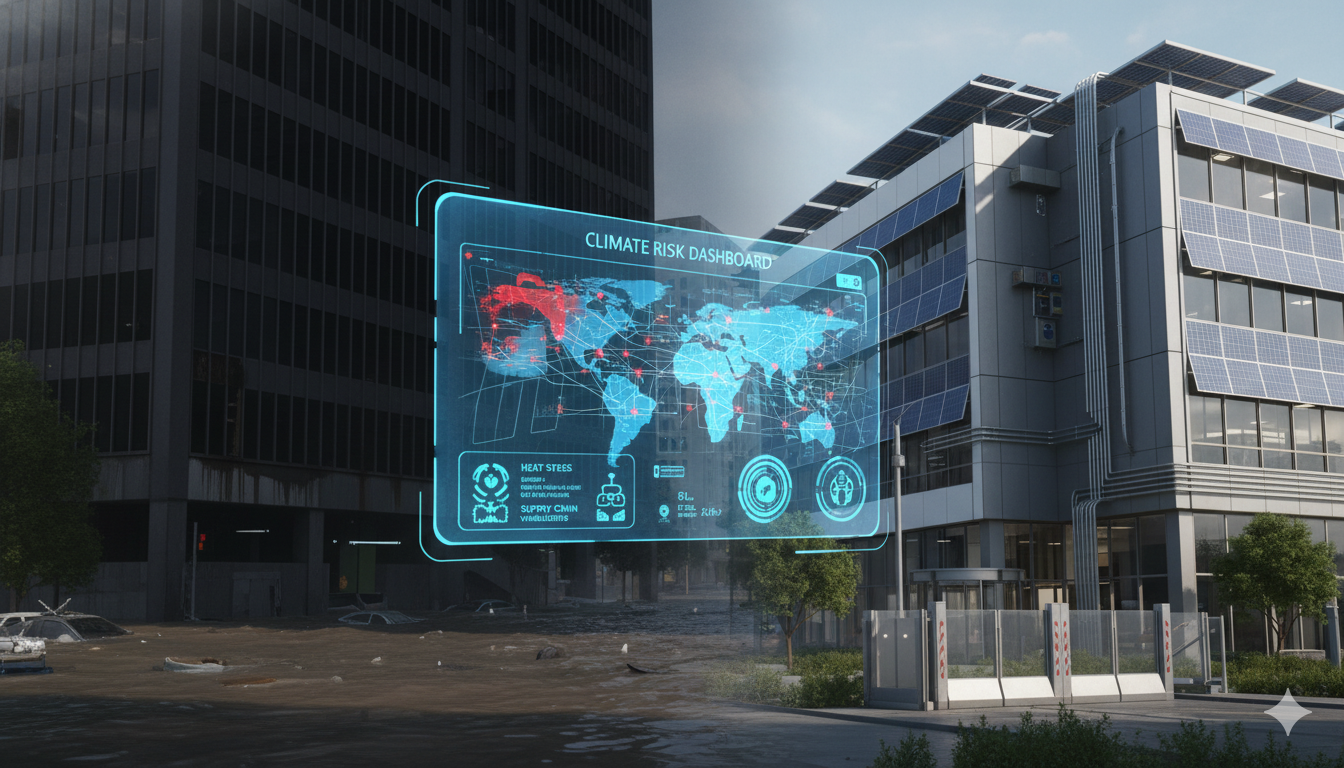
Climate-Related Hazards: A Growing Security Risk for Businesses
Climate change is no longer a distant threat—it is a clear and present danger to businesses worldwide. Flooding, extreme heat, drought, and severe storms are growing in both frequency and intensity, creating direct risks to infrastructure, operations, and financial stability. The United States set a record in 2024 with 27 separate billion-dollar weather and…
-
Cyber Threats and Security Trends in 2025: Navigating the Evolving Digital Battlefield
Introduction: The Escalating Cyber Arms Race As we move deeper into 2025, cyber threats have reached unprecedented levels of sophistication and global impact. The cost of cybercrime is projected to exceed $10.5 trillion annually, driven by AI-powered attacks, vulnerabilities exposed by quantum computing, and increasingly well-organized cybercriminal ecosystems. This year alone, the world has witnessed…




Related Domains & Cross-Cutting Themes
Procurement systems, supply chains, industrial governance, and strategic economics.
Industrial capacity and supply chains
Cyber-physical security
Climate, geography, and environmental stress
Human-machine coordination
System survivability under disruption
Explore the Critical & Emerging Technologies Magazine →
Explore the Industry, Markets & Supply Chains Magazine →
Explore the Space Technology, Defense & Exploration Magazine →