At the core of every military system is the human operator. Even the most advanced platforms depend on trained personnel, cognitive resilience, and organizational effectiveness. As technology accelerates, the demands placed on soldiers, sailors, and aircrew continue to grow.
This sub-magazine focuses on the human dimension of military power.
IDST Intelligence Briefings
Our briefings examine how human performance, training systems, and force design interact with technology under operational stress
Why This Magazine Exists
The human element is often treated as secondary to hardware. In reality, personnel limitations frequently define operational ceilings.
This sub-magazine exists to analyze how people enable—or constrain—military capability in complex environments.
What We Track
- Soldier systems, protection, and mobility
- Training, simulation, and force readiness
- Cognitive load, decision-making, and fatigue
- Command structures and leadership models
- Integration of AI and decision-support tools
- Recruitment, retention, and force sustainability
Latest Analysis & Intelligence
-

The Next Generation of Road Safety: How AI and Sensors Are Working to Eliminate Drunk Driving
Despite decades of public campaigns and strict enforcement, drunk driving remains one of the leading causes of road fatalities worldwide. Traditional countermeasures—such as roadside breathalyzers—are fundamentally reactive, intervening only after a driver is already impaired and behind the wheel. But what if the car itself could recognize impairment and step in before disaster strikes? That…
-

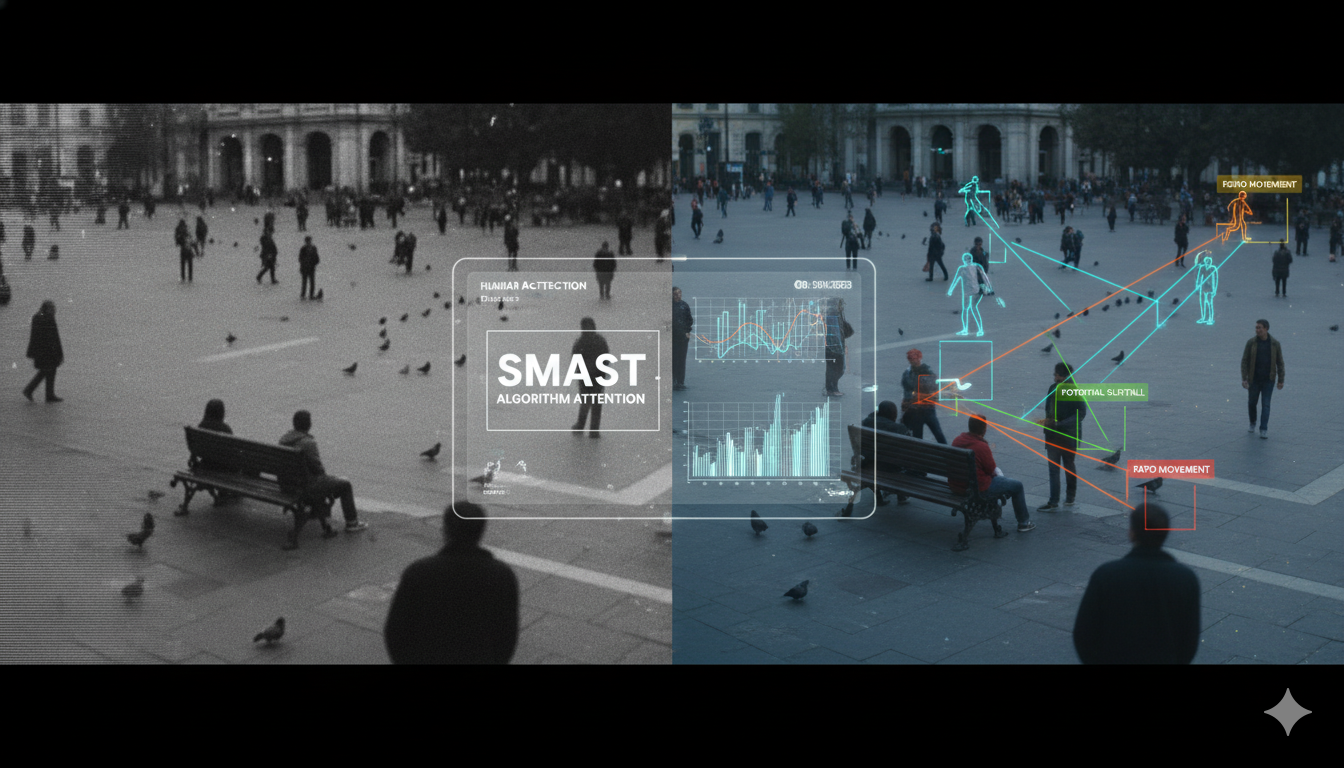
Beyond the Lens: How AI That Understands Human Action is Changing Our World
From Observation to Understanding For decades, surveillance cameras have acted as silent witnesses, capturing vast amounts of video but without any real comprehension of what unfolded before them. They could register shapes, movement, and light, yet the meaning behind those patterns—intent, context, or risk—remained invisible. Human operators were left to sift through overwhelming streams of…
-
Beyond the Words: How Emotion AI is Humanizing Customer Service
In 2023, call center provider Cogito rolled out an Emotion AI platform to several Fortune 500 companies. The system monitored live customer conversations, detecting vocal stress, hesitation, and frustration in real time. Instead of replacing human agents, it acted as a coach, prompting them to slow down, listen more, or offer reassurance at the right…
-
The $22 Billion AR Revolution: Inside the Army’s High-Stakes Bet on IVAS Headsets
The Pivot That Shook Defense Tech In February 2025, a major turning point in defense technology was announced: Microsoft would transfer leadership of the U.S. Army’s $21.9 billion Integrated Visual Augmentation System (IVAS) program to Anduril Industries, pending Pentagon approval. The IVAS initiative—one of the most ambitious military modernization efforts in recent history—aims to equip…
-
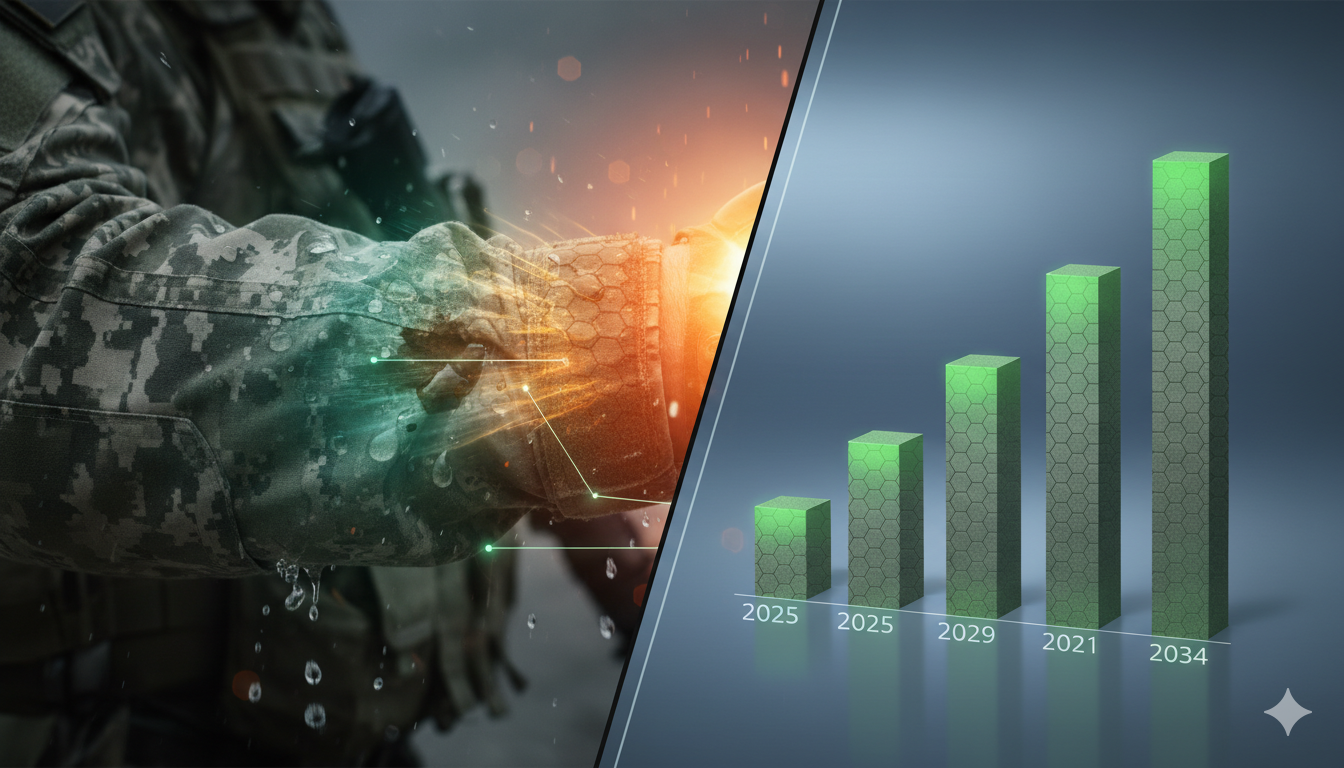
Coated Fabrics for the Defense Market Size and Forecast (2025–2034): Shielding Soldiers with Advanced Materials
Introduction In modern warfare, the uniform is far more than just a symbol of allegiance—it is a critical layer of defense. For soldiers operating in extreme environments, from arid deserts to chemical-threat zones, the fabric they wear and the materials that surround them can mean the difference between mission success and failure. Protective textiles safeguard…
-
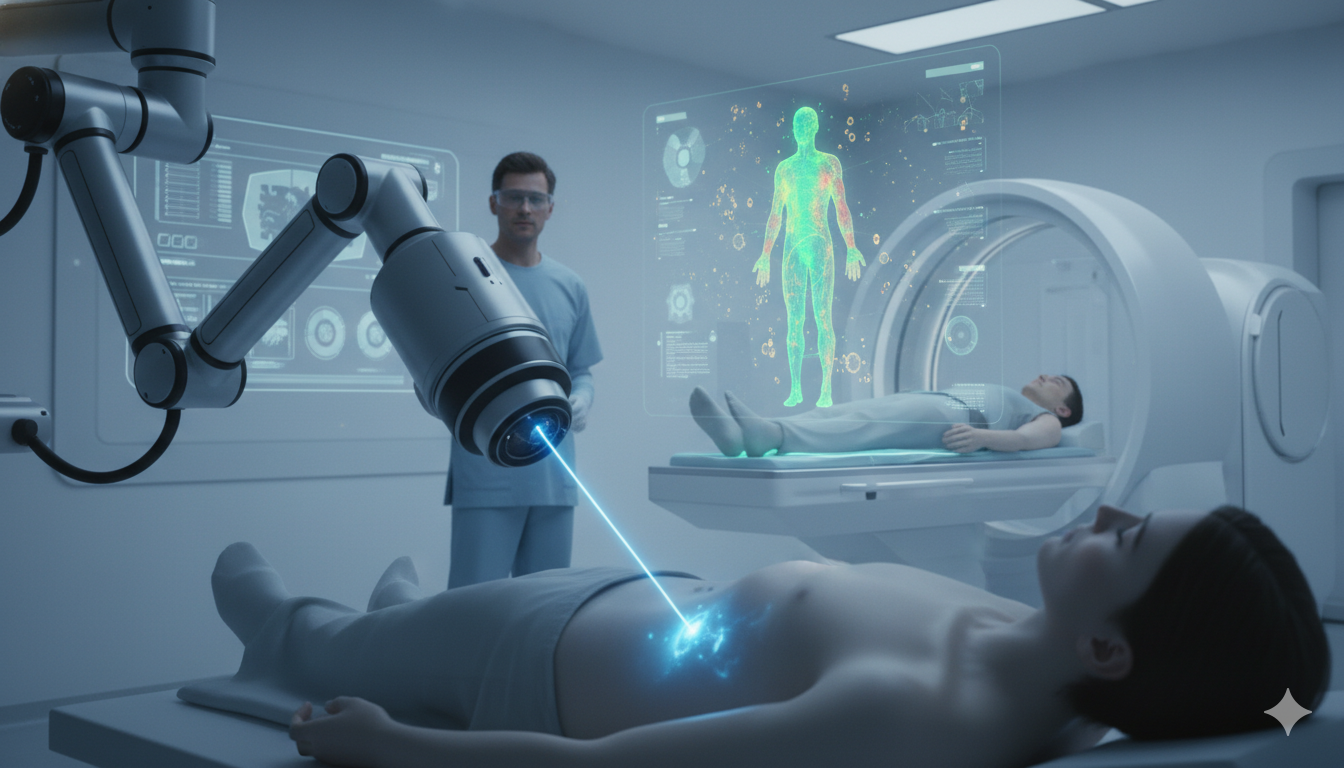
Photonics in Medicine: Illuminating the Future of Healthcare with Light-Driven Innovation
The human body operates as a highly sophisticated network of light-sensitive processes, where biophotonic interactions govern everything from cellular signaling to neural communication. By tapping into this natural affinity for light, researchers have unlocked groundbreaking possibilities in medical diagnostics and treatment. Lithium niobate photonic chips, for instance, are now enabling ultra-sensitive detection of biomarkers, facilitating…
-
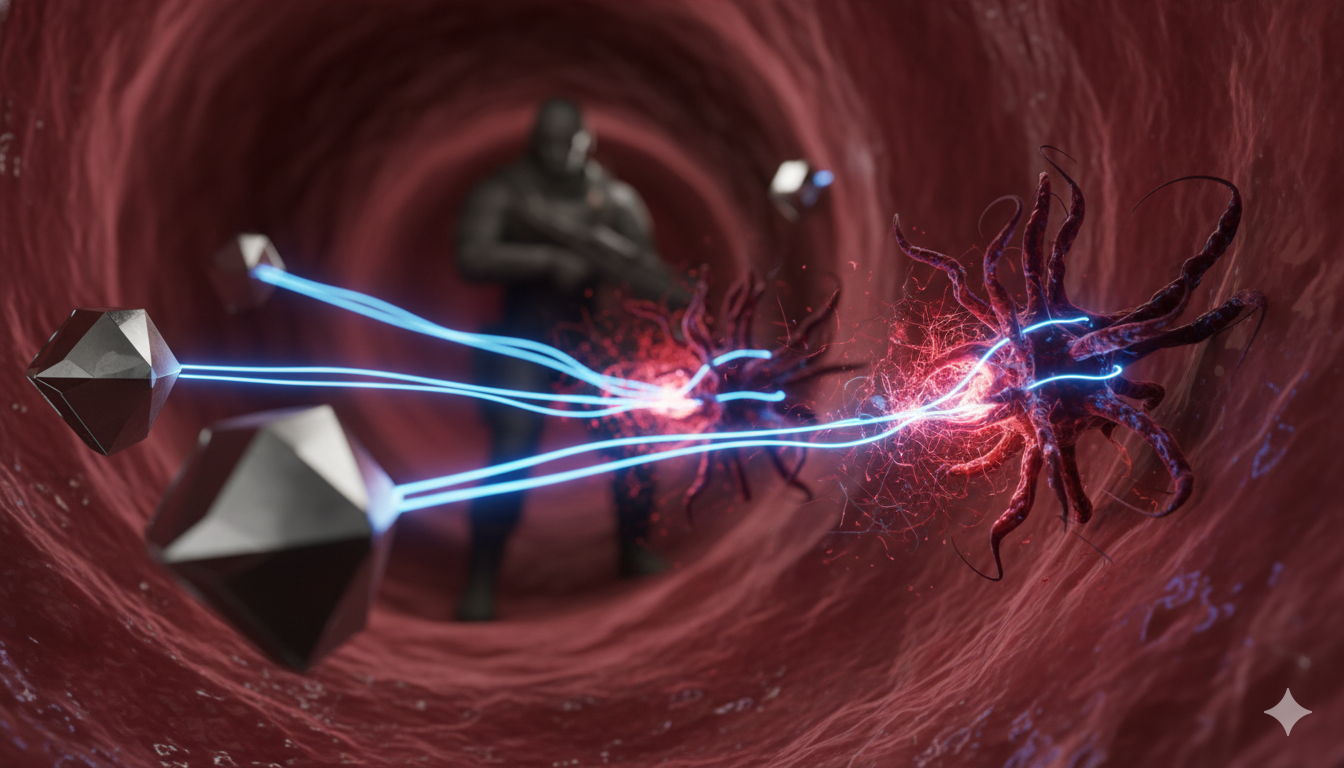
DARPA’s SHIELD Program: Revolutionizing Combat Medicine Through Infection Immunotherapy
Bloodstream infections (BSIs) remain one of the deadliest complications in trauma care—particularly in combat environments where gunshot wounds, burns, and blast injuries create the ideal conditions for bacterial and fungal pathogens to thrive. Traditional treatments rely on pathogen identification and delayed antibiotic administration, a reactive model that often proves fatal in forward operating settings. To…


Related Domains & Cross-Cutting Themes
Defense systems do not operate in isolation. Readers may also explore how military technologies intersect with geopolitics, industrial capacity, emerging technologies, and future warfare concepts across the IDST intelligence network.
Ethics and human–machine teaming
Organizational culture and adaptation
Medical support and survivability
Long-term force regeneration
Explore the Critical & Emerging Technologies Magazine →
Explore the Industry, Markets & Supply Chains Magazine →
Explore the Space Technology, Defense & Exploration Magazine →