Modern power depends not only on weapons and information, but on the systems that keep forces moving, supplied, connected, and operational over time.
Autonomous platforms, energy systems, and infrastructure networks increasingly define operational tempo, geographic reach, and strategic resilience. This magazine analyzes the technologies and architectures that sustain operations across land, sea, air, space, and contested environments—where reliability, efficiency, and autonomy matter as much as raw performance.
IDST Intelligence Briefings
Focus: autonomy, propulsion, power systems, logistics tech, infrastructure resilience
Why This Magazine Exists
Autonomous and infrastructure systems are often treated as enablers rather than strategic drivers. In reality, they determine how long forces can operate, how far they can project power, and how well they can survive disruption.
This magazine exists to examine how autonomy, energy, and infrastructure intersect—and how engineering constraints, logistics realities, and system integration shape real-world capability more than doctrine alone.
What We Track
- Unmanned and autonomous platforms across domains
- Energy generation, storage, and propulsion systems
- Logistics automation and sustainment technologies
- Critical infrastructure resilience and protection
- Dual-use civilian–military systems
STRATEGIC SUB-MAGAZINES
Modern military power emerges from the interaction of platforms, people, doctrine, and integration across domains. The Defense & Military Systems magazine is structured into focused sub-magazines that examine how combat capability is built, sustained, and employed across air, land, sea, weapons, and human systems.
Unmanned & Autonomous Systems
Focuses on the platforms, technologies, and doctrines that define control of the air and near-space domains. This sub-magazine examines combat aviation, unmanned air systems, aerospace surveillance, and emerging flight technologies shaping future air superiority.
Explore the Unmanned & Autonomous Systems Sub-Magazine →
Thermal, Propulsion & Energy Systems
Examines how modern armies fight, maneuver, and survive in increasingly contested land environments. This sub-magazine focuses on armored platforms, artillery, battlefield networking, and the transformation of ground combat through automation and data.
Explore the Thermal, Propulsion & Energy Systems Sub-Magazine →
Latest Analysis & Intelligence
-

The Light at the Core of the Future: How Photonics Powers Fusion Energy
For decades, nuclear fusion has stood as the holy grail of energy production—an almost mythical promise of limitless, clean, and safe power by replicating the very process that fuels the sun. The challenge has been nothing short of monumental: containing and stabilizing plasma at temperatures exceeding 100 million degrees Celsius. While massive magnets, exotic materials,…
-

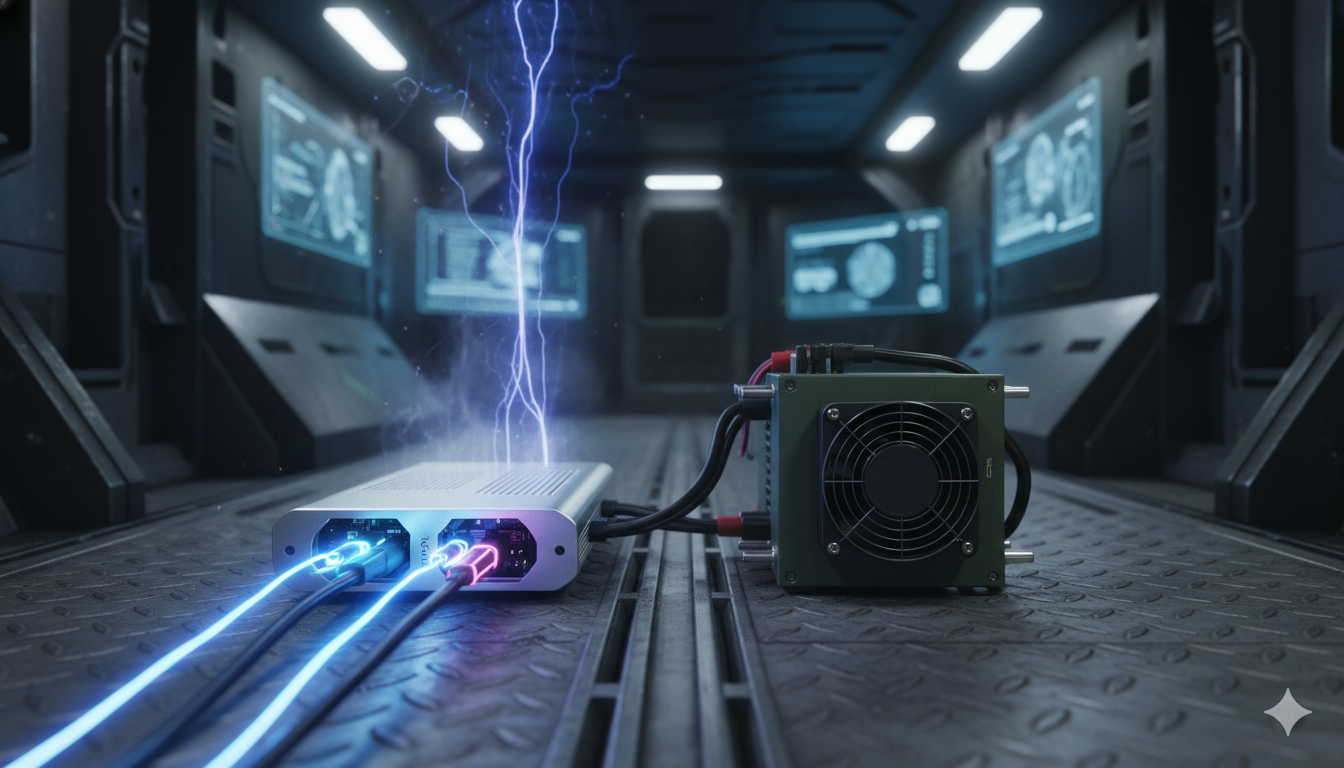
The Unsung Hero of Electric Mobility: How a Tiny Inverter is Revolutionizing Military Vehicle Power
When it comes to the global shift toward electrification, most of the attention is placed on batteries and motors. These two components are often celebrated as the engines of change, driving the move toward sustainable and efficient mobility. Yet, quietly positioned between them lies an equally vital system—the traction power inverter. Acting as both the…
-
Beaming Moonlight: How a Lunar Power Grid Could Revolutionize Space Exploration
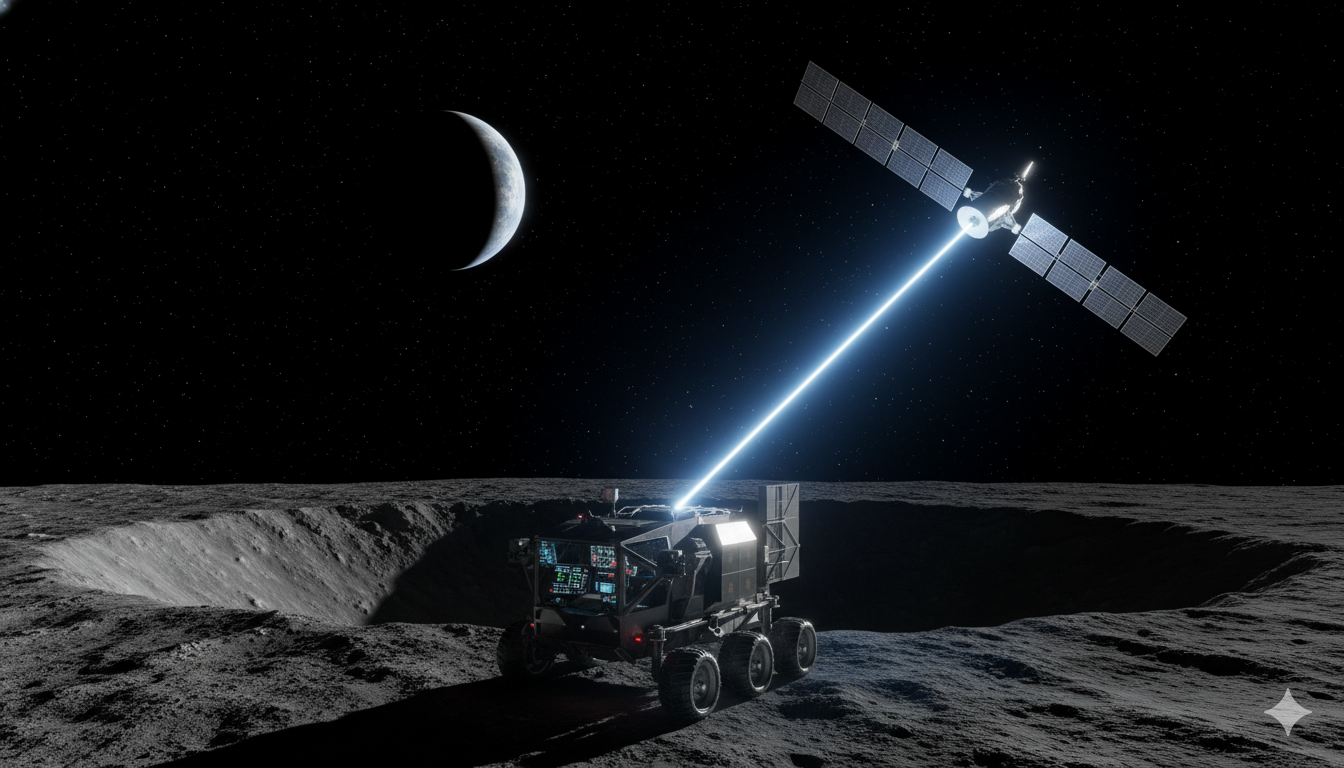
Imagine a future where a rugged lunar rover, its solar panels plunged into the deep freeze of a two-week lunar night, doesn’t power down. Instead, it receives a steady, invisible beam of energy from a satellite overhead, giving it the power to keep exploring. This isn’t science fiction—it’s the promising concept of a Lunar Power…
-
Nuclear-Powered Warships: The High-Stakes Debate Over Naval Propulsion
For decades, nuclear power has been the silent force beneath the waves, driving the world’s most advanced submarines. This technology grants them the ability to remain submerged for months, travel vast distances undetected, and operate free from the logistical tether of conventional fuel supplies. Yet on the surface, nuclear propulsion tells a very different…
-
Electrospray Thrusters: Powering the Next Generation of Small Satellites
As the space industry shifts toward smaller, more agile satellites, traditional propulsion systems often fall short of meeting the demands of precision, efficiency, and scalability. A breakthrough technology is emerging to fill this gap: electrospray thrusters. Compact yet powerful, these devices are redefining what’s possible in satellite propulsion, offering unprecedented levels of efficiency and…
-
DARPA’s Cost-Efficient Cargo Program: Revolutionizing Military Logistics with Affordable, High-Capacity Airships
In an era of rapidly evolving global threats and dispersed operations, the ability to move heavy equipment and supplies quickly, efficiently, and affordably is more critical than ever. Enter DARPA’s Cost-Efficient Cargo (CEC) program—an ambitious initiative aimed at reinventing military logistics through the development of modern, high-capacity airships capable of transporting massive payloads across vast…
-
The Next Semiconductor Revolution: How DARPA’s Ultra-Wide Bandgap Program Is Redefining Power Electronics
In the world of microelectronics, efficiency is everything. From data centers and electric grids to radar systems and electric vehicles, the quest for smaller, faster, and more power-efficient devices has driven decades of innovation. Yet silicon—the workhorse of the semiconductor industry—is reaching its physical and performance limits. To break through these barriers, the Defense Advanced…




Related Domains & Cross-Cutting Themes
Industrial capacity and supply chains
Cyber-physical security
Climate, geography, and environmental stress
Human-machine coordination
System survivability under disruption
Explore the Critical & Emerging Technologies Magazine →
Explore the Industry, Markets & Supply Chains Magazine →
Explore the Space Technology, Defense & Exploration Magazine →