Land forces remain central to controlling territory, populations, and political outcomes. Even as warfare becomes increasingly networked and technology-driven, success on land depends on the integration of armored platforms, infantry, fires, sensors, and logistics under real-world constraints.
This sub-magazine examines how modern armies adapt to high-intensity conflict, urban warfare, and contested logistics environments.
IDST Intelligence Briefings
Our briefings analyze land combat systems and formations as operational ecosystems, explaining how mobility, protection, firepower, and information combine at the tactical and operational levels.
Why This Magazine Exists
Ground warfare is often misunderstood through isolated equipment comparisons. In reality, effectiveness is shaped by doctrine, training, sustainment, and combined-arms integration.
This sub-magazine exists to explain how land forces actually fight, how systems are employed together, and how constraints shape battlefield outcomes.
What We Track
This magazine tracks developments across the full Land spectrum, including:
- Main battle tanks, infantry fighting vehicles, and armored mobility
- Artillery, rocket forces, and long-range fires
- Infantry systems and small-unit technologies
- Battlefield sensors, drones, and ISR integration
- Logistics, sustainment, and battlefield engineering
- Adaptation to urban, hybrid, and high-intensity conflict
Latest Analysis & Intelligence
-

The Unsung Hero of Electric Mobility: How a Tiny Inverter is Revolutionizing Military Vehicle Power
When it comes to the global shift toward electrification, most of the attention is placed on batteries and motors. These two components are often celebrated as the engines of change, driving the move toward sustainable and efficient mobility. Yet, quietly positioned between them lies an equally vital system—the traction power inverter. Acting as both the…
-

The Next Generation of Road Safety: How AI and Sensors Are Working to Eliminate Drunk Driving
Despite decades of public campaigns and strict enforcement, drunk driving remains one of the leading causes of road fatalities worldwide. Traditional countermeasures—such as roadside breathalyzers—are fundamentally reactive, intervening only after a driver is already impaired and behind the wheel. But what if the car itself could recognize impairment and step in before disaster strikes? That…
-
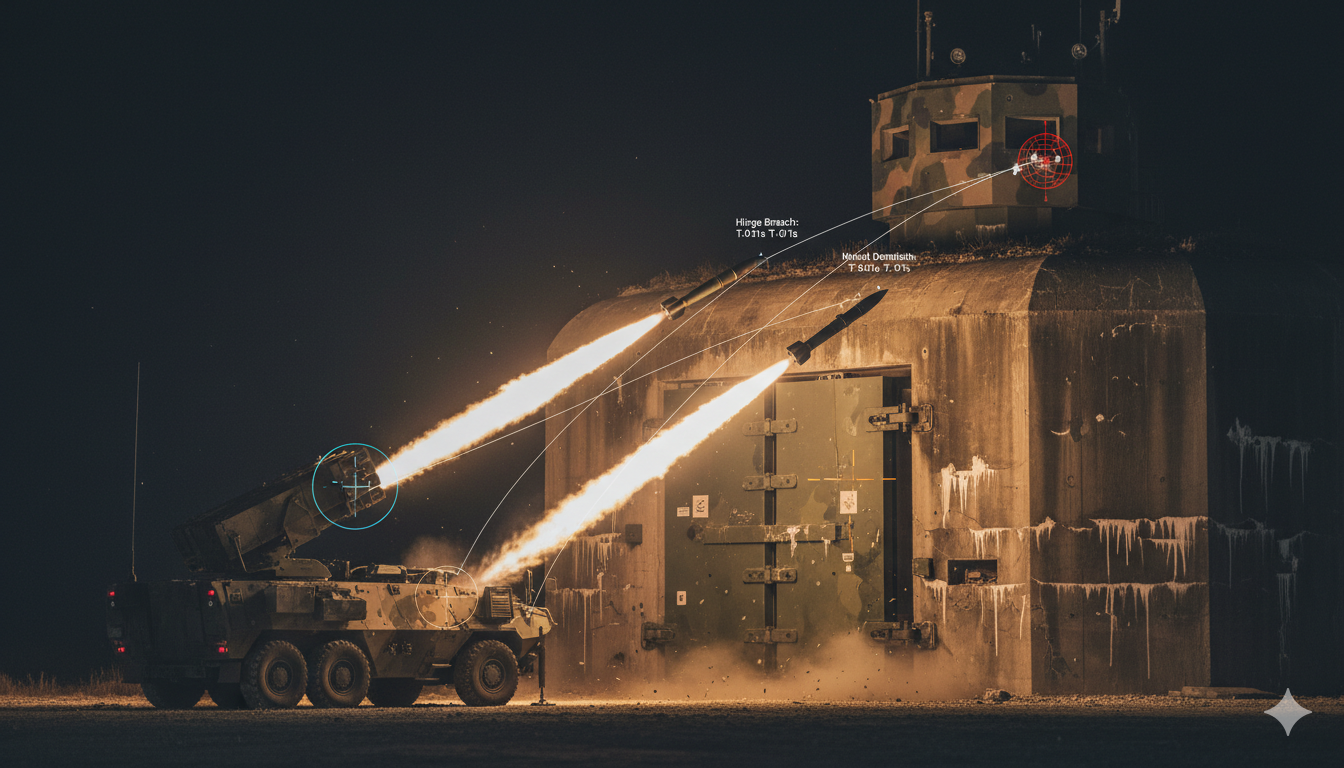
Beyond the Blast Radius: The Multi-Target Launcher Revolutionizes Breaching and Demolition
In the high-stakes world of military breaching and demolition, distance equals safety, precision ensures success, and control determines survivability. For decades, combat engineers and special operations personnel tasked with destroying enemy caches, breaching fortified positions, or neutralizing improvised explosive devices relied on technology that, while reliable, came with severe limitations in flexibility and safety. Today,…
-
The Digital Vanguard: How Military Logistics Transformation is Redefining Modern Warfare (2025 Update)
The New Battleground: Logistics in the Age of Strategic Competition Military logistics is no longer the quiet background function of warfare—it has become the algorithmic battlespace where wars are increasingly won or lost. As near-peer conflicts intensify and supply lines face unprecedented cyber and kinetic threats, armed forces are undergoing a sweeping digital transformation. This…
-
The Artillery UGV Revolution: Autonomous Platforms Redefining Modern Firepower
The convergence of robotic mobility and long-range firepower has ushered in a transformational moment in land warfare. Artillery Unmanned Ground Vehicles (UGVs) stand at the frontier of this revolution, offering militaries the ability to deliver devastating indirect fire without placing human lives at risk. These autonomous systems combine the mobility and survivability of tracked combat…
-
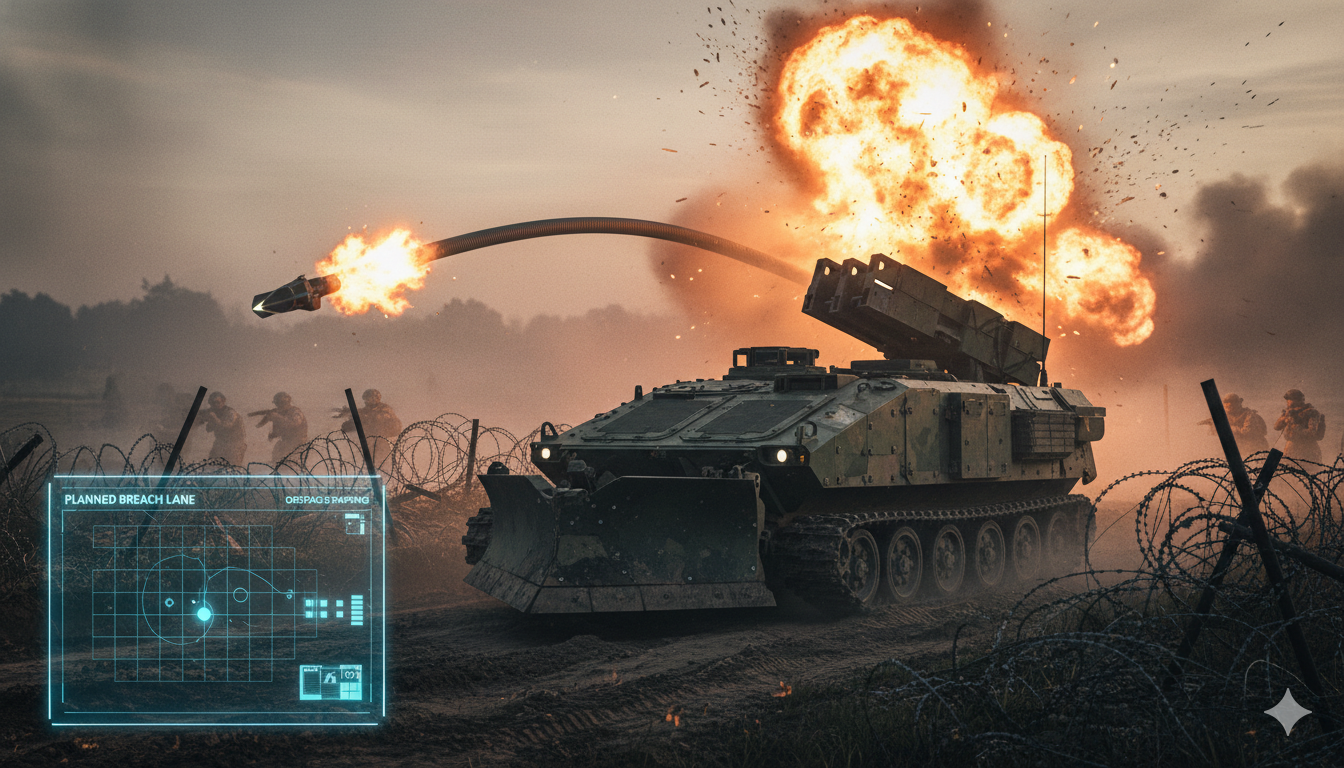
Sandhills Project 3.0: Revolutionizing Combat Engineering with Autonomous Breaching Systems
On July 10, 2024, the U.S. Army took a leap into the future of combat engineering during the Sandhills Project 3.0 exercise at Fort Liberty, North Carolina. Designed as an innovation experiment, this project brought together cutting-edge robotics and drone systems to explore how autonomous technologies can transform large-scale combat operations, particularly breaching operations —…
-
Transforming Warfare: The Rise of Unmanned (UGVs) and Autonomous Ground Combat Robots
The modern battlefield is undergoing a radical transformation as nations invest heavily in autonomous combat systems. The United States, China, and Russia are leading this technological arms race, each developing unmanned ground vehicles (UGVs), AI-powered drones, and robotic platforms designed to dominate future conflicts. Recent engagements in Ukraine and Syria have demonstrated the growing role…



Related Domains & Cross-Cutting Themes
Defense systems do not operate in isolation. Readers may also explore how military technologies intersect with geopolitics, industrial capacity, emerging technologies, and future warfare concepts across the IDST intelligence network.
Human performance and soldier systems
Industrial production and attrition dynamics
Command-and-control resilience
Terrain, weather, and operational environment
Terrain, weather, and operational environment
Explore the Critical & Emerging Technologies Magazine →
Explore the Industry, Markets & Supply Chains Magazine →
Explore the Space Technology, Defense & Exploration Magazine →