Air power remains the decisive enabler of modern military operations, providing speed, reach, intelligence, and strike capability across vast distances. As air and near-space domains become more contested, control of the skies increasingly depends on advanced platforms, sensor fusion, and networked operations rather than raw aircraft numbers.
Control of the air is no longer about platforms alone, but about information superiority and system integration. This sub-magazine examines how air and aerospace systems shape deterrence, power projection, and multi-domain operations.
IDST Intelligence Briefings
These intelligence briefings provide visual, system-level analysis of aviation, modern military air platforms and aerospace systems. Each video places individual technologies within operational and doctrinal context—explaining how they are intended to function in real-world conflict environments.
Why This Magazine Exists
Air and aerospace capabilities sit at the intersection of technology, doctrine, and industrial capacity. While individual aircraft often attract attention, real airpower effectiveness depends on how platforms, sensors, networks, and command structures operate as a coherent system.
This sub-magazine exists to move beyond platform-centric coverage and explain how air dominance is actually generated, contested, and sustained in modern conflict environments.
What We Track
This magazine tracks developments across the full Air Power, Aviation & Aerospace Systems, including:
- Fighter, bomber, and ISR aircraft development
- Unmanned and autonomous air systems
- Air defense, counter-air, and integrated air battle networks
- Aerospace surveillance and early-warning systems
- Hypersonic and next-generation propulsion technologies
Latest Analysis & Intelligence
-

From Theory to Tactics: The DoD’s Zero Trust Evolution is Underway
The SolarWinds breach was more than just another cyber incident—it was a watershed moment that fundamentally reshaped how the federal government, and particularly the Department of Defense (DoD), thought about security. The attack revealed that traditional perimeter defenses were no longer enough to safeguard the digital crown jewels of the U.S. military. Leaders like then-Assistant…
-

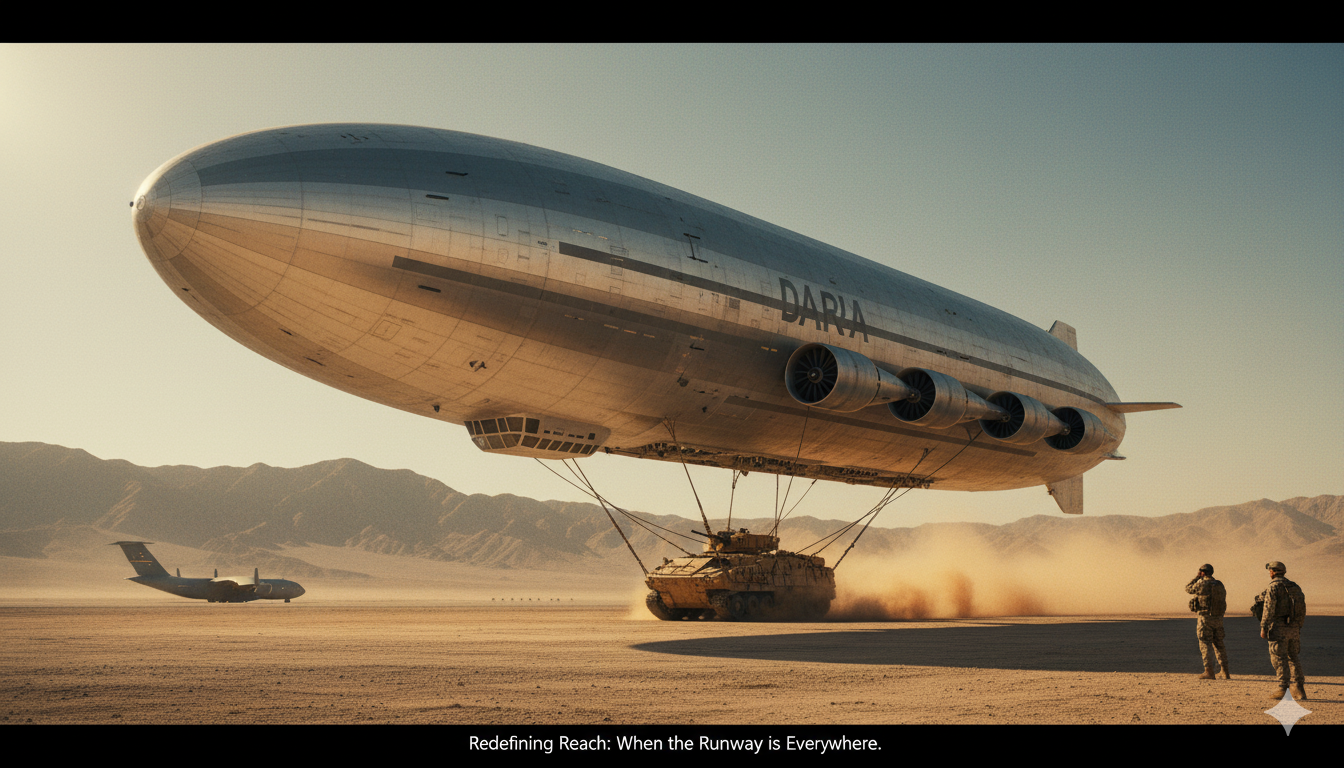
DARPA’s Cost-Efficient Cargo Program: Revolutionizing Military Logistics with Affordable, High-Capacity Airships
In an era of rapidly evolving global threats and dispersed operations, the ability to move heavy equipment and supplies quickly, efficiently, and affordably is more critical than ever. Enter DARPA’s Cost-Efficient Cargo (CEC) program—an ambitious initiative aimed at reinventing military logistics through the development of modern, high-capacity airships capable of transporting massive payloads across vast…
-
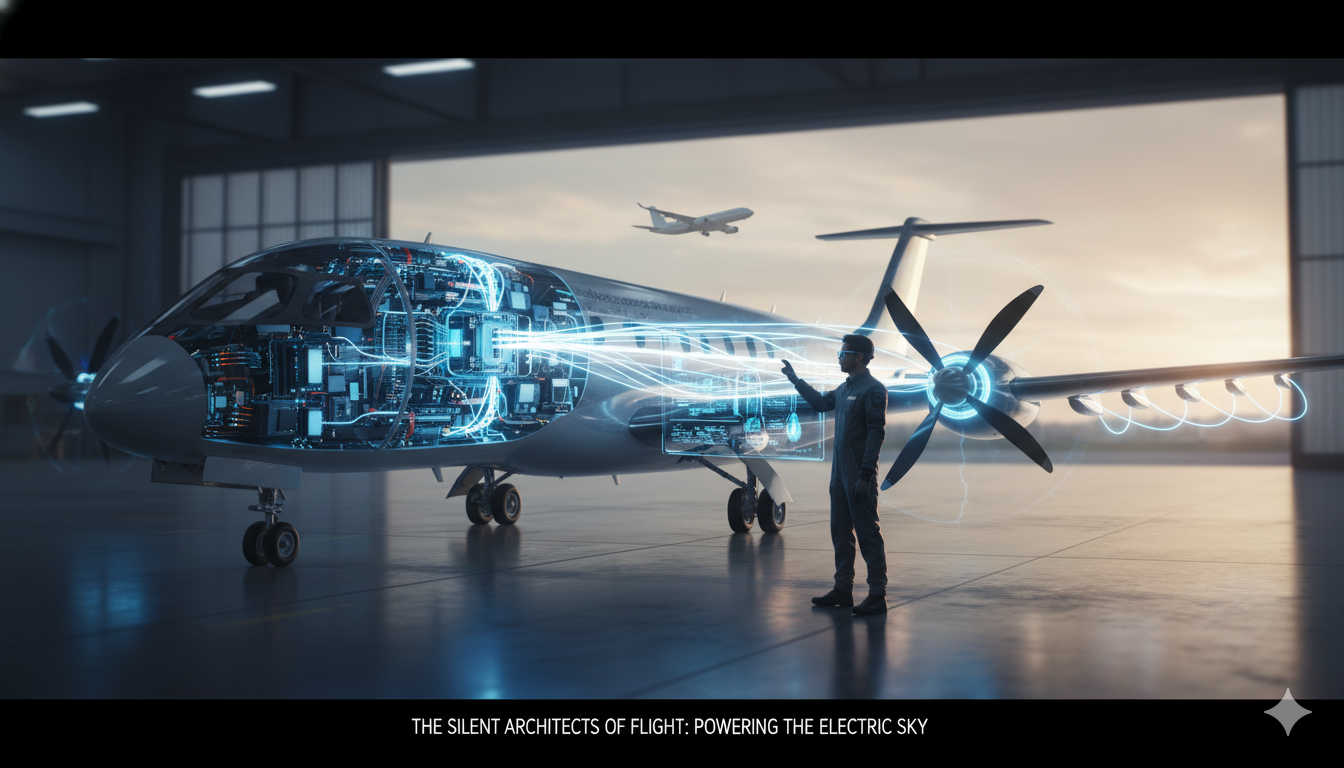
Taking Flight with Power Electronics: The Future of Hybrid-Electric Aircraft
Introduction The aviation industry is at a crossroads. Long criticized for its environmental footprint, it now finds itself in the middle of a technological revolution aimed at achieving cleaner skies and more efficient travel. Hybrid-electric propulsion has emerged as one of the most promising solutions, blending traditional engines with electric systems to cut emissions, reduce…
-
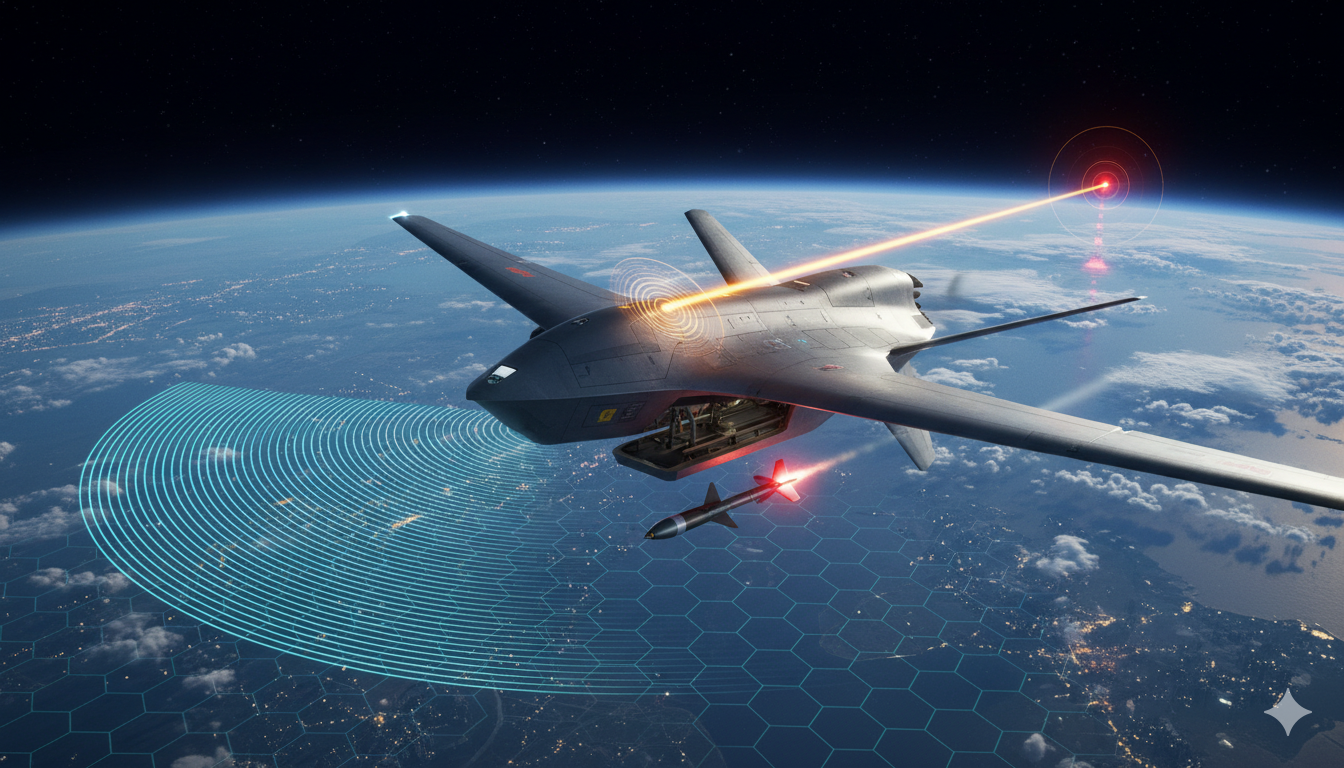
China’s High-Altitude Stealth Drones: Dominating Surveillance, Electronic Warfare, and Air Combat
Introduction The 2019 drone strikes targeting Saudi Arabia’s Abqaiq and Khurais oil facilities represented a pivotal moment in military history, revealing that even nations armed with advanced air defense systems can be vulnerable to low-cost, asymmetric unmanned aerial threats. This operation starkly demonstrated how a swarm of inexpensive drones and cruise missiles can overwhelm conventional…
-
Securing the Skies: 2025 Avionics Cybersecurity in the Era of Connected Flight
Avionics are the electronic systems used on aircraft. Aircraft avionics is the most crucial component of aircraft systems and helps in providing various operational and virtual information in-flight and on the ground. The avionics system receives data from the air traffic management system and feeds this information to the pilot to select an approach path…
-
The New Frontier: How Extreme Mechanics is Redefining Aerospace and Military Capabilities
Military and aerospace missions are rapidly extending beyond the boundaries of classical mechanics, driven by increasingly ambitious goals—to go higher, farther, deeper, faster, smarter, and cleaner. These ambitions span a wide spectrum of platforms and systems: from aerostats stretching tens of kilometers across the stratosphere, to interstellar spacecraft designed to travel several light-years, deep-sea submersibles…
-
Beyond Jet Fuel: How Cryogenic Hydrogen-Electric Propulsion is Paving the Way for Net-Zero Skies
The roar of jet engines may soon give way to the near-silent hum of hydrogen fuel cells. Aviation, which currently contributes around 4% of global warming and is projected to add approximately 0.1°C of temperature rise by 2050, is undergoing a pivotal shift. The answer may lie not in biofuels or batteries, but in a…



Related Domains & Cross-Cutting Themes
Defense systems do not operate in isolation. Readers may also explore how military technologies intersect with geopolitics, industrial capacity, emerging technologies, and future warfare concepts across the IDST intelligence network.
Explore the Critical & Emerging Technologies Magazine →
Explore the Industry, Markets & Supply Chains Magazine →
Explore the Space Technology, Defense & Exploration Magazine →