Defense & Military Systems examines the technological and operational backbone of modern armed forces. This magazine focuses on how military platforms, weapons, sensors, and force structures are designed, integrated, and employed across land, sea, air, and joint domains. Rather than treating individual systems in isolation, IDST analyzes how hardware, doctrine, logistics, and command architectures combine to generate real combat power under contemporary and future battlefield conditions
IDST Intelligence Briefings
These intelligence briefings provide visual, system-level analysis of modern military platforms and force architectures. Each video places individual technologies within operational and doctrinal context—explaining how they are intended to function in real-world conflict environments.
Why This Magazine Exists
Military power is increasingly defined by the integration of complex systems rather than by individual platforms or weapons alone. Yet much public discussion isolates hardware from doctrine, logistics, and operational constraints. This magazine exists to bridge that gap—analyzing defense systems as parts of larger military ecosystems and explaining how design choices translate into battlefield effectiveness, survivability, and strategic relevance.
What We Track
This magazine tracks developments across the full space and advanced-domain security ecosystem, including:
- Land, naval, and air combat platforms and force structures
- Weapons systems, munitions, and precision-strike technologies
- Sensors, radars, electronic warfare, and battlefield awareness systems
- Integrated air and missile defense architectures
- Command, control, communications, and combat networks
- Military modernization programs and force transformation efforts
- Operational lessons from exercises and real-world conflicts
OPERATIONAL & CAPABILITY SUB-MAGAZINES
Modern military power emerges from the interaction of platforms, people, doctrine, and integration across domains. The Defense & Military Systems magazine is structured into focused sub-magazines that examine how combat capability is built, sustained, and employed across air, land, sea, weapons, and human systems.
Air Power, Aviation & Aerospace Systems
Focuses on the platforms, technologies, and doctrines that define control of the air and near-space domains. This sub-magazine examines combat aviation, unmanned air systems, aerospace surveillance, and emerging flight technologies shaping future air superiority.
Explore the Air Power, Aviation & Aerospace Systems Sub-Magazine →
Land Warfare, Armored & Ground Systems
Examines how modern armies fight, maneuver, and survive in increasingly contested land environments. This sub-magazine focuses on armored platforms, artillery, battlefield networking, and the transformation of ground combat through automation and data.
Explore the Land Warfare, Armored & Ground Systems Sub-Magazine →
Naval Power, Maritime & Undersea Systems
Analyzes the technologies and doctrines shaping sea control, power projection, and undersea dominance. This sub-magazine covers surface fleets, submarines, maritime surveillance, and naval systems operating across blue-water and littoral theaters.
Explore the Naval & Maritime Warfare Systems Sub-Magazine →
Weapons, Munitions & Strike Systems
Focuses on the strike capabilities that deliver military effects across domains. This sub-magazine examines missiles, precision weapons, directed energy, and emerging strike technologies that shape deterrence and combat outcomes.
Explore the Weapons, Munitions & Strike Systems Sub-Magazine →
Human, Soldier & Battlefield Integration Systems
Explores the evolving role of the individual warfighter within increasingly networked and automated battlespaces. This sub-magazine focuses on human performance, survivability, and the integration of soldiers into complex combat systems.
Explore the Human, Soldier & Force Enablement Systems Sub-Magazine →
Latest Analysis & Intelligence
-

The Next Generation of Road Safety: How AI and Sensors Are Working to Eliminate Drunk Driving
Despite decades of public campaigns and strict enforcement, drunk driving remains one of the leading causes of road fatalities worldwide. Traditional countermeasures—such as roadside breathalyzers—are fundamentally reactive, intervening only after a driver is already impaired and behind the wheel. But what if the car itself could recognize impairment and step in before disaster strikes? That…
-

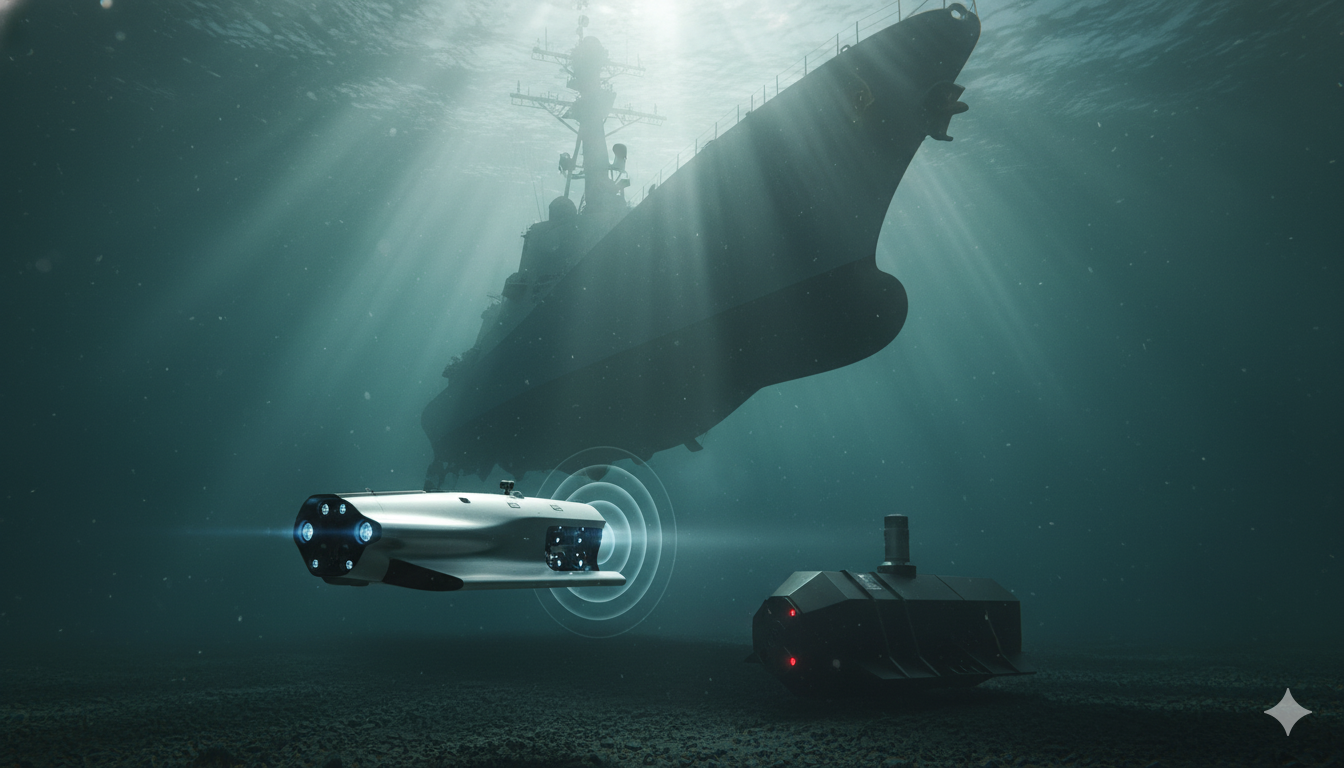
Threat of stealthy, smart and lethal sea mines driving development of new mine countermeasure platforms and systems
Beneath the waves lurks one of the oldest and most potent asymmetric threats in naval warfare: the sea mine. But the mines of today are not the simple contact explosives of World War II. They have evolved into stealthy, smart, and devastatingly lethal systems that can lie in wait for years, listening for the precise…
-
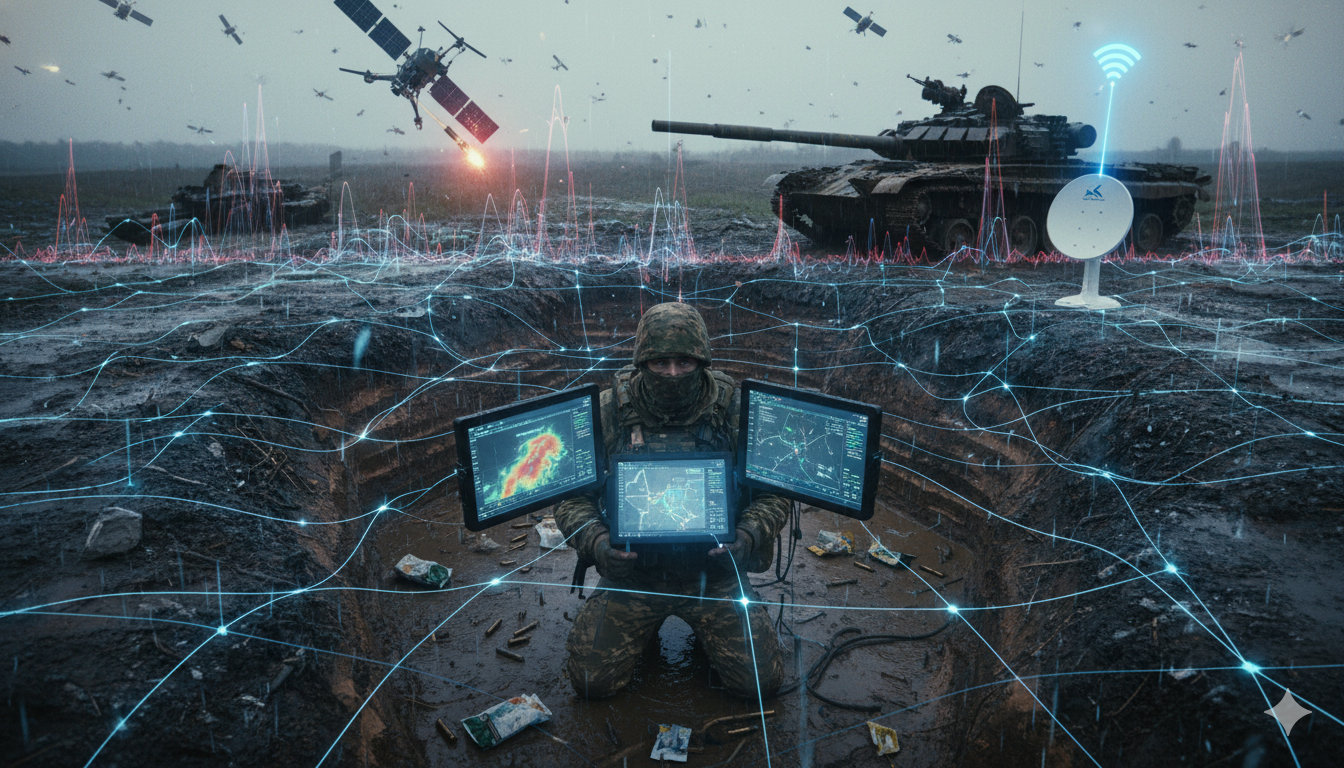
Tech War: An Analysis of the Role of Military Technologies in the Russia-Ukraine Conflict
The ongoing Russia-Ukraine conflict, which initially erupted in 2014 with the annexation of Crimea, has escalated dramatically since February 2022 when Russia launched a full-scale invasion of Ukraine. Despite Russia’s significant qualitative and quantitative advantages, Ukraine’s armed forces have mounted a formidable resistance, thwarting Russia’s initial expectations of a swift victory and transforming the conflict…
-
The New Biotech Arms Race: How AI, CRISPR, and Great Power Competition Are Redefining National Security
Introduction: The Dual-Edged Sword of Biotechnology Biotechnology—the harnessing of cellular and molecular processes for technological innovation—has entered a new and disruptive era. From CRISPR gene editing to AI-driven drug discovery, breakthroughs in synthetic biology, genomics, and bioinformatics are reshaping medicine, agriculture, and industry. These advances hold tremendous promise: curing genetic diseases, boosting food security, and…
-
From Theory to Tactics: The DoD’s Zero Trust Evolution is Underway
The SolarWinds breach was more than just another cyber incident—it was a watershed moment that fundamentally reshaped how the federal government, and particularly the Department of Defense (DoD), thought about security. The attack revealed that traditional perimeter defenses were no longer enough to safeguard the digital crown jewels of the U.S. military. Leaders like then-Assistant…
-
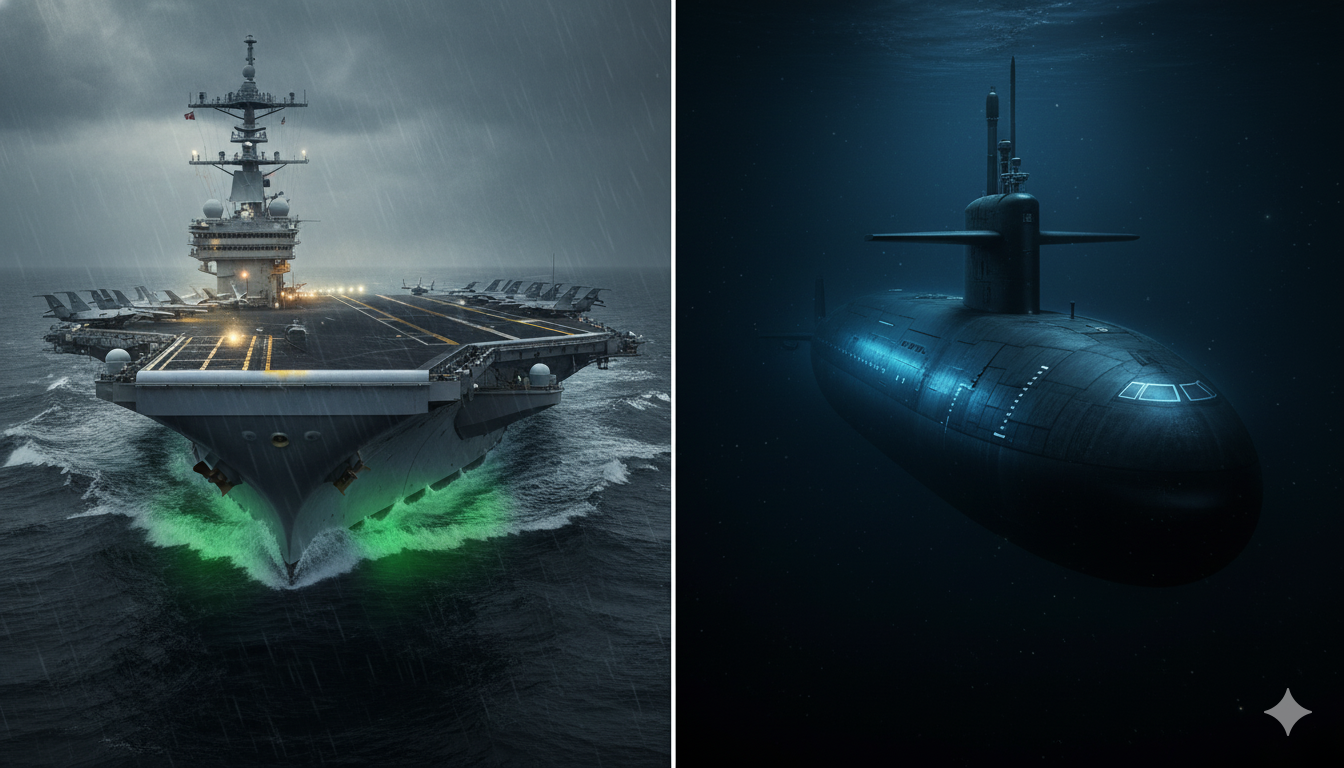
Nuclear-Powered Warships: The High-Stakes Debate Over Naval Propulsion
For decades, nuclear power has been the silent force beneath the waves, driving the world’s most advanced submarines. This technology grants them the ability to remain submerged for months, travel vast distances undetected, and operate free from the logistical tether of conventional fuel supplies. Yet on the surface, nuclear propulsion tells a very different…
-
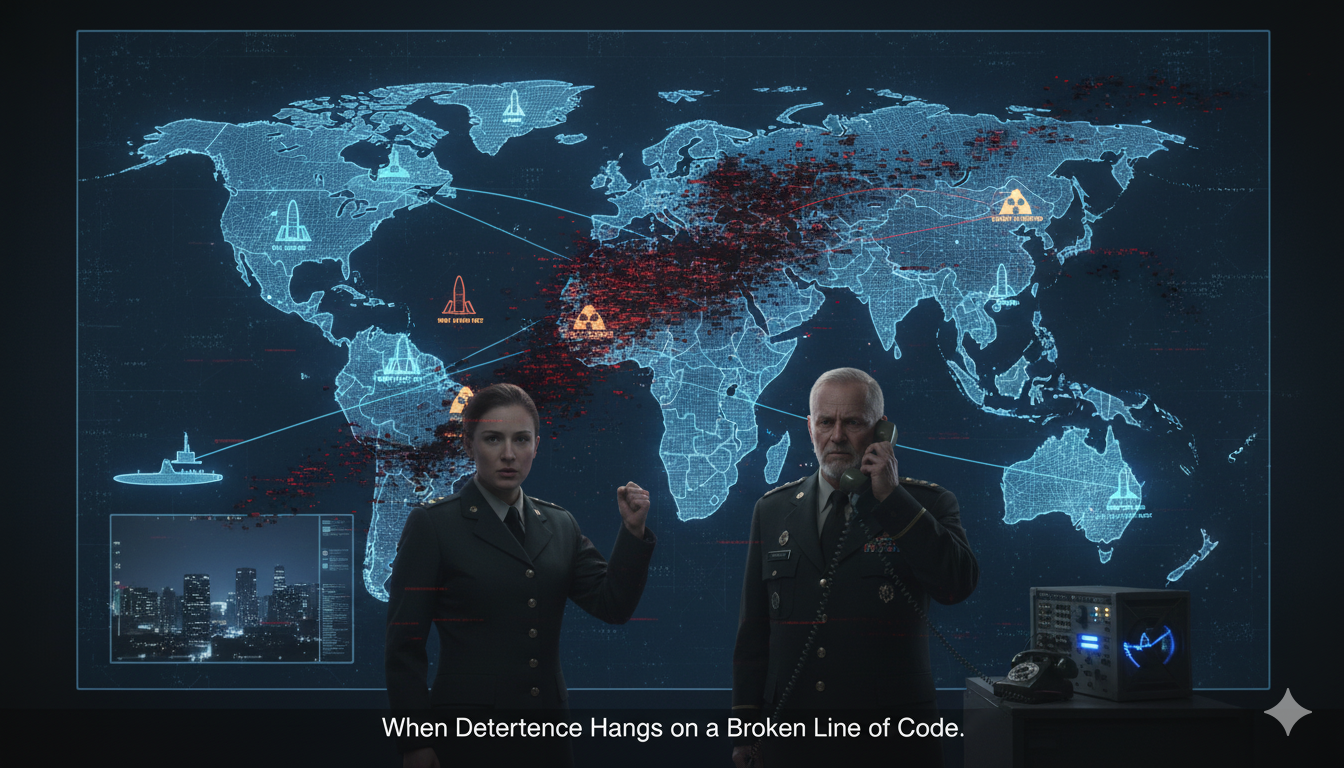
The Digital Doomsday Clock: How Cyber Threats Are Forcing a Global Upgrade of Nuclear Command & Control
This article explores how cyber warfare is reshaping the future of nuclear security. As hackers gain the ability to disrupt sensors, communications, and decision-making networks, the risk of miscalculation in nuclear command and control (NC3) systems has never been greater. Nations are now racing to modernize these systems to protect against both physical and digital…


Related Domains & Cross-Cutting Themes
Defense systems do not operate in isolation. Readers may also explore how military technologies intersect with geopolitics, industrial capacity, emerging technologies, and future warfare concepts across the IDST intelligence network.
Explore the Critical & Emerging Technologies Magazine →
Explore the Industry, Markets & Supply Chains Magazine →
Explore the Space Technology, Defense & Exploration Magazine →