Category Thermal, Propulsion & Energy

The Low-Carbon Propulsion Market: A $139.8 Billion Opportunity for Sustainable Mobility
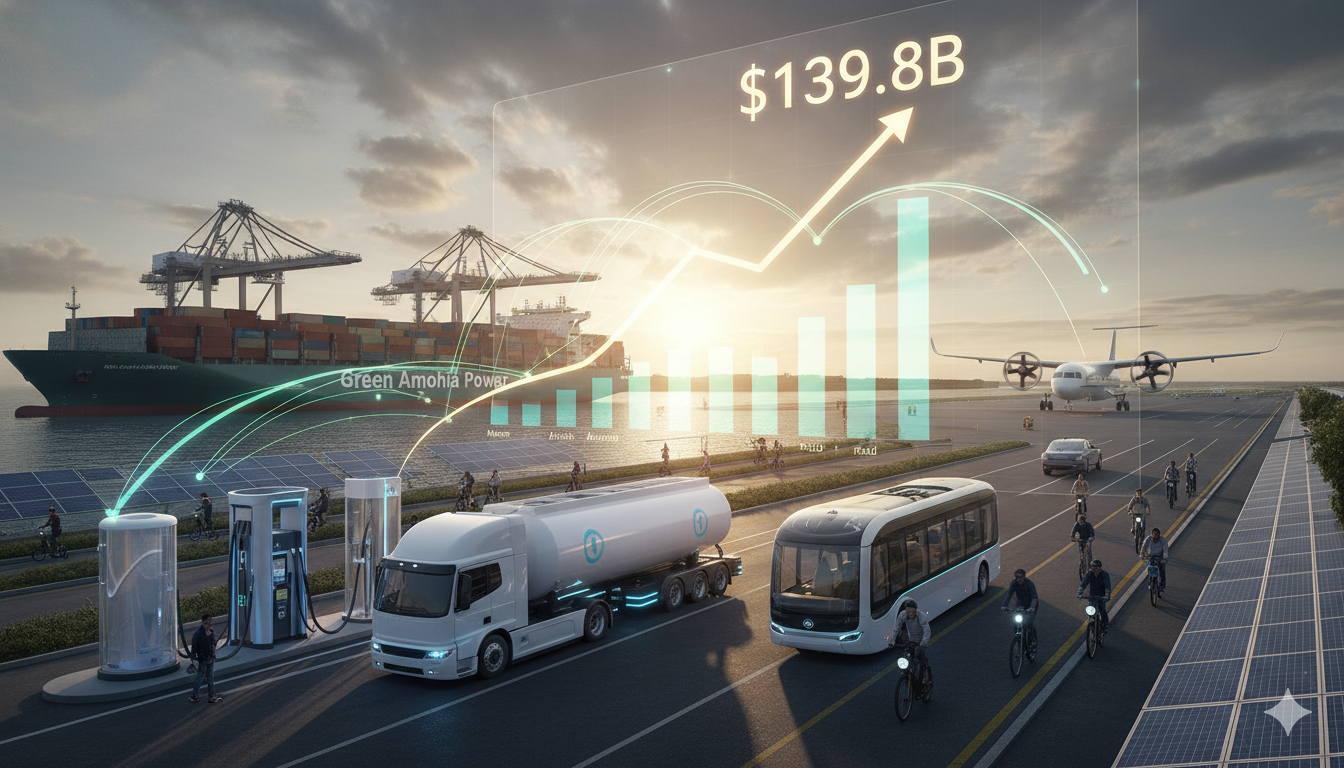
Low-carbon propulsion refers to the use of advanced transportation technologies designed to significantly cut carbon dioxide (CO₂) emissions and reduce the overall greenhouse gas (GHG) footprint of mobility systems. It encompasses a diverse range of solutions, including electric propulsion systems,…
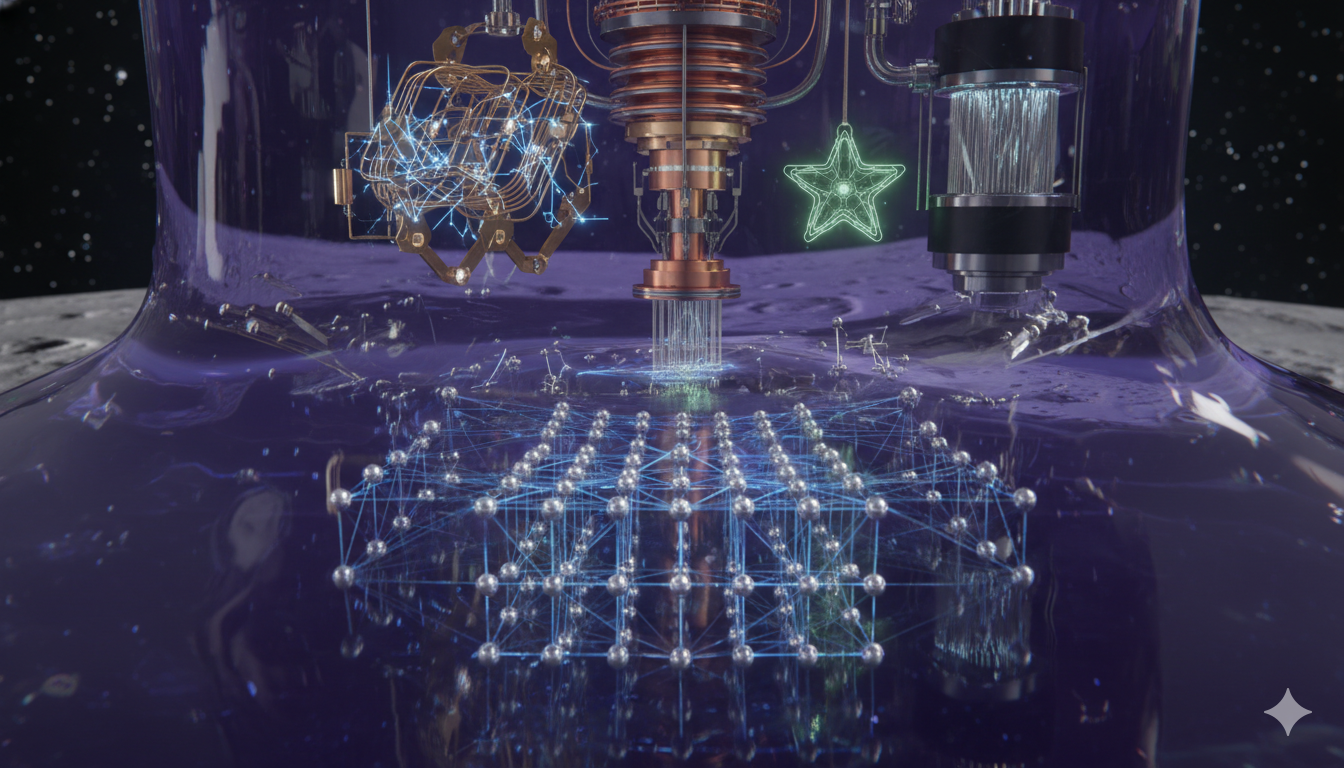
Helium-3: The Overlooked Quantum Resource Powering Next-Gen Technologies

  As quantum technology accelerates, researchers are hunting for materials that can unlock unprecedented capabilities, from ultra-sensitive sensors to ultra-cold quantum computers. One such material—often overshadowed but increasingly vital—is helium-3 (³He). This rare isotope of helium possesses unique quantum properties…

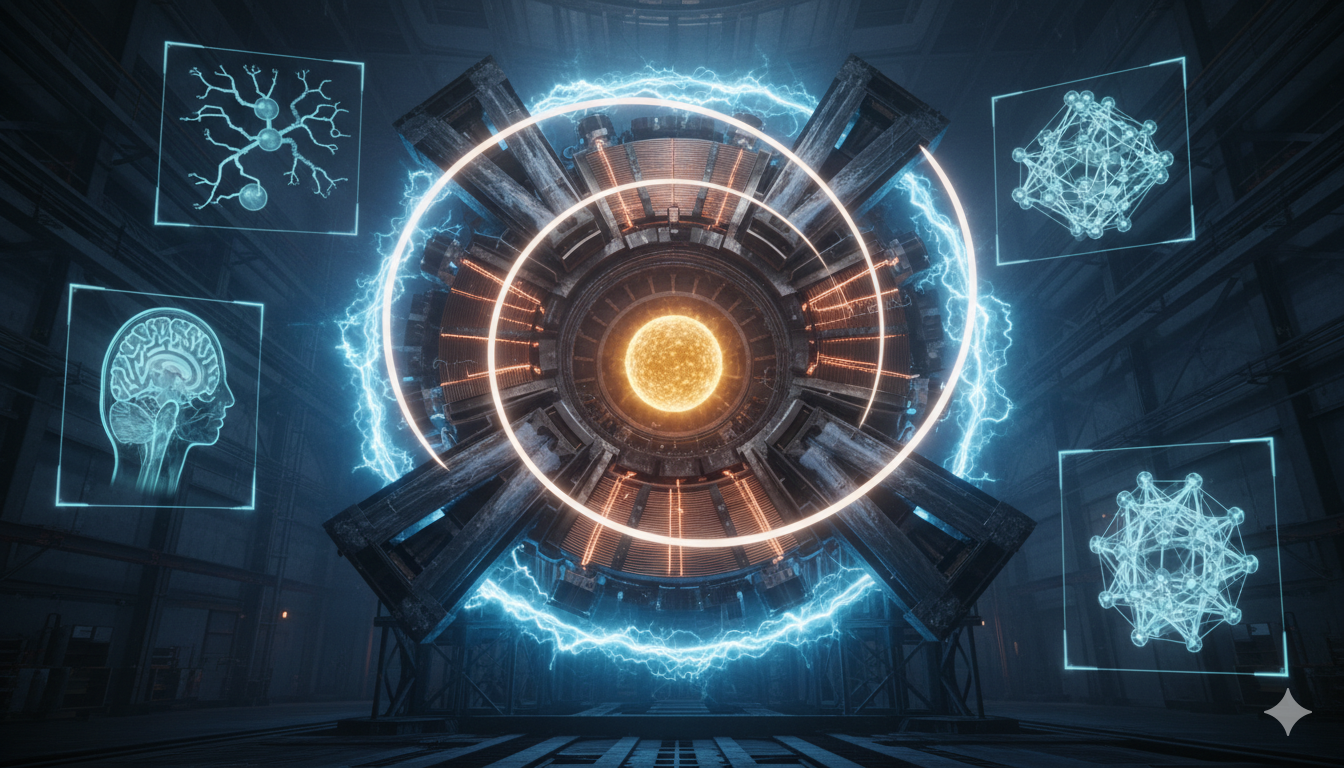
The Unyielding Force: How Resistive Magnets Power Humanity’s Greatest Scientific Leaps

  In the world’s most advanced laboratories, where scientists probe the very foundations of matter, resistive magnets stand as monumental achievements in human engineering. These colossal machines generate magnetic fields exceeding 400,000 times the strength of Earth’s own, creating conditions…

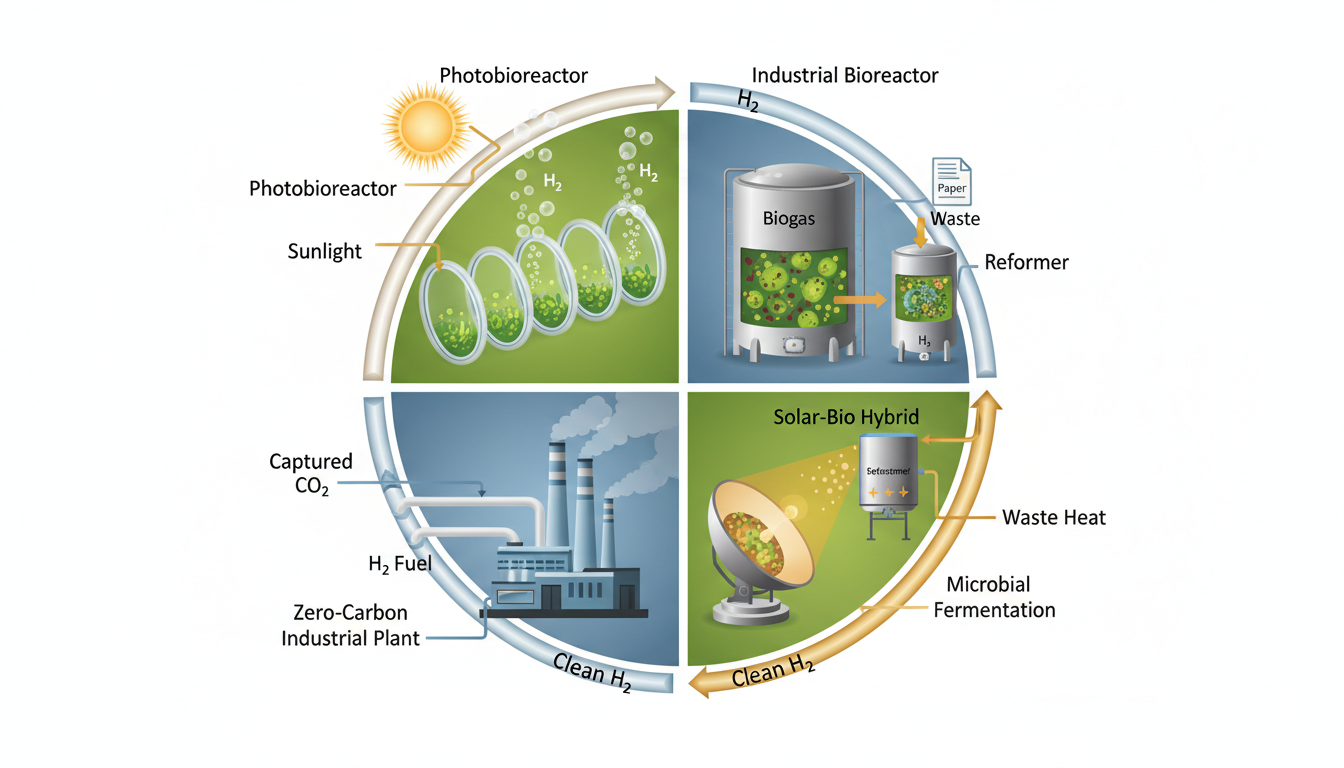
Global Innovations in Biological Hydrogen Production: From Microalgae and Paper Waste to Solar-Bio Hybrids and Industrial Synergie

As the world accelerates its transition to clean energy, hydrogen has emerged as a cornerstone of decarbonization strategies—particularly in hard-to-electrify sectors like steelmaking, shipping, and heavy transport. However, the majority of today’s hydrogen is still produced from fossil fuels through…

Hypersonic Scramjet Propulsion technology: Revolutionizing Hypersonic Platforms and Weapons

Introduction: The Hypersonic Revolution Hypersonic flight—defined as speeds exceeding Mach 5, or 3,836 mph (6,200 km/h)—has moved from the realm of science fiction to the forefront of aerospace engineering. Central to this leap is scramjet, or supersonic combustion ramjet, propulsion:…

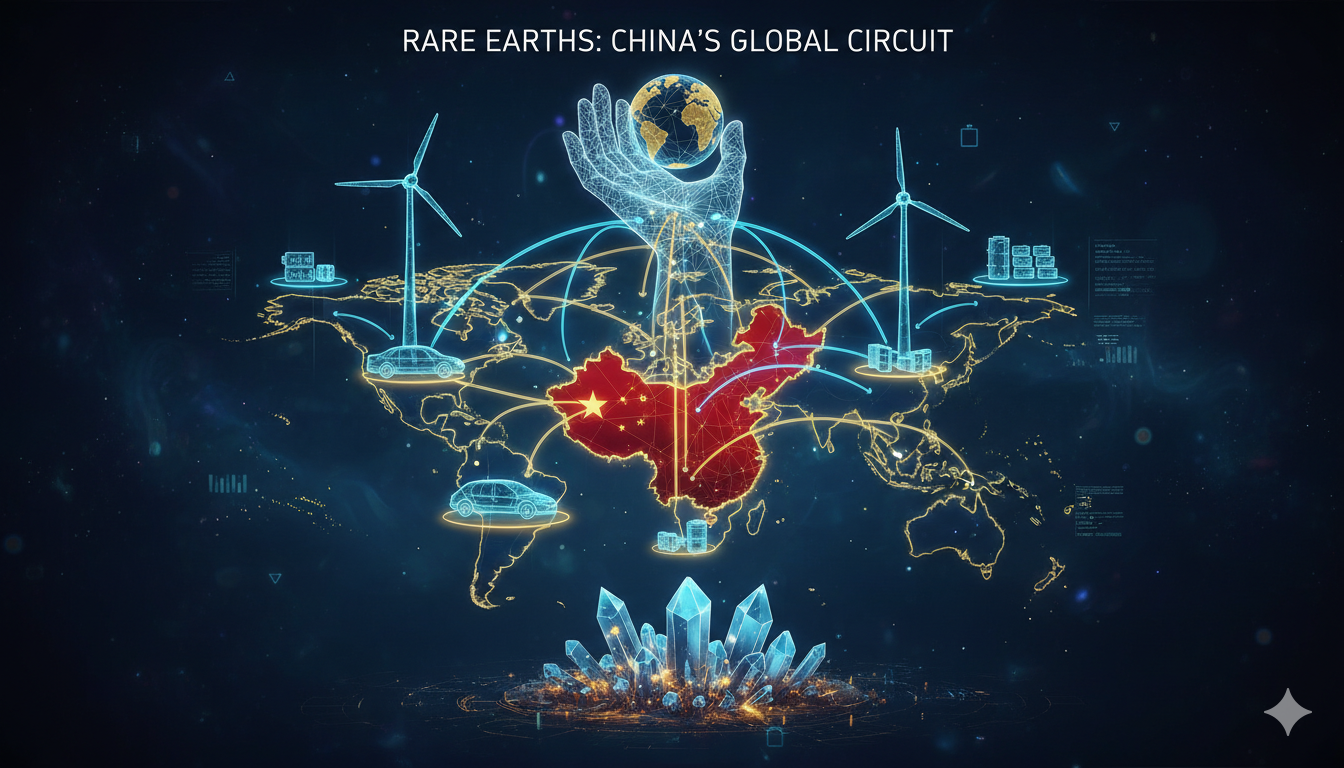
China’s Rare Earths and Critical Minerals Stranglehold: How Beijing Controls the Future of Global Energy Geopolitics

  Introduction: The New Frontline of Global Power In the 21st century, wars may not be fought solely with missiles or soldiers but with minerals. Clean energy systems, electric vehicles, semiconductors, AI infrastructure, and next-generation defense platforms all rely on…

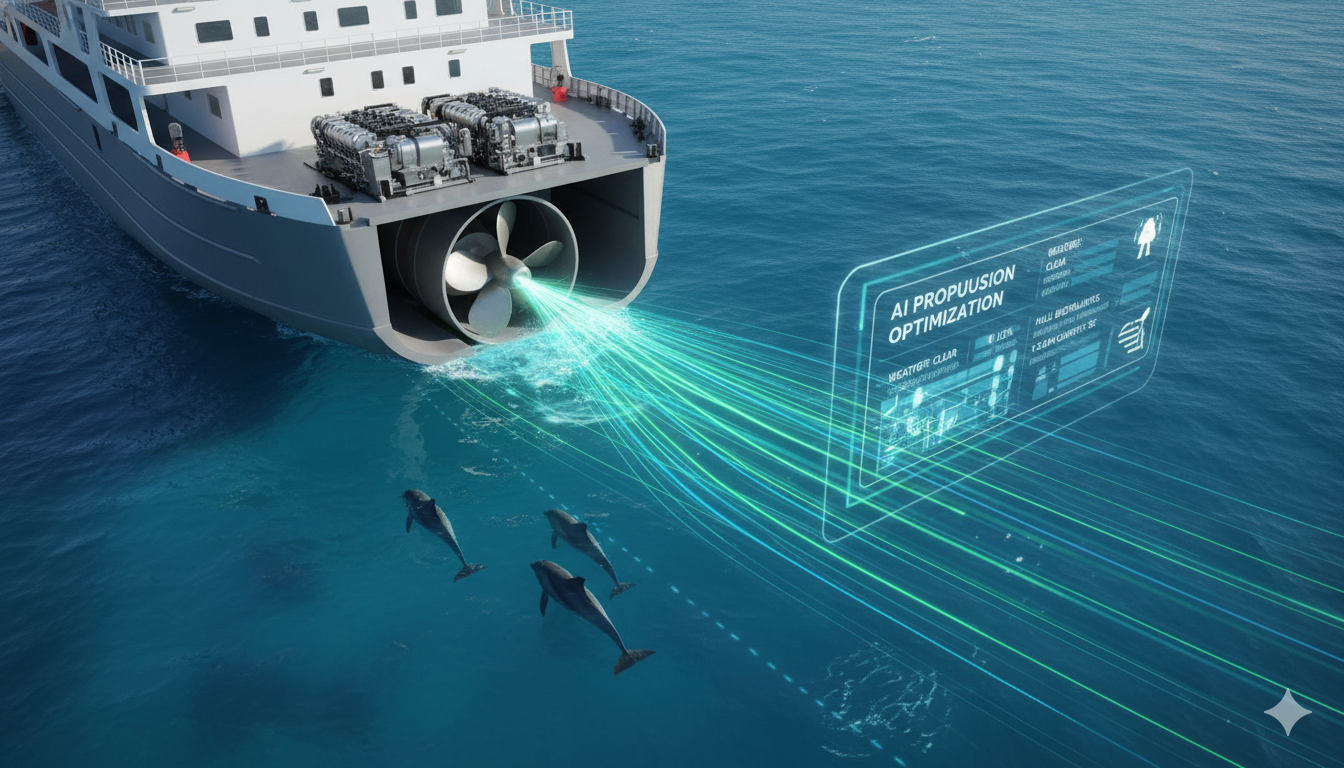
Smart Propulsion: How AI is Revolutionizing Marine Efficiency and Sustainability

The Challenge: Meeting Emissions Targets While Cutting Costs The global shipping industry is at a critical juncture. The International Maritime Organization’s (IMO) 2050 zero-emission target is fast approaching, and the looming implementation of carbon pricing mechanisms will fundamentally change the…

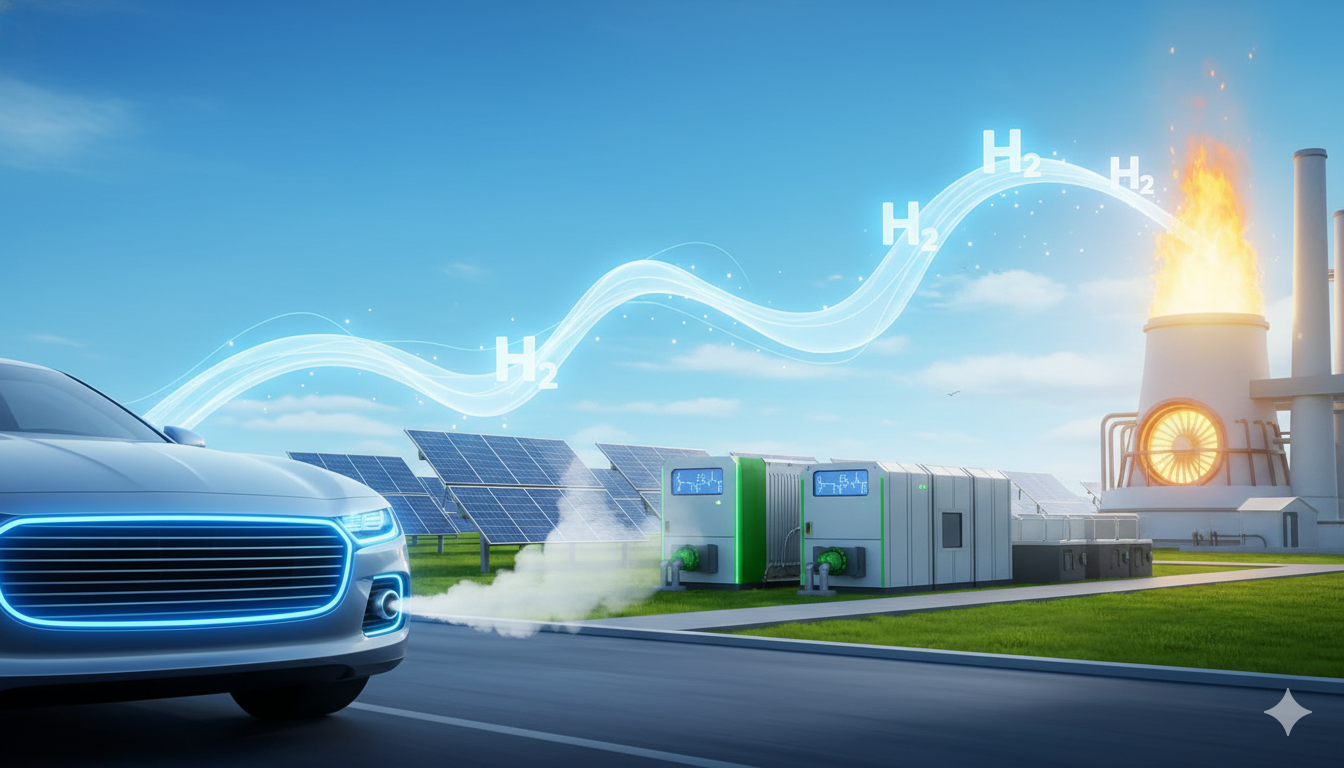
The Top Uses of Hydrogen Power: Latest Breakthroughs and Developments

Hydrogen: The Clean Energy Game-Changer In the race to reach net-zero emissions, one fuel is capturing the world’s imagination—and investment dollars—like no other: hydrogen. In particular, green hydrogen, produced using renewable energy, is emerging as a versatile and powerful energy…

The Energetic Materials Revolution: Powering Hypersonic Warfare and Geopolitical Dominance in 2025

Introduction: The New Era of Energetic Superiority In today’s era of rapidly evolving warfare and strategic competition, energetic materials—including explosives, propellants, and pyrotechnics—have emerged as silent enablers of technological and geopolitical power. Far beyond their traditional roles, these compounds are…