
Introduction: The Sleeping Giant Awakens
Geothermal energy, long considered a niche renewable, is experiencing a dramatic reawakening. Once constrained by geography and cost, this reliable energy source is now being revolutionized by next-generation technologies and record-breaking investments. In a resounding sign of this shift, North America’s geothermal sector attracted a staggering US$1.7 billion in public funding in Q1 2025 alone—85% of the entire 2024 allocation, according to Wood Mackenzie. This surge underscores growing recognition that geothermal could be the key to providing 24/7 carbon-free baseload power in a renewable-dominated grid.
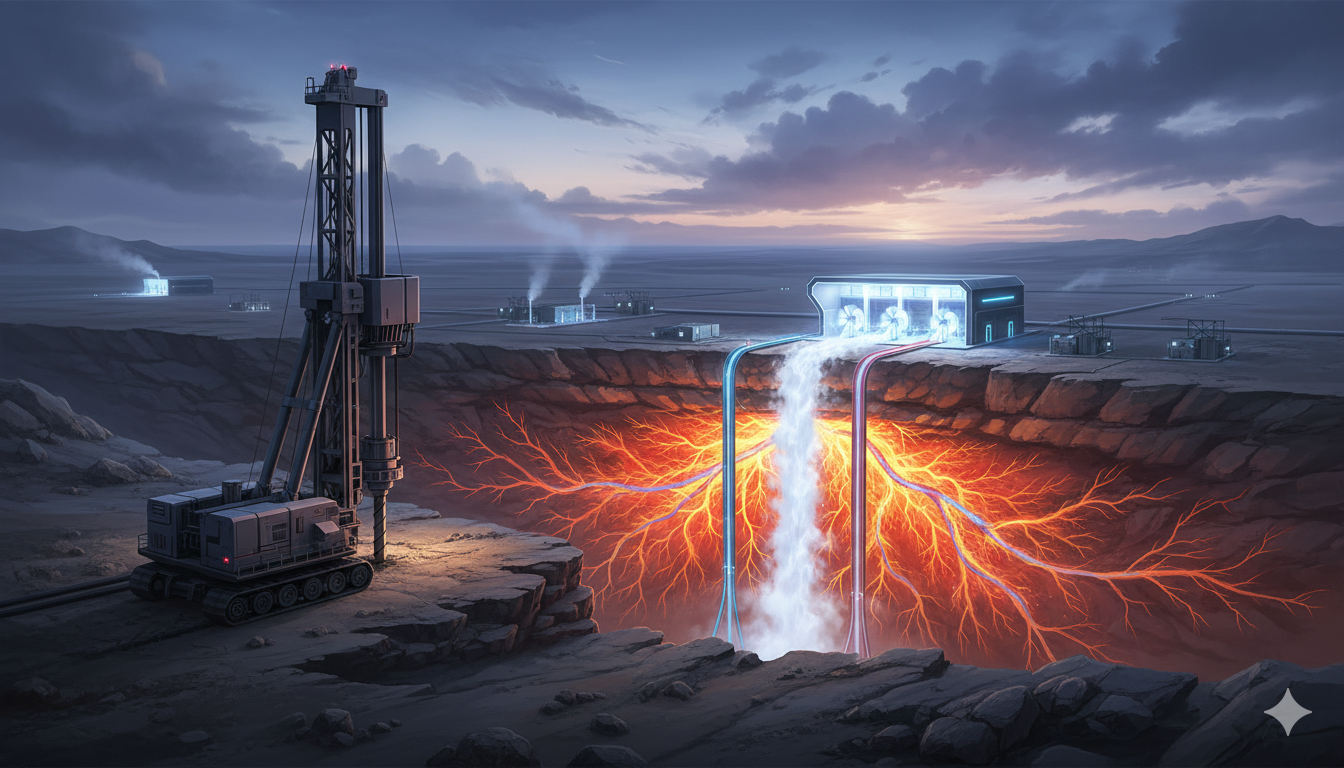
With enhanced geothermal systems (EGS), advanced geothermal systems (AGS), and superhot rock (SHR) technologies eliminating traditional barriers, the sector is now on the cusp of unlocking the Earth’s inner heat almost anywhere—not just in volcanic hotspots. These innovations, coupled with political will and market momentum, position geothermal as a cornerstone of the clean energy transition, potentially supplying up to 15% of global electricity by 2050.
Tapping Earth’s Inner Heat: Geothermal Energy and the Next Clean Power Revolution
As the world seeks cleaner, more sustainable sources of energy, geothermal power is rapidly gaining momentum as a key player in the green energy revolution. While solar and wind have long dominated headlines, recent advancements in drilling, heat exchange systems, and subsurface imaging are unlocking the vast potential of Earth’s internal heat. With virtually limitless reserves and minimal carbon emissions, geothermal energy is emerging as a consistent and scalable solution to the planet’s energy demands.
Geothermal energy draws on the immense heat trapped beneath the Earth’s surface, fueled by the decay of naturally occurring radioactive elements. This energy—nearly 30 terawatts globally—is more than double humanity’s current energy consumption. What makes geothermal particularly attractive is its round-the-clock reliability. Unlike intermittent sources like solar and wind, geothermal systems provide a stable base load of power, 24/7, regardless of weather conditions or time of day. As such, it can seamlessly complement other renewables in a modern, balanced energy grid.
Recent innovations have expanded geothermal’s reach beyond volcanic hotspots. Enhanced Geothermal Systems (EGS), for instance, create artificial reservoirs by injecting water into hot, dry rock formations deep underground. This technology has the potential to unlock geothermal power nearly anywhere on the planet. Additionally, shallow geothermal heat pumps are now widely used in homes and businesses to provide energy-efficient heating and cooling. These systems exploit the Earth’s relatively stable subsurface temperatures just a few feet down, offering sustainable climate control in all seasons.
The versatility of geothermal energy is another major advantage. Beyond electricity generation, it has long been used for direct applications—such as heating buildings, greenhouses, aquaculture ponds, and even for food processing industries like milk pasteurization. Hot springs, geysers, and fumaroles have historically been harnessed for bathing and cooking, highlighting geothermal’s ancient yet continually evolving role in human society. In countries like Iceland, geothermal already accounts for the majority of heating and electricity needs, offering a model of sustainable energy independence.
Looking ahead, the global geothermal market is poised for robust growth, with a projected compound annual growth rate (CAGR) of over 5% from 2022 to 2028. Driven by rising fossil fuel costs, growing climate commitments, and technological breakthroughs, geothermal is increasingly viewed not just as a regional resource, but a global opportunity. With proper investment and regulatory support, this ancient energy source could power the future—quietly, cleanly, and continuously for generations to come.
:no_upscale()/cdn.vox-cdn.com/uploads/chorus_asset/file/21957681/Screen_Shot_2020_10_11_at_9.19.38_PM.png)
The Benefits of Geothermal Energy: Reliable, Renewable, and Resilient
1. Dispatchable and Always Available
Geothermal energy stands apart as the only readily dispatchable source of renewable energy. Unlike solar and wind—whose outputs fluctuate with time of day and weather—geothermal power is available 24/7. More importantly, its output can be ramped up or down without loss, allowing it to meet demand in real-time. As power grids become increasingly decentralized and rely more heavily on variable renewables, geothermal’s ability to provide flexible, on-demand power will become critically valuable for ensuring grid stability.
2. Clean and Emission-Free
Geothermal energy is a prime example of clean energy in action. Unlike fossil fuels such as coal, oil, and gas, geothermal plants emit little to no greenhouse gases. This makes them a powerful tool in the fight against climate change and a contributor to improved air quality in nearby regions. By displacing carbon-intensive energy sources, geothermal helps nations reduce their carbon footprints and meet emissions reduction targets.
3. Renewable and Sustainable
The source of geothermal energy—the Earth’s internal heat—is continuously replenished by natural geological processes. As long as the planet exists, this resource is effectively inexhaustible. Modern geothermal systems can sustainably extract heat for decades without depleting the reservoir, making it a truly long-term energy solution, unlike rapidly diminishing fossil fuel reserves.
4. Provides Baseload Power
One of geothermal energy’s greatest advantages is its ability to provide baseload power—a consistent and stable supply of electricity. Unlike solar and wind power, which are intermittent and weather-dependent, geothermal plants operate continuously, regardless of external conditions. This reliability makes geothermal an ideal complement to intermittent renewables, ensuring a balanced and resilient energy mix.
5. Localized Energy and Economic Growth
Geothermal power plants can be developed close to demand centers, reducing the need for long-distance electricity transmission. This localization minimizes energy losses in transit and improves overall system efficiency. Furthermore, geothermal development brings tangible benefits to local economies by creating jobs, supporting infrastructure, and fostering regional development through sustainable energy projects.
Environmental and Grid-Level Advantages
Geothermal energy offers a unique combination of environmental sustainability and grid reliability that sets it apart from other renewables. With capacity factors nearing 90%, geothermal provides consistent, baseload electricity—a stark contrast to the variability of wind and solar power. Its compact land footprint further strengthens its appeal; geothermal installations require significantly less space per megawatt generated compared to solar arrays or wind farms. Additionally, geothermal systems produce substantially lower lifecycle greenhouse gas emissions, and geothermal heating and cooling systems can reduce CO₂ emissions by up to 70% relative to conventional fossil fuel systems.
As global grids become more reliant on intermittent renewable sources, the stabilizing role of geothermal energy grows increasingly vital. Its ability to deliver uninterrupted power makes it an ideal complement to solar and wind, particularly in regions where battery storage solutions are either too costly or technically immature. By serving as a reliable foundation for renewable energy portfolios, geothermal helps enhance grid resilience while supporting deep decarbonization goals
Geothermal energy presents a compelling array of benefits—clean, renewable, sustainable, and dispatchable. It supports the energy transition by providing reliable power, enhancing grid resilience, and enabling decarbonization efforts. As breakthrough technologies continue to unlock more geothermal potential, this often-overlooked resource is poised to play a central role in the clean energy revolution.
For deeper understanding of Geothermal energy and applications please visit: Geothermal Power: A Comprehensive Guide to Sustainable Energy Solutions
Beyond Electricity: Military and Industrial Integration
The role of geothermal is expanding beyond electricity into industrial and strategic applications. Microgrids at U.S. military bases enhance energy security and reduce dependency on vulnerable grid systems. The DOE’s $1.36 billion Project ATLiS aims to extract lithium from geothermal brines, helping secure domestic critical mineral supply chains for EV batteries and other technologies.
Military installations are critical infrastructure tasked with supporting national defense operations—whether through housing personnel, running training facilities, managing logistics, or coordinating missions abroad. These bases must operate without interruption, even under threat or during large-scale emergencies. To achieve this, they require a resilient, secure, and continuous energy supply that can function independently of the commercial power grid when necessary.
Geothermal energy offers a powerful solution to this challenge. By tapping into subsurface heat, military bases can generate clean electricity and thermal energy on-site—reducing dependency on vulnerable external grids or fuel convoys. This is particularly valuable for forward operating bases, where transporting fossil fuels poses logistical difficulties and exposes personnel to security risks. On-site geothermal power enhances mission readiness while lowering operational risks and costs.
If a geothermal resource of sufficient quality and quantity is located within or near the base, it can potentially meet the entire energy and heating demand of the installation. This enables the base to achieve Net Zero energy targets, significantly cut greenhouse gas emissions, and comply with mandates under the Energy Policy Act of 2007 and subsequent executive orders on energy and environmental performance. Additionally, the long operational lifespan and low maintenance needs of geothermal systems make them ideal for military use, offering stable, long-term energy assurance with minimal downtime.
Incorporating geothermal energy into military infrastructure not only enhances national energy security but also sets a precedent for sustainable defense practices. As the Department of Defense continues to prioritize energy resilience, environmental stewardship, and cost-effective operations, geothermal technologies are poised to become a cornerstone of next-generation military energy strategy.
Challenges in Geothermal Energy Exploitation
Despite its promise, geothermal energy remains underexploited largely due to technological, geological, and economic challenges. High-temperature environments—exceeding 150°C—pose significant risks to traditional drilling equipment, much of which was originally developed for the oil and gas sector without consideration for extreme geothermal conditions. Tools can melt, electronics often fail without specialized insulation, and harder subsurface rocks increase mechanical stress, demanding advanced materials and more robust drilling systems. These challenges are particularly acute in enhanced geothermal systems (EGS), where artificial reservoirs must be created by fracturing rock at depth.
Geothermal resources, while theoretically vast, are geographically constrained in practice. Most high-grade geothermal reservoirs are concentrated in tectonically active regions such as the western United States, the Pacific Ring of Fire, and parts of East Africa. According to the Geothermal Energy Association, the U.S. leads global installed capacity with around 3,386 MW, yet only a fraction of its total potential has been tapped. Moreover, despite the presence of military bases in Known Geothermal Resource Areas, only one full-scale power plant exists on Department of Defense land, reflecting the practical difficulties of converting resource availability into operational projects.
One of the major financial hurdles in geothermal development is the high upfront capital expenditure. As emphasized by the National Renewable Energy Laboratory, about half of the total project cost is buried beneath the surface in the form of drilling, well development, and resource confirmation—none of which guarantees a successful outcome. Drilling geothermal wells is a slow and costly process, progressing at 150–200 feet per day compared to over 750 feet per day in oil and gas. These extended timelines and higher risks make it difficult to attract private investment without government support or risk-sharing mechanisms.
Nevertheless, optimism is growing. Advances in directional drilling, reservoir stimulation, and thermally resistant materials are beginning to close the performance gap between geothermal and traditional hydrocarbons. In Europe, low-enthalpy geothermal energy is being increasingly adopted for heating in residential and district energy systems, demonstrating that scalable, distributed geothermal applications are viable even outside volcanic zones. Encouragingly, former oil and gas executives, like Halliburton’s Vik Rao, are championing geothermal as a scalable, clean alternative that leverages existing industry skills and infrastructure. With continued investment and policy backing, geothermal energy could evolve from a niche resource into a cornerstone of global clean energy strategy.
The pros and cons of geothermal energy
| Pros | Cons |
|---|---|
| Generally environmentally friendly; does not cause significant pollution | Some minor environmental issues |
| Renewable and sustainable | Sustainability relies on reservoirs being properly managed |
| Massive potential | Location-specific |
| Reliable | High initial costs |
| Great for heating and cooling |
Overcoming Historical Challenges: Cost, Location, and Seismicity—No Longer Dealbreakers
Historically, geothermal energy faced significant hurdles—including high upfront capital costs, limited site accessibility, and lengthy permitting processes—that constrained its growth. However, a convergence of technological innovation, regulatory reforms, and policy incentives is rapidly shifting this paradigm.
Recent U.S. leasing reforms now streamline exploration and development across over 100,000 acres of geothermal-rich terrain in states like Utah and Alaska, as well as internationally in regions such as Chile. These policy changes reduce development timelines and open new frontiers for investment. Simultaneously, next-generation geothermal technologies such as Advanced Geothermal Systems (AGS) are eliminating traditional risks. Unlike legacy systems, AGS can operate without hydraulic fracturing, alleviating concerns over induced seismicity and improving public acceptance. Together, these advances are transforming geothermal from a niche solution into a scalable pillar of clean energy infrastructure.
Breakthrough Technologies Driving the Geothermal Revolution
Geothermal energy is experiencing a technological renaissance, overcoming decades-old limitations of cost, accessibility, and scalability. This transformation is being powered by a surge of innovations across deep drilling, Enhanced Geothermal Systems (EGS), Advanced Geothermal Systems (AGS), Direct-Use Geothermal Systems (DGS), and Geothermal Heat Pumps (GHPs). At the forefront are new drilling technologies—such as directional, slimhole, and millimeter-wave tools—that now allow access to hotter, deeper reservoirs across geographies once considered uneconomical or off-limits. These advancements are not only expanding the global geothermal footprint but also enabling round-the-clock, zero-carbon electricity production in both traditional and unconventional locations.
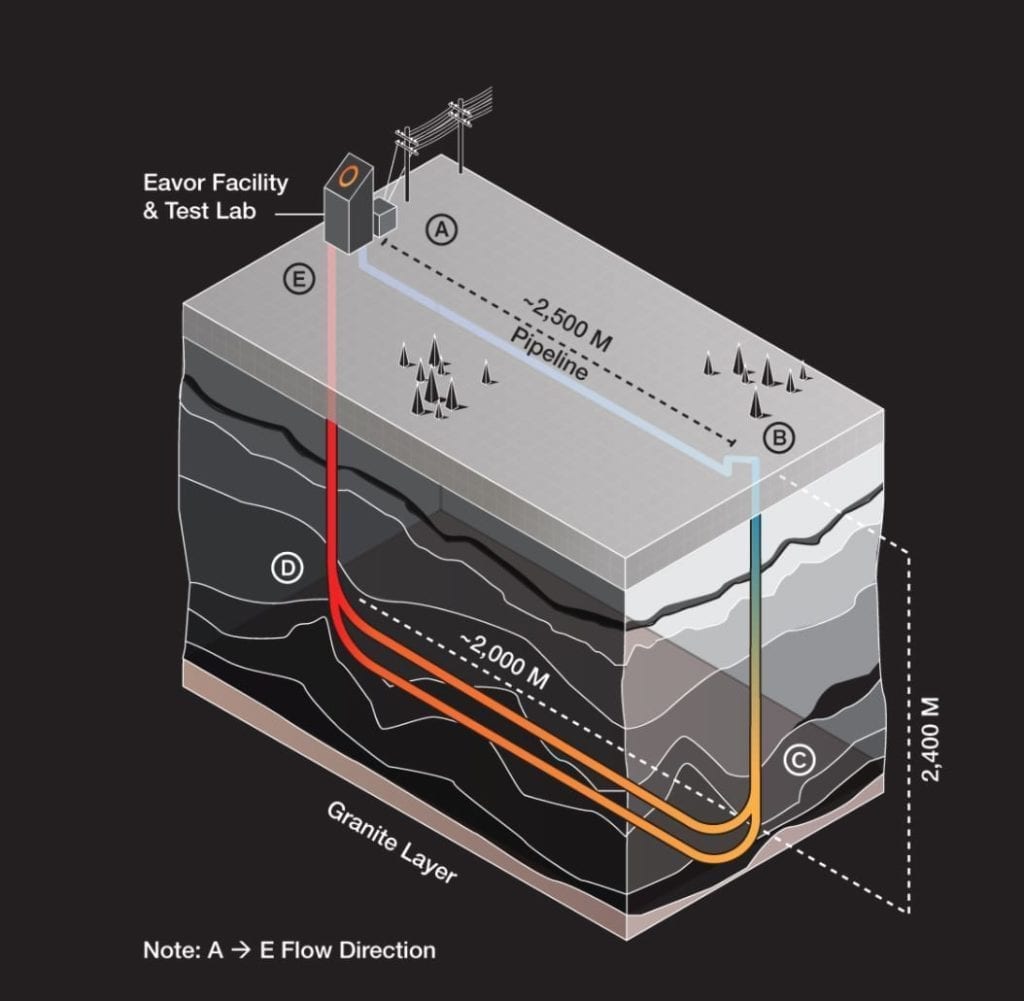
EGS and AGS technologies are pivotal in this shift. EGS systems stimulate engineered reservoirs by injecting fluids into hot, impermeable rock, creating new pathways for heat extraction far beyond naturally permeable zones. Fervo Energy’s 500 MW Cape Station project in Utah exemplifies the potential, using horizontal drilling and fiber-optic sensing to enable real-time performance optimization. Meanwhile, AGS eliminates the need for fracking entirely. Canadian company Eavor has developed a closed-loop thermosiphon system that circulates fluid through sealed underground pipes, delivering geothermal energy with no risk of water contamination or induced seismicity. Eavor’s deployment at the US Air Force’s Joint Base San Antonio underscores geothermal’s growing role in energy security, offering grid-independent, resilient, and clean power.
Simultaneously, geothermal is revolutionizing heating and cooling. Direct-Use Geothermal Systems (DGS) and Geothermal Heat Pumps (GHPs) tap the Earth’s stable shallow temperatures to deliver energy-efficient climate control. GHPs, in particular, reduce HVAC energy consumption by up to 70% and are increasingly deployed in residential, commercial, and institutional buildings—from homes to hospitals to military installations. These systems are becoming more cost-effective as installation costs decline, and they present a compelling alternative to fossil-fueled heating, especially in cold climates or regions dependent on imported energy.
Disruptive Technologies Enabling Scalability and Sustainability
Beyond power generation, several disruptive technologies are addressing geothermal energy’s historic pain points—chiefly high costs, environmental impacts, and geographic limitations. GA Drilling’s ANCHORBIT® system, for example, doubles the speed of deep drilling while increasing bit life in abrasive, high-temperature rock formations. This innovation drastically reduces the time and capital required to access ultra-deep geothermal reservoirs, accelerating project timelines and ROI.
Another breakthrough comes from MGX Minerals and PurLucid Treatment Solutions, who developed a Replaceable Skin Layer (RSL) filtration system for treating geothermal brines. Capable of operating at up to 700°C, the system removes scale-forming ions while extracting valuable minerals like lithium, gold, and magnesium. This innovation transforms geothermal plants into dual-purpose energy and critical mineral production facilities, enhancing financial returns while addressing resource security and sustainability.
Meanwhile, research continues to push boundaries with high-temperature binary cycle turbines, advanced heat batteries, and new brine treatment methods. These innovations improve plant efficiency, reduce emissions, and bolster geothermal’s environmental performance. Together, they help geothermal overcome three traditional constraints: shallow resource dependency, localized viability, and up-front cost intensity. As adoption scales, these advancements will be essential in winning public trust and regulatory support.
Next-Generation Technologies Redefining Accessibility
Some of the most revolutionary geothermal technologies are still emerging but hold transformative potential. Superhot Rock (SHR) geothermal aims to tap ultra-deep formations exceeding 374°C, with energy densities rivaling nuclear power. Companies like Quaise Energy are developing millimeter-wave drilling systems capable of vaporizing rock to reach depths beyond 5 km. Though in the R&D stage, SHR could eventually produce 5–10 times more energy per well than traditional geothermal systems, enabling near-limitless baseload power anywhere on Earth.
As technologies like EGS, AGS, and SHR mature, they are projected to represent 46% of global geothermal capacity by 2050, according to Wood Mackenzie. These next-generation solutions overcome geographic barriers, minimize surface footprints, and open vast untapped regions—rural and urban, volcanic and non-volcanic alike—to geothermal development. The U.S. military’s adoption of AGS and the DOE’s push for EGS and SHR demonstrate that geothermal is moving from fringe to foundational in the clean energy transition.
From Niche to Mainstream: A Global Tipping Point
These technological advancements are not occurring in isolation—they are catalyzing a fundamental shift in how geothermal is viewed within the broader energy mix. The U.S., long the global leader with 4 GW of installed capacity, is poised to unlock up to 500 GW of potential across western states like Utah, Nevada, and Colorado, thanks to leasing reforms and accelerated permitting. Canada is following closely, with exploration projects underway in British Columbia, Alberta, and Yukon, backed by over CA$50 million in funding in 2024 alone. Globally, countries such as Indonesia, Kenya, and Turkey are also scaling geothermal aggressively, pushing projected global capacity to 24 GW by 2030, a 50% increase from 2023.
Industry momentum is also visible in capital markets. With US$1.7 billion invested in the U.S. geothermal sector in Q1 2025 and nearly US$2 billion globally in 2024, geothermal has arrived at an economic inflection point. Technologies like EGS and AGS are proving competitive with fossil fuels even without subsidies, while innovations in mineral extraction, modular plant design, and hybrid systems are drawing new investors. Government support, military adoption, and private sector innovation are converging to push geothermal into the mainstream—offering clean, resilient, and 24/7 energy as the world decarbonizes.
Accelerating Toward a Geothermal Future
Policy Momentum and Strategic Investment
Governments around the world are accelerating the adoption of geothermal energy through robust policy support and strategic incentives. In the United States, the Inflation Reduction Act (IRA) has emerged as a game-changer, offering tax credits that cover up to 50% of the capital costs for geothermal projects—substantially improving their financial viability. Similarly, Canada and the European Union have introduced geothermal-focused policy frameworks that include exploration grants, direct funding mechanisms, and inclusion in national clean energy targets.
Regulatory reforms are also playing a critical role. Across North America, streamlined permitting processes, expanded geothermal exploration leases, and binding net-zero mandates are reducing development lead times and opening up previously untapped geothermal basins. These measures are creating an enabling environment for both public and private investment.
Major corporations are responding to this policy tailwind by integrating geothermal into their long-term sustainability strategies. Tech giants like Google and Microsoft, along with manufacturers such as Steelcase, have entered into long-term Power Purchase Agreements (PPAs) for geothermal electricity. Their rationale: geothermal offers a rare combination of 24/7 reliability and zero direct emissions—making it one of the few baseload renewables capable of supporting carbon neutrality goals at scale.
This alignment between policy, investment, and private-sector commitment is catalyzing a new era of geothermal growth—where it is not just an alternative, but a strategic pillar in the global clean energy transition.
Future Outlook: A Resilient and Scalable Energy Source
Geothermal power is rapidly evolving from a niche energy solution to a cornerstone of global energy strategies. With the market projected to reach a value of USD 10.78 billion by 2034, geothermal is no longer a marginal player—it is increasingly being recognized as a critical contributor to the global transition toward net-zero emissions. As energy systems modernize, the adoption of advanced geothermal technologies such as binary cycle plants and Enhanced Geothermal Systems (EGS) is expanding the range of viable locations for development. Moreover, the integration of artificial intelligence, real-time subsurface monitoring, and the repurposing of legacy oil and gas infrastructure is making geothermal more economically viable and technically accessible than ever before.
What makes geothermal particularly compelling is its ability to support multiple energy use cases beyond electricity generation. The convergence of geothermal with district heating networks, green hydrogen production, and decentralized off-grid energy systems is opening new avenues for its deployment. This multi-dimensional value is being reinforced by strong policy frameworks, financial incentives, and decarbonization mandates across regions. Unlike intermittent renewable sources, geothermal offers constant, dispatchable output—earning it the classification of a “firm renewable” capable of delivering clean, scalable energy 24/7.
Vision 2050: A Baseload Clean Energy Backbone
Looking ahead to 2050, the International Energy Agency (IEA) envisions a transformative role for geothermal energy, projecting over 800 GW of installed global capacity—enough to supply up to 15% of the world’s electricity demand. When integrated with energy storage systems and smart grid technologies, geothermal energy could serve as the stabilizing backbone of 100% renewable energy infrastructures. Its unique ability to provide both continuous electrical power and high-temperature industrial heat makes it a key enabler of decarbonized industries, including chemicals, cement, and food processing.
Additionally, the emerging potential of geothermal systems for critical mineral extraction—such as lithium from geothermal brines—further enhances its strategic relevance in a future green economy. As countries increasingly focus on energy resilience, security, and climate goals, geothermal stands out as a versatile, low-emission, and locally available resource that will play a central role in the clean energy mix for decades to come.
Conclusion: The Earth’s Inner Power, Finally Unleashed
Geothermal energy is no longer a curiosity reserved for volcanic zones. With cutting-edge technology breaking down historical barriers and a surge in public and private investment, geothermal is stepping into the clean energy spotlight. Offering constant power, minimal land use, and unparalleled reliability, it is uniquely positioned to serve as the baseload pillar of tomorrow’s energy system.
As Wood Mackenzie notes, the geothermal sector is undergoing a “technology-led awakening,” with an 80% increase in new well announcements, nearly US$2 billion in total investment, and the potential to rival the scale of traditional oil and gas. For a world racing toward carbon neutrality, the heat beneath our feet may well become our most dependable ally.
“Geothermal is no longer a niche play. It’s scalable, potentially in a highly material way.”
– Vik Rao, Former CTO of Halliburton
References & Further Reading
- Wood Mackenzie: Geothermal Investment Soars 85% (2025)
- Carnegie Endowment: Unlocking Global Geothermal (2025)
- GA Drilling’s ANCHORBIT® Breakthrough (2023)
References and resources also include:
http://themilitaryengineer.com/index.php/staging/item/312-the-power-of-geothermal
https://www.powermag.com/is-geothermal-power-on-the-brink-of-a-boom/