Space Technology, Defense & Exploration examines how space has evolved from a support domain into a contested, operational, and strategic environment. This magazine analyzes satellites, launch systems, space surveillance, missile defense, advanced aerospace platforms, and emerging domain-control capabilities that shape modern deterrence and power projection. The focus is on resilience, access, and strategic leverage in space—how nations protect, contest, and exploit orbital and near-space environments to secure long-term technological and geopolitical advantage.
IDST Intelligence Briefings
The intelligence briefings below provide visual, systems-level context to complement long-form written analysis. These videos focus on how space technologies function in practice, how they integrate with military and strategic architectures, and why specific capabilities matter for deterrence, surveillance, and power projection. Rather than news-driven coverage, the emphasis is on enduring concepts, architectures, and capability trajectories shaping the future of space security.
Why This Magazine Exists
Space has transitioned from a benign support domain into a contested strategic environment where surveillance, communication, navigation, deterrence, and power projection increasingly depend on orbital and near-space systems. As military, commercial, and civil actors expand their presence beyond Earth, control, resilience, and denial in space have become central to national security and geopolitical competition. This magazine exists to provide intelligence-grade analysis of how space technologies, policies, and systems are reshaping modern conflict, deterrence stability, and long-term strategic balance.
What We Track
This magazine tracks developments across the full space and advanced-domain security ecosystem, including:
- Military and dual-use satellites (ISR, communications, navigation, early warning)
- Space situational awareness, tracking, and orbital resilience
- Counterspace capabilities and space-control strategies
- Missile defense, hypersonic sensing, and space-based sensors
- Launch systems, reusable platforms, and access-to-space economics
- Space policy, norms, militarization, and strategic competition
- Integration of space assets with air, cyber, and terrestrial forces
Latest Analysis & Intelligence
-
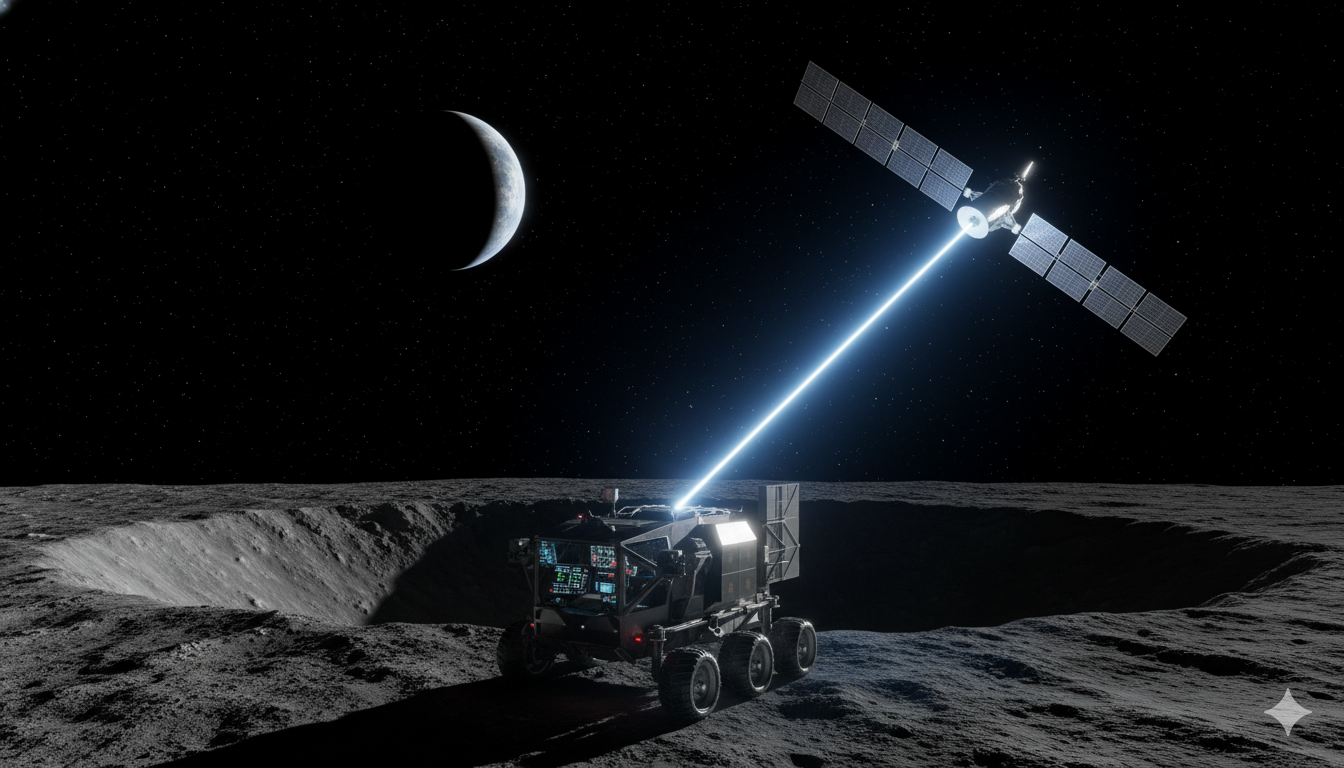
Beaming Moonlight: How a Lunar Power Grid Could Revolutionize Space Exploration
Imagine a future where a rugged lunar rover, its solar panels plunged into the deep freeze of a two-week lunar night, doesn’t power down. Instead, it receives a steady, invisible beam of energy from a satellite overhead, giving it the power to keep exploring. This isn’t science fiction—it’s the promising concept of a Lunar Power…
-

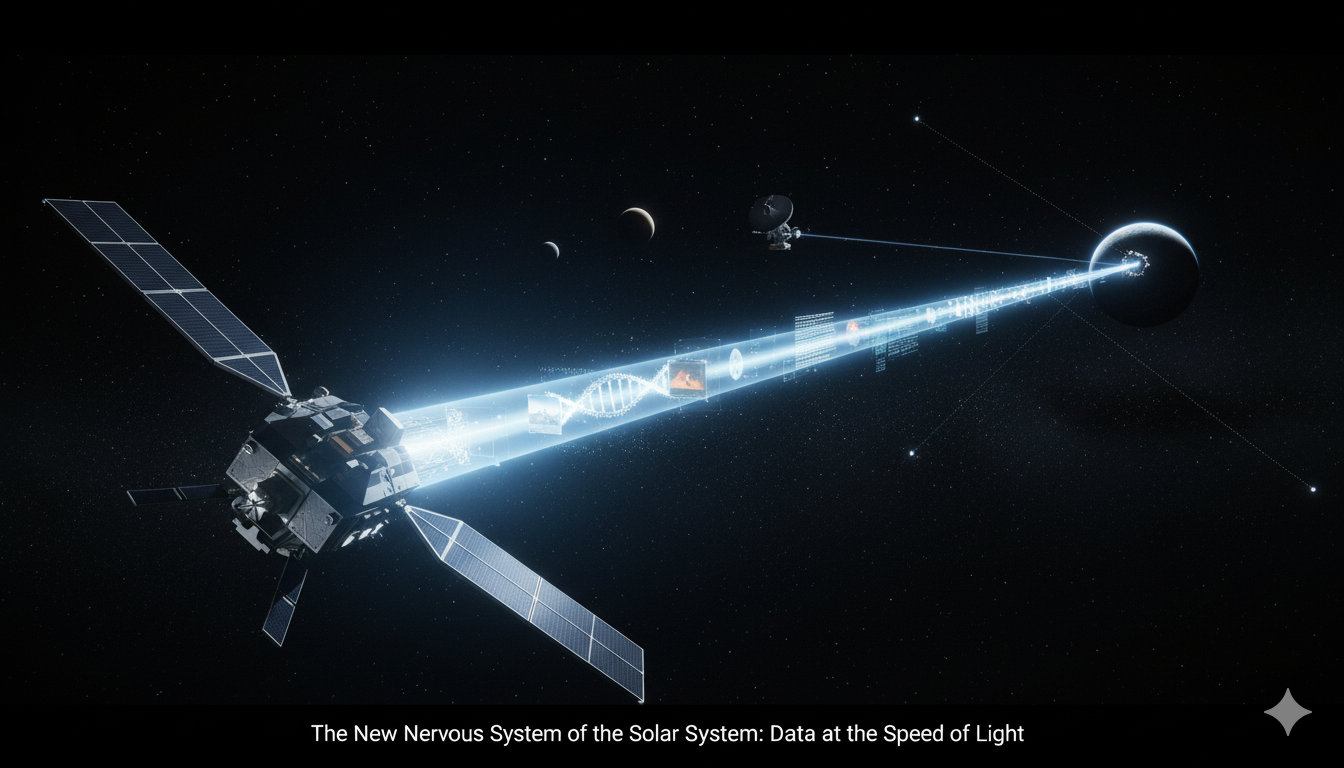
Bridging the Cosmic Divide: Free Space Laser Communications for Satellites, Moon, and Mars
For decades, radio frequency (RF) communication has been the lifeline of space exploration. From the faint signals of Sputnik to the continuous data streaming from the Perseverance rover on Mars, radio waves have carried humanity’s voice into the cosmos. But as our missions grow more ambitious—high-definition video from the Moon, vast sensor datasets from…
-
Electrospray Thrusters: Powering the Next Generation of Small Satellites
As the space industry shifts toward smaller, more agile satellites, traditional propulsion systems often fall short of meeting the demands of precision, efficiency, and scalability. A breakthrough technology is emerging to fill this gap: electrospray thrusters. Compact yet powerful, these devices are redefining what’s possible in satellite propulsion, offering unprecedented levels of efficiency and…
-
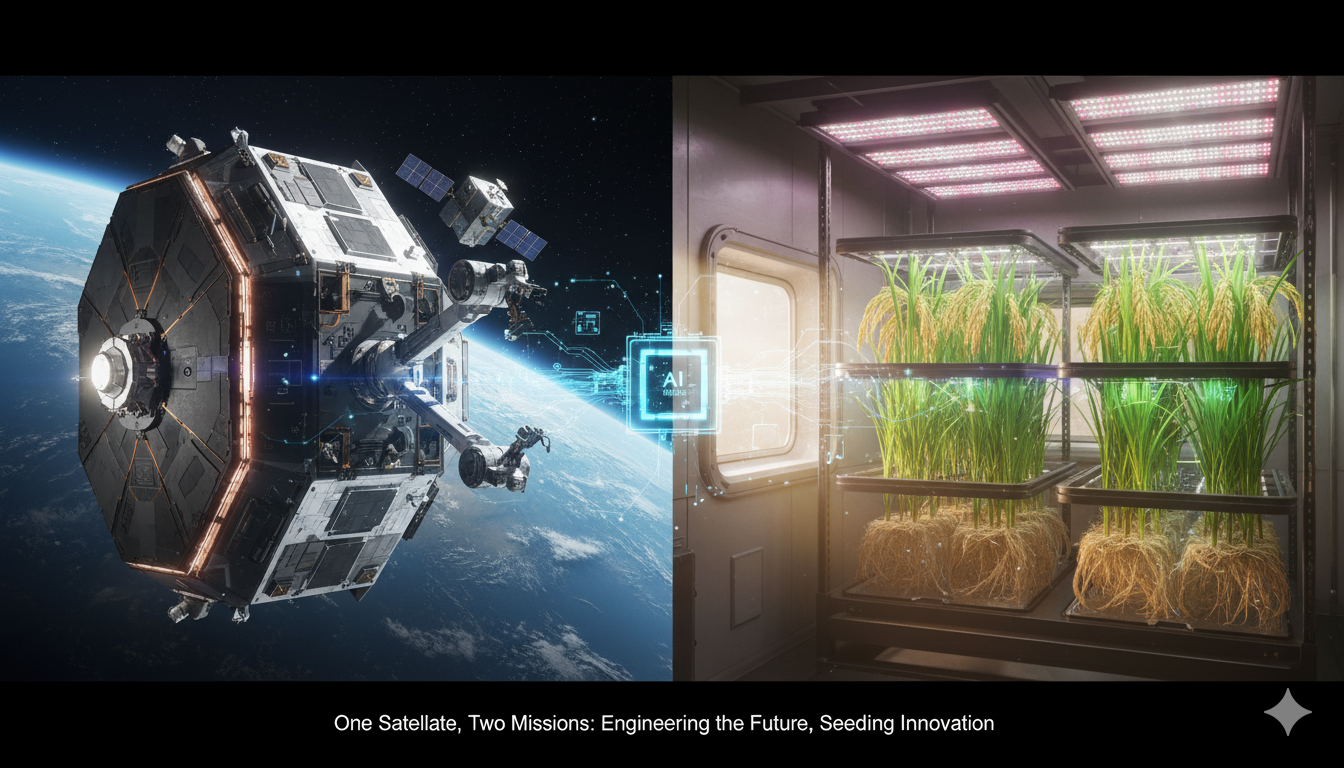
China’s Shijian-19: A New Era in Reusable Satellites and Space-Based Innovation
China has taken another bold step in its rapidly advancing space program with the successful launch of the Shijian-19 satellite, a reusable spacecraft designed to support cutting-edge research in space breeding and critical technology demonstrations. Launched aboard a Long March rocket, the mission underscores China’s growing capabilities in reusable space systems and its strategic focus…
-
Terahertz Radar: Piercing the Veil on Stealth, Space Debris, and the Battlefield
For decades, dominance over the electromagnetic spectrum has defined superiority in defense and security. Microwave radars have enabled long-range detection, while infrared sensors have tracked heat signatures. Yet, between these two lies a little-explored region of the spectrum—the terahertz (THz) band. Occupying the frequencies between 0.3 and 3 THz, this “terahertz gap” is now being…
-
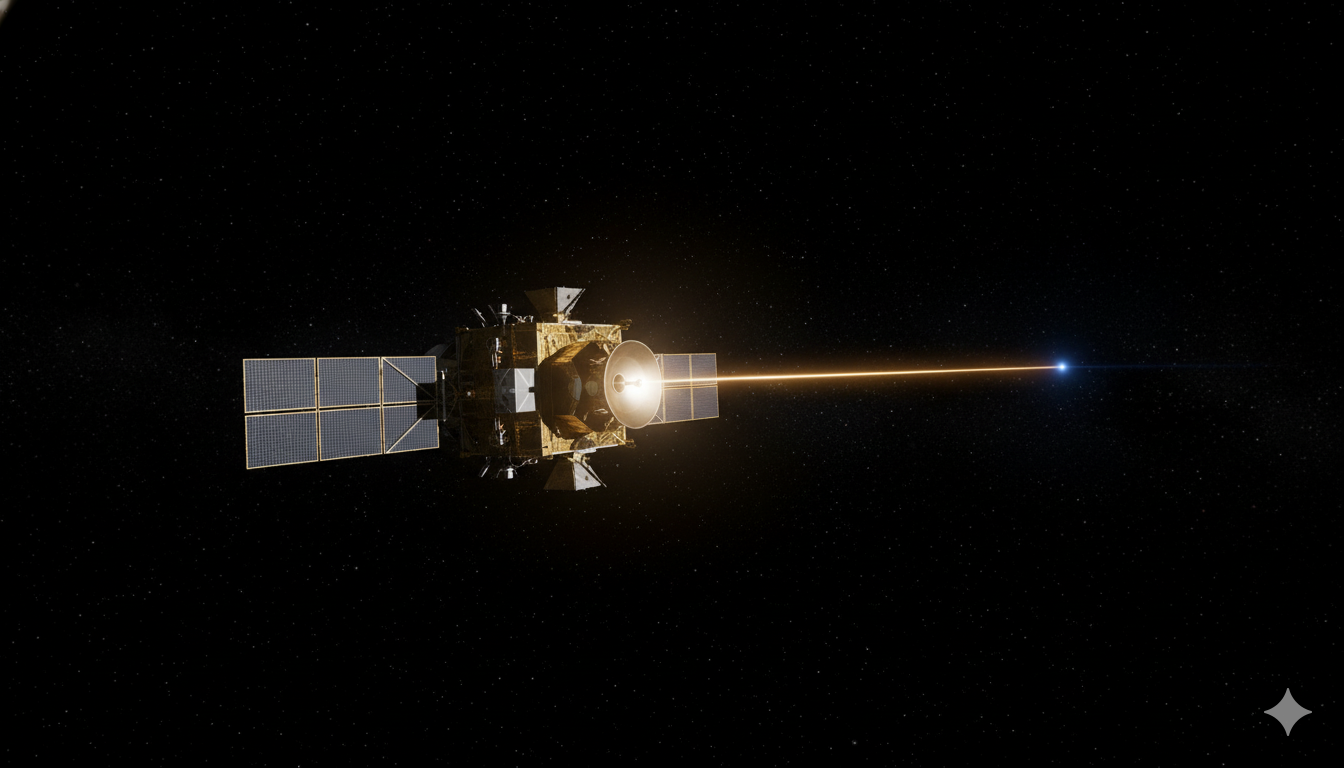
The Technology and System Aspects of Free-Space Optical Communication
Free-Space Optical Communication (FSOC) represents a radical departure from traditional radio-based systems, signaling a paradigm shift in how we imagine communication across the cosmos. Unlike conventional radio waves, FSOC uses visible and infrared light to transmit data through tightly focused beams of photons. Operating on the principle of line-of-sight, FSOC establishes an optical wireless link…
-
Lunar Fortresses: How the Regolith Revolution is Shielding Humanity’s Future on the Moon
Imagine a future where cities on the Moon aren’t built from steel and glass but from the very dust beneath our feet. That future is now taking shape, as lunar regolith becomes humanity’s greatest ally in surviving the harshest conditions of space. Lunar Habitation: Building for Survival and Sustainability Living on the Moon is not…



Related Domains & Cross-Cutting Themes
Space does not operate in isolation. Coverage within this magazine frequently intersects with cyber operations, missile systems, advanced aerospace platforms, and emerging technologies. Readers interested in deeper technical, industrial, or geopolitical dimensions are encouraged to explore related magazines across the IDST intelligence network.