Modern security is defined by persistence, coordination, and anticipation. This sub-magazine focuses on how threats are identified, mitigated, and managed across institutions, infrastructures, and societies.
Intelligence Briefings
Threat assessment, counter-terrorism, infrastructure protection, security architectures, and risk mitigation.
Why This Magazine Exists
Security failures rarely result from a lack of information—they result from poor integration and response. This sub-magazine exists to examine how security systems are designed, governed, and stress-tested in real conditions
What We Track
- Threat assessment frameworks
- Counter-terrorism and internal security
- Infrastructure and supply-chain protection
- Crisis response and coordination
- Risk governance and resilience planning
Latest Analysis & Intelligence
-

The Next Generation of Road Safety: How AI and Sensors Are Working to Eliminate Drunk Driving
Despite decades of public campaigns and strict enforcement, drunk driving remains one of the leading causes of road fatalities worldwide. Traditional countermeasures—such as roadside breathalyzers—are fundamentally reactive, intervening only after a driver is already impaired and behind the wheel. But what if the car itself could recognize impairment and step in before disaster strikes? That…
-

Microalgae Biotechnology: The Next Frontier in Sustainable Innovation
Introduction Microalgae—microscopic, photosynthetic organisms that thrive in water—have rapidly gained attention as a cornerstone of the bioeconomy. Their remarkable ability to convert sunlight, CO₂, and nutrients into high-value products makes them uniquely positioned to address global challenges in energy, health, food security, and climate change. From powering vehicles to cleaning wastewater and producing nutraceuticals, microalgae…
-
Terahertz Radar: Piercing the Veil on Stealth, Space Debris, and the Battlefield
For decades, dominance over the electromagnetic spectrum has defined superiority in defense and security. Microwave radars have enabled long-range detection, while infrared sensors have tracked heat signatures. Yet, between these two lies a little-explored region of the spectrum—the terahertz (THz) band. Occupying the frequencies between 0.3 and 3 THz, this “terahertz gap” is now being…
-
Beyond the Heat: Innovative Technologies Driving Sustainability in Industrial Drying and Dewatering
If you’ve ever watched the smokestacks of a paper mill or felt the intense heat radiating from an industrial dryer, you’ve seen one of manufacturing’s most energy-hungry challenges: removing water. Drying and dewatering processes are the silent giants of industrial energy use, consuming enormous amounts of thermal and electrical power to evaporate or separate moisture…
-
The Invisible Shield: How Technology is Transforming the Fight Against Sniper Attacks
The Persistent Threat of Sniper Attacks Sniper attacks remain one of the most formidable threats to public safety and military operations. A single concealed shooter, operating from a hidden position hundreds of meters away, can disrupt entire events, terrorize populations, and cause devastating losses. Unlike attackers who must confront their targets directly, snipers strike from…
-
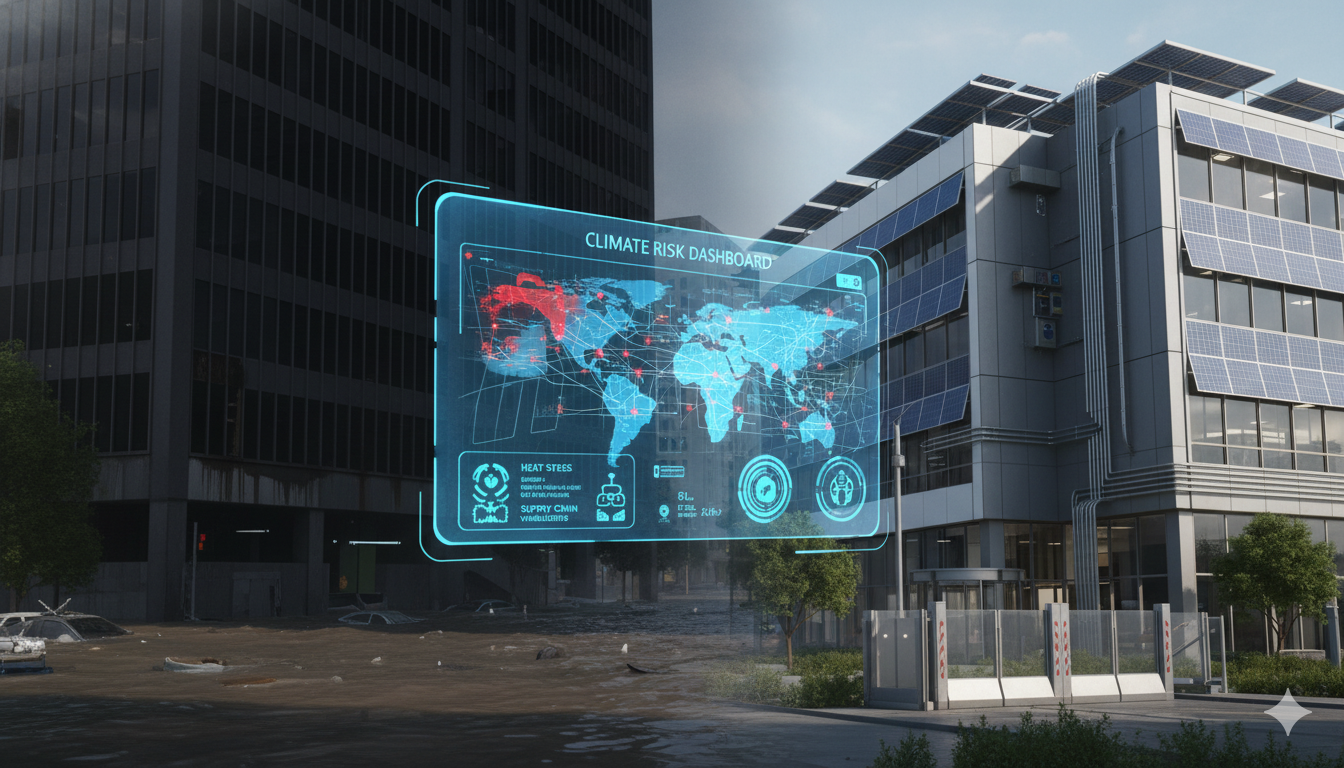
Climate-Related Hazards: A Growing Security Risk for Businesses
Climate change is no longer a distant threat—it is a clear and present danger to businesses worldwide. Flooding, extreme heat, drought, and severe storms are growing in both frequency and intensity, creating direct risks to infrastructure, operations, and financial stability. The United States set a record in 2024 with 27 separate billion-dollar weather and…
-
How Quantum Technology Can Accelerate Progress Toward UN Sustainability Goals
Introduction – Innovation at the Crossroads of Security and Sustainability The United Nations’ Sustainable Development Goals (SDGs) lay out a bold and urgent blueprint for tackling humanity’s most critical challenges—from ending poverty and hunger to advancing clean energy, protecting biodiversity, and ensuring equitable access to education and healthcare. Adopted by all UN member states…