Category Nanotech

Graphene photonics for next generation optical communications, high speed Internet, Nanosatellites and ultrasensitive night vision for military

821ee19c73076a9074fe1f4f0b493d5a

Cloud computing allows application software and services to be delivered from large server farms in data centers over the Internet.  As more and more people use Cloud services, more and more data are created that need to be stored, transmitted…...

IDST Monthly Access Membership Required

You must be a IDST Monthly Access member to access this content.

Join Now

Already a member? Log in here

Nanotechnology has potential to revolutionize maritime and naval warfare environment

nanotechnology in defence sector 17 638

Nanotechnology deals with the understanding, control and manufacture of matter in the nanoscale regime, usually between 1 nm to 100 nm, and exploiting them for a useful application. At this length scale unique properties and phenomena arise as a result…...

IDST Monthly Access Membership Required

You must be a IDST Monthly Access member to access this content.

Join Now

Already a member? Log in here

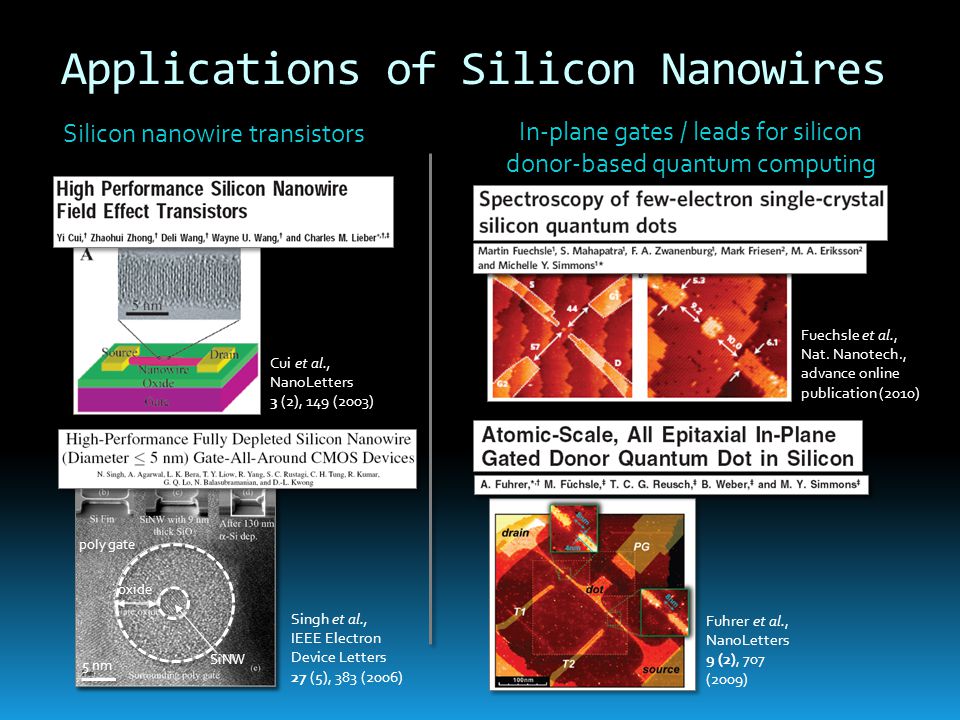
Silicon Nanowires finding applications from biological to explosive sensing, photonics Batteries to spintronics

siliconnanowires

Silicon is predicted to remain as the fundamental material for the micro- and nano-electronics industry and ultra large scale integrated (ULSI) circuits despite the ever-growing research devoted to other materials and their nano structured variants.   Silicon Nanowires (SiNW) are…...

IDST Monthly Access Membership Required

You must be a IDST Monthly Access member to access this content.

Join Now

Already a member? Log in here

One-Dimensional Nanomaterials for next generation electronics , optical communications and multi spectral detectors and cameras

gen electronics

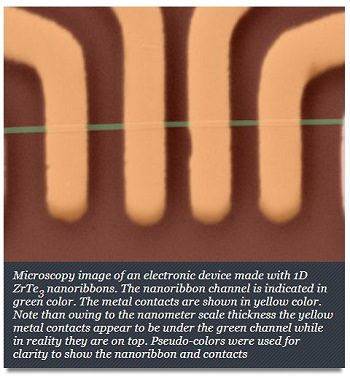
Nanomaterials  are often categorized  based on number of dimensions of a material, which are outside the nanoscale (<100 nm) range. Accordingly, in  one-dimensional nanomaterials (1D), one dimension is outside the nanoscale. This class includes  nanofibers, nanotubes, nanorods, and nanowires. 1D materials are…...

IDST Monthly Access Membership Required

You must be a IDST Monthly Access member to access this content.

Join Now

Already a member? Log in here

Metamaterials based optical cloaks that promise invisible planes, vehicles and armies, and protection from earthquakes & tsunamis

640 invisibility cloak

“Invisibility” is a goal that has been long sought after by the  Militaries. An operational cloaking chip could be an extension of technologies such as radar-absorbing dark paint used on stealth aircraft, local optical camouflage, surface cooling to minimize electromagnetic…...

IDST Monthly Access Membership Required

You must be a IDST Monthly Access member to access this content.

Join Now

Already a member? Log in here

Atomic clusters could lead to new materials from the bottom-up with unique and tailored properties.

clusters

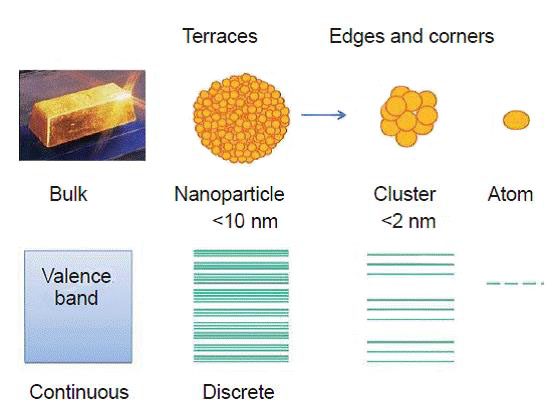
Atomic clusters, consisting of a few to a few thousand atoms, have emerged over the past 40 years as the ultimate nanoparticles, whose structure and properties can be controlled one atom at a time. More importantly, the possibility of creating…...

IDST Monthly Access Membership Required

You must be a IDST Monthly Access member to access this content.

Join Now

Already a member? Log in here

DARPA’s APT to transform genetic modified plants into military sensors of chemical, biological, radiological, and electromagnetic signals.

APT Graphic

DARPA has launched a new surveillance program which plans to use genetically engineered plant as battlefield surveillance sensors. DARPA’s new Advanced Plant Technologies (APT) program looks to seemingly simple plants as the next generation of intelligence gatherers. Traditional sensors are not…...

IDST Monthly Access Membership Required

You must be a IDST Monthly Access member to access this content.

Join Now

Already a member? Log in here

3D printing of Nanofibers has enabled power dense batteries, military wearables, chemical and biological defence

nanofiber

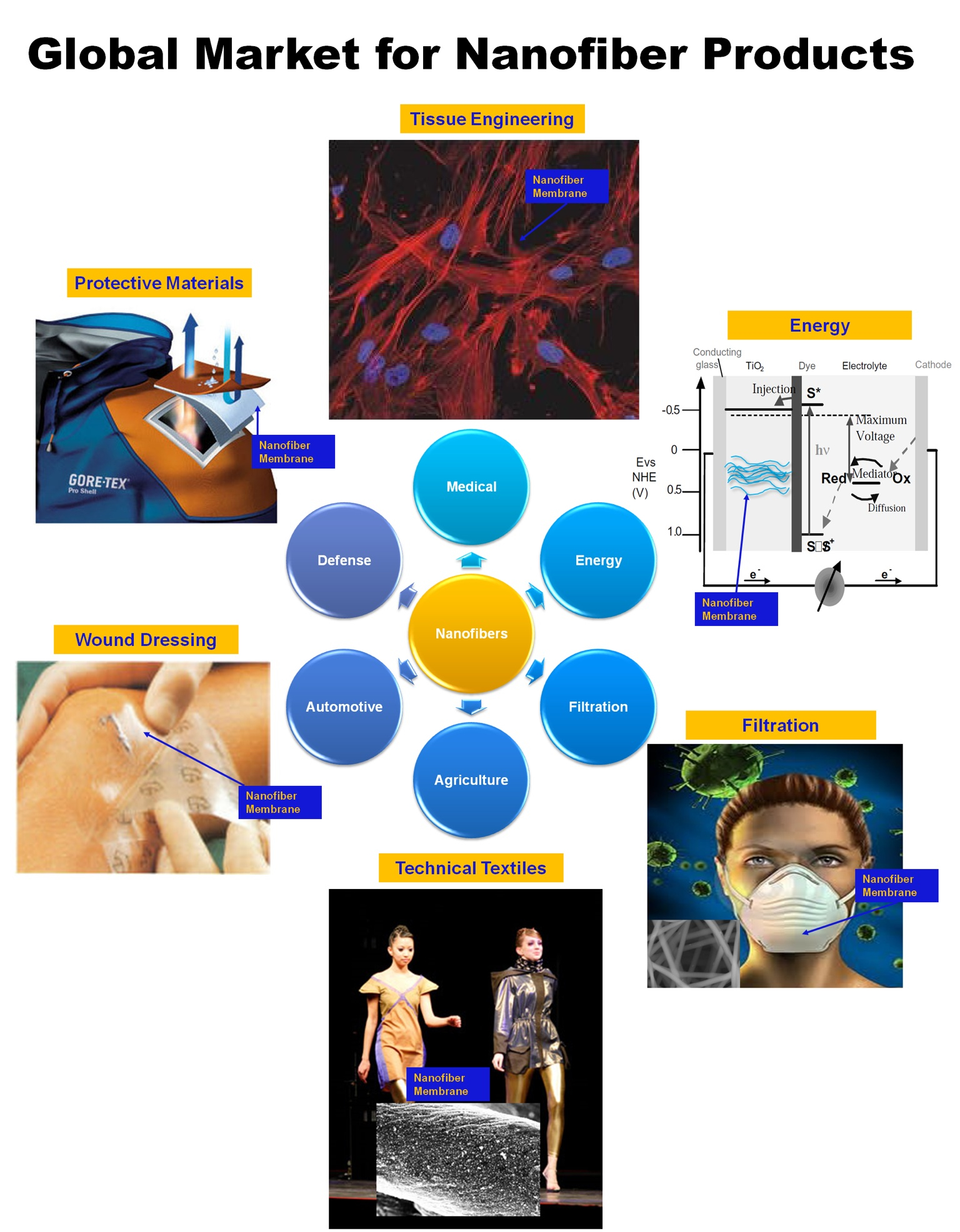
A nanofiber is a fiber with a diameter of 100 nanometers or less. The nanofibers due to some special properties  are being investigated for a myriad of potential applications in the fields of medicine, electronics and other material sciences. Such…...

IDST Monthly Access Membership Required

You must be a IDST Monthly Access member to access this content.

Join Now

Already a member? Log in here

Nanofluids for thermal management of Space and Nuclear systems, military vehicles and submarines, power electronics and directed-energy weapons

nano recovered 1 5 638

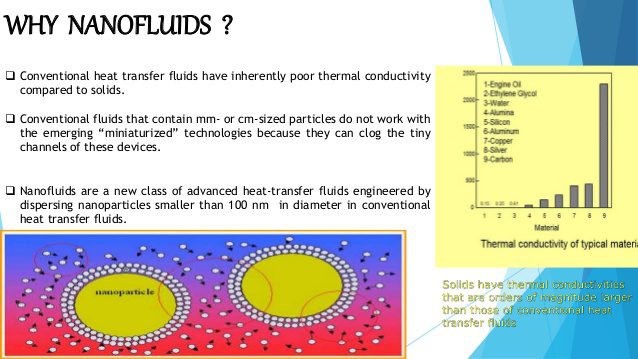
Because of higher density chips, the design of more compact electronic components makes heat dissipation even more difficult. All advanced electrical or electronic devices are facing heat management challenges due to the increased levels of heat generation and the reduction…...

IDST Monthly Access Membership Required

You must be a IDST Monthly Access member to access this content.

Join Now

Already a member? Log in here