
Analysis, Reviews & Explainers is the analytical backbone of IDST.
This magazine exists to break down complex technologies, systems, platforms, and operational mechanisms into structured understanding—before they are elevated into intelligence judgment or policy analysis.
Explore Intelligence
Search and filter intelligence briefings by domain, risk category, time horizon, and strategic impact.
Rather than defining strategy or doctrine, this magazine focuses on how things work, how alternatives compare, and how systems are actually employed in real operational environments.
IDST Intelligence Briefings
Defense spending trends, industrial policy shifts, investment flows, mergers, and market concentration,industrial capacity, manufacturing, supply bottlenecks, testing, and market signals
What This Magazine Does
This magazine is designed to:
- Deconstruct complex systems into understandable components
- Compare platforms, technologies, and approaches using consistent criteria
- Explain operational mechanisms and system behavior
- Provide durable analytical foundations for intelligence briefings
Core Focus Areas
Analysis, Reviews & Explainers concentrates on four tightly defined domains:
- Systems & Architecture Analysis
- Comparative Reviews & Capability Assessments
- Concepts, Doctrine & Strategic Thought
- Explainers & Knowledge Foundations
STRATEGIC SUB-MAGAZINES
Modern military power emerges from the interaction of platforms, people, doctrine, and integration across domains. The Defense & Military Systems magazine is structured into focused sub-magazines that examine how combat capability is built, sustained, and employed across air, land, sea, weapons, and human systems.
Systems & Architecture Analysis
Modern military, security, and industrial capabilities do not fail because of individual components—they fail at interfaces, integration points, and architectural constraints. This sub-magazine analyzes complex systems as complete architectures rather than isolated parts.
Explore the Systems & Architecture Analysis Sub-Magazine →
Comparative Reviews & Capability Assessments
This sub-magazine delivers disciplined, side-by-side evaluations of platforms, technologies, doctrines, and systems—separating performance reality from marketing narratives.
Explore the Comparative Reviews & Capability Assessments Sub-Magazine →
Operational Employment & Use-Cases
Before systems are built or conflicts unfold, ideas determine action. This sub-magazine examines doctrines, concepts, and strategic frameworks that guide decision-making.
Explore the Operational Employment & Use-Cases Sub-Magazine →
Explainers & Knowledge Foundations
This sub-magazine builds durable understanding through structured explanations of technologies, mechanisms, terminology, and frameworks used across IDST.
Explore the Explainers & Knowledge Foundations Sub-Magazine →
Latest Analysis & Intelligence
-

Visual Navigation to Autonomous Air Refueling: Revolutionizing Aerial Refueling for Contested Airspace
Introduction: Autonomous Refueling Becomes a Strategic Necessity Air-to-air refueling has long been one of the defining capabilities of modern air power, enabling strategic bombers, fighter aircraft, intelligence platforms, airborne early warning aircraft, and long-range unmanned systems to operate across global distances without dependence on forward operating bases. For decades, this capability has provided the United…
-
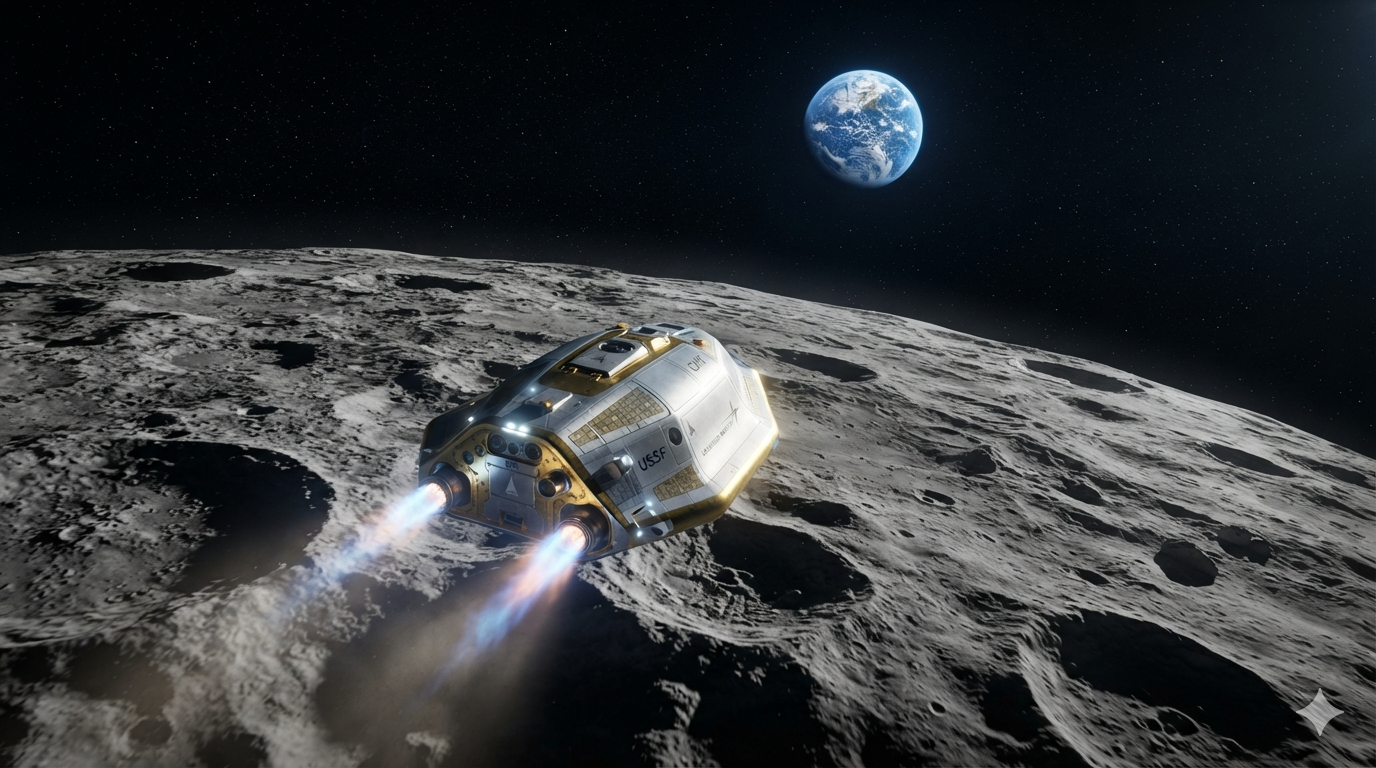
DARPA’s LASSO Program: Building the Space Force’s Cislunar Intelligence Network for the New Lunar Economy
Introduction: Cislunar Space Emerges as the Next Strategic High Ground The strategic competition that once centered on Low Earth Orbit (LEO) and Geostationary Earth Orbit (GEO) is rapidly expanding into cislunar space—the vast region extending from Earth orbit to the Moon. Driven by NASA’s Artemis program, China’s International Lunar Research Station (ILRS), commercial lunar ventures,…
-

The Earth–Moon Information Superhighway: China’s Cislunar Network and the Race for Strategic Space Dominance
Introduction: Cislunar Space Becomes the New Strategic High Ground The global space race has entered a new phase. Success is no longer determined simply by landing astronauts on the Moon or launching larger rockets, but by controlling the digital infrastructure that will connect, navigate, monitor, and sustain human and robotic activity throughout cislunar space. Just…
-
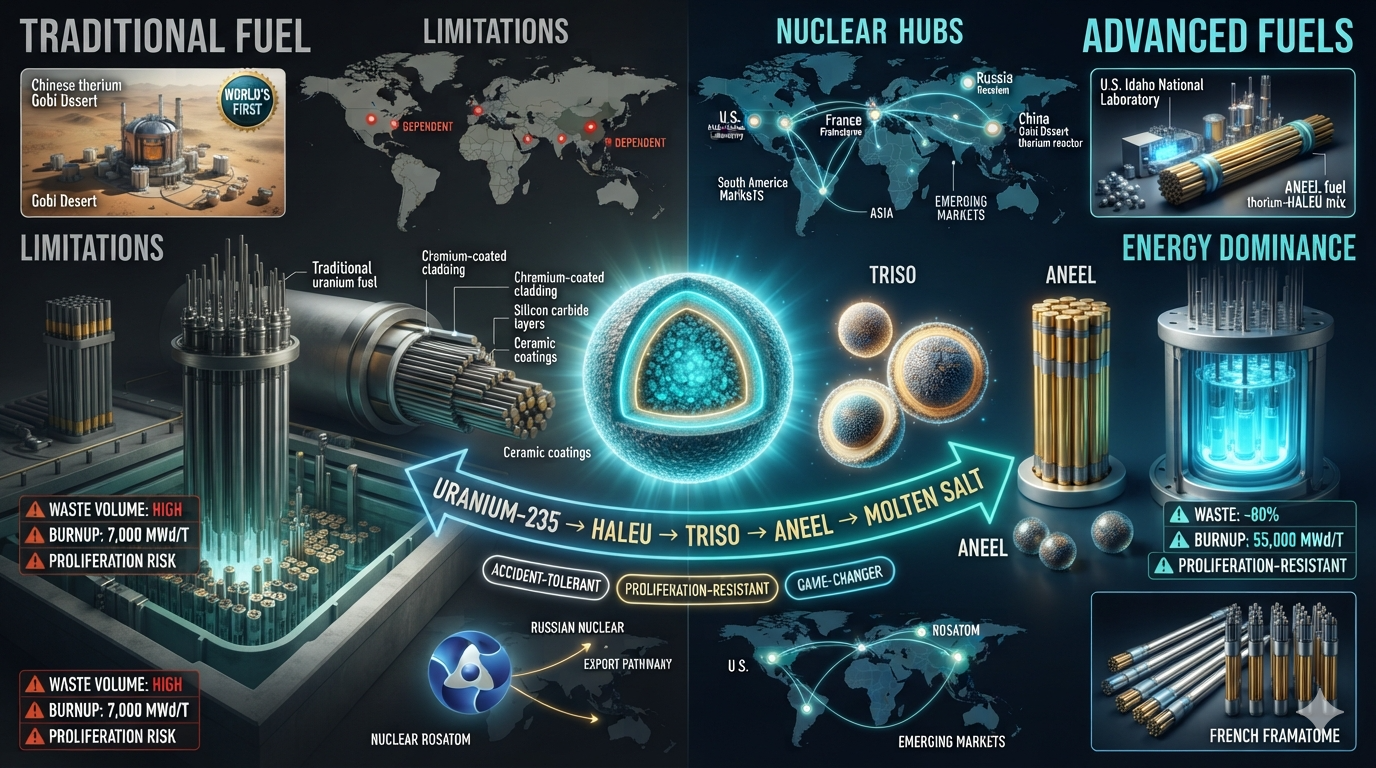
Advanced Nuclear Fuels: How the United States, China, Russia, and Allies Are Reshaping Energy Security, Military Power, and Global Nuclear Leadership
Introduction: The Strategic Race to Control the Future of Nuclear Energy The global race for advanced nuclear fuels has evolved far beyond the pursuit of cleaner electricity. It has become a contest over energy security, technological leadership, industrial competitiveness, military resilience, and geopolitical influence. As nations accelerate decarbonization while simultaneously confronting rising electricity demand from…
-

Silicon Photonics: The Optical Engine Driving the Next Generation of Artificial Intelligence
Introduction: AI’s Bandwidth Crisis and the Rise of Silicon Photonics Artificial intelligence has entered an era where computing performance is no longer determined solely by faster processors, but increasingly by the ability to move enormous volumes of data efficiently between chips, memory systems, and data centers. Modern foundation models containing trillions of parameters require unprecedented…
-
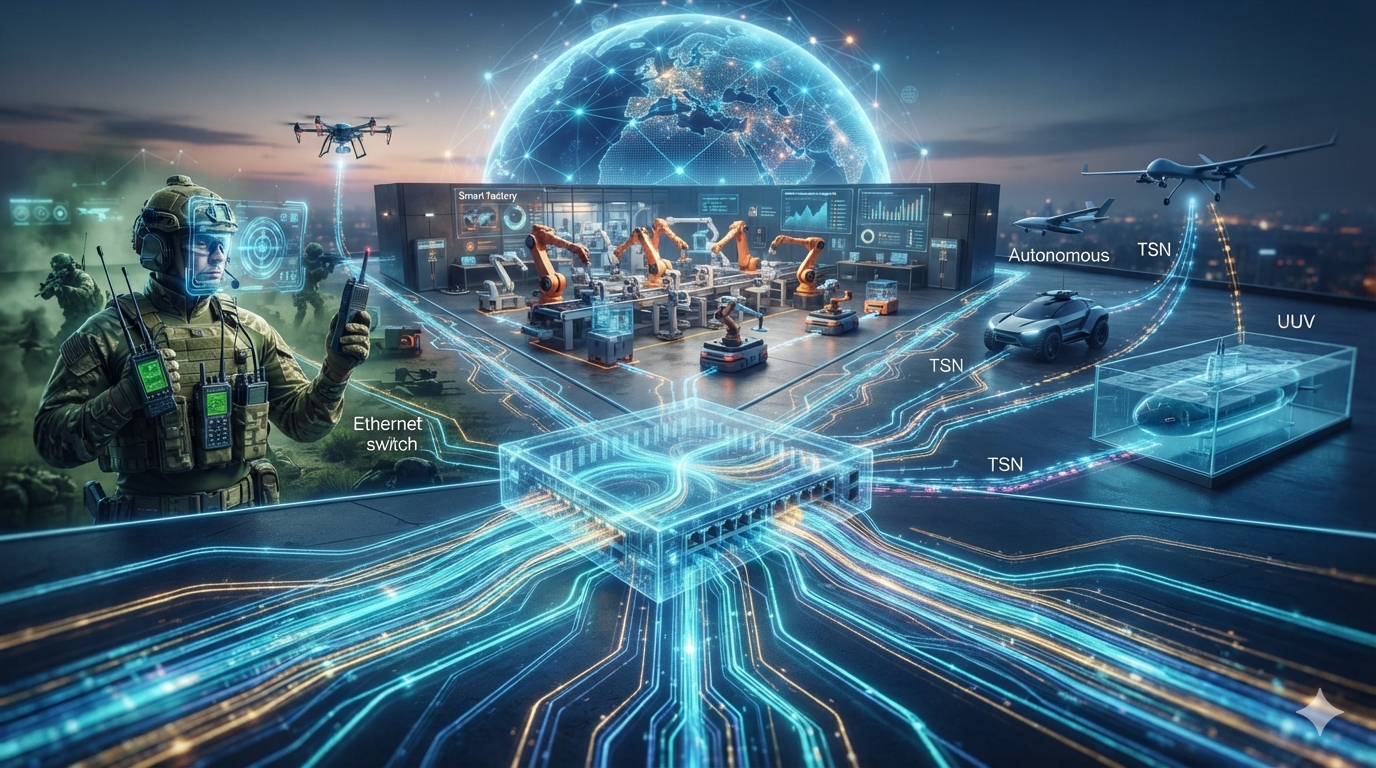
The Digital Backbone of Modern Warfare: How Next-Generation Ethernet is Transforming Defense, Industry, and Autonomous Systems
Strategic Context Control of information has become as decisive in modern conflict as control of territory. Across today’s multidomain battlespace, victory increasingly depends on the ability to collect, transport, process, and exploit enormous volumes of data with near-zero latency across land, sea, air, space, cyber, and electromagnetic domains. Whether coordinating autonomous drone swarms, integrating next-generation…
-
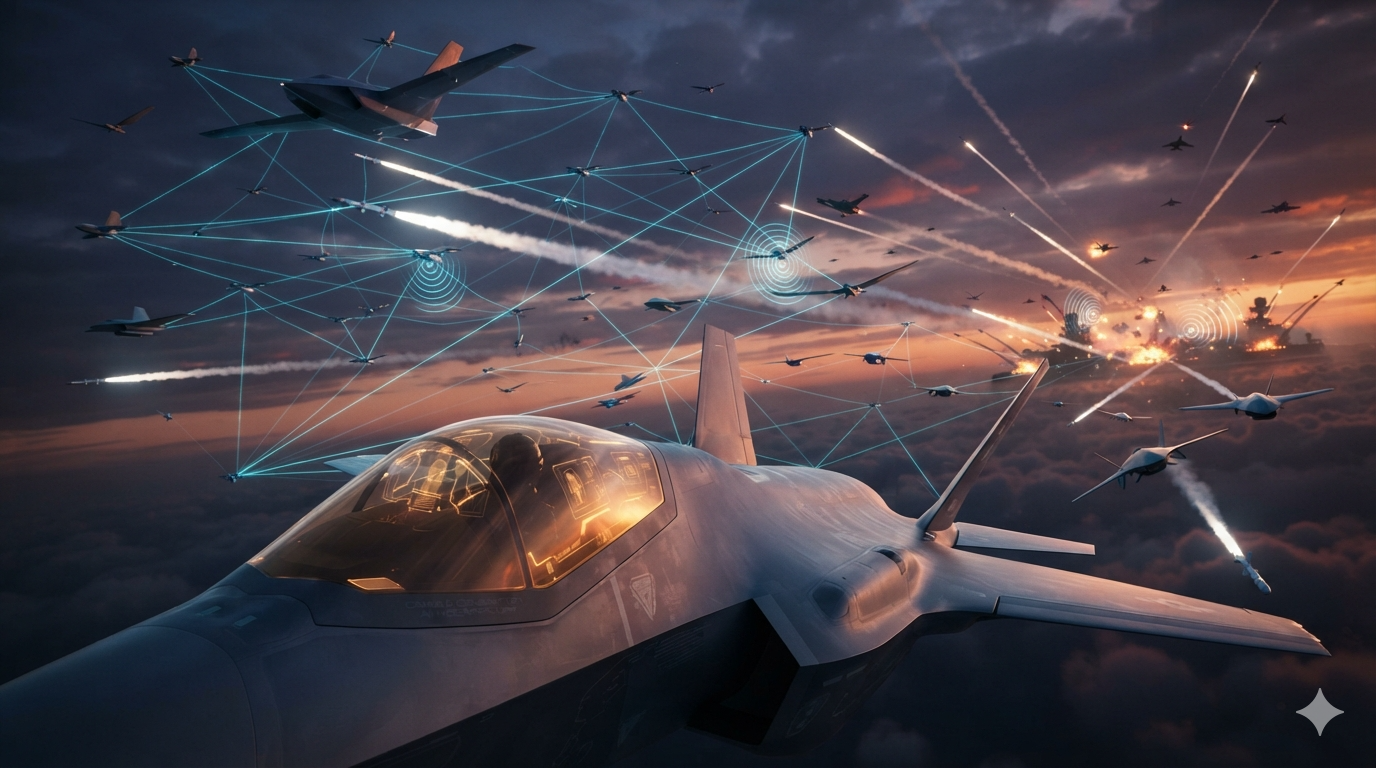
The Age of Autonomous Aircraft Swarms: How Collaborative Air Combat Is Reshaping Future Air Warfare
Strategic Context Air warfare is entering its most significant transformation since the introduction of stealth aircraft. The traditional model—where a handful of highly sophisticated fighters dominate the battlespace—is rapidly giving way to a distributed ecosystem of autonomous aircraft, collaborative drones, intelligent munitions, and AI-enabled command networks. Rather than relying solely on the capabilities of a…
Related Domains & Cross-Cutting Themes
Explore the Space Technology, Defense & Exploration Magazine →