
Analysis, Reviews & Explainers is the analytical backbone of IDST.
This magazine exists to break down complex technologies, systems, platforms, and operational mechanisms into structured understanding—before they are elevated into intelligence judgment or policy analysis.
Explore Intelligence
Search and filter intelligence briefings by domain, risk category, time horizon, and strategic impact.
Rather than defining strategy or doctrine, this magazine focuses on how things work, how alternatives compare, and how systems are actually employed in real operational environments.
IDST Intelligence Briefings
Defense spending trends, industrial policy shifts, investment flows, mergers, and market concentration,industrial capacity, manufacturing, supply bottlenecks, testing, and market signals
What This Magazine Does
This magazine is designed to:
- Deconstruct complex systems into understandable components
- Compare platforms, technologies, and approaches using consistent criteria
- Explain operational mechanisms and system behavior
- Provide durable analytical foundations for intelligence briefings
Core Focus Areas
Analysis, Reviews & Explainers concentrates on four tightly defined domains:
- Systems & Architecture Analysis
- Comparative Reviews & Capability Assessments
- Concepts, Doctrine & Strategic Thought
- Explainers & Knowledge Foundations
STRATEGIC SUB-MAGAZINES
Modern military power emerges from the interaction of platforms, people, doctrine, and integration across domains. The Defense & Military Systems magazine is structured into focused sub-magazines that examine how combat capability is built, sustained, and employed across air, land, sea, weapons, and human systems.
Systems & Architecture Analysis
Modern military, security, and industrial capabilities do not fail because of individual components—they fail at interfaces, integration points, and architectural constraints. This sub-magazine analyzes complex systems as complete architectures rather than isolated parts.
Explore the Systems & Architecture Analysis Sub-Magazine →
Comparative Reviews & Capability Assessments
This sub-magazine delivers disciplined, side-by-side evaluations of platforms, technologies, doctrines, and systems—separating performance reality from marketing narratives.
Explore the Comparative Reviews & Capability Assessments Sub-Magazine →
Operational Employment & Use-Cases
Before systems are built or conflicts unfold, ideas determine action. This sub-magazine examines doctrines, concepts, and strategic frameworks that guide decision-making.
Explore the Operational Employment & Use-Cases Sub-Magazine →
Explainers & Knowledge Foundations
This sub-magazine builds durable understanding through structured explanations of technologies, mechanisms, terminology, and frameworks used across IDST.
Explore the Explainers & Knowledge Foundations Sub-Magazine →
Latest Analysis & Intelligence
-

Innovation Beneath the Waves: Biomimetic Propulsion Systems Transforming Naval and Underwater Operations
Introduction: Nature’s Blueprint for the Future Undersea Fleet The world’s oceans are rapidly becoming a critical arena for economic competition, scientific exploration, and military operations. From protecting undersea communication cables and offshore energy infrastructure to conducting intelligence, surveillance, reconnaissance, and anti-submarine warfare missions, nations increasingly depend on autonomous underwater vehicles (AUVs), unmanned underwater vehicles (UUVs),…
-

Topological Quantum Computing: Engineering Noise-Resilient Quantum Information for Utility-Scale Quantum Systems
Introduction: Why Topological Quantum Computing Matters Now The global race to build practical quantum computers has entered a new phase. While recent years have focused on increasing qubit counts, researchers are increasingly recognizing that scalability alone cannot deliver useful quantum computing. The central challenge remains reliability. Quantum information is extraordinarily fragile, with environmental noise, thermal…
-

Entry, Descent, and Landing (EDL) Technologies: Enabling the Next Era of Mars Exploration and Planetary Operations
Introduction: Why EDL Matters Now Humanity is entering a new era of planetary exploration characterized by renewed competition among major space powers, expanding commercial activity beyond Earth orbit, and growing ambitions for sustained human presence on the Moon and Mars. Governments, private companies, and defense organizations increasingly view space as a strategic domain whose future…
-

Quantum Random Number Generators (QRNGs): The Foundation of Post-Quantum Cybersecurity and Digital Trust
Introduction: Why Quantum Randomness Matters Now The global cybersecurity landscape is undergoing its most significant transformation since the advent of public-key cryptography. The rapid progress of quantum computing, combined with the growing threat of “harvest now, decrypt later” (HNDL) attacks, is forcing governments, military organizations, financial institutions, and technology companies to reassess the foundations of…
-
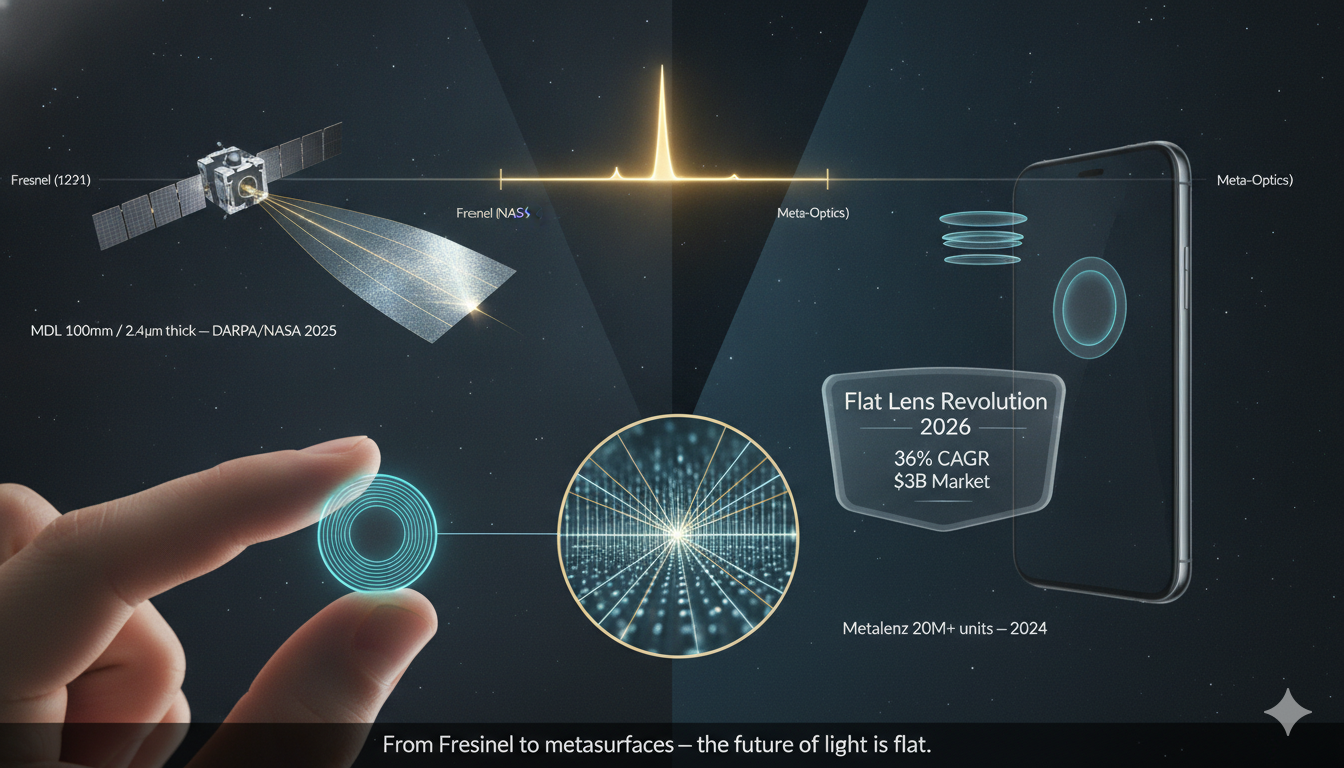
The Flat Lens Revolution: How Meta-Optics Are Reshaping Imaging, Sensing, and Photonics in 2026
Introduction: Why Meta-Optics Matter Now For centuries, optical systems have relied on curved glass lenses to manipulate light. From microscopes and cameras to telescopes and military sensors, advances in optics were largely achieved by adding more lens elements, improving glass quality, and refining manufacturing precision. However, as industries demand increasingly compact, lightweight, and intelligent devices,…
-
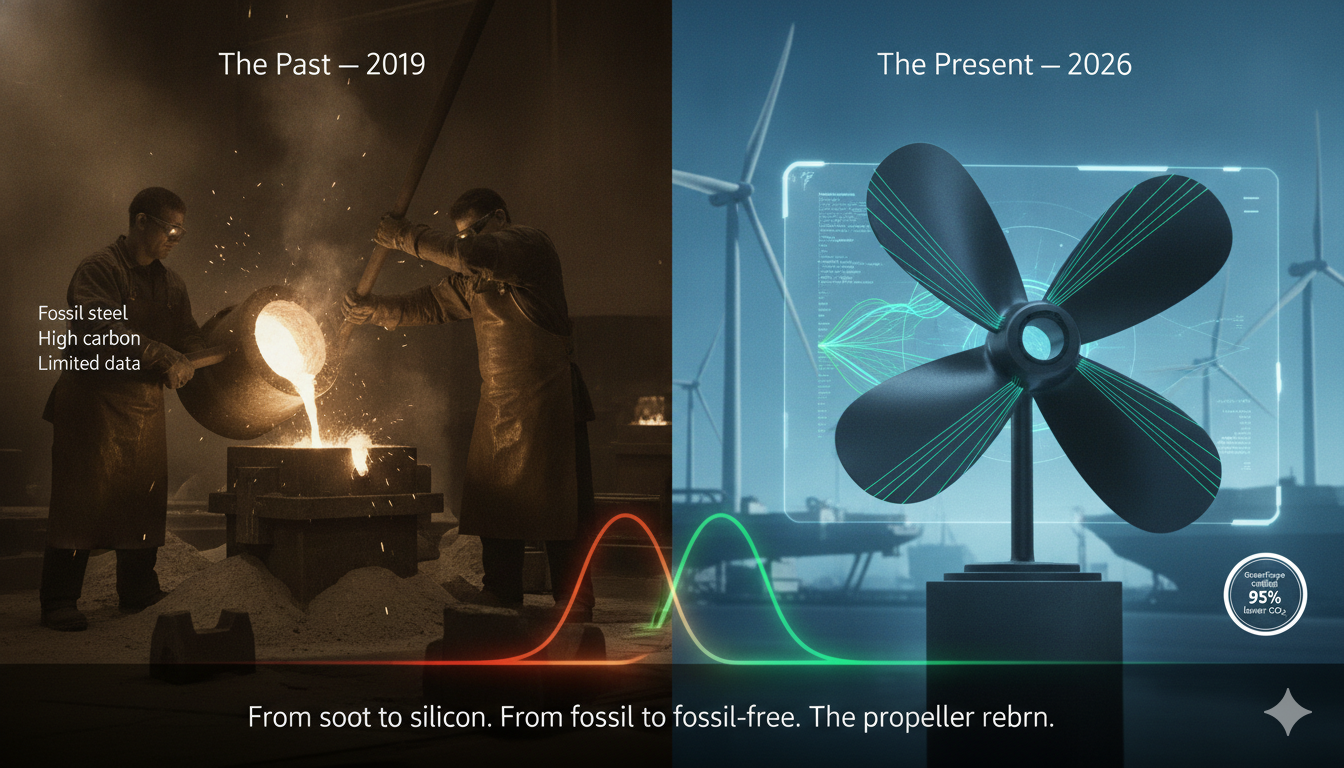
Marine Propeller Technology in 2026: Intelligent Propulsion Powering the Next Generation of Naval and Commercial Fleets
Introduction The marine propeller has long been regarded as one of the most mature technologies in naval architecture, yet the period between 2024 and 2026 has demonstrated that it remains one of the most strategically important and rapidly evolving components of maritime power. Whether propelling an aircraft carrier across the Pacific, a nuclear-powered submarine through…
-
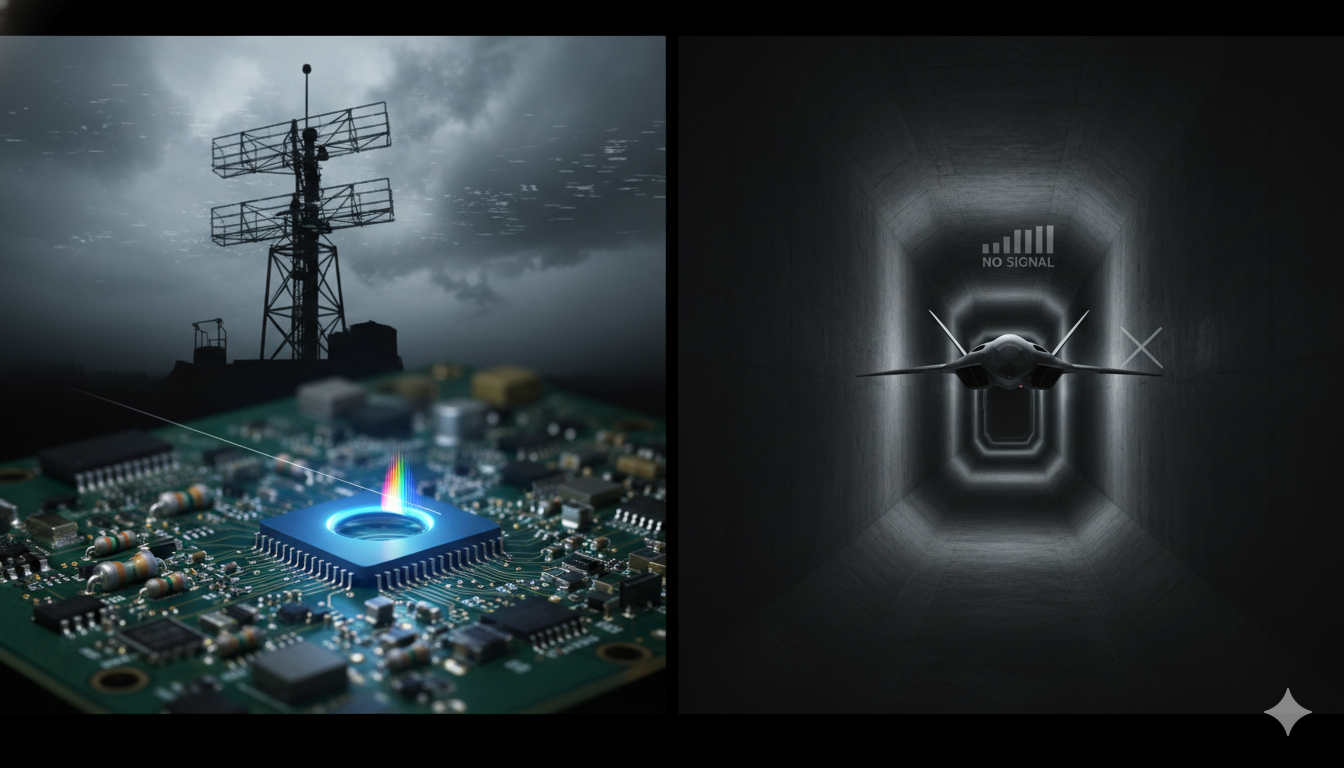
The End of GPS Denial: How Chip-Scale Optical Clocks Are Rewiring Warfare and Daily Life
Introduction: The Race for Time Supremacy For decades, control of Positioning, Navigation, and Timing (PNT) has been one of the invisible foundations of global power. Modern militaries, financial markets, telecommunications networks, power grids, satellites, autonomous vehicles, and even smartphone applications all depend upon extremely precise timing signals. While the public associates GPS primarily with navigation,…
Related Domains & Cross-Cutting Themes
Explore the Space Technology, Defense & Exploration Magazine →