
Modern security is defined by persistence, coordination, and anticipation. This sub-magazine focuses on how threats are identified, mitigated, and managed across institutions, infrastructures, and societies.
Intelligence Briefings
Threat assessment, counter-terrorism, infrastructure protection, security architectures, and risk mitigation.
Why This Magazine Exists
Security failures rarely result from a lack of information—they result from poor integration and response. This sub-magazine exists to examine how security systems are designed, governed, and stress-tested in real conditions
What We Track
- Threat assessment frameworks
- Counter-terrorism and internal security
- Infrastructure and supply-chain protection
- Crisis response and coordination
- Risk governance and resilience planning
Latest Analysis & Intelligence
-

Locking Away Carbon: Innovations in Carbon Storage Technologies for a Climate-Resilient Future
Strategic Context The carbon challenge is entering a new phase. The question is no longer simply how quickly the world can reduce emissions, but whether it can permanently remove and safely store enough carbon dioxide to deal with residual emissions from industries that are difficult to decarbonize. Carbon capture and storage has consequently moved from…
-
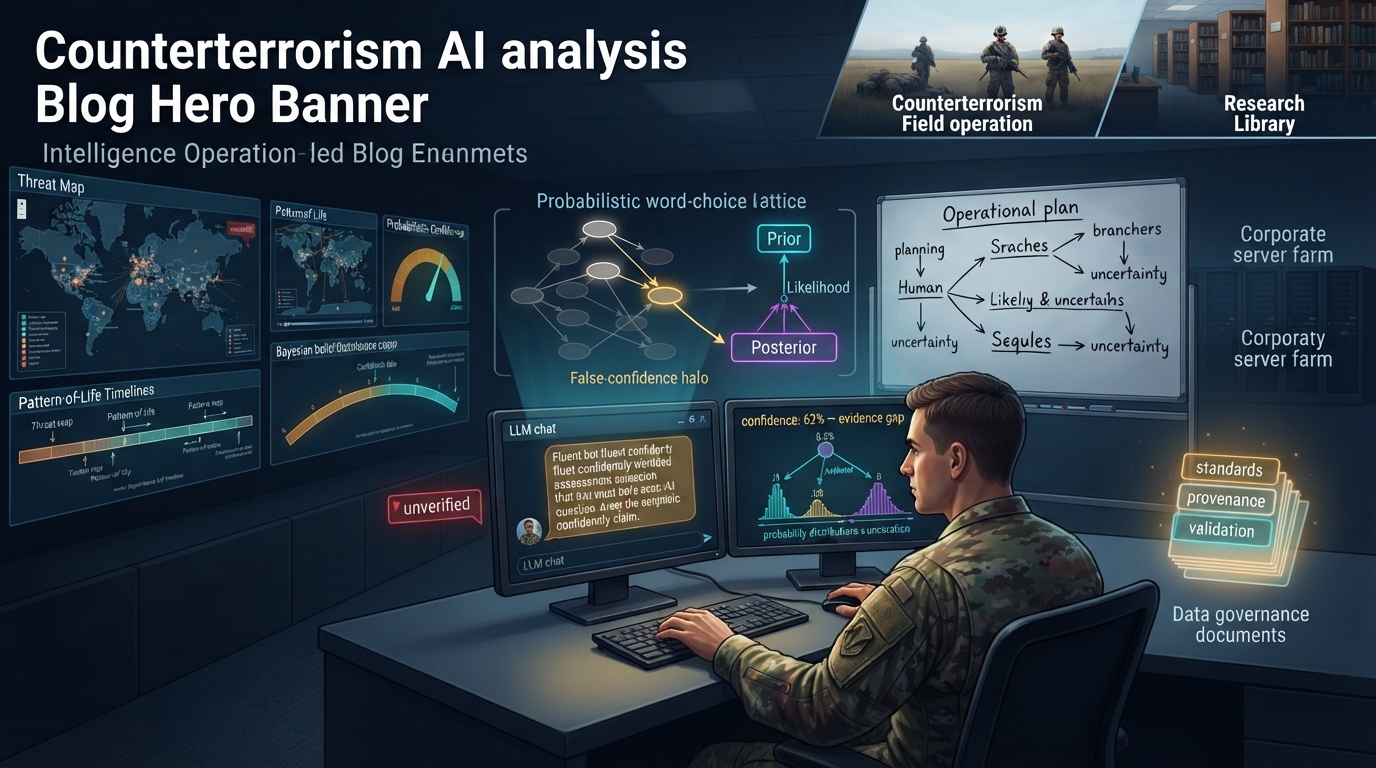
The Counterterrorism AI Paradox: Why More Generative Power Demands More Human Judgment
Introduction: Strategic Context — Intelligence Advantage in an Age of Algorithmic Uncertainty Counterterrorism is entering a new phase of technological competition. Generative artificial intelligence (AI) can translate communications, summarize intelligence reports, analyze large document collections, identify patterns across open-source information, and accelerate the preparation of assessments. At the same time, terrorist organizations and violent extremists…
-

The GEOINT Revolution: How AI, Commercial Space, and Multi-Source Intelligence Are Transforming Military Decision Superiority
Introduction: GEOINT Becomes the Digital Backbone of Modern Warfare The modern battlefield is no longer defined solely by firepower but by information superiority. From Ukraine and the Middle East to the Indo-Pacific and Arctic, military success increasingly depends on the ability to collect, fuse, analyze, and disseminate geospatial intelligence (GEOINT) faster than adversaries can react.…
-

The Green Revolution 2.0: How Biotechnology Is Engineering a Sustainable Future for Climate, Industry, and Global Security
Introduction: Biotechnology Becomes a Strategic Technology for the Planet Biotechnology is undergoing its most profound transformation since the emergence of recombinant DNA technology nearly five decades ago. What began as a revolution in medicine has evolved into a foundational technology capable of reshaping global manufacturing, agriculture, energy systems, environmental restoration, and national security. Today, biology…
-
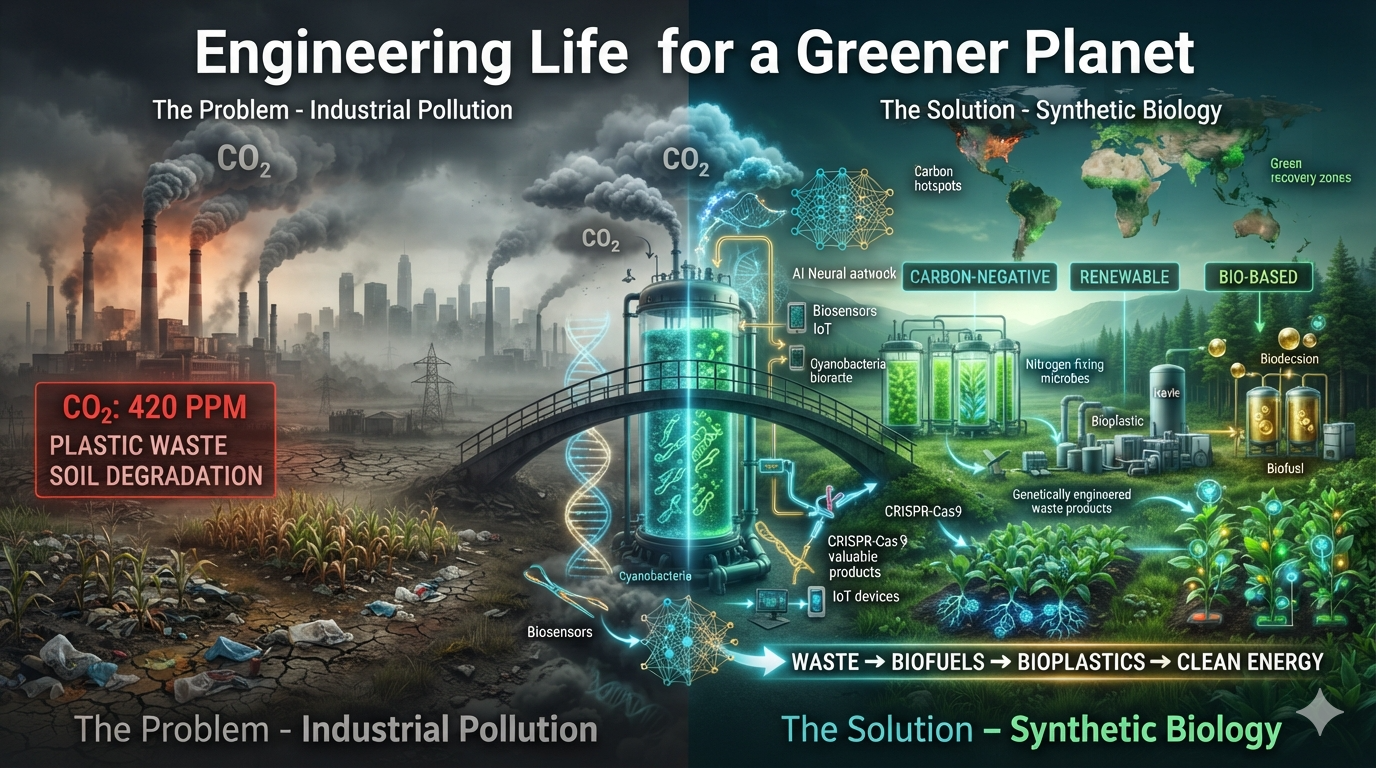
Engineering Biology Against Climate Change: How Synthetic Biology Is Reshaping Carbon Removal, Sustainable Industry, and Global Climate Security
Introduction: Programming Biology to Fight Climate Change Climate change has evolved from an environmental challenge into a defining issue of economic resilience, industrial competitiveness, national security, and geopolitical stability. Despite rapid expansion of renewable energy, electrification, and carbon capture technologies, global greenhouse gas emissions remain near record levels, while hard-to-abate sectors—including aviation, shipping, cement, steel,…
-

Beyond Detection: How DARPA’s Bio-Attribution Challenge Is Redefining Biothreat Intelligence and Genomic Forensics
Strategic Context: The Race to Attribute Engineered Biology The twenty-first century has witnessed a revolution in synthetic biology, genome editing, and artificial intelligence that is transforming medicine, agriculture, and biotechnology. The same technologies, however, are also reshaping biological security. Gene synthesis has become faster and cheaper, CRISPR-based editing has democratized genetic engineering, and AI-driven protein…
-
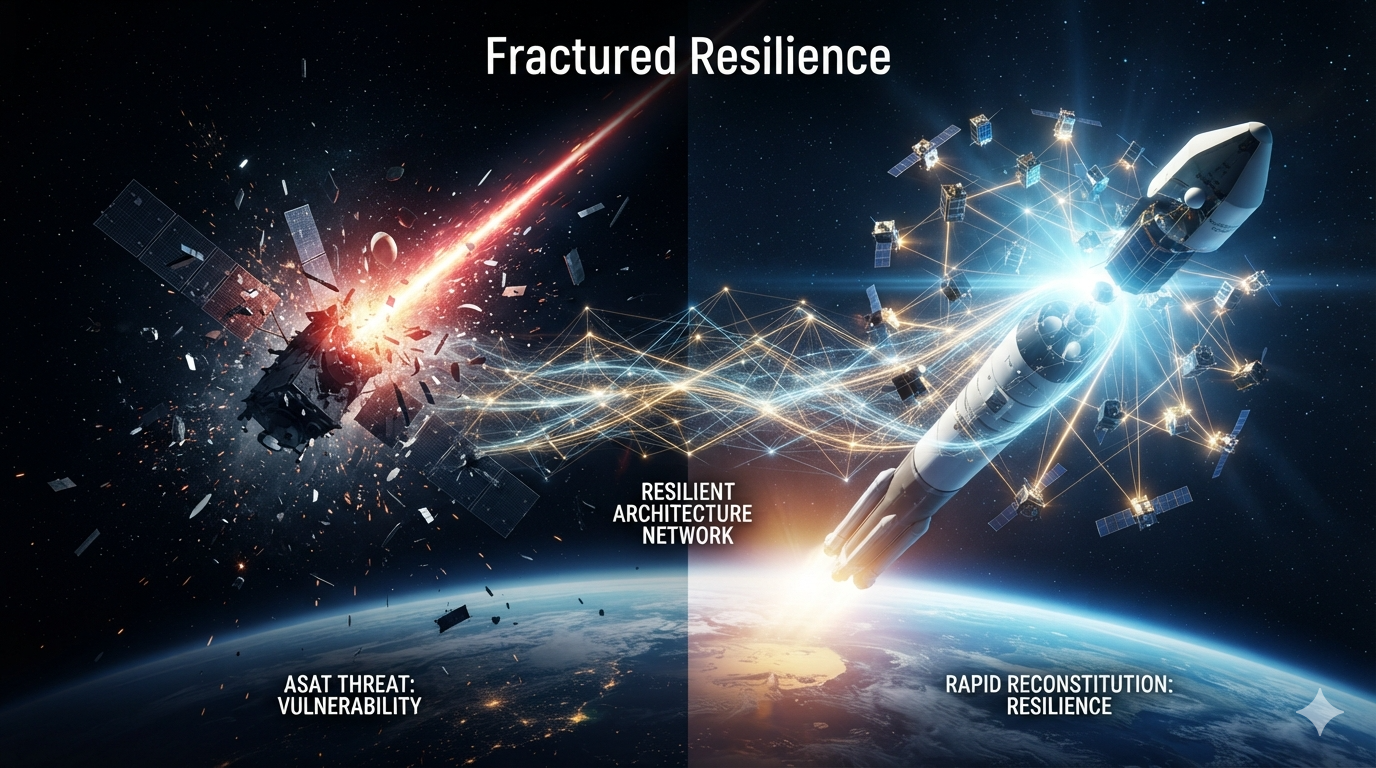
Resilient Space Power: DARPA’s Rapid Reconstitution Strategy and the Future of Military Space Operations
Introduction: From Space Superiority to Space Resilience For decades, military space strategy was built around a relatively simple assumption: protect a limited number of highly capable satellites that provided global communications, intelligence, missile warning, positioning, navigation, timing (PNT), and strategic command and control. These exquisite systems represented enormous technological achievements but also created a dangerous…