
Digital battlefields, hybrid warfare, and the future of threat intelligence
IDST Intelligence Briefings
(Latest Security & Cyber Videos)
Why This Magazine Exists
Security, Cyber & Counter-Threats examines the evolving landscape of modern security in an era defined by digital conflict, hybrid warfare, and persistent global threats.
From cyber operations, information warfare, and intelligence-driven defense to counter-terrorism, internal security, and emerging threat vectors, this magazine provides strategic analysis, technical insight, and policy-relevant perspectives for decision-makers, practitioners, and researchers navigating an increasingly contested security environment.
What We Track
- Cyber warfare & cyber defense
- Information operations & influence campaigns
- National security threat assessments
- Emerging digital and hybrid warfare doctrines
- Critical infrastructure & cyber resilience
Latest Analysis & Intelligence
-
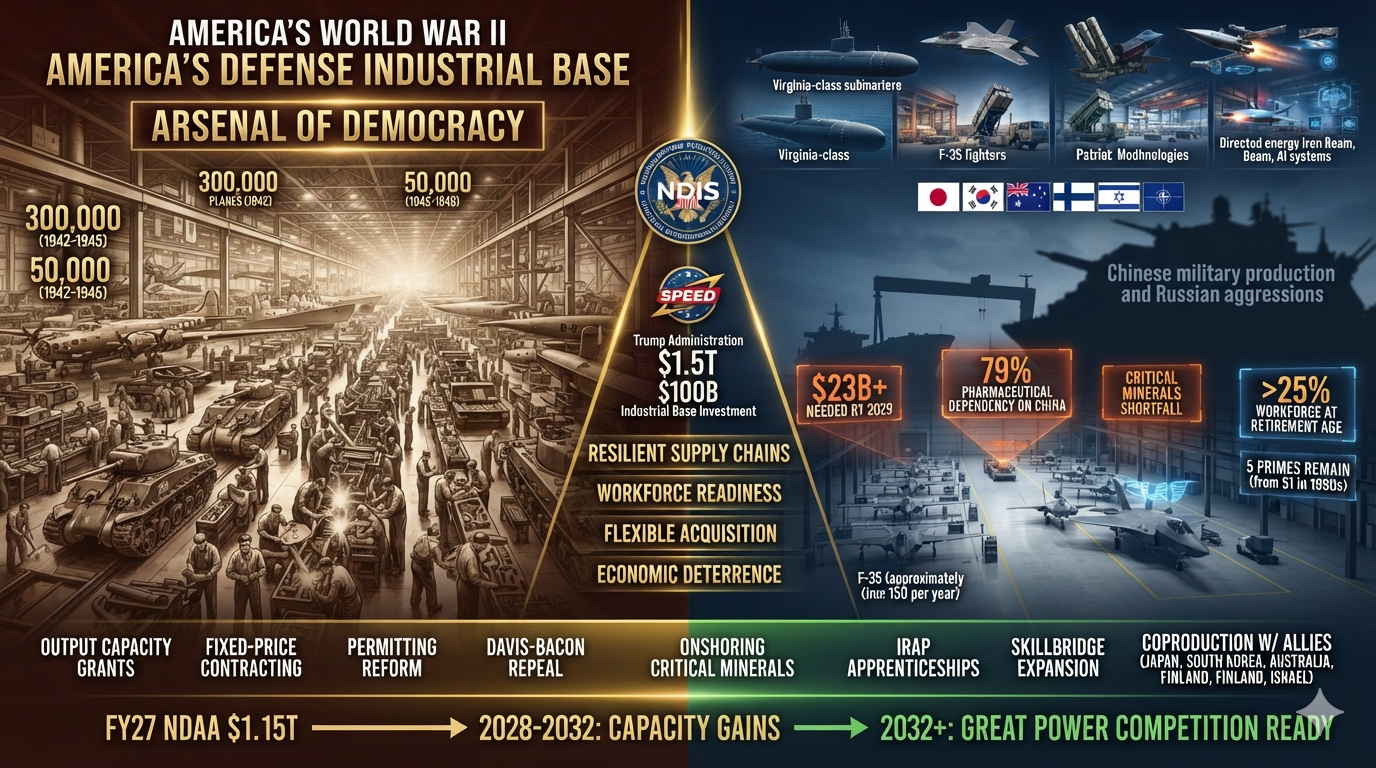
Bolstering National Security: Revitalizing the U.S. Defense Industrial Base for an Era of Great-Power Competition
Introduction: Strategic Context The outcome of future wars will depend not only on the sophistication of advanced weapons but also on the ability to design, manufacture, repair, and replenish them at scale. The wars in Ukraine and the Middle East, coupled with intensifying strategic competition in the Indo-Pacific, have demonstrated that military superiority cannot be…
-
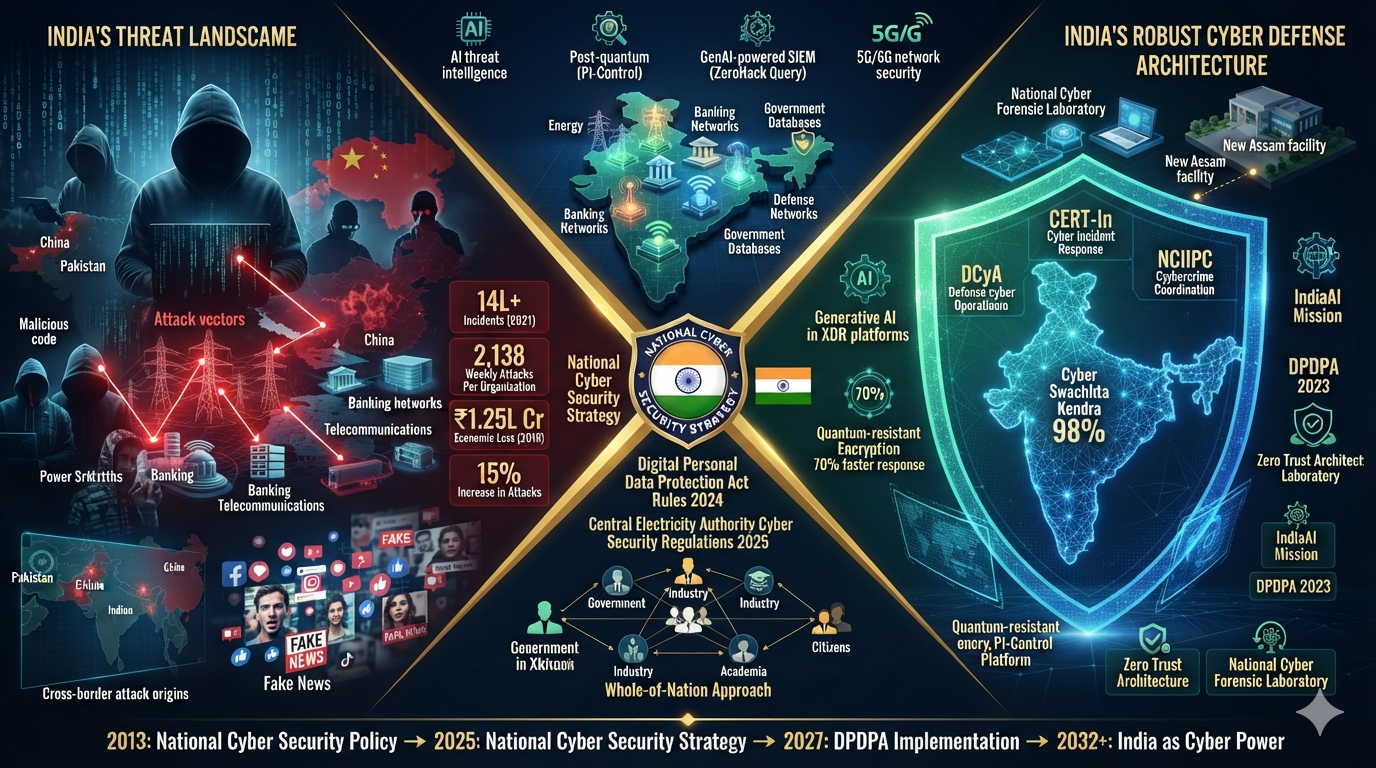
Securing India’s Digital Frontier: Building Cyber Resilience, AI-Driven Defense, and Digital Sovereignty in an Era of Great Power Competition
Introduction: Strategic Context Cyberspace has emerged as one of the defining battlegrounds of twenty-first century geopolitical competition. Alongside land, sea, air, and space, the cyber domain now shapes military operations, intelligence collection, economic competitiveness, technological leadership, and national resilience. State-sponsored cyber campaigns, ransomware syndicates, supply-chain compromises, information warfare, and AI-enabled cyber operations have transformed cybersecurity…
-
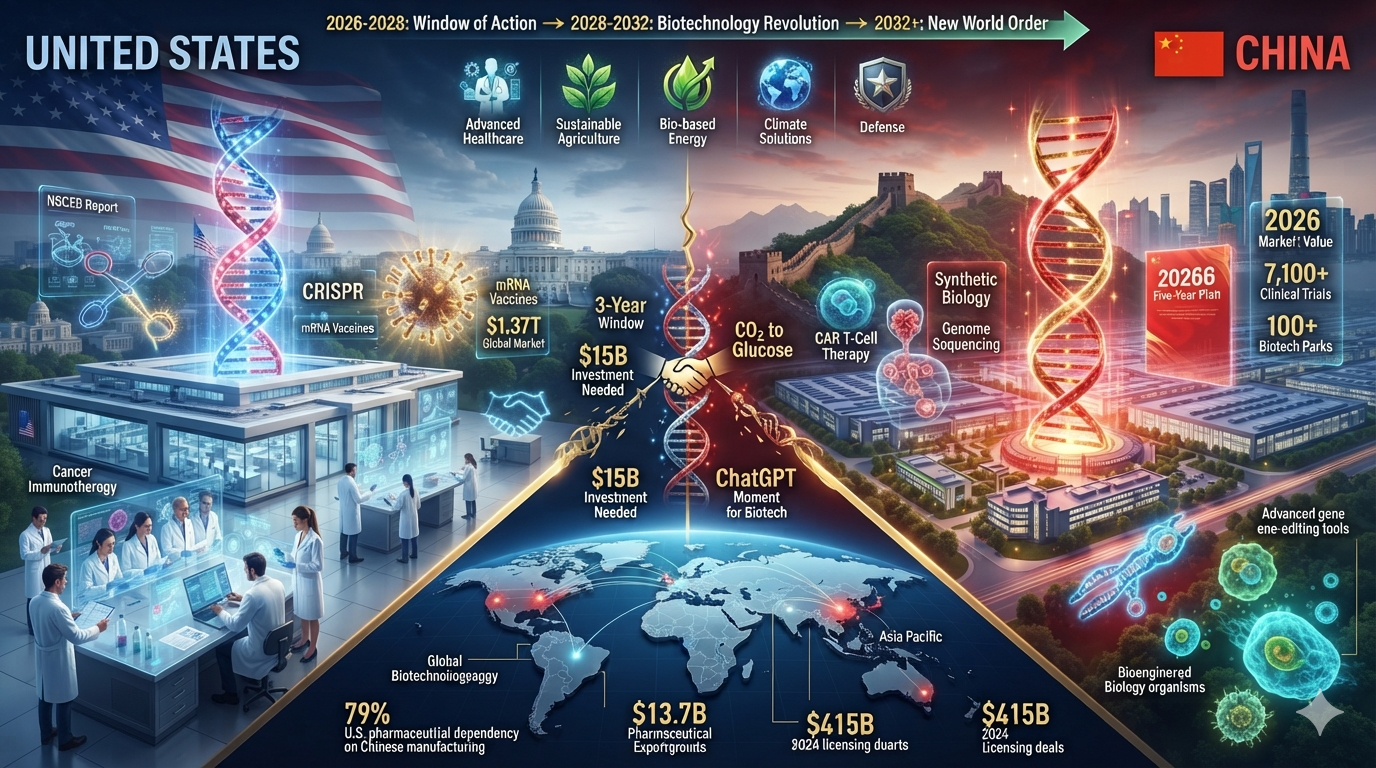
Biotechnology Superpowers: The U.S.-China Race for Dominance in the Global Bioeconomy
Introduction: Strategic Context The global competition for technological leadership is rapidly expanding beyond artificial intelligence, semiconductors, and quantum computing into an equally transformative domain—biotechnology. Often described as the next industrial revolution, biotechnology is reshaping healthcare, agriculture, advanced manufacturing, defense, energy, and environmental sustainability through the convergence of biology, engineering, automation, and artificial intelligence. Increasingly, biological…
-
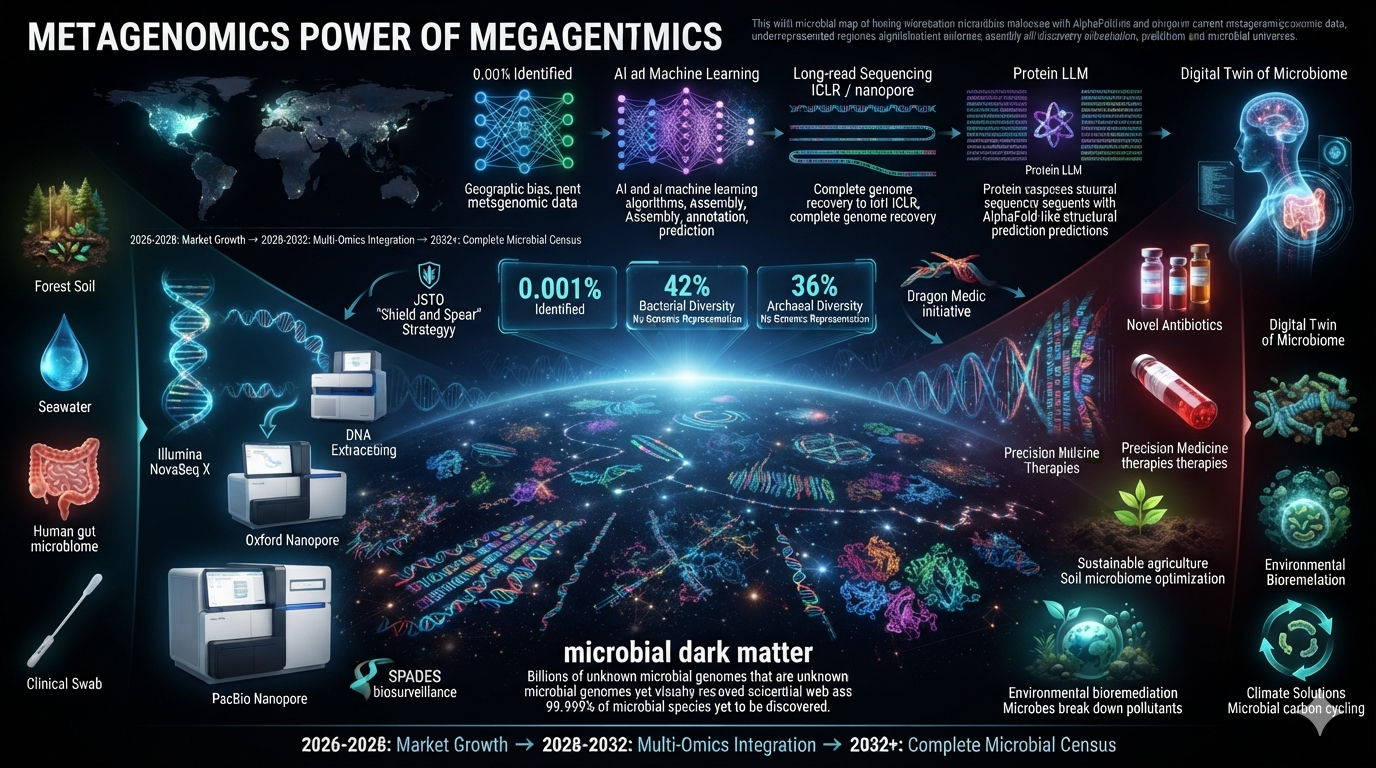
Unveiling the Microbial Universe: How Metagenomics Is Transforming Biotechnology, Precision Medicine, and Global Biosecurity
Introduction: Strategic Context The twenty-first century biotechnology revolution is increasingly being driven not only by the ability to edit genes but also by the ability to understand entire microbial ecosystems. While genomics decoded individual organisms, metagenomics has unlocked the collective genetic blueprint of entire microbial communities, revealing an enormous reservoir of biological diversity that had…
-
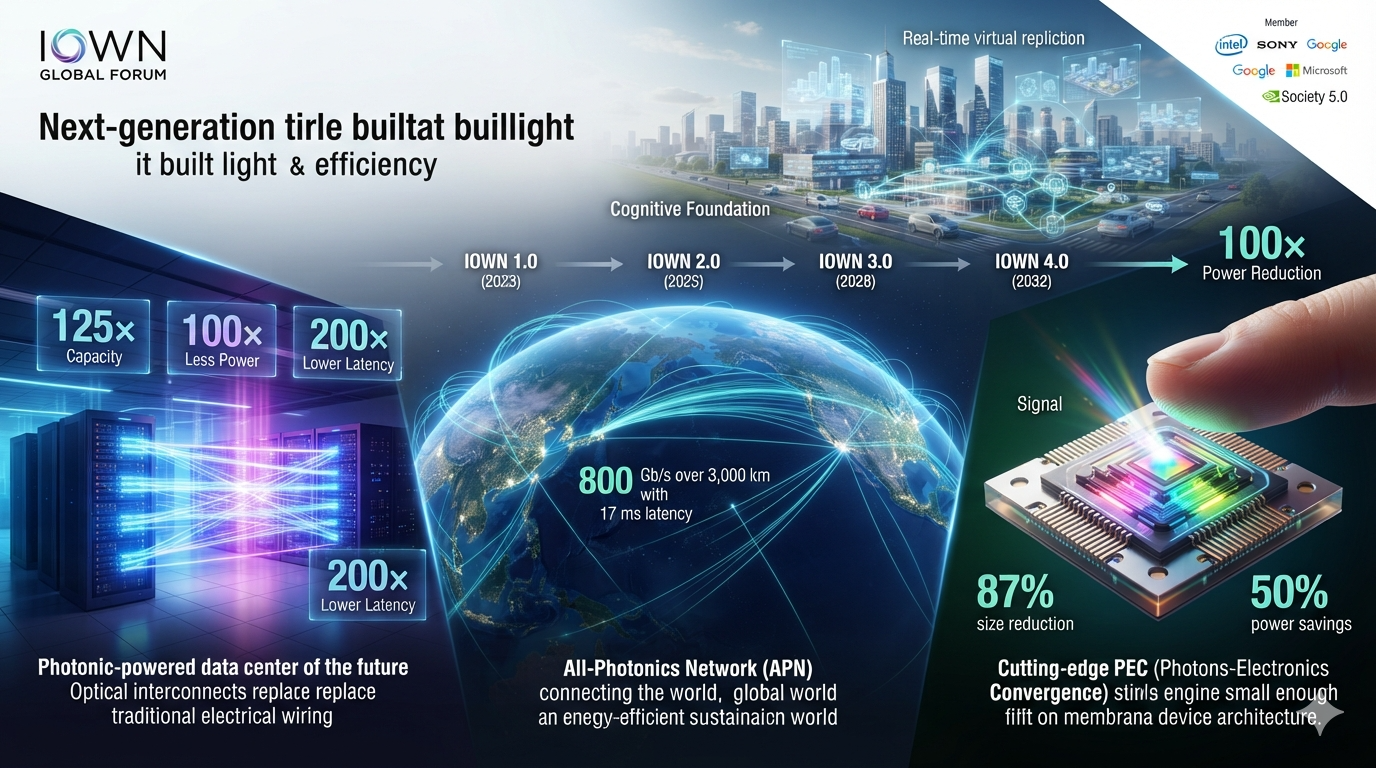
Building the Next Internet with Light: How IOWN is Transforming AI, Defense, and Sustainable Digital Infrastructure
Introduction: Strategic Context Artificial intelligence, hyperscale cloud computing, autonomous systems, and the explosion of data-intensive applications are fundamentally reshaping the world’s digital infrastructure. Every AI model trained, every autonomous vehicle deployed, every satellite constellation launched, and every digital twin constructed depends on communications networks capable of transporting enormous quantities of data with extremely low latency…
-
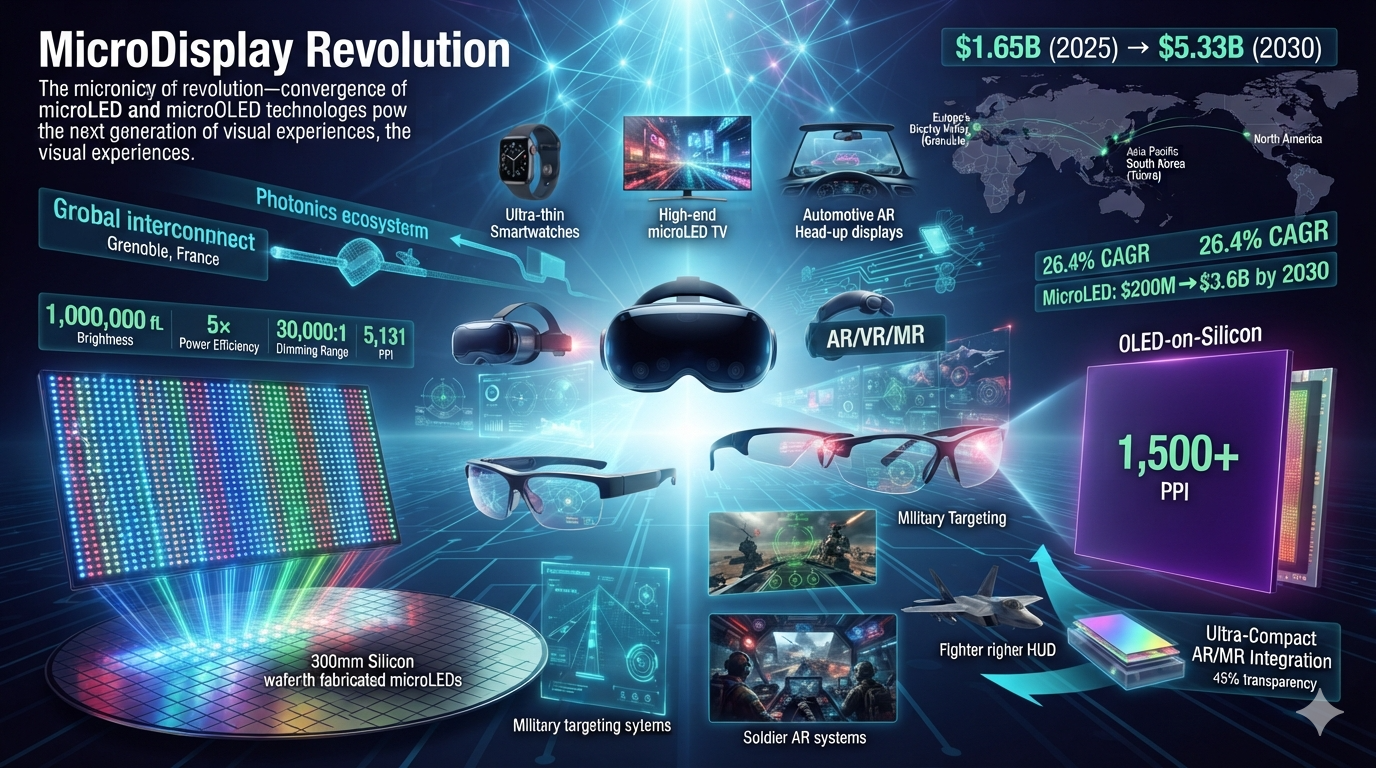
Microdisplay Revolution: How MicroLED and MicroOLED Are Shaping the Future of Defense, AI, and Spatial Computing
Introduction: Strategic Context The race to build lighter, brighter, and more energy-efficient displays has become a strategic competition extending far beyond consumer electronics. As augmented reality (AR), virtual reality (VR), mixed reality (MR), artificial intelligence, autonomous systems, and wearable computing become integral to military operations, industrial automation, healthcare, and next-generation consumer devices, microdisplay technologies have…
-

Radiation Technologies: Powering Strategic Innovation Across Healthcare, Defense, Energy, and Industry
Introduction: Strategic Context Radiation science has evolved far beyond its traditional association with nuclear energy and medical imaging. Today, radiation technologies form a foundational pillar of national security, advanced manufacturing, healthcare, clean energy, agriculture, environmental protection, and space exploration. From enabling cancer therapies and sterilizing medical equipment to inspecting critical infrastructure, hardening military electronics, supporting…
STRATEGIC SUB-MAGAZINES
Modern military power emerges from the interaction of platforms, people, doctrine, and integration across domains. The Defense & Military Systems magazine is structured into focused sub-magazines that examine how combat capability is built, sustained, and employed across air, land, sea, weapons, and human systems.
Cyber & Information Warfare
Industrial outcomes are shaped as much by incentives, policy, and market structure as by engineering. Price signals, investment cycles, and regulatory frameworks quietly determine which technologies scale, stagnate, or fail.
This sub-magazine examines how markets behave under strategic pressure—where capital flows, how demand signals distort decisions, and why some industries adapt faster than others.
Explore the Cyber & Information Warfare Sub-Magazine →
Security & Threat Management
Modern security is defined by persistence, coordination, and anticipation. This sub-magazine focuses on how threats are identified, mitigated, and managed across institutions, infrastructures, and societies.
Explore the Security & Threat Management Sub-Magazine →