
Digital battlefields, hybrid warfare, and the future of threat intelligence
IDST Intelligence Briefings
(Latest Security & Cyber Videos)
Why This Magazine Exists
Security, Cyber & Counter-Threats examines the evolving landscape of modern security in an era defined by digital conflict, hybrid warfare, and persistent global threats.
From cyber operations, information warfare, and intelligence-driven defense to counter-terrorism, internal security, and emerging threat vectors, this magazine provides strategic analysis, technical insight, and policy-relevant perspectives for decision-makers, practitioners, and researchers navigating an increasingly contested security environment.
What We Track
- Cyber warfare & cyber defense
- Information operations & influence campaigns
- National security threat assessments
- Emerging digital and hybrid warfare doctrines
- Critical infrastructure & cyber resilience
Latest Analysis & Intelligence
-

The Digital Backbone of Modern Warfare: How Next-Generation Ethernet is Transforming Defense, Industry, and Autonomous Systems
Strategic Context Control of information has become as decisive in modern conflict as control of territory. Across today’s multidomain battlespace, victory increasingly depends on the ability to collect, transport, process, and exploit enormous volumes of data with near-zero latency across land, sea, air, space, cyber, and electromagnetic domains. Whether coordinating autonomous drone swarms, integrating next-generation…
-
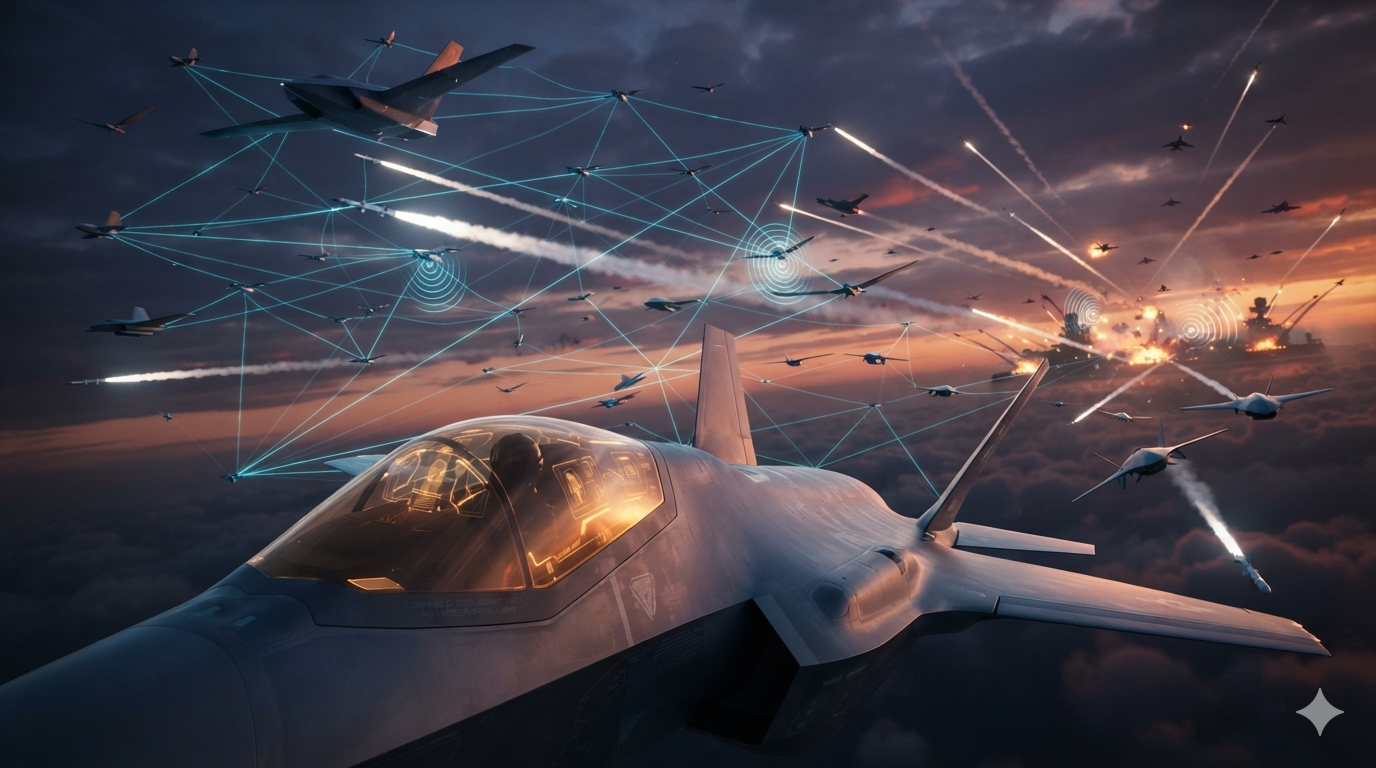
The Age of Autonomous Aircraft Swarms: How Collaborative Air Combat Is Reshaping Future Air Warfare
Strategic Context Air warfare is entering its most significant transformation since the introduction of stealth aircraft. The traditional model—where a handful of highly sophisticated fighters dominate the battlespace—is rapidly giving way to a distributed ecosystem of autonomous aircraft, collaborative drones, intelligent munitions, and AI-enabled command networks. Rather than relying solely on the capabilities of a…
-
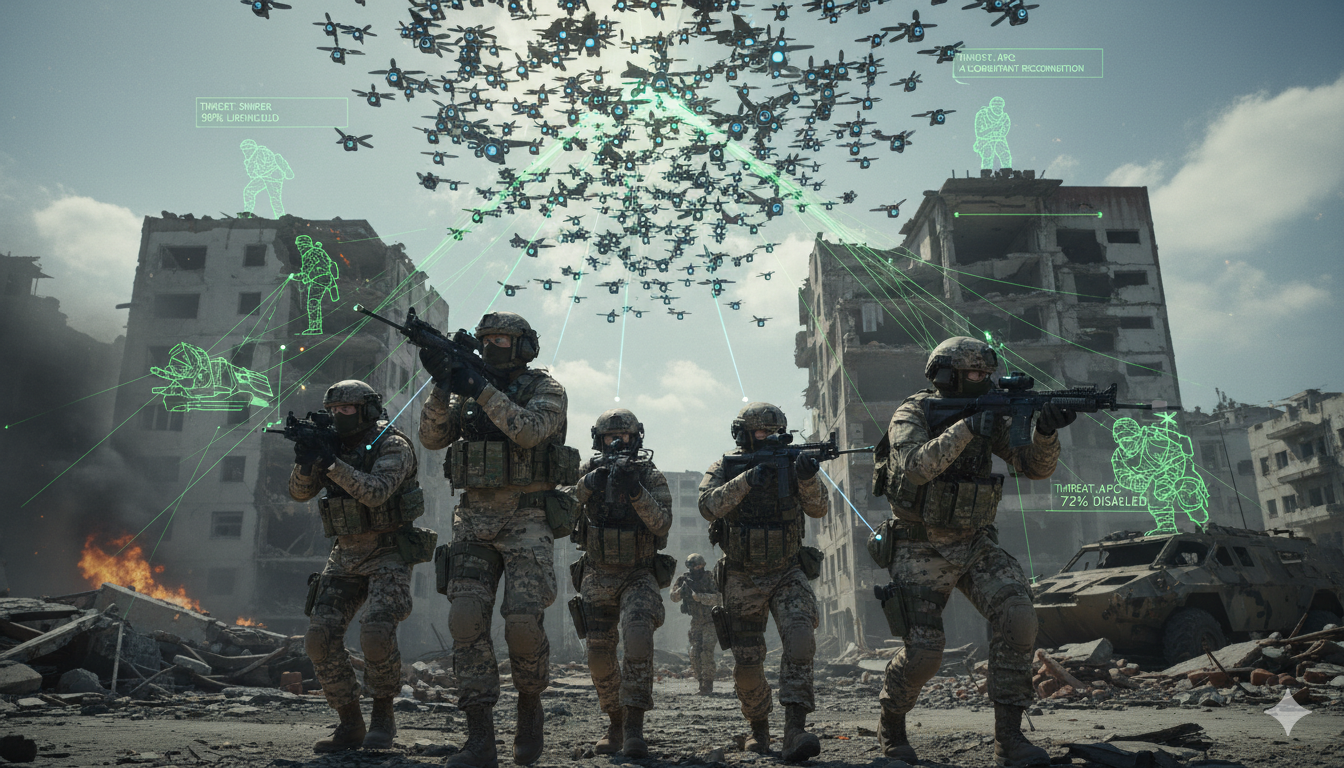
Connected Warrior Revolution: Global Growth of the Man-Portable Military Electronics Market
Strategic Context The character of ground warfare is undergoing its most profound transformation since the introduction of network-centric operations. The modern soldier is evolving from an individual combatant into an intelligent, connected combat node operating within an integrated multi-domain battlespace. Every soldier now serves simultaneously as a sensor, communicator, decision-maker, and precision strike enabler, continuously…
-
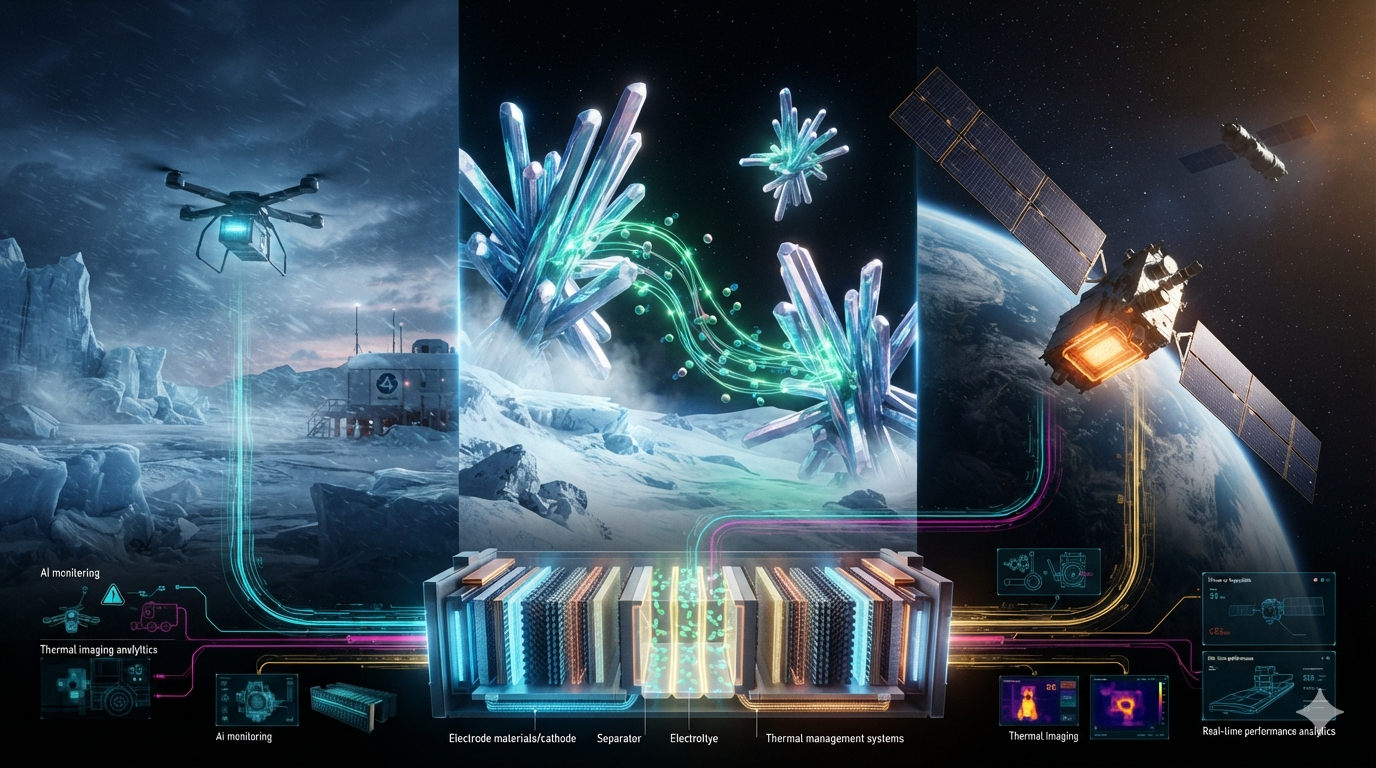
Powering the Frozen Battlespace: Extreme Battery Technologies for Arctic, Space, and Military Operations
Strategic Context The race for military and technological superiority is increasingly extending into some of the world’s most unforgiving environments. From the Arctic and Antarctic to high-altitude battlefields, deep oceans, and outer space, modern defense operations increasingly depend on reliable energy storage capable of functioning where conventional batteries rapidly fail. As geopolitical competition intensifies across…
-
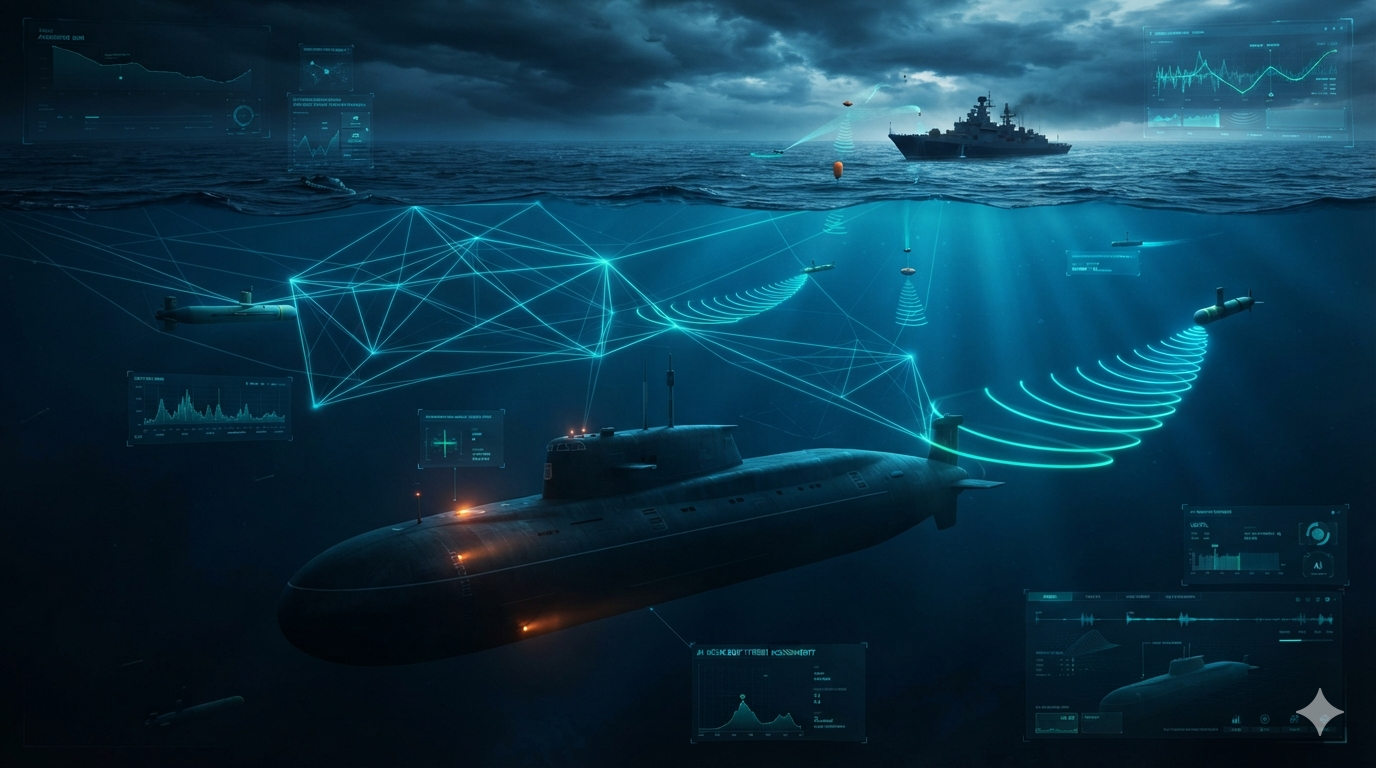
The Silent Hunt: How AI, Autonomous Sensors, and Distributed Sonar Networks Are Transforming Submarine Detection
Strategic Context The world’s oceans are rapidly becoming one of the most contested domains of strategic competition. As geopolitical tensions intensify across the North Atlantic, Arctic, Indo-Pacific, and Mediterranean, submarines have once again become indispensable instruments of deterrence, intelligence collection, precision strike, and nuclear second-strike capability. Russia continues to expand its fleet of ultra-quiet Yasen-M…
-

Venus Unveiled: The New Space Race to Earth’s Sister Planet and the Quest to Understand Planetary Evolution
Strategic Context After decades in the shadow of Mars exploration, Venus has re-emerged as one of the most strategically important destinations in planetary science. The renewed global interest is no longer driven solely by scientific curiosity about Earth’s enigmatic twin. Instead, Venus has become the focal point of an increasingly competitive international race to demonstrate…
-

Machine Vision at the Frontline: How Computer Vision Is Reshaping Military Intelligence, Autonomous Warfare, and the Global AI Competition
Introduction: Strategic Context The twenty-first century battlefield is increasingly defined not by who possesses the most sensors, but by who can understand what those sensors see first. Every military operation today—from satellite reconnaissance and drone swarms to missile defense, border security, and autonomous combat systems—generates enormous volumes of visual information that far exceed human analytical…
STRATEGIC SUB-MAGAZINES
Modern military power emerges from the interaction of platforms, people, doctrine, and integration across domains. The Defense & Military Systems magazine is structured into focused sub-magazines that examine how combat capability is built, sustained, and employed across air, land, sea, weapons, and human systems.
Cyber & Information Warfare
Industrial outcomes are shaped as much by incentives, policy, and market structure as by engineering. Price signals, investment cycles, and regulatory frameworks quietly determine which technologies scale, stagnate, or fail.
This sub-magazine examines how markets behave under strategic pressure—where capital flows, how demand signals distort decisions, and why some industries adapt faster than others.
Explore the Cyber & Information Warfare Sub-Magazine →
Security & Threat Management
Modern security is defined by persistence, coordination, and anticipation. This sub-magazine focuses on how threats are identified, mitigated, and managed across institutions, infrastructures, and societies.
Explore the Security & Threat Management Sub-Magazine →