
Science and engineering are the invisible foundations of every modern capability. Long before systems are fielded, strategies debated, or industries scaled, progress is shaped by laboratory research, engineering constraints, and experimental validation.
The Science, Engineering & Applied Research magazine exists to examine this pre-deployment layer of capability—where ideas are tested against physical reality, where feasibility is proven or rejected, and where tomorrow’s technologies are quietly shaped.
This magazine focuses on how knowledge becomes capability, not through speculation, but through disciplined research, engineering trade-offs, and applied experimentation.
Intelligence Briefings
This magazine explores the scientific and engineering foundations that determine how technologies evolve from theoretical concepts into operational capabilities. It examines the physical principles, research breakthroughs, engineering disciplines, and validation processes that underpin innovation across defense, security, industry, and emerging technology domains.
Coverage spans applied physics, chemistry, materials science, advanced engineering, laboratory experimentation, measurement and testing frameworks, prototyping, and technology maturation pathways. By tracing the journey from fundamental research to deployable systems, this magazine provides the technical context needed to understand what is scientifically possible, what remains constrained, and where future breakthroughs are likely to emerge.
Why This Magazine Exists
Scientific progress and technological innovation are often discussed in terms of future promises, disruptive potential, and strategic impact. Yet the most important question is frequently overlooked: can these capabilities actually be achieved within the limits imposed by science, engineering, economics, and real-world implementation?
This magazine exists to bridge that gap by grounding technology discussions in scientific principles, engineering realities, and evidence-based assessment. It examines the constraints, trade-offs, development pathways, and validation processes that determine whether emerging concepts become transformative capabilities, remain niche solutions, or fail altogether. By providing a rigorous understanding of research and engineering fundamentals, this magazine complements the strategic, intelligence, and systems-focused perspectives across IDST, enabling readers to distinguish genuine breakthroughs from speculation and assess technological futures with greater confidence.
What We Track
- Fundamental and applied research relevant to defense and security
- Engineering design constraints and performance trade-offs
- Experimental platforms and prototype validation
- Technology readiness progression (TRL evolution)
- Cross-disciplinary research convergence
- Scientific breakthroughs with long-term strategic relevance
Latest Analysis & Intelligence
-

Tantalum: The Obscure Metal That Could Become a Strategic Chokepoint in the Ukraine War
Introduction: The New Battlefield Beneath the Battlefield Modern wars are often measured in missiles launched, drones destroyed, territory captured and ammunition consumed. But beneath those visible indicators lies another contest—over the materials that make advanced weapons possible. Tantalum is one of those strategically obscure materials. It rarely appears in military headlines, yet its combination of…
-
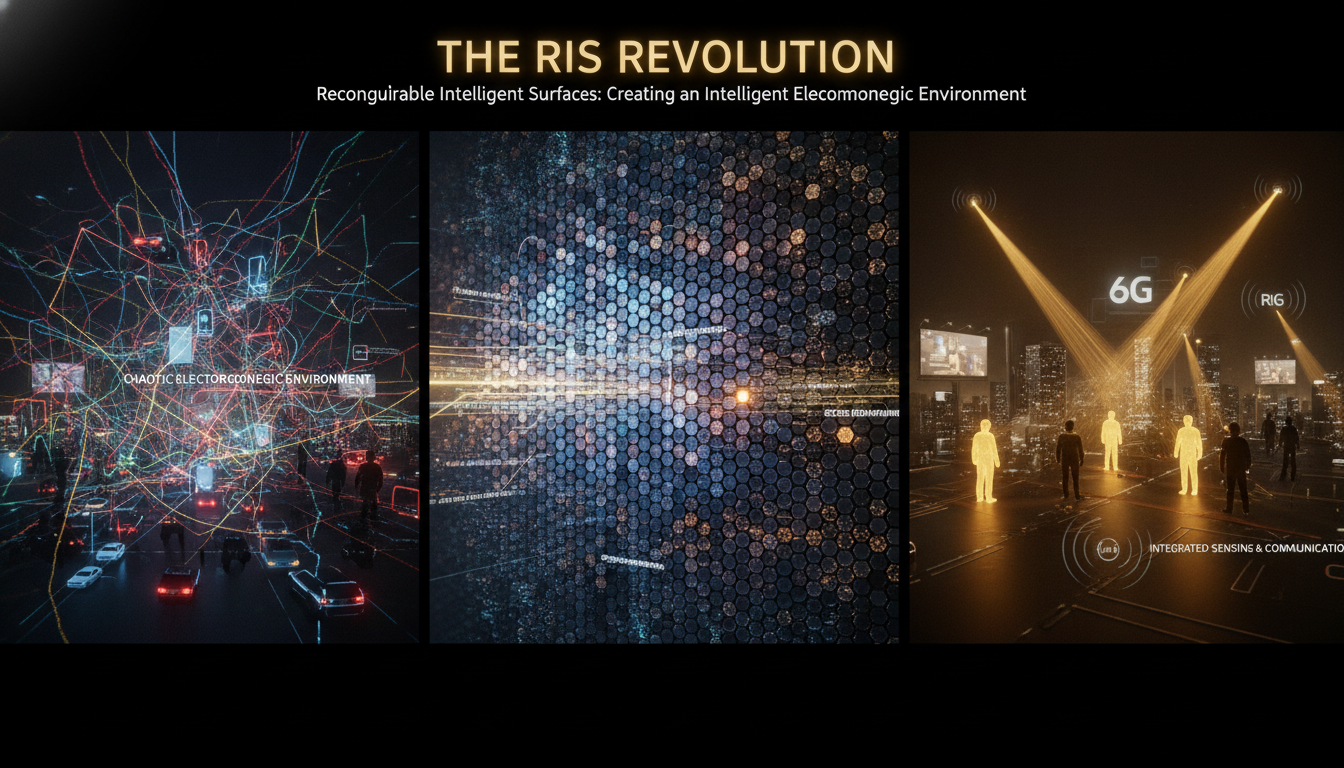
The RIS Revolution: How Reconfigurable Intelligent Surfaces Are Creating an Intelligent Electromagnetic Environment
Introduction: From Wireless Connectivity to Electromagnetic Intelligence The next phase of wireless competition will not be determined solely by faster radios, larger antenna arrays, or additional spectrum. It will increasingly depend on the ability to control the physical environment through which electromagnetic energy propagates. As 5G-Advanced networks move toward increasingly dense deployments and the industry…
-
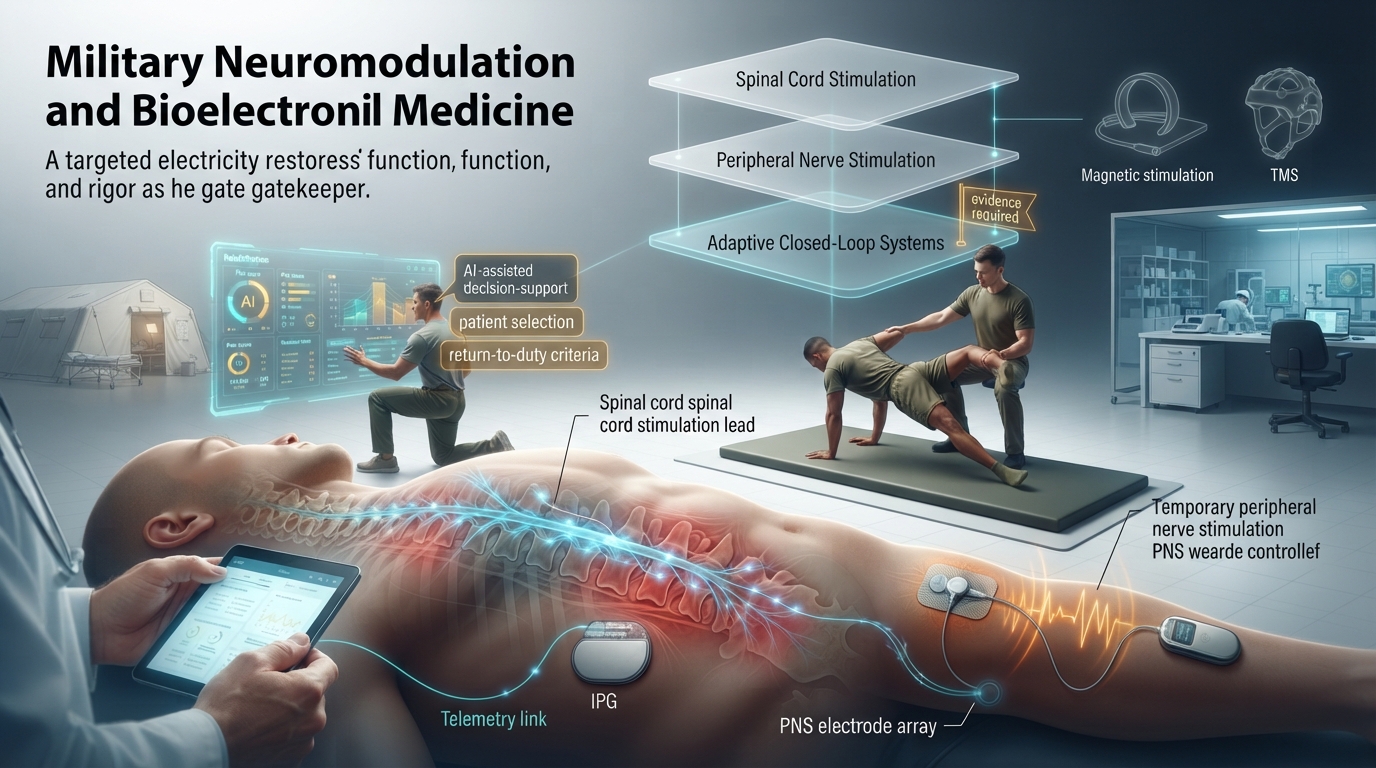
Ultra-Low-Frequency Neuromodulation for Military Medicine: Electrical Stimulation, Bioelectronic Therapies and the Future of Pain Management
Introduction: A New Frontier in Military Medicine Military personnel face a distinctive combination of physical injuries, chronic pain, blast exposure, traumatic brain injury (TBI), psychological trauma, and the cumulative physiological stresses of operational service. Conventional treatments—including medication, surgery, physical rehabilitation, and psychotherapy—remain essential, but some patients experience persistent symptoms despite standard care. Long-term opioid use…
-
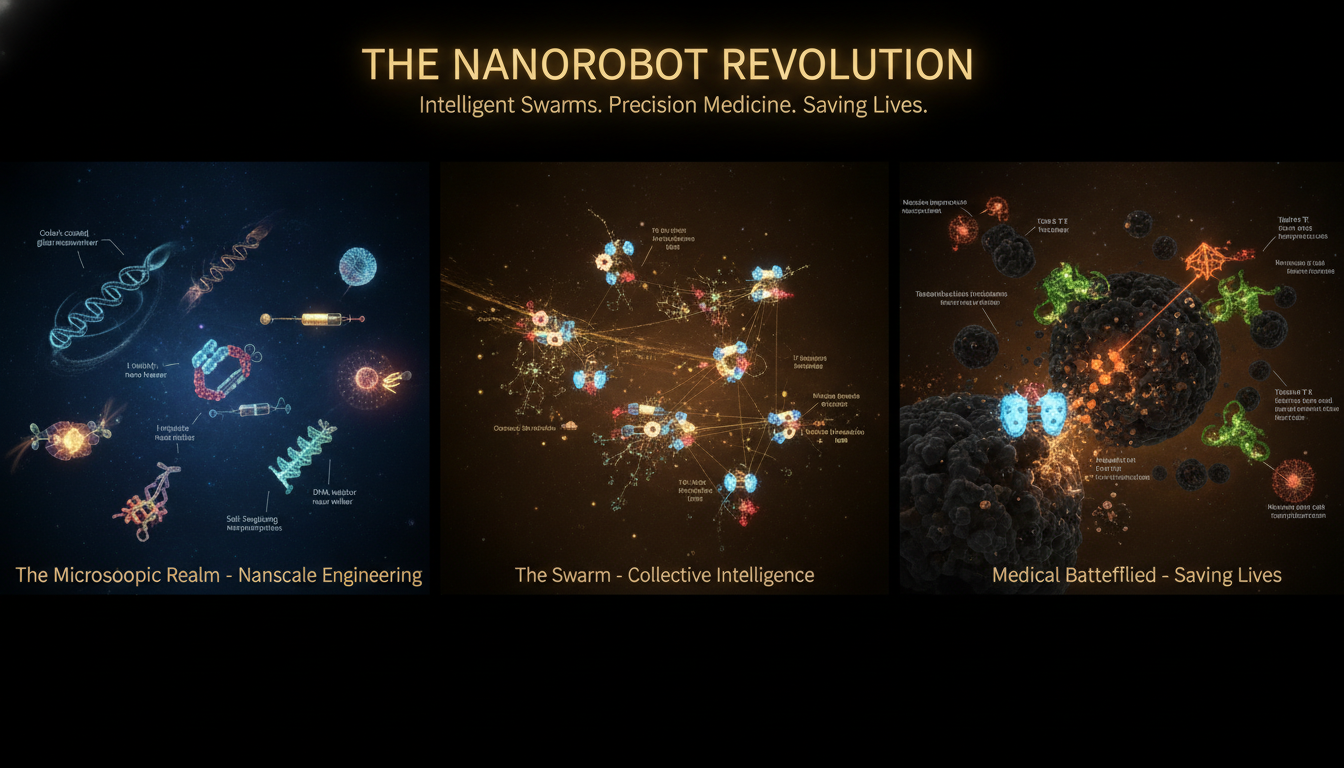
The Nanorobot Revolution: Swarms of Microscopic Machines Battle Cancer and Transform Medicine
Strategic Context: From Nanomedicine to Programmable Biological Machines Medicine is entering a new phase in which the objective is no longer simply to deliver a drug to the body, but to engineer microscopic systems capable of finding, sensing, navigating, responding and acting inside living tissue. Micro- and nanorobots are emerging at the intersection of nanotechnology,…
-

The Molecular Microscope Era: How Nanotechnology, Liquid Biopsy and AI Are Reshaping Cancer Detection and Precision Medicine
Introduction: Strategic Context — From Visible Tumors to Molecular Signals For much of modern oncology, cancer detection has depended on identifying a tumor after it becomes visible through imaging, produces symptoms, or generates abnormalities that can be detected through conventional laboratory tests. Biopsy and histopathology remain essential for establishing many cancer diagnoses, but they often…
-
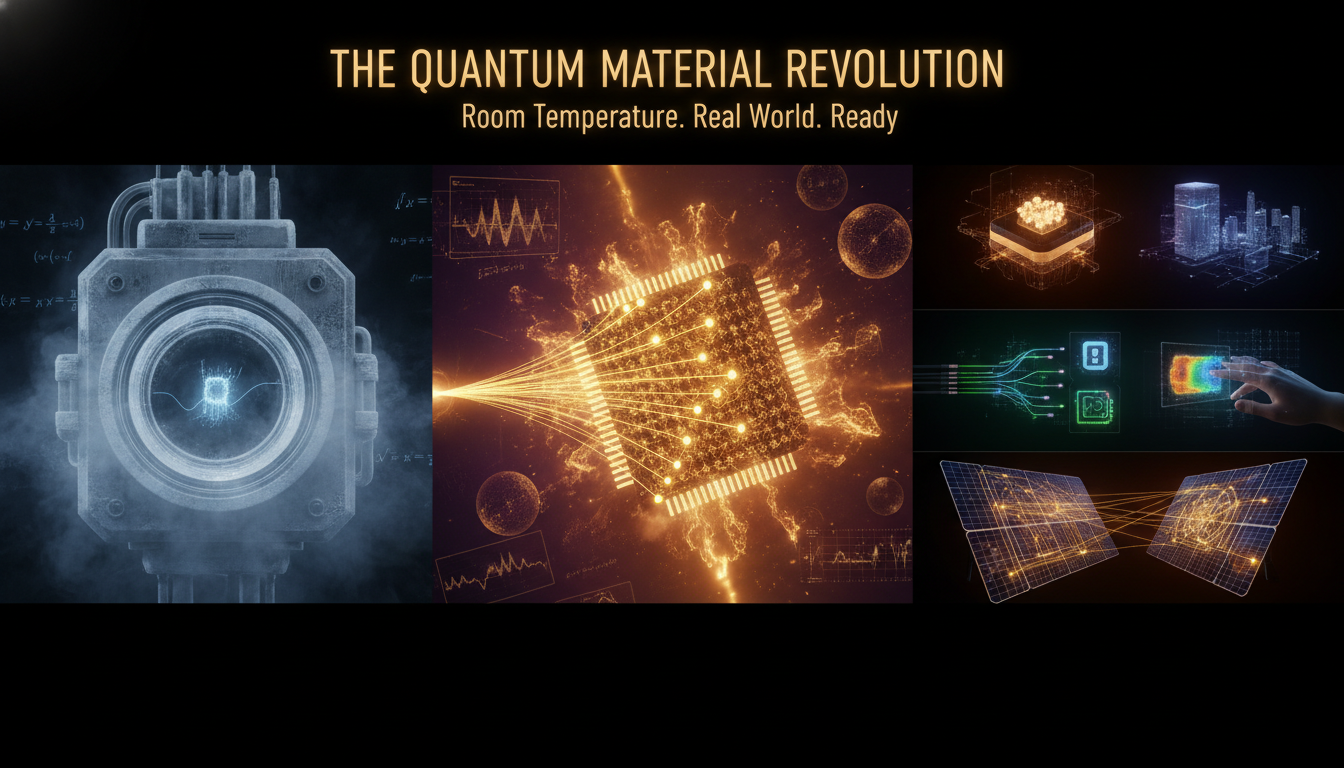
The Quantum Material Revolution: Room-Temperature Breakthroughs Reshaping Technology
Introduction: Breaking the Cryogenic Barrier For decades, one of the biggest obstacles to practical quantum technology has been something deceptively ordinary: temperature. What happens when quantum behavior no longer needs a laboratory refrigerator? That question is becoming increasingly important as researchers demonstrate quantum phenomena under everyday conditions. The most striking recent example is the development…
-
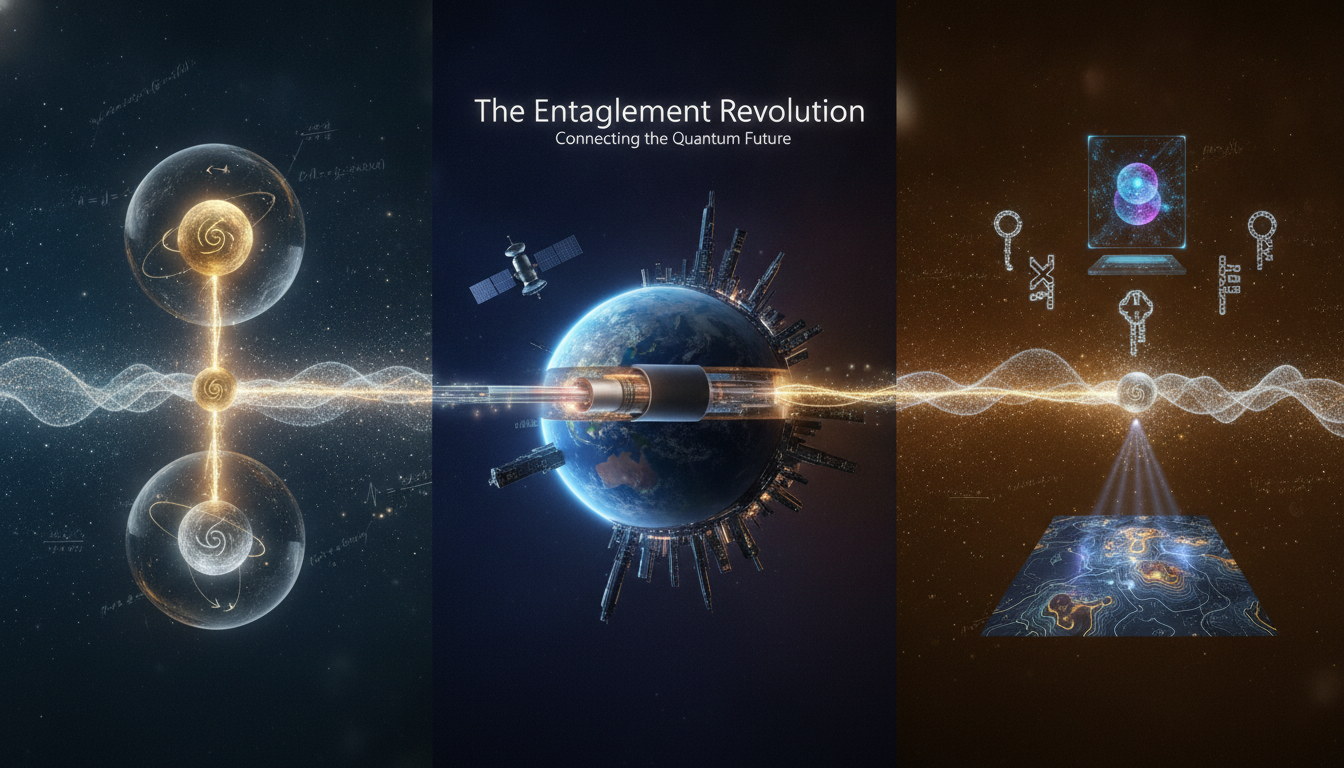
The Entanglement Revolution: How Quantum Connections Are Reshaping Computing, Communications, and Sensing
Introduction: Strategic Context Quantum entanglement is moving from the laboratory into the infrastructure of the emerging quantum economy. What was once regarded as one of the strangest consequences of quantum mechanics is increasingly becoming an engineering resource for connecting quantum computers, securing communications and creating sensors capable of detecting signals beyond conventional physical limits. The…