

According to the University of Maryland’s Global Terrorism Database, there were a total of 143 attacks – 35 biological, 95 chemical, and 13 radiological – using CBRN weapons across the world from 1970 to 2014. The relative ease with which malicious actors could obtain many of the materials and know-how and wide range of dissemination techniques makes them appealing to extremist groups. Biological weapons achieve their intended effects by infecting people with disease-causing microorganisms and other replicative entities, including viruses, infectious nucleic acids and prions. The chief characteristic of biological agents is their ability to multiply in a host over time.
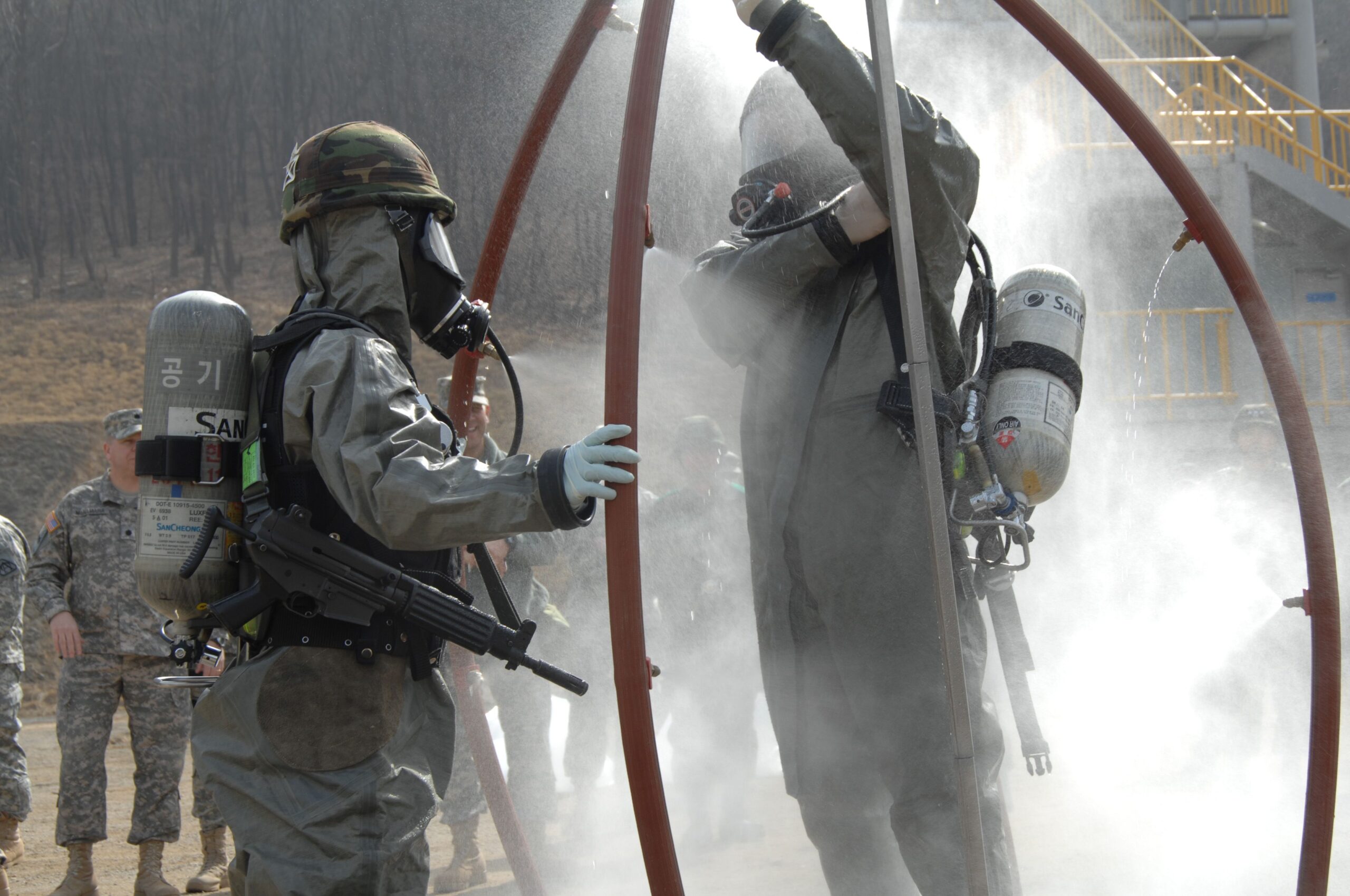
CBRN defence remains an indispensible part of the strategic security preparedness of all nations. CBRN protection includes identifying threats and hazards and preventing or mitigating the effects of CBRN environments. Protective measures include individual protective equipment, detection devices, contamination mitigation technology as well as medical countermeasures. To be resilient, we must be able to respond quickly and effectively to all emerging threats with the appropriate resources including decontamination technologies.
The environmental impact of incidents involving Chemical Warfare Agents (CWAs) can be long-lasting and requires meticulous and expert decontamination by chemical operations specialists. The clean-up process also takes considerable time, as has been evidenced in the case of the Novichok nerve agent attack in Salisbury, UK in March 2018. Nearly two months after the incident, a total of nine key sites connected to the attack remain under guard behind high-security barriers while they await specialist decontamination.
DEFRA’s Chief Scientific Advisor, Ian Boyd, is chair of the decontamination science assurance group explains, the decontamination of each site will involve testing to categorise the level of residual contamination, followed by the removal of affected items, chemical cleaning and then further retesting. The clean-up crews are also expected to take soil samples for further analysis.