

In April 2001, a US Navy surveillance plane was intercepted by two Chinese F-8 fighter planes during a routine patrol flight over the Chinese South Sea. The US plane was forced to make an emergency landing in China, after what officials described as a “minor” midair collision, occurred with one of the Chinese planes. The US crew had between 12 and 20 minutes in the
air to destroy all classified material on board before making the emergency landing. In the final moments before the plane landed, the crew tried to destroy the hardware with hammers and axes.
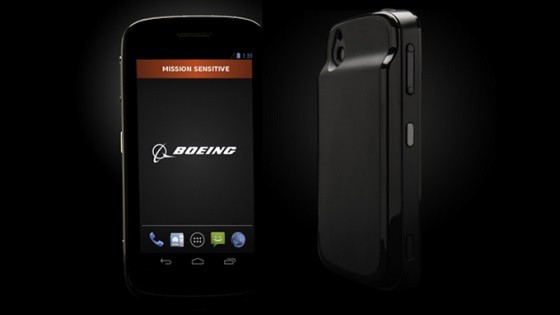
Securing confidential data in emergency situations is essential. The damage that can result when confidential information falls into adversary hands is devastating. In general defence storage systems security levels are classified into data protection, data elimination and media destruction. Researchers are now designing a new class of electronics, called Transient and self destructing electronics enabled by new materials, that are capable of self-destruction on command or in response to environmental conditions, such as temperature.
DARPA’s Vanishing Programmable Resources (VAPR) program is investigating the development of special electronics that are rugged and functional as conventional electronics, but also capable of self-destruction on command or in response to environmental conditions, such as temperature. This shall prevent classified technology being leaked, reverse engineered or be used to develop countermeasures, if it fell in the hands of the enemy.