
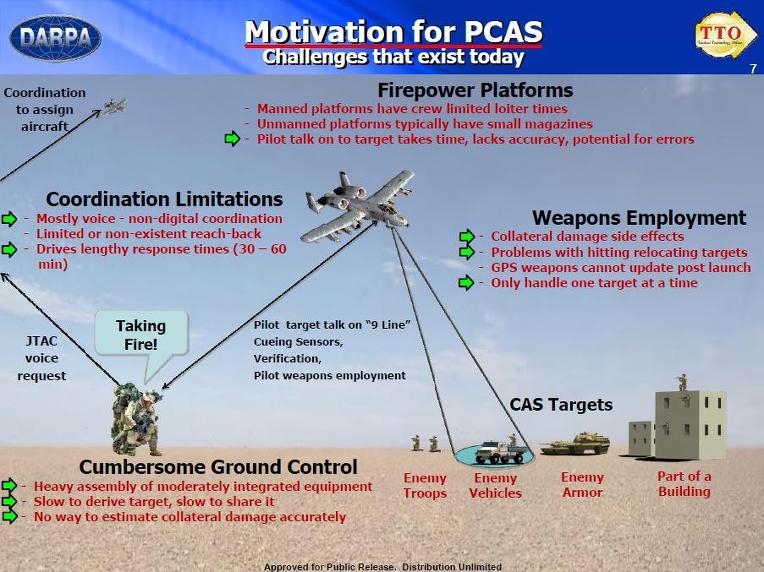

US Air Force could soon begin testing light attack aircraft to see if they’re a viable option for close-air support. The work is being led by Air Force Strategic Development Planning and Experimentation Office. The office will conduct experiments that include live exercises and simulation, and it will help senior Air Force leaders decide which technologies to fund.
“We’re bringing in vendors that have light attack airplanes and flying them against a series of test objectives,” said Jack Blackhurst, director of the office. The experiment is expected to run for about 135 days, and will help the service determine if light attack planes are a viable, low-cost option to supplement the A-10 Warthog. The Air Force has pushed back the retirement of the A-10s until at least 2022 following stiff opposition from Congress.
Lt. Gen. James M. “Mike” Holmes, the service’s deputy chief of staff for strategic plans and requirements, has floated a number of close-air support options to Air Force leaders, including the flight demonstration of inexpensive, off-the-shelf tactical airplanes. Among the aircraft mentioned are turbo-propeller aircraft like Embraer’s A-29 Super Tucano and the Beechcraft’s AT-6 Wolverine, Textron AirLand’s Scorpion jet or a variant of the Alenia Aermacchi M-346.
Holmes has stressed that a new light attack craft would supplement, not replace the A-10 Warthog fleet. But it would give combatant commanders a low-cost option for battling violent extremist groups in light of the high operations and maintenance costs associated with the A-10 and various fighter jets currently doing that job. The plane would not be meant for high-end combat, but a “low-to-medium-threat environment,” where it could fly low over the battlefield, bombing or strafing enemy forces without too much worry about advanced air defenses, said Gen. Mark Welsh, the Air Force chief of staff.