
Systems are defined not only by what they are—but by how they are used. This sub-magazine examines how technologies and platforms are employed in operational environments, exercises, and real-world scenarios.
IDST Intelligence Briefings
Operational concepts, employment patterns, mission profiles, and environment-driven constraints.
Why This Sub-Magazine Exists
Specifications alone do not determine outcomes. Operational context, human factors, and environment often matter more. This sub-magazine exists to connect technical capability with real-world use.
What We Track
- Operational use-cases and scenarios
- Human–machine interaction
- Environmental and logistical constraints
- Adaptation under contested conditions
Latest Analysis & Intelligence
-
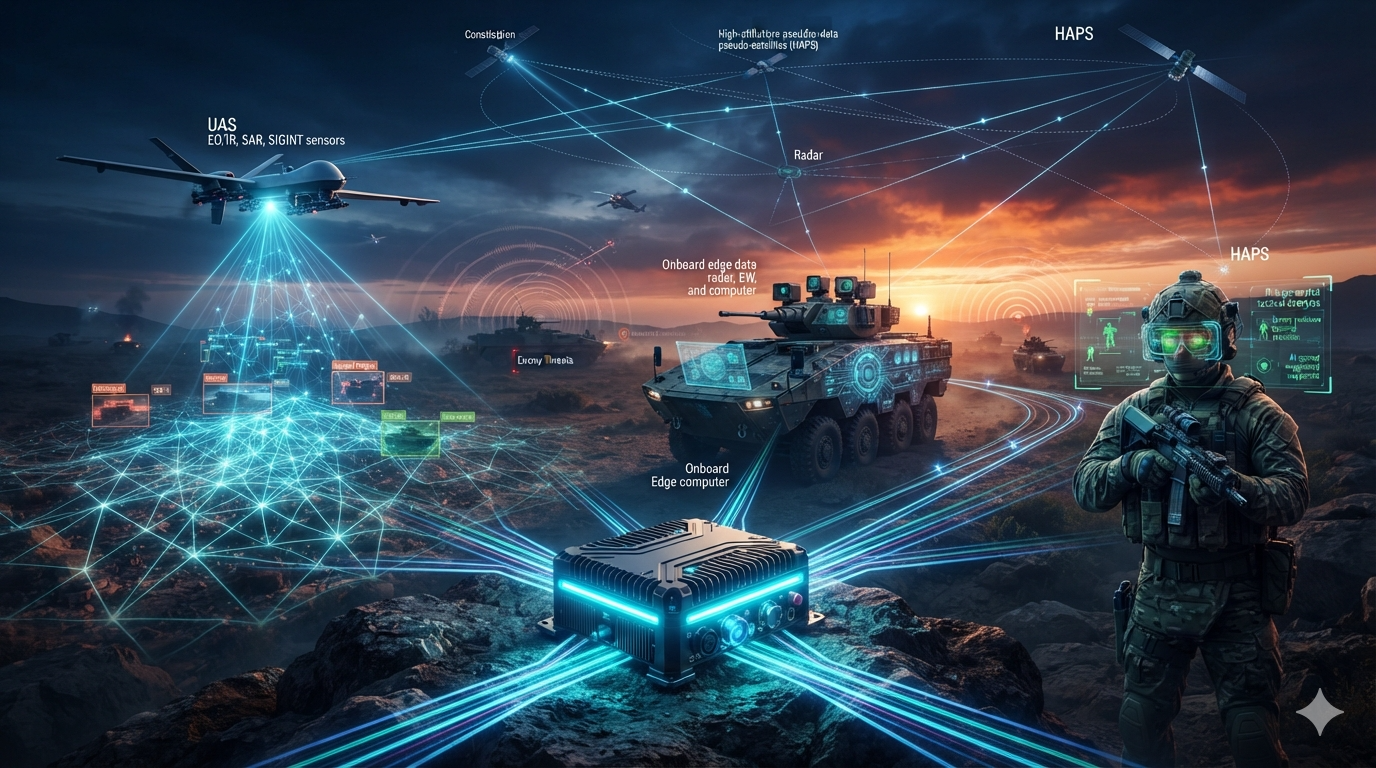
Eyes on the Edge: How AI-Driven Sensor Processing Is Reshaping the Future Battlefield
Introduction: From Data Deluge to Decision Dominance Modern warfare is no longer constrained by the availability of information—it is constrained by the ability to process it fast enough to influence the fight. Every military operation now generates an unprecedented volume of data from satellites, synthetic aperture radar, electronic warfare systems, unmanned aircraft, naval platforms, ground…
-
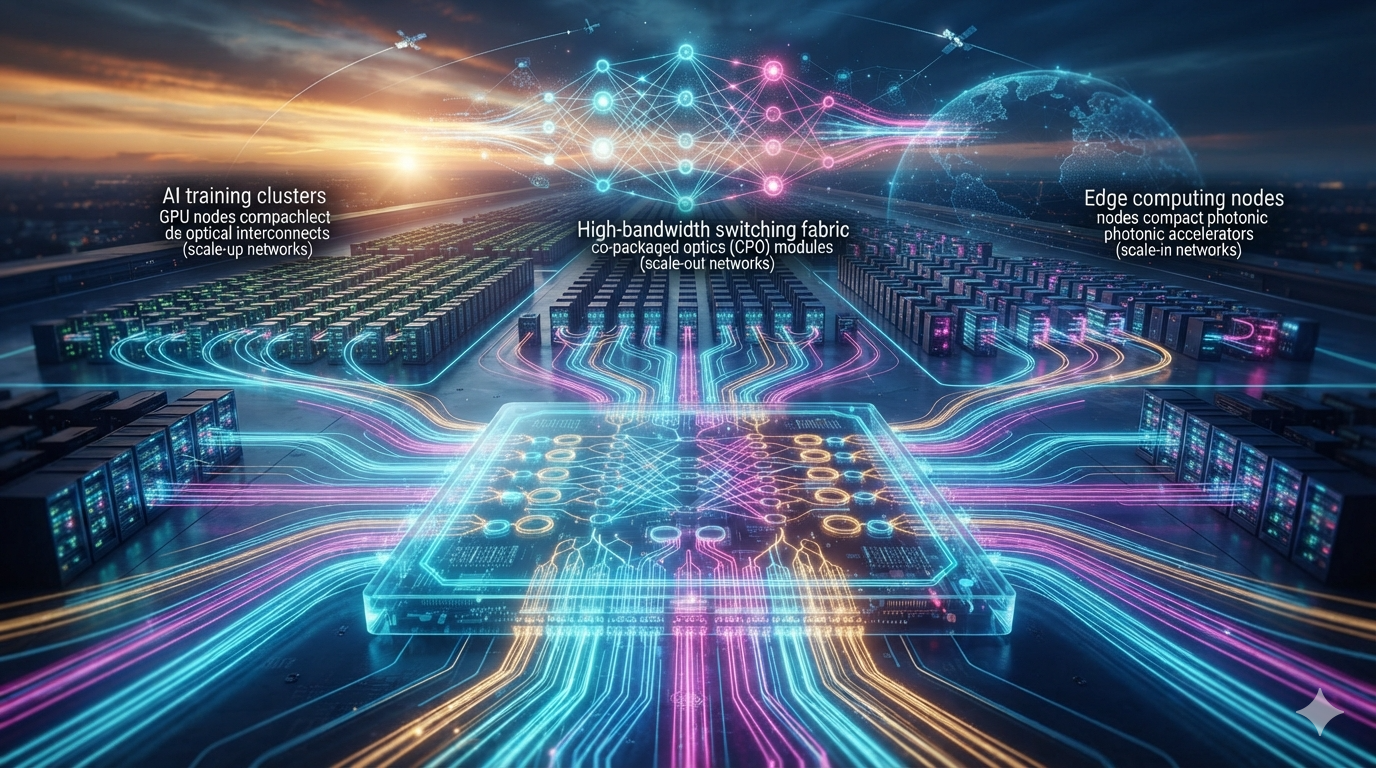
Silicon Photonics: The Optical Engine Driving the Next Generation of Artificial Intelligence
Introduction: AI’s Bandwidth Crisis and the Rise of Silicon Photonics Artificial intelligence has entered an era where computing performance is no longer determined solely by faster processors, but increasingly by the ability to move enormous volumes of data efficiently between chips, memory systems, and data centers. Modern foundation models containing trillions of parameters require unprecedented…
-
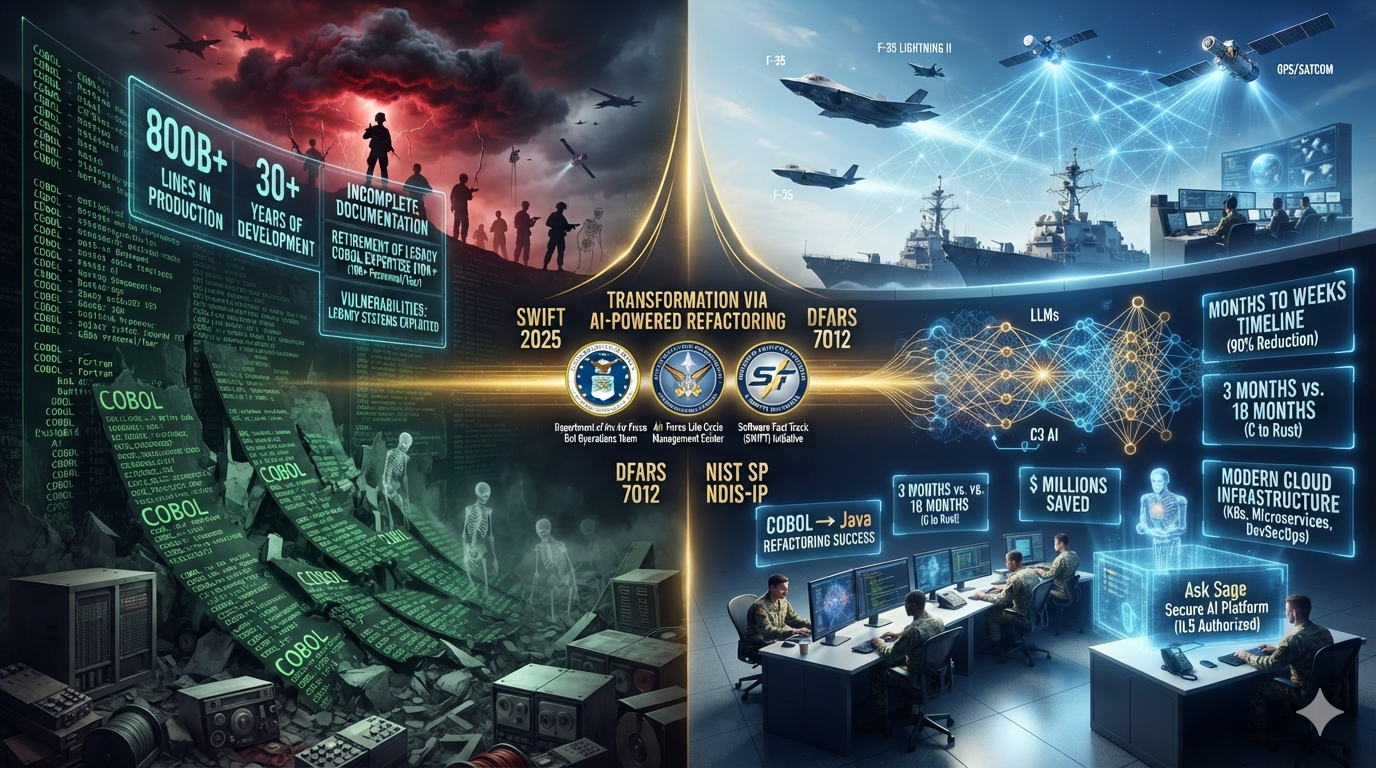
Forging the Digital Arsenal: How AI-Powered Code Assistants Are Modernizing U.S. Military Software
Strategic Context Software has become one of the decisive foundations of military power. Across modern battlefields—from Ukraine to the Indo-Pacific—success increasingly depends not only on advanced platforms such as fighter aircraft, warships, satellites, autonomous systems, and precision weapons, but also on the software that enables them to sense, communicate, coordinate, adapt, and fight. Artificial intelligence,…
-
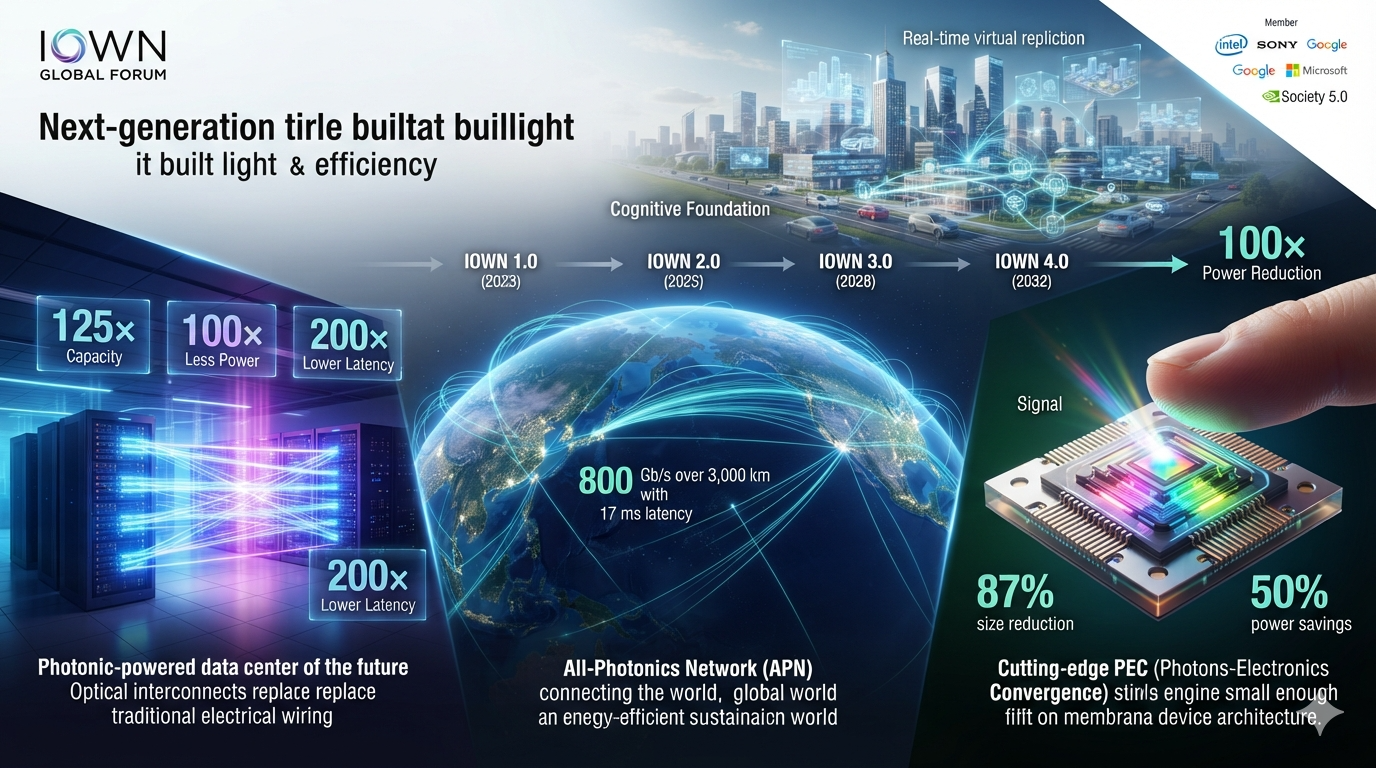
Building the Next Internet with Light: How IOWN is Transforming AI, Defense, and Sustainable Digital Infrastructure
Introduction: Strategic Context Artificial intelligence, hyperscale cloud computing, autonomous systems, and the explosion of data-intensive applications are fundamentally reshaping the world’s digital infrastructure. Every AI model trained, every autonomous vehicle deployed, every satellite constellation launched, and every digital twin constructed depends on communications networks capable of transporting enormous quantities of data with extremely low latency…
-
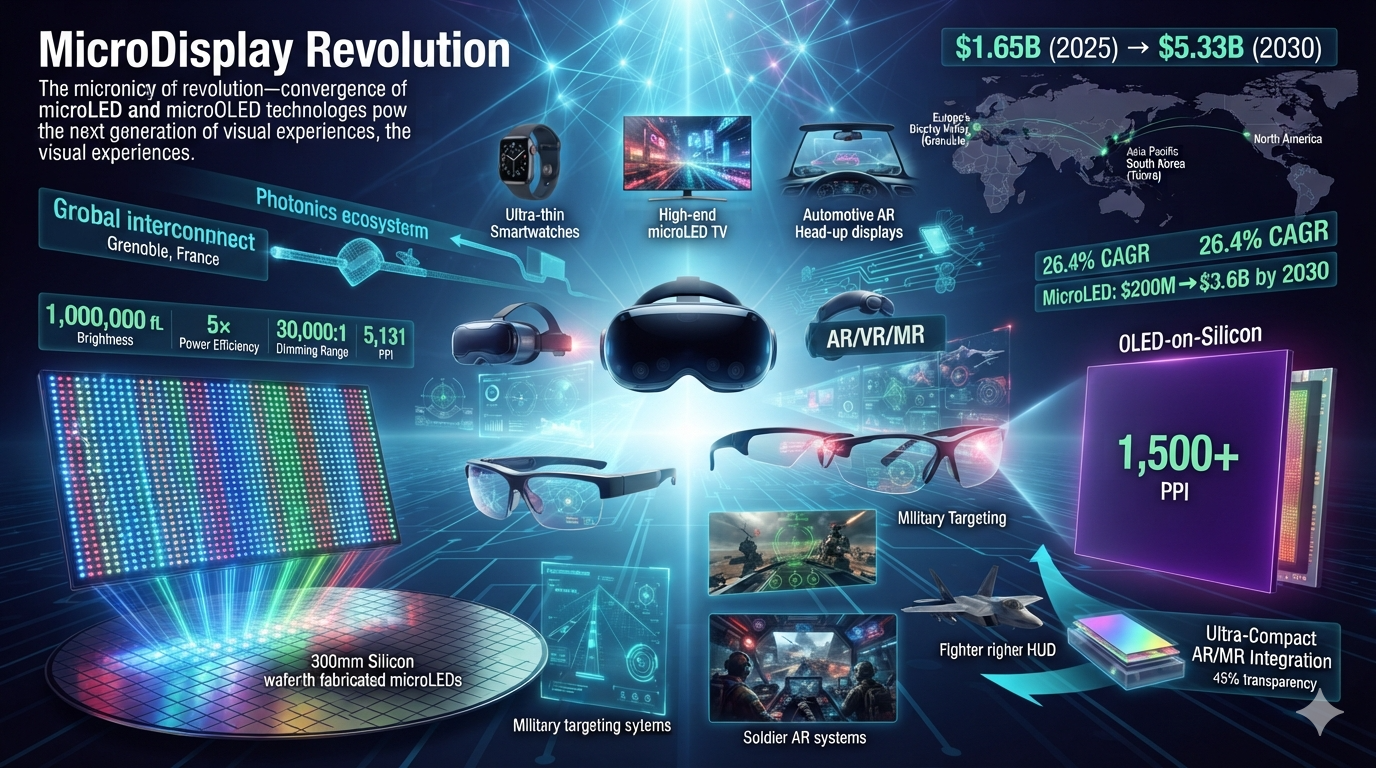
Microdisplay Revolution: How MicroLED and MicroOLED Are Shaping the Future of Defense, AI, and Spatial Computing
Introduction: Strategic Context The race to build lighter, brighter, and more energy-efficient displays has become a strategic competition extending far beyond consumer electronics. As augmented reality (AR), virtual reality (VR), mixed reality (MR), artificial intelligence, autonomous systems, and wearable computing become integral to military operations, industrial automation, healthcare, and next-generation consumer devices, microdisplay technologies have…
-

Radiation Technologies: Powering Strategic Innovation Across Healthcare, Defense, Energy, and Industry
Introduction: Strategic Context Radiation science has evolved far beyond its traditional association with nuclear energy and medical imaging. Today, radiation technologies form a foundational pillar of national security, advanced manufacturing, healthcare, clean energy, agriculture, environmental protection, and space exploration. From enabling cancer therapies and sterilizing medical equipment to inspecting critical infrastructure, hardening military electronics, supporting…
-
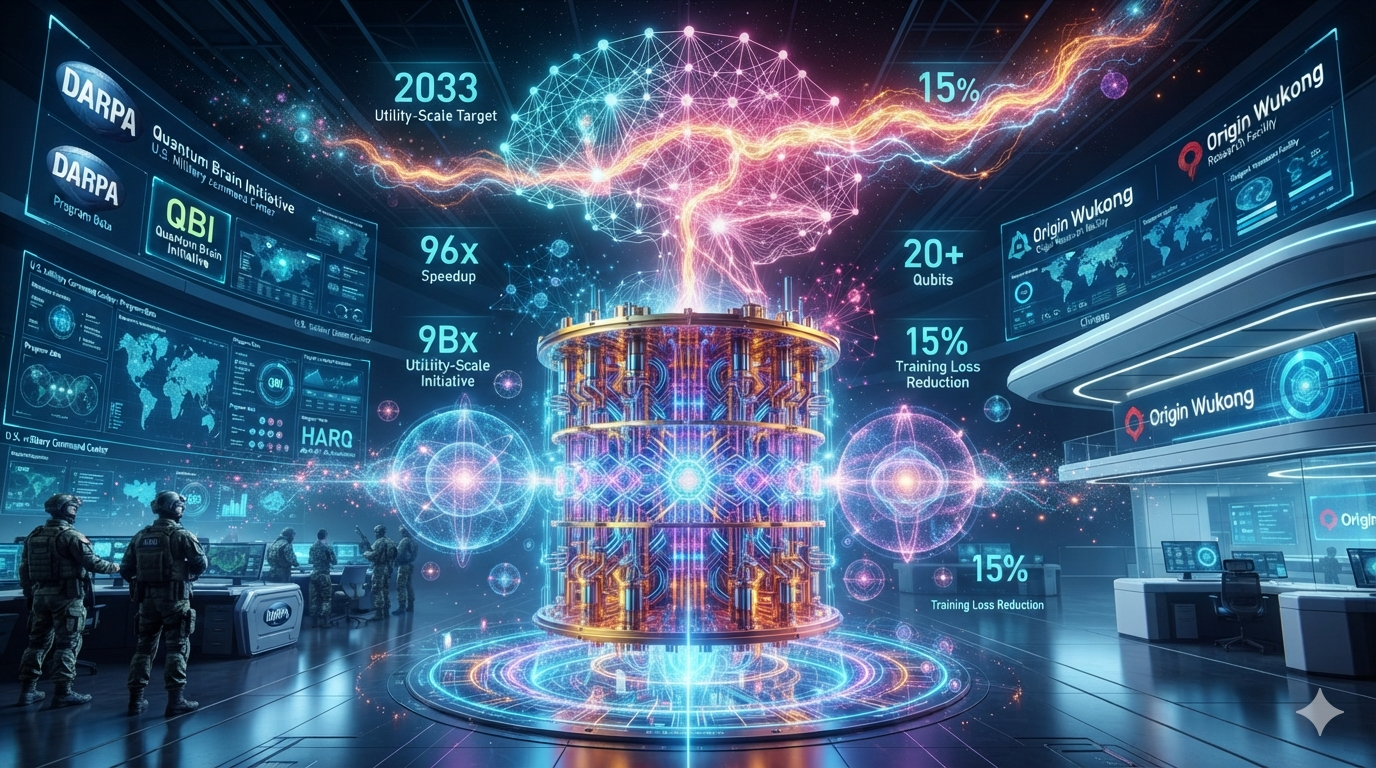
Quantum-Powered AI (QPAI): How the Convergence of Quantum Computing and Artificial Intelligence Is Reshaping Global Technology Competition
Introduction: Strategic Context Artificial intelligence has become the defining technology of the digital age, driving breakthroughs across defense, healthcare, finance, manufacturing, and scientific research. At the same time, quantum computing has emerged as the next frontier in computational science, promising to solve problems that remain beyond the reach of even the world’s fastest supercomputers. The…
Related Domains & Cross-Cutting Themes
Defense Operations • Human & Soldier Systems • Autonomous Systems • Security Operations
Explore the Space Technology, Defense & Exploration Magazine →