
Systems are defined not only by what they are—but by how they are used. This sub-magazine examines how technologies and platforms are employed in operational environments, exercises, and real-world scenarios.
IDST Intelligence Briefings
Operational concepts, employment patterns, mission profiles, and environment-driven constraints.
Why This Sub-Magazine Exists
Specifications alone do not determine outcomes. Operational context, human factors, and environment often matter more. This sub-magazine exists to connect technical capability with real-world use.
What We Track
- Operational use-cases and scenarios
- Human–machine interaction
- Environmental and logistical constraints
- Adaptation under contested conditions
Latest Analysis & Intelligence
-

Quantum Computing for Chemistry: From Theory to Practical Advantage
Strategic Context Quantum computing is entering a new phase in which the central question is no longer whether quantum processors can simulate chemistry, but whether they can become useful components of real scientific and industrial workflows. The most important change is not simply the rise in qubit counts. It is the emergence of quantum-centric supercomputing,…
-

Engineered Optical Materials and Metagratings: The Race to Lightweight Augmented Reality
How nanophotonics, adaptive materials, metasurfaces and single-layer waveguides are reshaping AR glasses for defense, industry and next-generation computing Introduction: The Optical Bottleneck Behind the AR Revolution Augmented reality has a deceptively simple objective: place digital information into the user’s field of view without preventing the user from seeing the real world. Achieving that objective, however,…
-
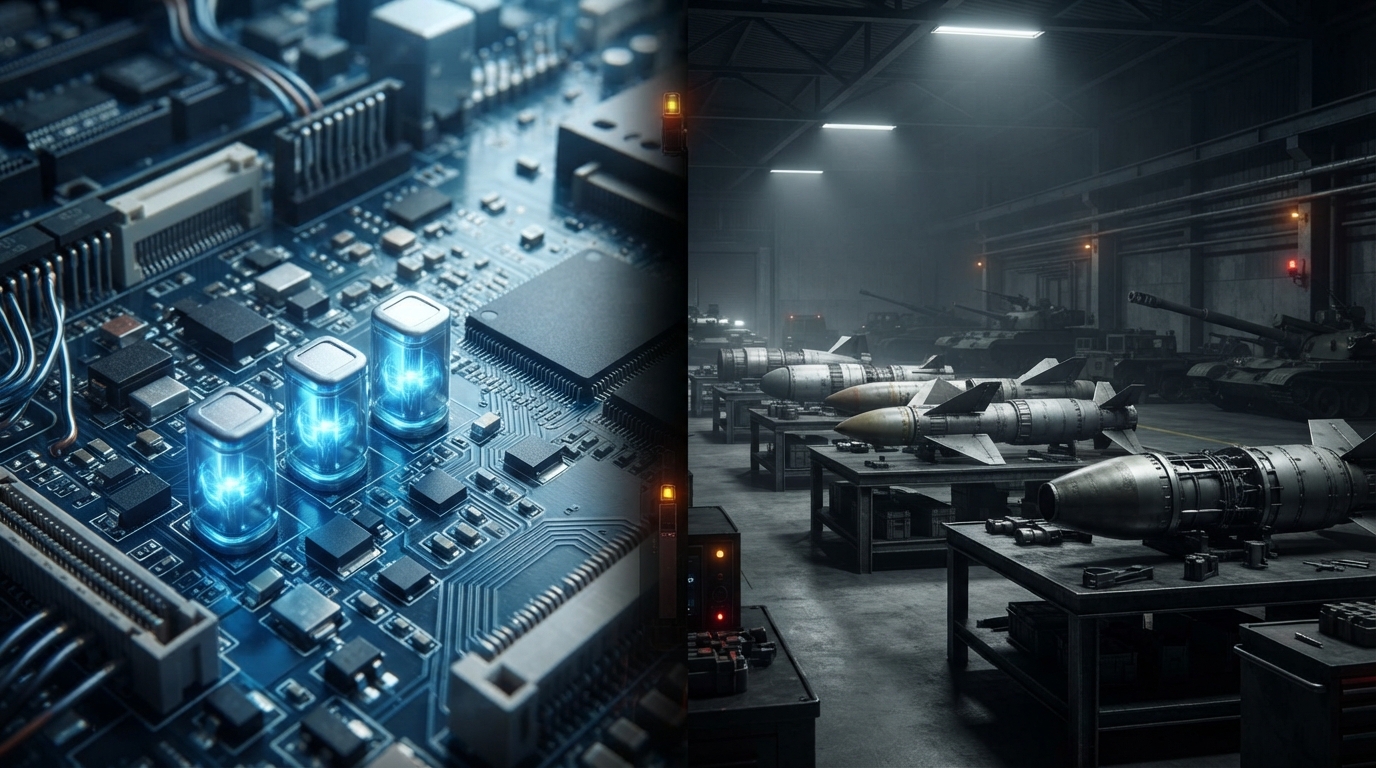
Tantalum: The Obscure Metal That Could Become a Strategic Chokepoint in the Ukraine War
Introduction: The New Battlefield Beneath the Battlefield Modern wars are often measured in missiles launched, drones destroyed, territory captured and ammunition consumed. But beneath those visible indicators lies another contest—over the materials that make advanced weapons possible. Tantalum is one of those strategically obscure materials. It rarely appears in military headlines, yet its combination of…
-

Robotic Servicing of Geosynchronous Satellites: How RSGS Is Transforming Space into a Resilient, Upgradeable Warfighting Domain
The Fragile Backbone of Modern Warfare Geosynchronous Earth orbit has become one of the most strategically valuable pieces of infrastructure above Earth. Communications, missile warning, weather, intelligence, navigation augmentation and national-security missions depend on satellites that must remain operational for years or even decades. Yet the traditional spacecraft model remains fundamentally limited: once a satellite…
-

DARPA Liberty Lifter: From Heavy Seaplane Ambition to a New Paradigm for Distributed Maritime Logistics
DARPA’s Liberty Lifter is a revolutionary ocean-landing aircraft designed to transform Indo-Pacific military logistics with runway-independent, heavy-lift mobility. Introduction: Reimagining Strategic Airlift Beyond Runways For decades, military planners have faced a fundamental mobility problem: airlift provides speed but depends heavily on runways, while sealift can move enormous quantities of equipment but is slow and often…
-
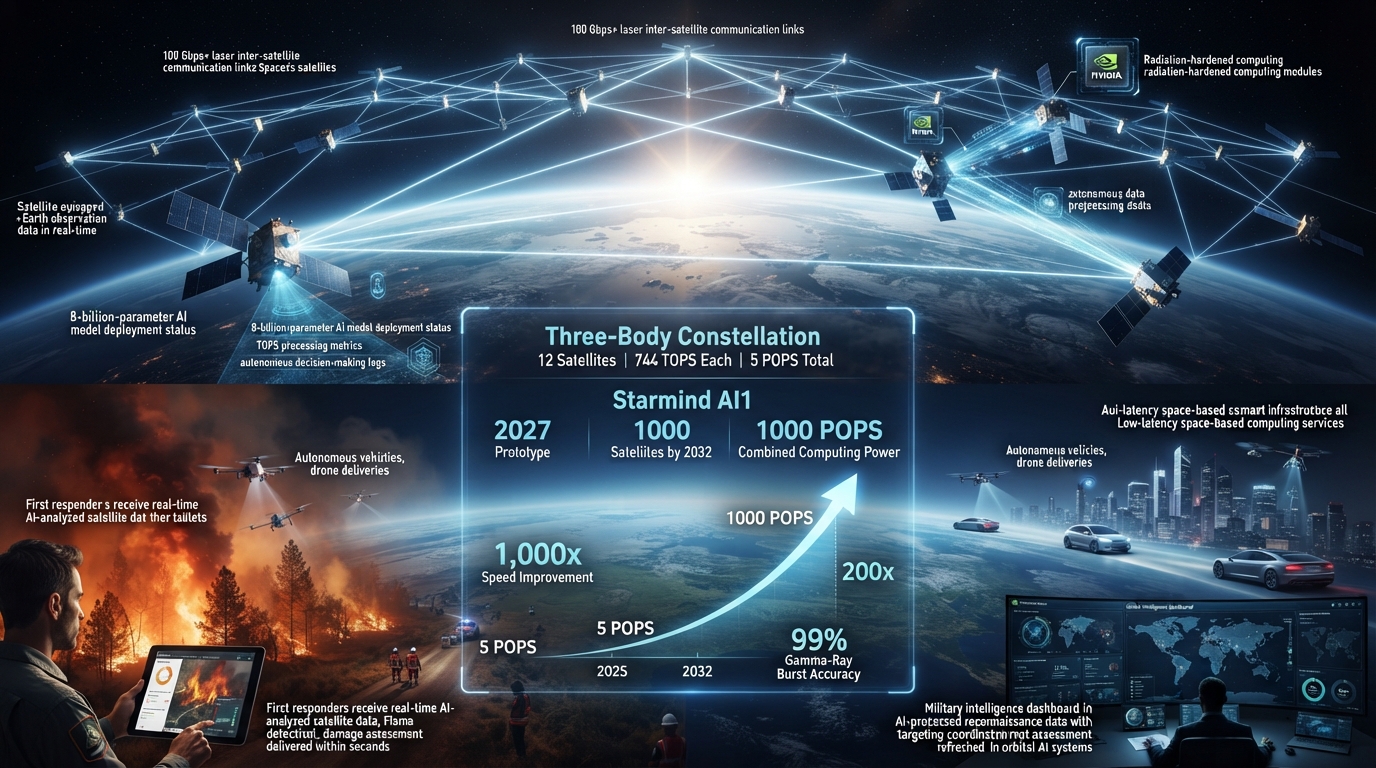
Supercomputers in Orbit: The New Frontier of Space-Based AI
Introduction: From Space-Based Sensors to Orbital Intelligence The next phase of the space race may not be defined by who launches the most satellites, but by who can make those satellites think fastest. For decades, space systems have followed a fundamentally asymmetric architecture: satellites collect enormous quantities of imagery, signals, scientific measurements and telemetry, while…
-
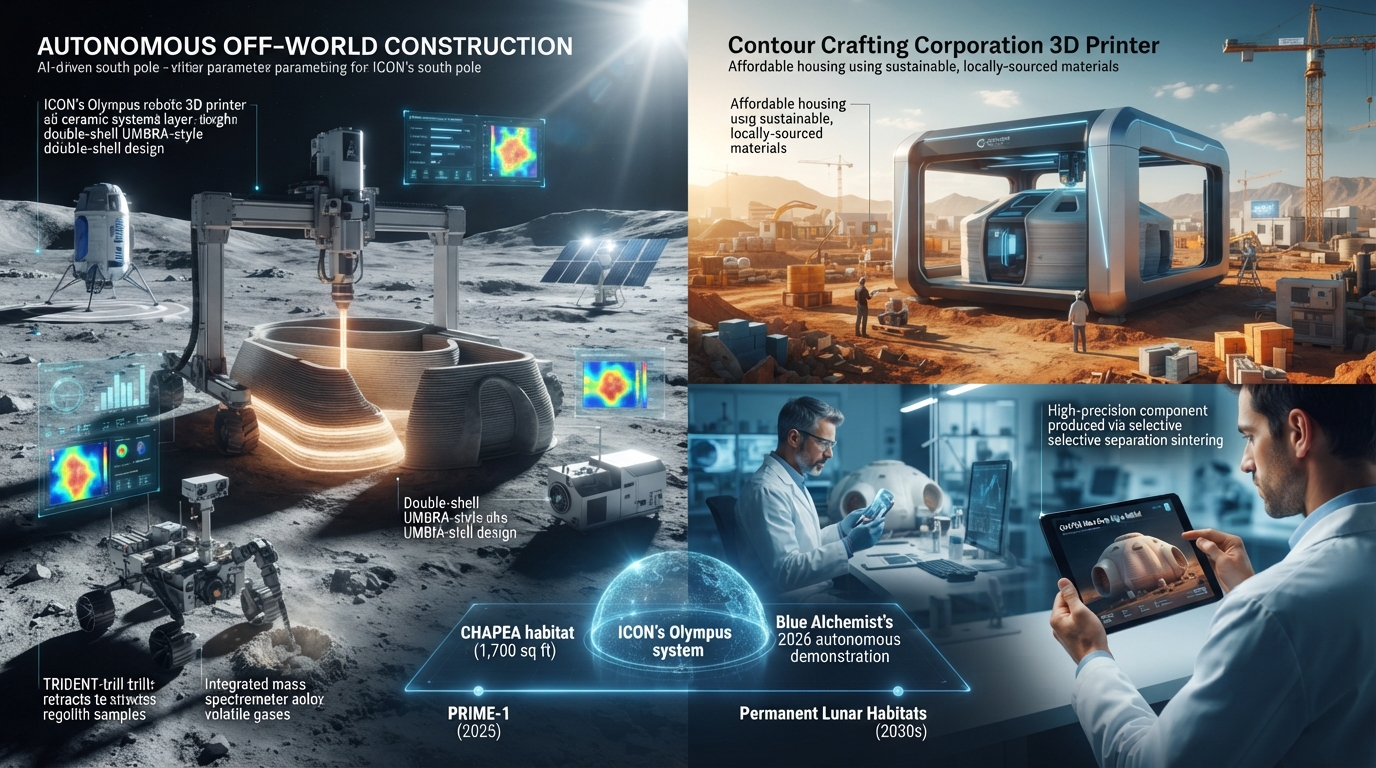
Robotic 3D Printing for Extraterrestrial Construction: Building the Future on the Moon and Mars
Introduction: From Lunar Exploration to Autonomous Space Infrastructure The next phase of the space race will not be defined simply by who reaches the Moon first, but by who can build, power, repair, and expand infrastructure after landing. The emerging lunar economy is shifting from an expeditionary model, in which every kilogram of equipment is…
Related Domains & Cross-Cutting Themes
Defense Operations • Human & Soldier Systems • Autonomous Systems • Security Operations
Explore the Space Technology, Defense & Exploration Magazine →