

Two out of three missions to the red planet have failed. One reason there have been so many losses is that there have been so many attempts. “Mars is a favorite target,” says Dr. Firouz Naderi, manager of the Mars Program Office at the Jet Propulsion Laboratory. To get there, Spirit and Opportunity, the two Mars Exploration Rovers launched this past June and July, will have to fly through about 483 million kilometers (300 million miles) of deep space and target a very precise spot to land. Adjustments to their flight paths can be made along the way, but a small trajectory error can result in a big detour and or even missing the planet completely.
The space environment isn’t friendly. Hazards range from what engineers call “single event upsets,” as when a stray particle of energy passes through a chip in the spacecraft’s computer causing a glitch and possibly corrupting data, to massive solar flares, such as the ones that occurred this fall, that can damage or even destroy spacecraft electronics.
The road to the launch pad is nearly as daunting as the journey to Mars. Even before the trip to Mars can begin, a craft must be built that not only can make the arduous trip but can complete its science mission once it arrives. Nothing less than exceptional technology and planning is required.
If getting to Mars is hard, landing there is even harder. “One colleague describes the entry, descent and landing as six minutes of terror,” says Naderi. So, the challenge of entry, descent and landing is how to get something that massive traveling at 19,300 kilometers per hour (12,000 miles per hour) slowed down in six minutes to have a chance of survival.”
The risks are also great. “We do everything humanly possible and try to avoid human mistakes,” says Naderi. “That’s why we check, double check, test and test again and then have independent eyes check everything again. Humans, even very smart humans, are fallible particularly when many thousands of parameters are involved. But even if you have done the best engineering possible, you still don’t know what Mars has in store for you on the day your arrive. Mars can get you.”
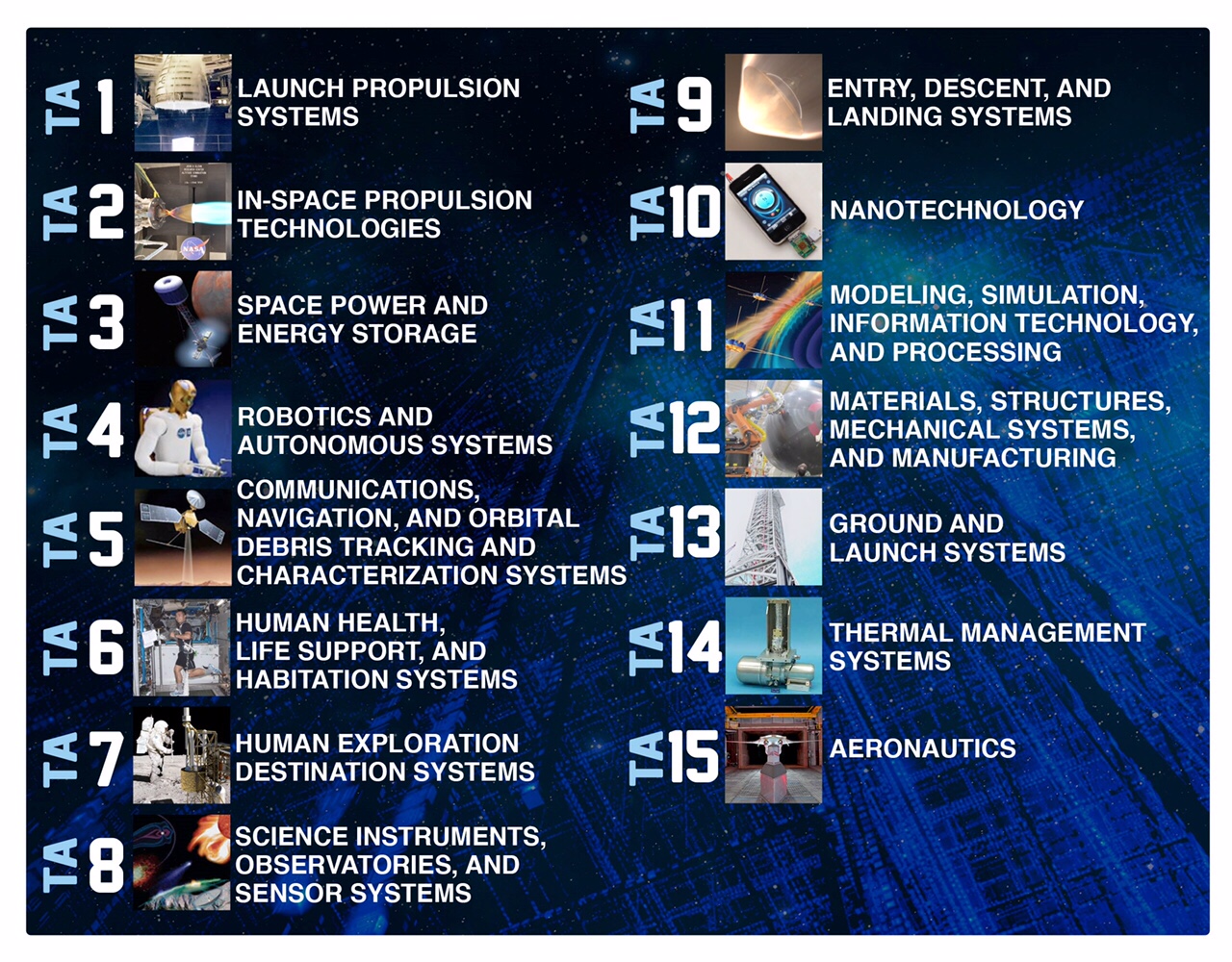
Each step in expanding human presence beyond low Earth orbit relies on the readiness of new capabilities and technologies. As no single agency has the resources to develop all those critical capabilities, appropriately leveraging global investments in technology development and demonstration is important.