
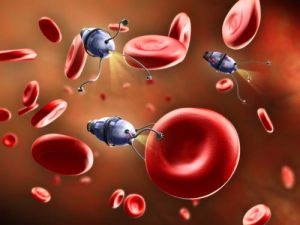

Nanomedicine is a branch of medicine that applies the knowledge and tools of nanotechnology to the prevention and treatment of disease. Nanomedicines typically encapsulate therapeutic and/or imaging compounds in submicrometer-sized carrier materials. Nanomedicine involves the use of nanoscale materials, such as biocompatible nanoparticles and nanorobots, for diagnosis, delivery, sensing or actuation purposes in a living organism. Billions of dollars have been invested by USA, Japan and China into nano research, for uses including both military and industry.
The use of nanotechnology in medicine has the potential to have a significant impact on human health by improving the diagnosis, prevention and treatment of diseases. Nanomedicines are generally intended to increase the therapeutic index of compounds by allowing more efficient delivery to the target site to enhance therapeutic efficacy and/or by minimizing accumulation in healthy body sites to reduce toxicity.
It was more than 20 years ago when the U.S. Food & Drug Administration approved the first nanoparticle drug, Doxil. Doxil encapsulates the cancer drug doxorubicin in a lipid sphere called a liposome. Since that decision in 1995, FDA has approved several other nanoparticle formulations. Nanomedicine is now making great strides, and, nanoparticles are already being used to target disease at the cellular and even molecular level.
Nano-enabled medical products began appearing on the market over a decade ago. The main therapeutic areas they have impacted are cancer, CNS diseases, cardiovascular disease and infection control. While nano-enhanced drug delivery products are a commercial reality, more advanced nanotech-based medical devices remain in development, although some are at the clinical testing stage. Some of the recent exciting developments in the world of nanomedicine have been delivering chemotherapy drugs directly to cancer cells, delivering HIV drugs at lower doses with the same effect, attacking fungal infections and regenerating human organs without the controversial use of embryonic stem cells.
Nano-bots are currently being tested for the treatment of blood clots and oxygen transportation around the body. These blood cells or platelet functions have not yet been achieved but are highly anticipated nano-healthcare solutions. One major challenge of Nanorobotics is that of tracking and safe removal of the robots once they are done.