

Identity theft is increasingly a 21st-Century problem. As more data moves off of physical paper and onto Internet-connected servers, the chances of that data getting stolen increases as well.
According to the FTC, there were 2.8 million fraud reports from consumers in 2021, a nearly 27% increase over the 2.2 million fraud reports in 2020. 26.4% of these were from people between the ages of 30 and 39, while just 4.7% were from people over 70 years old. People who use Facebook, Instagram, and Snapchat were particularly vulnerable. Users on these sites have a 46 percent higher risk of account takeovers and fraud than those not active on any social media networks.
Norton found that 87 percent of consumers have left their personal information exposed while accessing emails, bank accounts or financial information, another issue that could be mitigated through the use of a VPN.
Identity fraud is increasingly committed by sophisticated criminal organizations operating beyond the reach of outdated laws that do not address such crimes. A proliferation of personally identifiable information (PII) available through social media and other public sources is easily accessible to aspiring fraudsters, while the anonymity of Internet commerce and communication gives them plenty of cover. identity fraud and its derivative crimes cost banks, retailers, healthcare providers, governments, and ultimately consumers and taxpayers around the globe hundreds of billions of dollars every year, and this figure continues to grow.
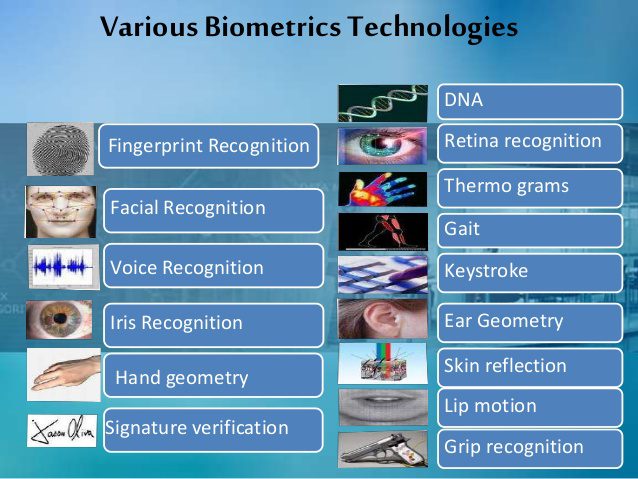
Biometrics are rapidly making their way into the mainstream as a means to help prevent identity theft and fraud. Biometric verification is any means by which a person can be uniquely identified by evaluating one or more distinguishing biological traits. There are two categories of biometric identification and recognition solutions: Physical and behavioral. Physical biometric solutions use distinctive and measurable characteristics of particular parts of the human body, such as a person’s face, iris, DNA, vein, fingerprints, etc., and transform this information into a code understandable by the AI system. Behavioral biometric solutions operate in a similar way, except they use unique behavioral characteristics, such as a person’s typing rhythm, way of interaction with devices, gait, voice, etc.
Biometric solutions are typically used for security and access control across businesses and government organizations. Fingerprint recognition is one of the oldest, simple to install, and low-cost technology; therefore, it finds numerous applications and is widely adopted by many industries. In travel and immigration, fingerprint recognition technology is used in e-passports, e-visas, and driving licenses to authenticate an individual.
In the consumer electronics industry, fingerprint recognition technology is used in laptops, computers, and smartphones, among others. Apple “Face ID” feature can unlock your iPhone X with your face. The biometrics has now merged with other characteristics of physical body , for example Iris-pattern and retina-pattern authentication methods are already employed in some bank automatic teller machines.
Facial recognition supporters in the US often argue that the surveillance technology is reserved for the greatest risks — to help deal with violent crimes, terrorist threats and human trafficking. On the other hand, China’s facial recognition system logs nearly every single citizen in the country, with a vast network of cameras across the country. A database leak in 2019 gave a glimpse of how pervasive China’s surveillance tools are — with more than 6.8 million records from a single day, taken from cameras positioned around hotels, parks, tourism spots and mosques, logging details on people as young as 9 days old. China is racing ahead in its use of facial recognition technology, despite widespread concerns about its impact on privacy and civil liberties.
In this complex human terrain, biometric technologies helped put a uniform on the nation’s enemies and reduced their ability to leverage anonymity for military advantage. Military and Security require more technologically advanced methods of ensuring security against terrorist activities and Illegal immigration. One of the most effective methods of curbing the same is by creating biometric authentication across borders and airports. “Biometric identification (perhaps at range) may strip away the anonymity that enables insurgents to blend into a society –or will allow future adversaries to identify, track, isolate, and target individual U.S. political or military leaders,” writes DOD report.