

With the rise of cyber-attacks and data breaches, and today’s increasingly mobile workforce, securely managing data and endpoints without inhibiting employee productivity has become critical to organizations including military. Many devices including smart phones, tablets and laptops now have network access capabilities however these devices also provide an entry point for threats. These devices can expose organizations to a vast array of security threats and make the issue of corporate IT security a whole lot more complex.
US service members will no longer be able to purchase ZTE and Huawei phones on military bases, according to a new Defence Department directive that cites security risks posed by the devices. “Huawei and ZTE devices may pose an unacceptable risk to Department’s personnel, information and mission,” Pentagon spokesman Major Dave Eastburn said in a statement. “In light of this information, it was not prudent for the Department’s exchanges to continue selling them to DoD personnel.” Mobile Internet modems and other wireless products are also included in the ban.
The decision is the latest move by the Trump administration to limit the influence of Chinese wireless equipment manufacturers, stemming from fears that a more dominant Chinese tech presence could make it easier for Beijing to hack or spy on American businesses and military personnel.
Mobile malware attacks rose to 42.7 million incidents in 2017, up from 40 million in 2016. The risks are especially high for the public sector. The security website DarkReading reports that government ranks second for the highest number of mobile malware attacks, behind only the financial services industry.
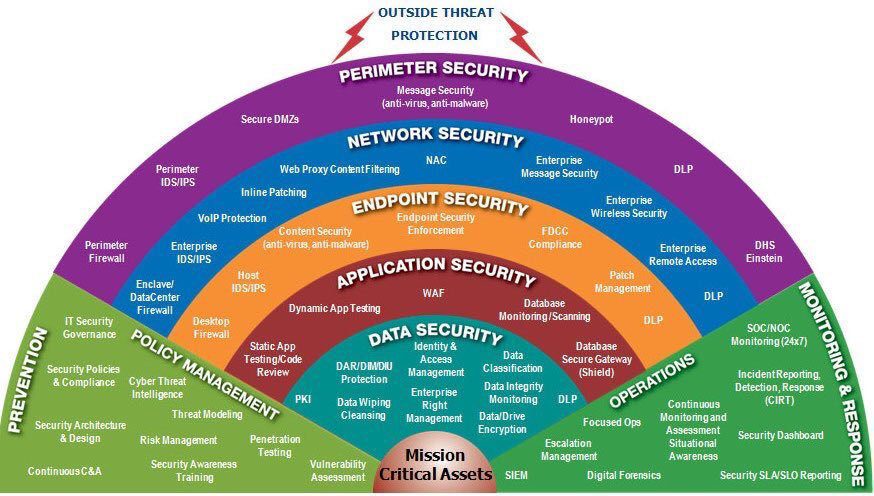
Endpoint security is the process of securing the various endpoints on a network, often defined as end-user devices such as mobile devices, laptops, and desktop PCs, although hardware such as servers in a data center are also considered endpoints. Endpoint security supplements centralized security measures with additional protection at the point of entry for many attacks as well as the point of egress for sensitive data.
“While security continues to be a top concern for enterprise IT, most organizations are focusing most of their efforts on perimeter security including firewalls and intrusion detection. However, as employee mobility has increased and the number of mobile devices in use has exploded, an increasing number of breaches are occurring at the device level. IDC believes that a unified policy-based approach to data and endpoint security which leverages comprehensive systems management capabilities for all connected devices is the best way to achieve security and compliance end-to-end, said Matt Eastwood, SVP, Enterprise Infrastructure and Datacenter, IDC
Protecting untethered devices is more costly and complicated than ever, as government data flows between everything from laptops, smartphones and tablets to newer endpoints like wearables and IoT sensors on tanks, aircraft and other operations equipment. “In today’s cyber environment, the U.S. Army needs near real-time visibility and control of its endpoints to thwart adversary attacks,” said Daniel Bradford, deputy to the commander and senior technical director of NETCOM.