
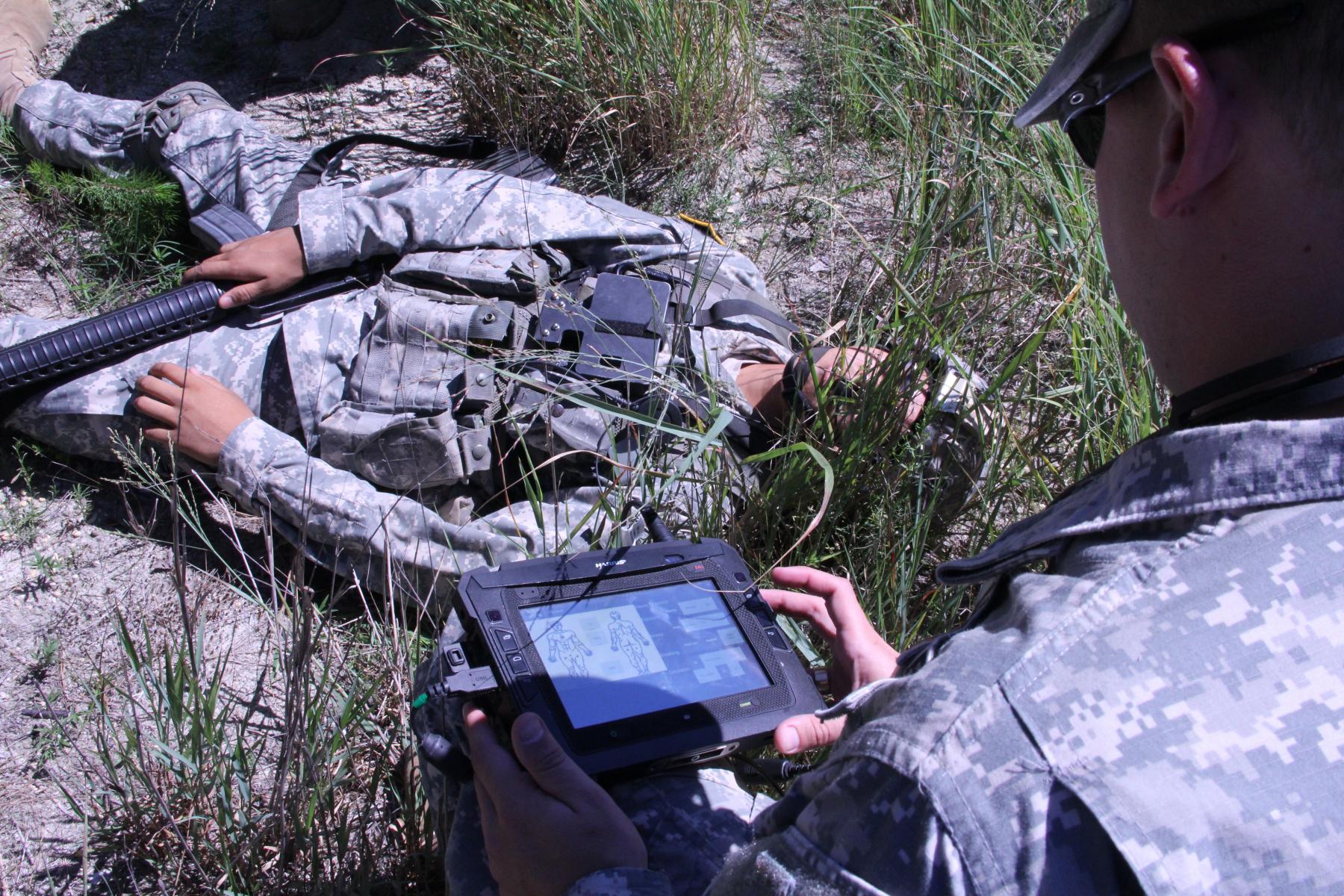

The United States Department of Defense (DoD) has a long history of using telemedicine to provide healthcare to its service members, both at home and abroad. In recent years, the DoD has made significant investments in telemedicine, with the goal of improving the quality, access, and affordability of healthcare for its members.
Telemedicine is the remote delivery of healthcare services, such as health assessments or consultations, over the telecommunications infrastructure. It allows healthcare providers to evaluate, diagnose and treat patients without the need for an in-person visit. By moving information rather than patients and physicians, telemedicine promises to enhance healthcare while dismantling the barriers of where and when medical services are provided.
Telemedicine can be classified into three main categories. Remote patient monitoring or telemonitoring, allows patients with chronic diseases to be monitored in their homes using mobile medical devices that collect data about blood sugar levels, blood pressure or other vital signs. The store-and-forward allows providers to share patient information, such as lab results, with a physician at another location and interactive telemedicine. Interactive telemedicine allows physicians and patients to communicate in real time.
Telemedicine is also of great utility to military especially to the soldiers who are fighting in remote locations where the proper health care facilities are lacking. DOD Telemedicine objectives are as follows: keep active duty forces on the Job; enhance and measure health of the force; reduce forward deployed medical footprint; modify military health system staffing model to reduce size and skill mix for support of military operations; and to increase efficiency of military health system.
This process has been instrumental in helping doctors and nurses spot diseases and conditions in active-duty soldiers that may otherwise have gone unnoticed for some time. Soldiers can communicate directly with healthcare providers thanks to video conferencing technology, which can be useful for performing diagnostic interviews and treatment follow-ups.
What’s more, it’s possible to send critical diagnostic data across the continents via the Web. Now, patients can share EKG results, photos of rashes or legions, and a wide array of initial diagnostic assessments with their care providers back home. And of course, in the event of acute trauma, additional doctors stateside can be called on to consult directly with patients to help better determine the course of action that should be taken.
The myriad ways telemedicine can help the military are growing, both in demand and capability. Therefore, military is pushing for greater telemedicine capability at its disposal, not just to aid active duty soldiers, but to make life easier for returning veterans as well.
For in-depth understanding on Telemedicine technology and applications please visit: Telemedicine: Advancements and Challenges in Remote Healthcare Delivery
Virtual Health Program (VHP)
The Military Health System (MHS) is currently in the process of consolidating its many telehealth and telemedicine programs onto one enterprise platform, called the Virtual Health Program (VHP). The VHP will be a cloud-based platform that will allow MHS providers to provide care to patients at any time, from any location.
The VHP is still in the early stages of development, but the MHS has already released a Request for Information (RFI) to solicit proposals from vendors who can help build the platform. The RFI outlines the MHS’s requirements for the VHP, including the ability to support a wide range of clinical services, the ability to integrate with existing MHS systems, and the ability to meet the security and privacy requirements of the DoD.
The MHS expects to award a contract for the VHP in early 2023. Once the VHP is up and running, it is expected to have a significant impact on the MHS by improving access to care, reducing costs, and improving the quality of care.
The VHP is a key part of the MHS’s efforts to modernize its healthcare delivery system. By consolidating its telehealth and telemedicine programs onto one platform, the MHS will be able to improve the efficiency, effectiveness, and affordability of its healthcare services.
Here are some of the benefits of the VHP:
- Improved access to care: The VHP will allow MHS providers to provide care to patients at any time, from any location. This will be especially beneficial for patients who live in remote areas or who have difficulty traveling to see a provider.
- Reduced costs: The VHP will help to reduce the cost of healthcare by reducing the need for travel, lodging, and other expenses associated with traditional healthcare delivery.
- Improved quality of care: The VHP will help to improve the quality of care by providing patients with access to specialists who may not be available at their local MTF. The VHP will also allow providers to collaborate with each other more easily, which can lead to better decision-making and improved outcomes for patients.
Virtual health is a valuable component of the MHS in and around Military Treatment Facilities (MTFs), referred to as garrison, as well as when the military deploys to theater arenas across the globe,” the agency said in its Request For Information (RFI). “Expanding the use of VH improves patient access to care; improves efficiencies by minimizing treatment delays and expediting referral processes, particularly for psychological health and field care; facilitates continuity of care with patient-centered medical homes; minimizes the number of specialists required to be staffed at individual facilities to support primary care providers, reducing reliance on expensive brick-and-mortar facilities; and directly engages tech-savvy young adults who comprise the majority of our beneficiaries.”
The VHP is a significant investment for the MHS, but it is one that is expected to pay off in the long run. By improving access to care, reducing costs, and improving the quality of care, the VHP will help to ensure that the MHS can provide the best possible healthcare to its patients.