
Modern power depends not only on weapons and information, but on the systems that keep forces moving, supplied, connected, and operational over time.
Autonomous platforms, energy systems, and infrastructure networks increasingly define operational tempo, geographic reach, and strategic resilience. This magazine analyzes the technologies and architectures that sustain operations across land, sea, air, space, and contested environments—where reliability, efficiency, and autonomy matter as much as raw performance.
IDST Intelligence Briefings
Focus: autonomy, propulsion, power systems, logistics tech, infrastructure resilience
Why This Magazine Exists
Logistics, energy, infrastructure, and autonomous support systems are often overlooked compared to frontline platforms, yet they determine whether military and industrial operations can be sustained at scale. This sub-magazine examines the technologies, architectures, and innovations that enhance operational endurance, resilience, mobility, and self-sufficiency in increasingly contested and resource-constrained environments.
What We Track
- Unmanned and autonomous platforms across domains
- Energy generation, storage, and propulsion systems
- Logistics automation and sustainment technologies
- Critical infrastructure resilience and protection
- Dual-use civilian–military systems
STRATEGIC SUB-MAGAZINES
Modern military power emerges from the interaction of platforms, people, doctrine, and integration across domains. The Defense & Military Systems magazine is structured into focused sub-magazines that examine how combat capability is built, sustained, and employed across air, land, sea, weapons, and human systems.
Unmanned & Autonomous Systems
Focuses on the platforms, technologies, and doctrines that define control of the air and near-space domains. This sub-magazine examines combat aviation, unmanned air systems, aerospace surveillance, and emerging flight technologies shaping future air superiority.
Explore the Unmanned & Autonomous Systems Sub-Magazine →
Thermal, Propulsion & Energy Systems
Examines how modern armies fight, maneuver, and survive in increasingly contested land environments. This sub-magazine focuses on armored platforms, artillery, battlefield networking, and the transformation of ground combat through automation and data.
Explore the Thermal, Propulsion & Energy Systems Sub-Magazine →
Latest Analysis & Intelligence
-
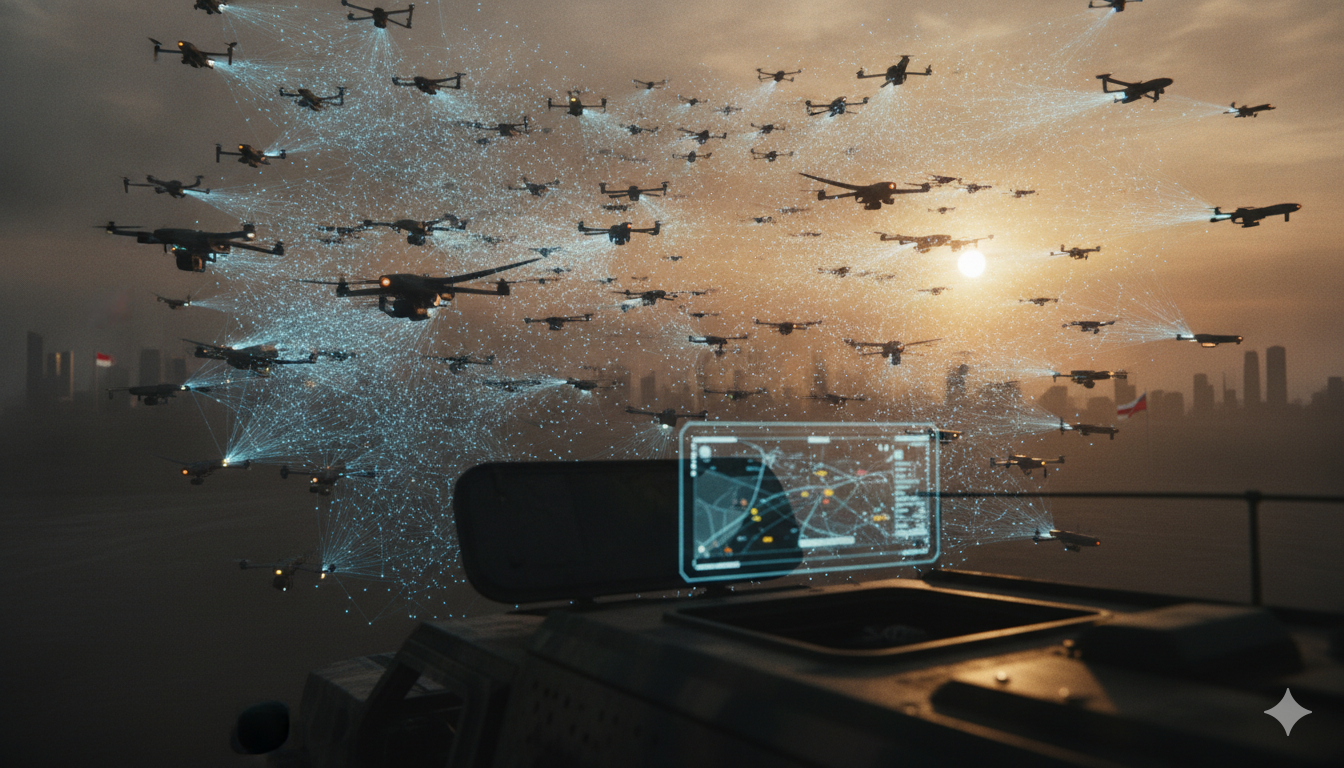
Drone Swarm Intelligence and Control: The AI Revolution Reshaping Autonomous Warfare and Multi-Agent Systems (2024–2026)
Introduction: From Individual Drones to Collective Intelligence The most important transformation in unmanned systems is no longer occurring at the platform level but at the level of collective intelligence. While advances in propulsion, sensors, communications, and miniaturization continue to improve individual drones, the decisive breakthrough of 2024–2026 has been the emergence of increasingly autonomous drone…
-

Navigating the Skies: How AI-Powered Drone Swarms Are Transforming Warfare, Security and Industry
Introduction: The Emergence of Mass Autonomy in Modern Warfare The character of warfare is undergoing one of its most profound transformations since the introduction of precision-guided weapons. While unmanned aerial vehicles have become a familiar feature of modern military operations, the next revolution is being driven not by individual drones but by intelligent swarms capable…
-

Revolutionizing Underwater Warfare and Maritime Transportation: The MHD Drive Renaissance and DARPA’s PUMP Program
Introduction: The Return of a Long-Abandoned Propulsion Revolution The global maritime domain is entering a period of profound technological transformation. Growing geopolitical competition in the Indo-Pacific, the expansion of autonomous naval systems, increasing emphasis on undersea warfare, and the search for low-signature propulsion technologies are driving renewed interest in concepts once considered impractical. Among the…
-

Innovation Beneath the Waves: Biomimetic Propulsion Systems Transforming Naval and Underwater Operations
Introduction: Nature’s Blueprint for the Future Undersea Fleet The world’s oceans are rapidly becoming a critical arena for economic competition, scientific exploration, and military operations. From protecting undersea communication cables and offshore energy infrastructure to conducting intelligence, surveillance, reconnaissance, and anti-submarine warfare missions, nations increasingly depend on autonomous underwater vehicles (AUVs), unmanned underwater vehicles (UUVs),…
-
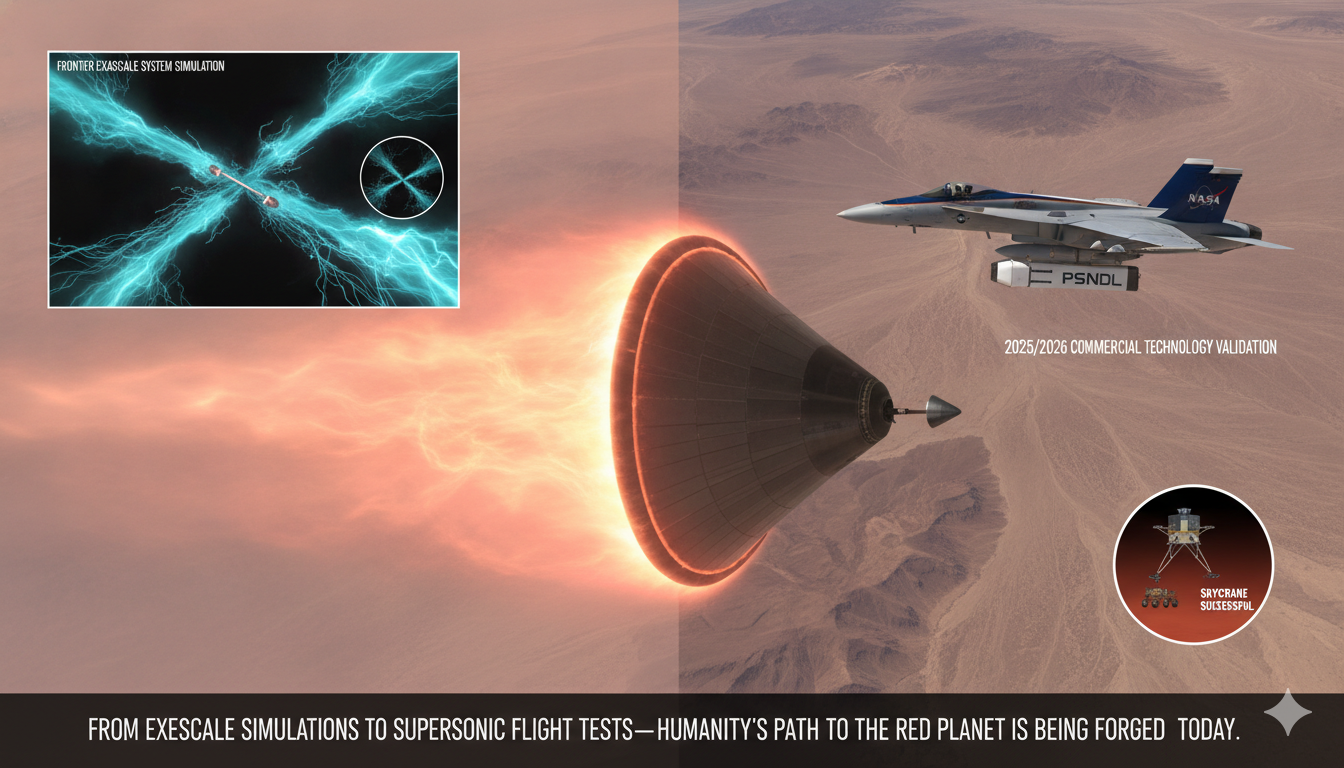
Entry, Descent, and Landing (EDL) Technologies: Enabling the Next Era of Mars Exploration and Planetary Operations
Introduction: Why EDL Matters Now Humanity is entering a new era of planetary exploration characterized by renewed competition among major space powers, expanding commercial activity beyond Earth orbit, and growing ambitions for sustained human presence on the Moon and Mars. Governments, private companies, and defense organizations increasingly view space as a strategic domain whose future…
-
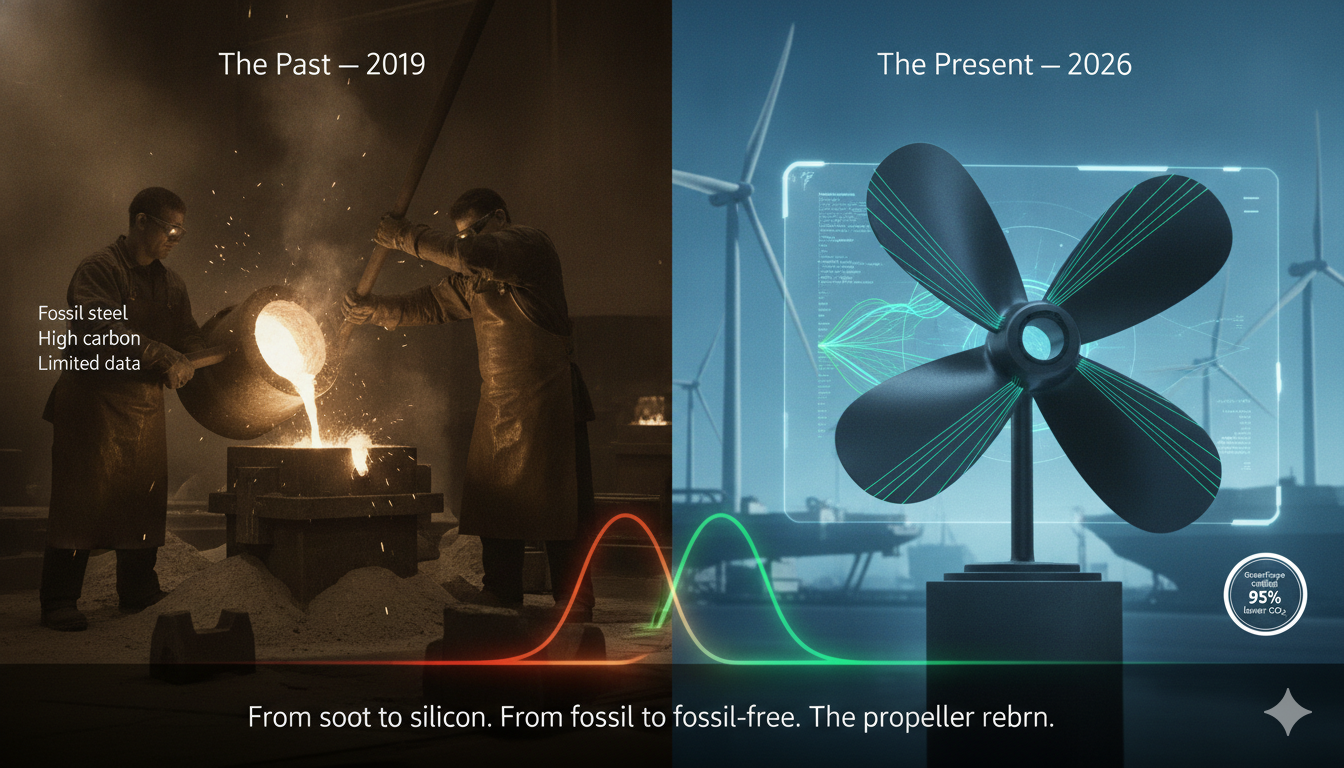
Marine Propeller Technology in 2026: Intelligent Propulsion Powering the Next Generation of Naval and Commercial Fleets
Introduction The marine propeller has long been regarded as one of the most mature technologies in naval architecture, yet the period between 2024 and 2026 has demonstrated that it remains one of the most strategically important and rapidly evolving components of maritime power. Whether propelling an aircraft carrier across the Pacific, a nuclear-powered submarine through…
-
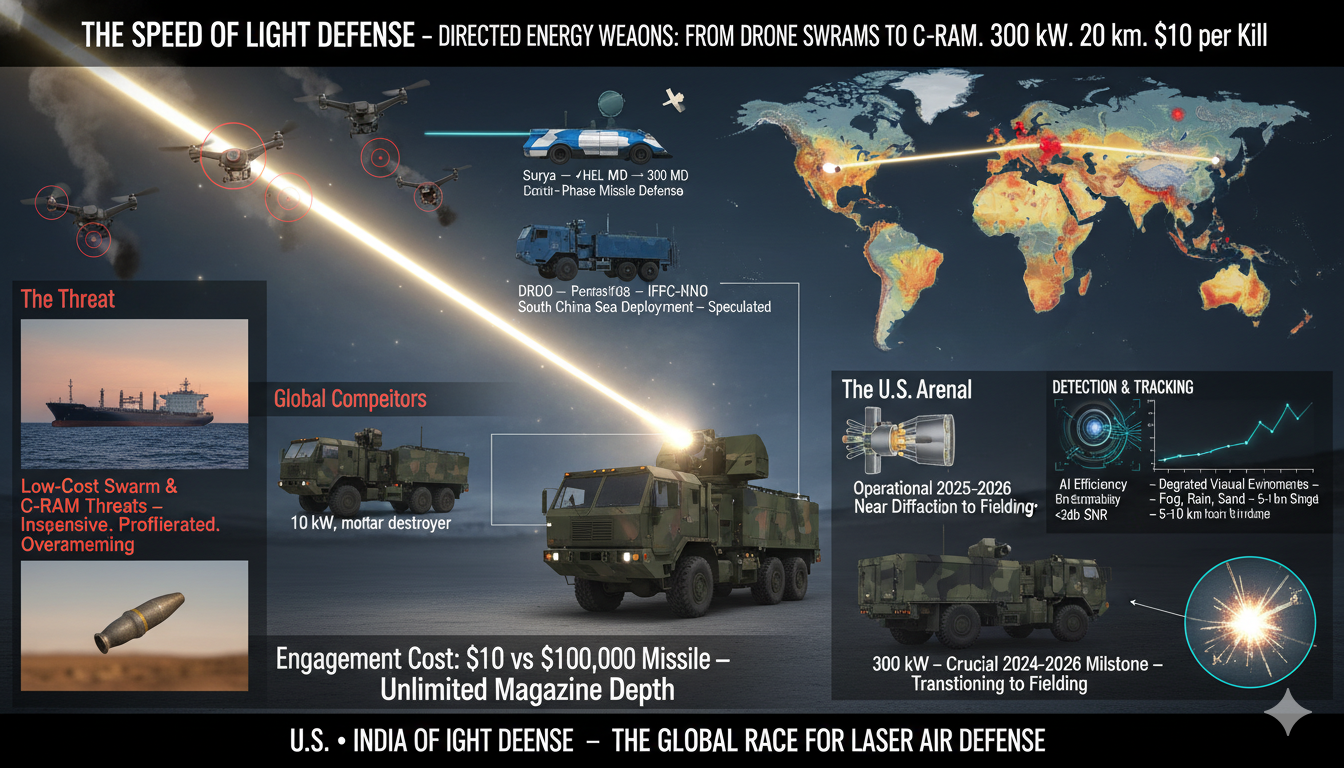
Silent Killers: How Directed Energy Weapons Are Revolutionizing Air Defense Against Drone Swarms and C-RAM
Introduction: The Economics of Air Defense Have Collapsed Modern warfare has exposed a brutal asymmetry in air defense economics. Across Ukraine, the Red Sea, Gaza, Syria, and the Indo-Pacific, militaries are increasingly confronted by mass drone attacks, loitering munitions, low-cost cruise missiles, and rocket artillery that can overwhelm even advanced integrated air-defense systems. A $1,000…
Related Domains & Cross-Cutting Themes
Industrial capacity and supply chains
Cyber-physical security
Climate, geography, and environmental stress
Human-machine coordination
System survivability under disruption
Explore the Critical & Emerging Technologies Magazine →
Explore the Industry, Markets & Supply Chains Magazine →
Explore the Space Technology, Defense & Exploration Magazine →