
Modern power depends not only on weapons and information, but on the systems that keep forces moving, supplied, connected, and operational over time.
Autonomous platforms, energy systems, and infrastructure networks increasingly define operational tempo, geographic reach, and strategic resilience. This magazine analyzes the technologies and architectures that sustain operations across land, sea, air, space, and contested environments—where reliability, efficiency, and autonomy matter as much as raw performance.
IDST Intelligence Briefings
Focus: autonomy, propulsion, power systems, logistics tech, infrastructure resilience
Why This Magazine Exists
Logistics, energy, infrastructure, and autonomous support systems are often overlooked compared to frontline platforms, yet they determine whether military and industrial operations can be sustained at scale. This sub-magazine examines the technologies, architectures, and innovations that enhance operational endurance, resilience, mobility, and self-sufficiency in increasingly contested and resource-constrained environments.
What We Track
- Unmanned and autonomous platforms across domains
- Energy generation, storage, and propulsion systems
- Logistics automation and sustainment technologies
- Critical infrastructure resilience and protection
- Dual-use civilian–military systems
STRATEGIC SUB-MAGAZINES
Modern military power emerges from the interaction of platforms, people, doctrine, and integration across domains. The Defense & Military Systems magazine is structured into focused sub-magazines that examine how combat capability is built, sustained, and employed across air, land, sea, weapons, and human systems.
Unmanned & Autonomous Systems
Focuses on the platforms, technologies, and doctrines that define control of the air and near-space domains. This sub-magazine examines combat aviation, unmanned air systems, aerospace surveillance, and emerging flight technologies shaping future air superiority.
Explore the Unmanned & Autonomous Systems Sub-Magazine →
Thermal, Propulsion & Energy Systems
Examines how modern armies fight, maneuver, and survive in increasingly contested land environments. This sub-magazine focuses on armored platforms, artillery, battlefield networking, and the transformation of ground combat through automation and data.
Explore the Thermal, Propulsion & Energy Systems Sub-Magazine →
Latest Analysis & Intelligence
-
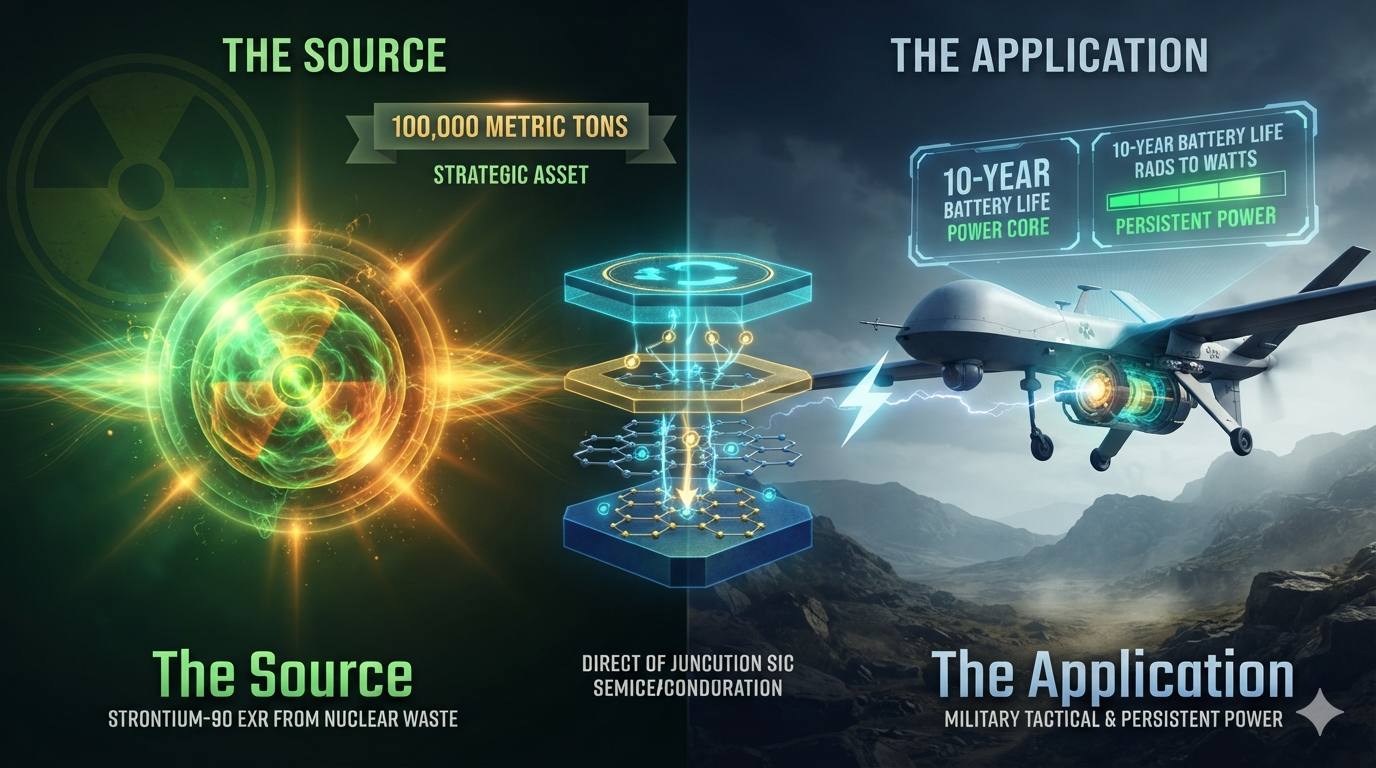
Rads to Watts: DARPA’s Nuclear Battery Revolution and the Future of Persistent Power
Strategic Context: The Emerging Battle for Persistent Power Energy has quietly become one of the defining constraints of twenty-first century military operations. Modern battlefields increasingly depend upon autonomous drones, unattended ground sensors, artificial intelligence processors, electronic warfare systems, underwater surveillance networks, hypersonic defense architectures and proliferating satellite constellations that all require continuous electrical power. Yet…
-
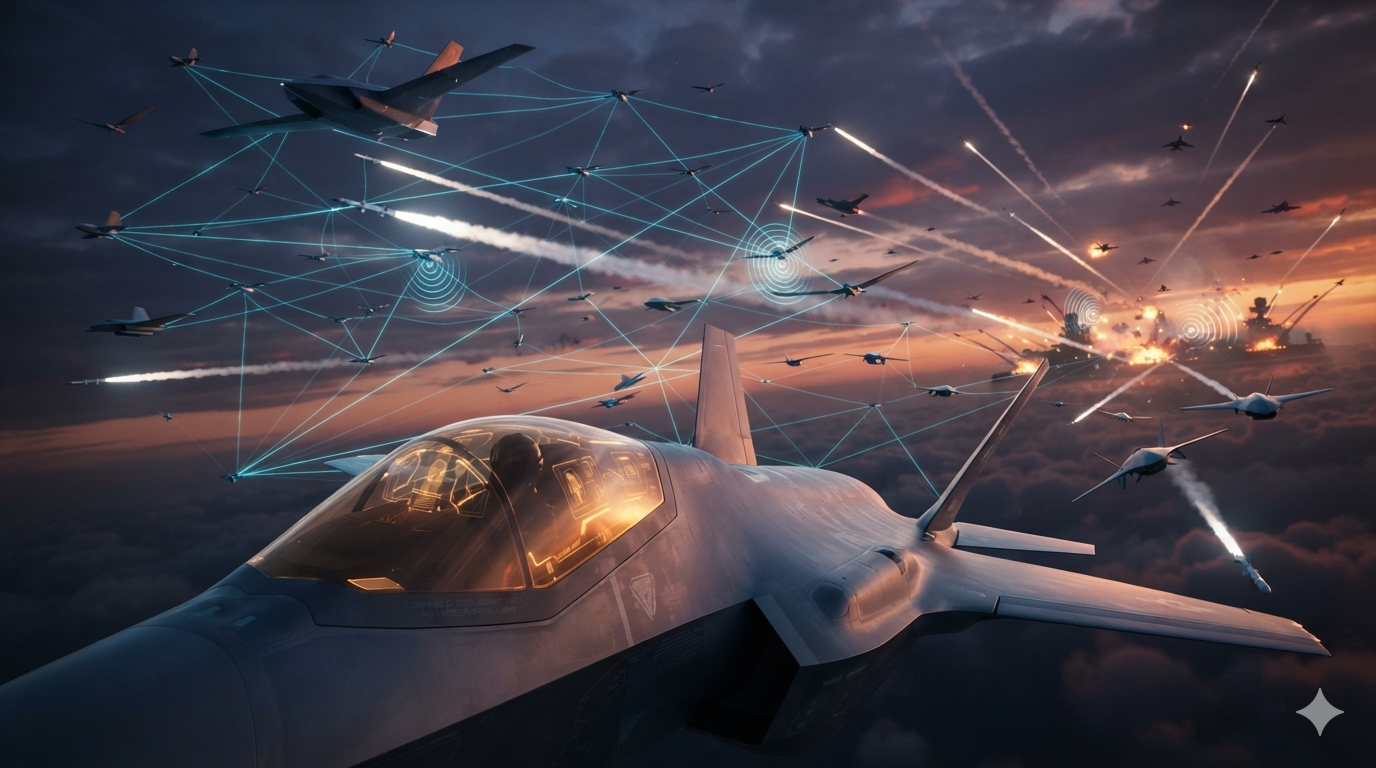
The Age of Autonomous Aircraft Swarms: How Collaborative Air Combat Is Reshaping Future Air Warfare
Strategic Context Air warfare is entering its most significant transformation since the introduction of stealth aircraft. The traditional model—where a handful of highly sophisticated fighters dominate the battlespace—is rapidly giving way to a distributed ecosystem of autonomous aircraft, collaborative drones, intelligent munitions, and AI-enabled command networks. Rather than relying solely on the capabilities of a…
-
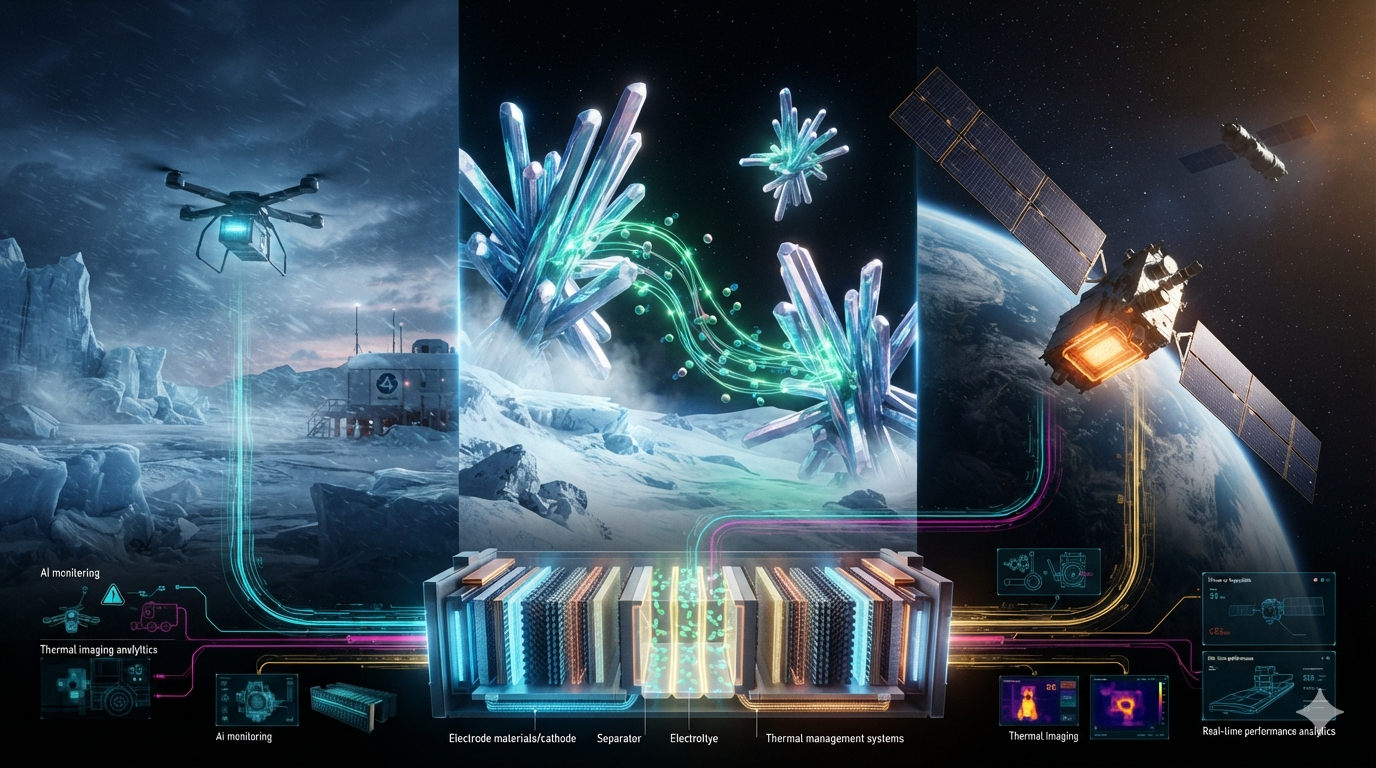
Powering the Frozen Battlespace: Extreme Battery Technologies for Arctic, Space, and Military Operations
Strategic Context The race for military and technological superiority is increasingly extending into some of the world’s most unforgiving environments. From the Arctic and Antarctic to high-altitude battlefields, deep oceans, and outer space, modern defense operations increasingly depend on reliable energy storage capable of functioning where conventional batteries rapidly fail. As geopolitical competition intensifies across…
-

Machine Vision at the Frontline: How Computer Vision Is Reshaping Military Intelligence, Autonomous Warfare, and the Global AI Competition
Introduction: Strategic Context The twenty-first century battlefield is increasingly defined not by who possesses the most sensors, but by who can understand what those sensors see first. Every military operation today—from satellite reconnaissance and drone swarms to missile defense, border security, and autonomous combat systems—generates enormous volumes of visual information that far exceed human analytical…
-
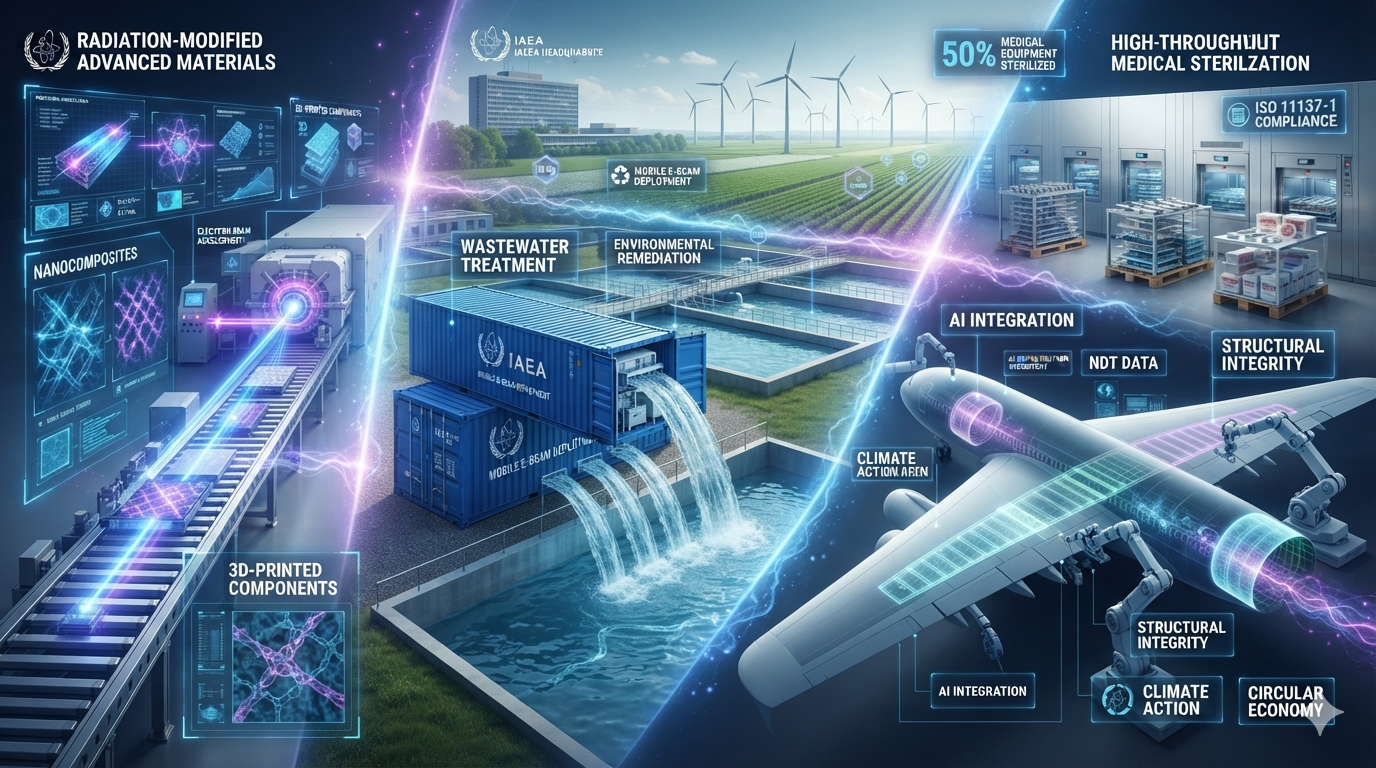
Radiation Technologies: Powering Strategic Innovation Across Healthcare, Defense, Energy, and Industry
Introduction: Strategic Context Radiation science has evolved far beyond its traditional association with nuclear energy and medical imaging. Today, radiation technologies form a foundational pillar of national security, advanced manufacturing, healthcare, clean energy, agriculture, environmental protection, and space exploration. From enabling cancer therapies and sterilizing medical equipment to inspecting critical infrastructure, hardening military electronics, supporting…
-
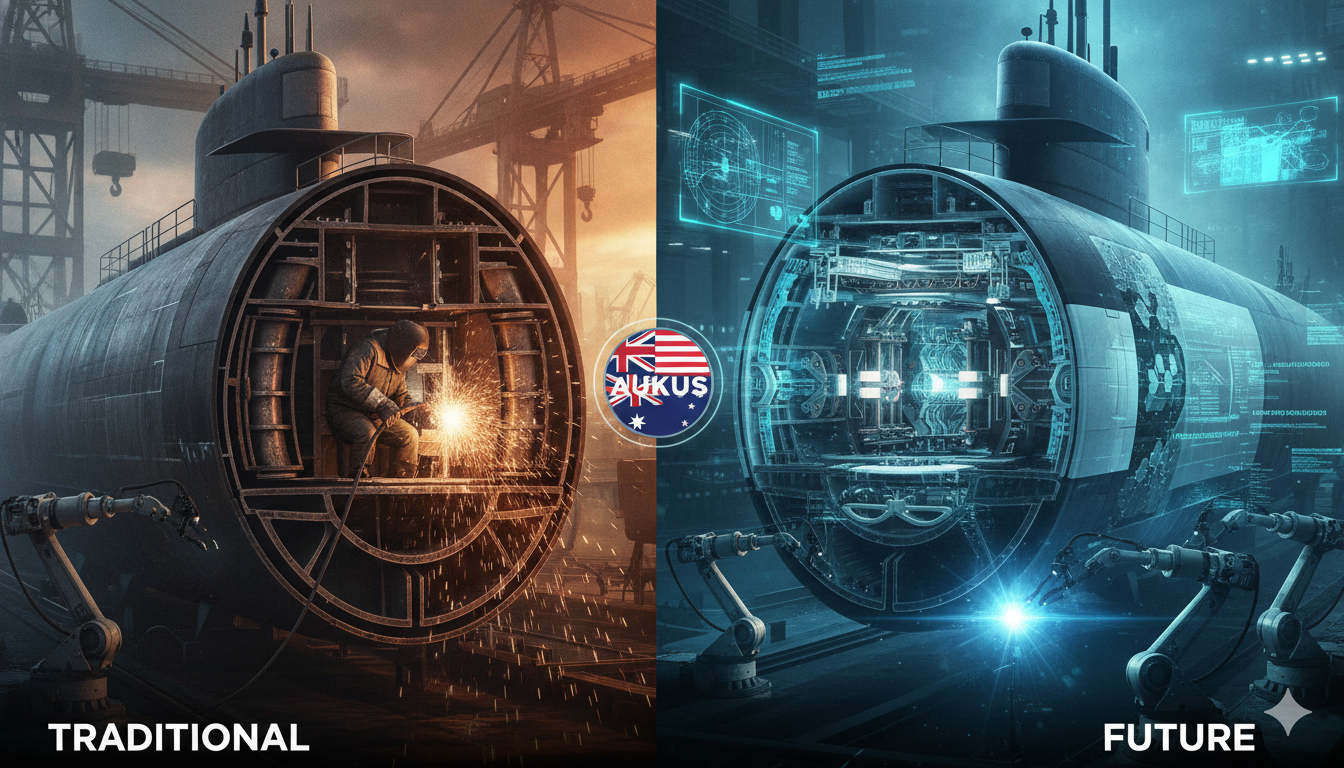
Advanced Materials and Technologies Transforming Submarine Hulls for Enhanced Warfighting Capabilities
Introduction: Materials Innovation Becomes a Strategic Undersea Competition The global undersea battlespace is entering one of its most significant periods of transformation since the Cold War. Intensifying geopolitical competition across the Indo-Pacific, Arctic, North Atlantic, and other contested maritime regions has elevated submarines from traditional naval assets to strategic instruments for deterrence, intelligence collection, long-range…
-
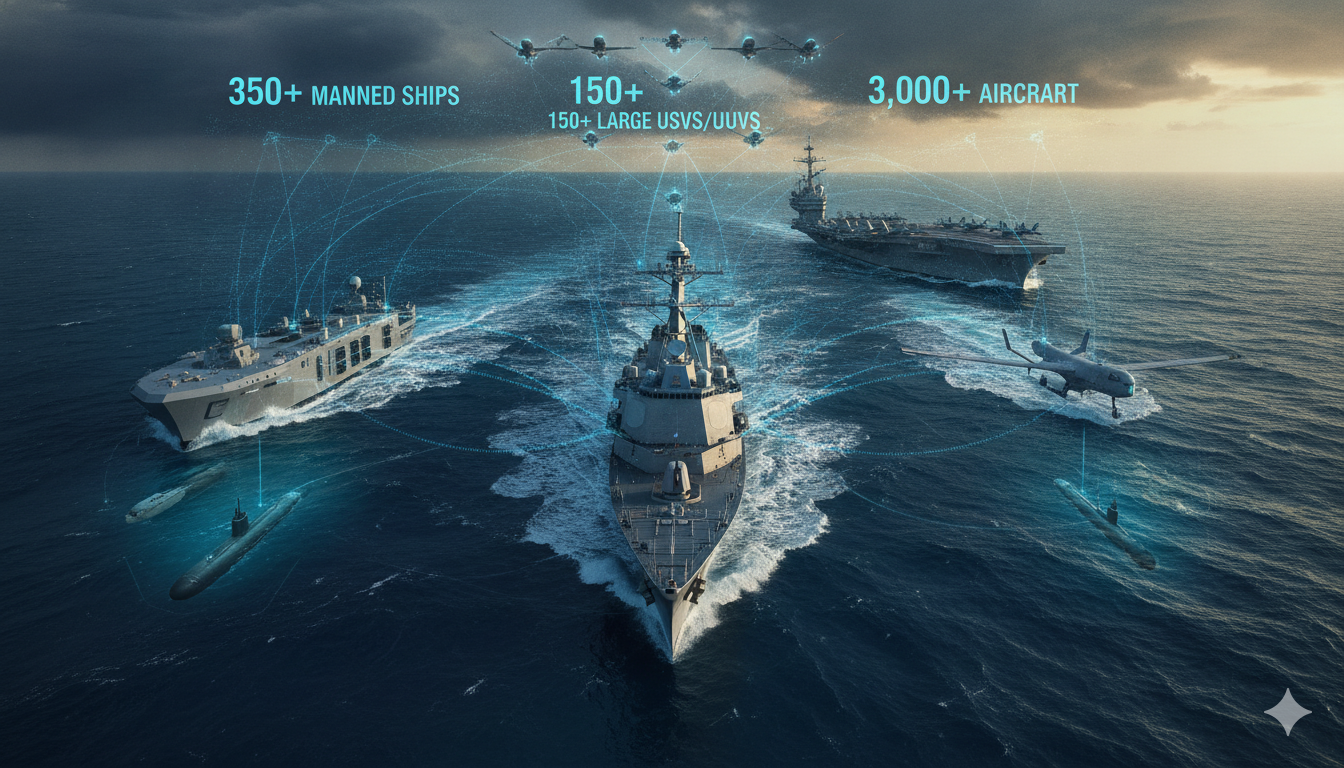
US Navy’s Distributed Maritime Operations: The Rise of the Hybrid Fleet and Unmanned Warfare
Introduction The character of maritime warfare is undergoing its most profound transformation since the advent of carrier aviation and nuclear-powered submarines. Advances in artificial intelligence, autonomous systems, long-range precision weapons, cyber warfare, space-based surveillance, and resilient communications are reshaping how naval forces achieve sea control, project power, and deter adversaries. Instead of relying primarily on…
Related Domains & Cross-Cutting Themes
Industrial capacity and supply chains
Cyber-physical security
Climate, geography, and environmental stress
Human-machine coordination
System survivability under disruption
Explore the Critical & Emerging Technologies Magazine →
Explore the Industry, Markets & Supply Chains Magazine →
Explore the Space Technology, Defense & Exploration Magazine →