
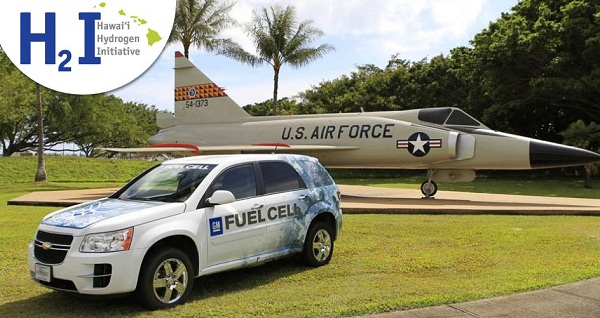

A fuel cell is a device that generates electricity by a chemical reaction. It converts hydrogen and oxygen into water, and in the process also creates electricity. Fuel cells provide many advantages, they are environment friendly as they don’t produce pollutants or greenhouse gasses, significantly improving our environment, high energy efficiency ( can be close to 80% where they generate both heat and electricity), scalable providing power from milliwatts to megawatts, and complementary i.e. readily be combined with other energy technologies, such as batteries, wind turbines, solar panels, and super-capacitors. There are many types of fuel cells, and each can operate in a clean manner using different fuels including hydrogen, natural gas, methanol, ethanol, biogas. In just the last two years, Toyota, Hyundai and Honda have released vehicles that run on fuel cells, and carmakers such as GM, BMW and VW are working on prototypes.
Fuel cells can also extend the operating range and mission of military systems by reducing the dependence on carbon-based fuel sources. They also save energy and reduce the operating costs associated with dependence on foreign oil. “As the U.S. moves to reduce its dependence on foreign oil and become more energy efficient, this technology may well define the future of power and energy for the war fighter,” writes ONR. According to US Military, the reductions in the Department’s need for energy can improve warfighting capabilities, such as increased range, better endurance, longer time on station, and reduced requirements for resupply. Improved energy performance also can reduce the risk and effects of attacks on supply lines and enable tactical and operational superiority.
While boosting the military energy readiness by actively promoting low-and no-carbon energy alternatives, the Defense Department is also working to reduce its use of fossil fuels and the resulting greenhouse gases being produced. Another driver behind the American military’s move to clean sources of energy is climate change – a threat that military leaders continue to warn policy makers is very real and will impact the military, whether it’s responding to natural disasters or responding to conflicts caused by scarce resources.
Hydrogen – the most common element in the universe – can be generated from several sources, and refueling a fuel-cell vehicle takes no longer than a gas vehicle, as opposed to the hours it takes to charge a battery-powered one. Hydrogen-powered military vehicles also could be used to generate power, and produce 2 gallons of water per hour.
“Fuel cells offer a highly efficient and fuel flexible technology that cleanly produces power and heat with low or zero emissions. Using renewably produced fuels such as hydrogen fuel cells can reduce our nation’s dependence on imported oil, leading to a secure energy future for America. With a multitude of end-uses—such as distributed power for backup, primary, and combined heat-and-power systems; automobiles, buses, forklifts and other specialty vehicles; and auxiliary power units and portable electronics—fuel cell applications hold potential to dramatically impact the 21st century clean energy economy,” writes the U.S. Department of Energy (DOE).
Consumer fuel cell vehicles from Toyota, Honda and Hyundai are for sale and on the road in California, which is home to about half of the 6,500 fuel cell vehicles sold between 2013 and 2017, supported by about three dozen refueling stations. General Motors has announced a deal to develop a fuel cell manufacturing plant with Honda, and has started testing the ZH2 with the Army, a highly modified Chevrolet Colorado pickup that runs on hydrogen.