

From Ebola outbreak in West Africa to the most recently, the rapid spread of Zika has shown that even with all advances in modern medicine we are still not completely safe from pandemics. These epidemic of infectious diseases can spread quickly through human populations across a large region several continents, or even worldwide. Since the first reported case in December 2013 in Guinea, the Ebola outbreak quickly spread to bordering Liberia and Sierra Leone ravaging West Africa. In addition to these naturally occurring threats, terrorists and other potential adversaries have a growing palette of biological tools to engineer new biological threats.
Bill and Melinda Gates have also warned in their report “Goalkeepers” report , disease – both infectious and chronic – is the biggest public health threat the world faces in the next decade. “you can be pretty hopeful there’ll be big progress” on chronic disease, we are still unprepared to deal with the infectious variety.
The major threats are today’s major pandemics of AIDS, TB, and Malaria; future outbreaks with the potential to become pandemics; and rising risk from infectious diseases associated with climate change. Meanwhile, climate change and mass migration are compounding the complexity of the task. Without additional action, climate change is poised to put nearly a billion people newly at risk of mosquito-borne viruses. Drug-resistant infections are on the rise.
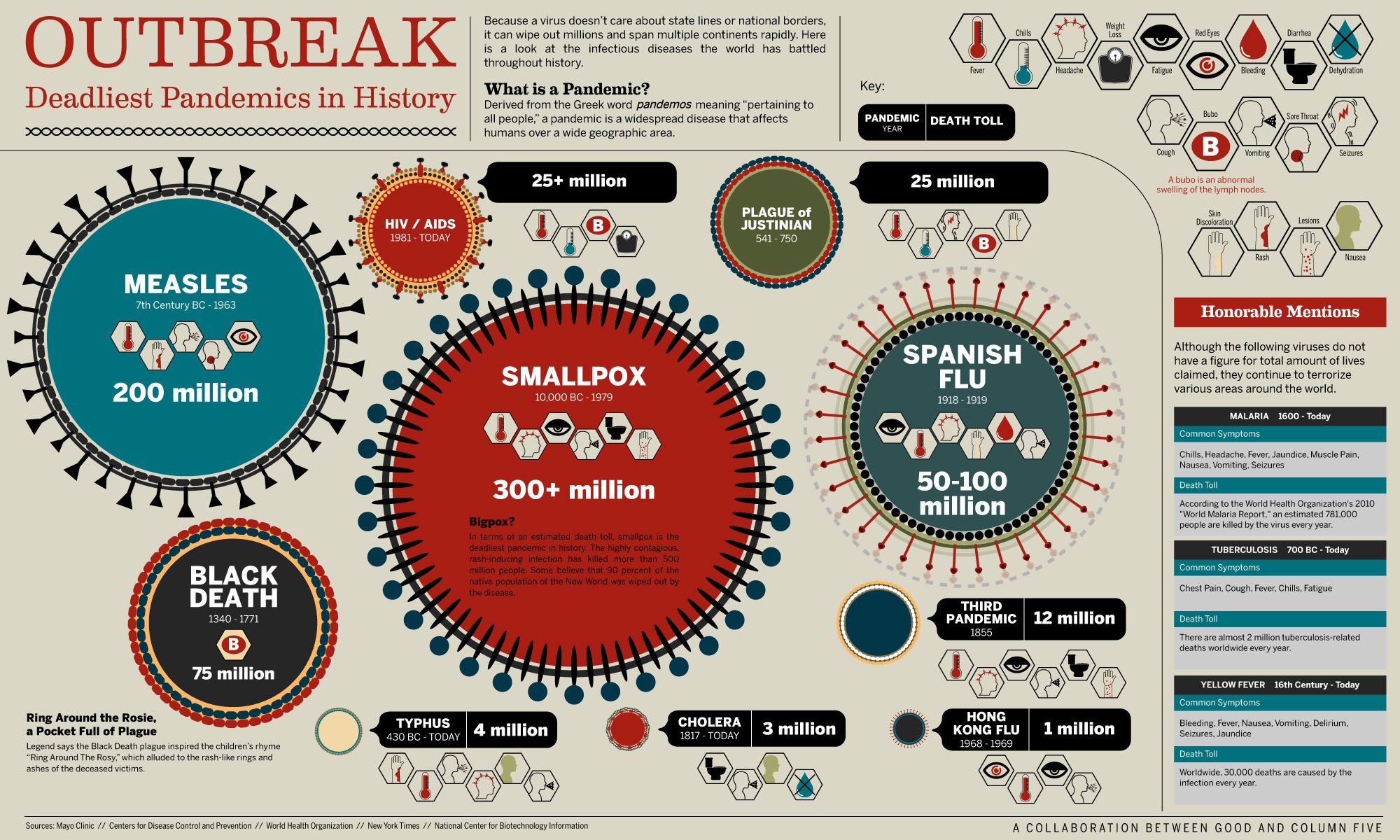
Pandemics put millions of lives are at risk and their economic consequences can run into billions. The 1918 pandemic killed approximately 50 million people around the globe, making it one of the deadliest events in human history. Last Ebola outbreak cost more than 11,000 human lives and more than $32 billion in economic ripple effects while Zika has cost the economies of Latin America and the Caribbean an estimated $18 billion.
The increase in frequency and diversity of reported disease outbreaks—such as dengue and Zika—probably will continue through 2018, including the potential for a severe global health emergency that could lead to major economic and societal disruptions, strain governmental and international resources, and increase calls on the United States for support, said annual world threat report by intelligence agencies. A novel strain of a virulent microbe that is easily transmissible between humans continues to be a major threat, with pathogens such as H5N1 and H7N9 influenza and Middle East Respiratory Syndrome Coronavirus having pandemic potential if they were to acquire efficient human-to-human transmissibility.
Pandemics also affect militaries. Warfighters must also operate in regions where diseases like chikungunya and dengue are endemic, and even seemingly mild challenges like seasonal influenza affect force readiness. The threat of infectious agents on U.S. and global national security can be mitigated if the Department of Defense (DoD) has the capability to rapidly deploy and impart near immediate immunity to military personnel and civilian populations for known and newly emerging pathogens.
Eliminating pandemic outbreaks and mitigating the impact of a potential high threat biological agent release are national security priorities. As the bipartisan Blue Ribbon Study Panel on Biodefense highlighted, U.S. levels of readiness and global coordination are woefully inadequate.
The U.S. military supports U.S. Government responses to public health emergencies such as Ebola, which can cause regional destabilization and spread through global travel, says DARPA. DARPA has issued a new broad agency announcement (“BAA”) seeking proposals to support the creation of an integrated “capability platform” for the delivery of medical countermeasures to prevent a pandemic threat within sixty days of targeting a known or newly emerging pathogen.