

In Feb 2018, a horrific school shooting in Parkland, Florida, that killed 17 people . Nikolas Cruz, 19, told police he was responsible for the shooting and added that he hid extra ammunition in his backpack and shot students in the hallways and on school grounds, Broward County Sheriff Scott Israel said.
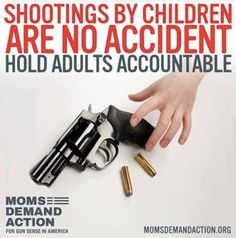
For every U.S. soldier killed in Afghanistan during 11 years of war, at least 13 children were shot and killed in America. A News21 investigation of child and youth deaths in America between 2002 and 2012 found that at least 28,000 children and teens 19-years-old and younger were killed with guns. More than 450 kids didn’t make it to kindergarten. Another 2,700 or more were killed by a firearm before they could sit behind the wheel of a car. Every day, on average, seven children were shot dead.
One of the technology that has been touted is smart gun technology. Smart guns use technology to identify their owners and prevent their use by anybody else. The technology has been around for years — most smart gun prototypes use either biometrics or radio waves. While smart would not stop mass shootings by killers like the one in Florida who buy their guns legally. But preventing people from shooting guns that they don’t own would reduce all sorts of violence, from suicides to accidental shootings by children to gun crimes that rely on stolen weapons.
Smart guns are designed to prevent children from accidentally discharging weapons and endangering themselves and others. The technology would also render stolen guns useless and, given that hundreds of thousands of guns are stolen every year, could eliminate a major public safety threat.
More than 1,100 children and teens were killed by a gun that accidentally discharged according to Kate Murphy and Jordan Rubio of Gun Wars . “Smart” or “personalized” guns, relies on biometric, magnetic, or radio frequency identification to ensure that a gun can only be fired by its owner.