

NATO ministers have designated cyber as an official operational domain of warfare, along with air, sea, and land. Cyber warfare has developed into a more sophisticated type of combat between countries, where you can destroy communications infrastructure, said Marc Rogers, Head of Security for DefCon, adding that ordinary people become pawns in these games. Many governments are building a cyberwarfare capability: among the most advanced countries are the US, Russia, China, Iran and South Korea. US and other coutries including U.K., China, Russia, Israel and others are setting up Unified cyber commands for more effective and coordinated efforts for conducting cyberspace operations, both offensive and defensive. The offensive operations are seen as deterrent to adversaries.
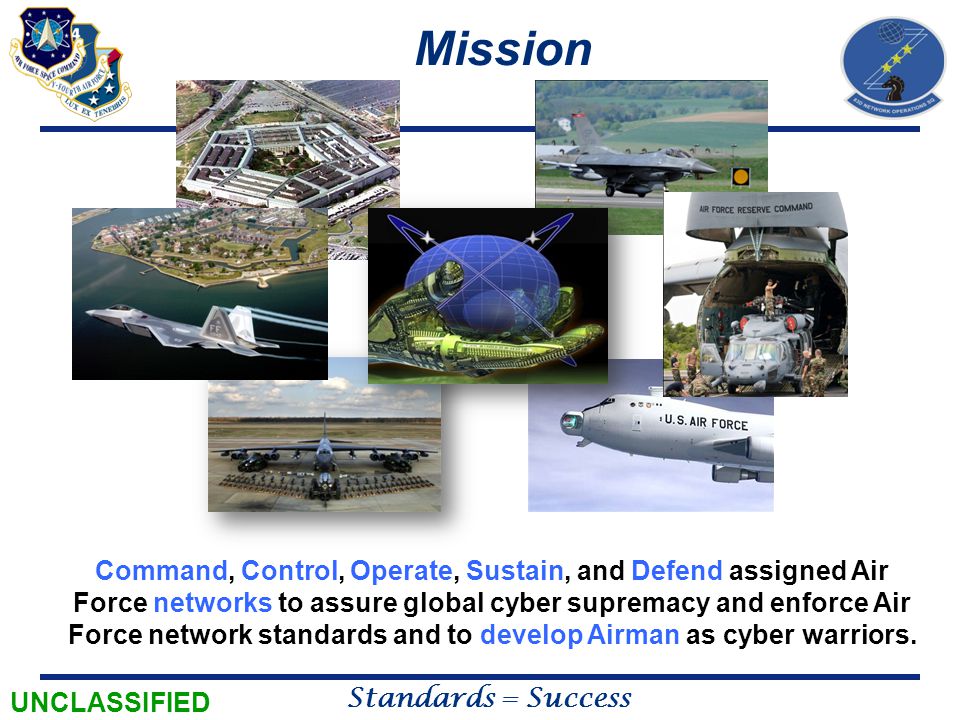
U.S. Cyber Command is composed of several service components, units from military services who will provide Joint services to Cyber Command. The USCYBERCOM conducts and synchronizes activities to: secure, operate, and defend the DODIN; attain freedom of action in cyberspace while denying same to adversaries; and, when directed, conduct full spectrum cyberspace operations in order to deter or defeat strategic threats to U.S. interests and infrastructure, ensure DoD mission assurance, and achieve Joint Force Commander objectives.
The cyber domain command and control is also susceptible to cyber attacks and cyber warfare campaigns. “The No. 1 priority is resilient, survivable, reliable command and control,” said Gen. Robert Neller, commandant of the Marine CorpsNeller. “We’ve got to be able to protect our networks and deny our adversary theirs. If we can’t do that, we’re in another space and I think that’s going to be a challenge because of the capability sets our peer adversaries are developing.” Neller said he was particularly worried the Marine Corps would not be able to best take advantage of the F-35 and its multitude of sensors because of command-and-control systems.