
Weapons and munitions translate military intent into physical effect. In modern warfare, precision, range, volume, and sustainment matter as much as raw destructive power. Conflicts increasingly reveal that stockpiles, production rates, and targeting networks are decisive factors.
This sub-magazine examines how strike systems shape deterrence, escalation, and battlefield outcomes.
IDST Intelligence Briefings
Our briefings analyze missile systems, guided munitions, and strike architectures—explaining how weapons integrate with sensors, targeting loops, and command authorities.
Why This Magazine Exists
Weapons are often assessed in isolation, yet their effectiveness depends on availability, targeting quality, and integration into operational plans.
This sub-magazine exists to explain how strike capability is generated, sustained, and constrained in real conflicts.
What We Track
- Missiles, rockets, and precision-guided munitions
- Hypersonic weapons and countermeasures
- Air-, land-, and sea-based strike integration
- Production capacity and stockpile resilience
- Targeting, ISR, and kill-chain dynamics
- Escalation control and deterrence signaling
Latest Analysis & Intelligence
-

Beyond Mach 5: DARPA’s Next-Generation Hypersonic Cruise Missile (NGHCM) and the Race for Affordable Strike
Strategic Context: From Speed Competition to Scalable Combat Power The next contest in long-range strike is no longer simply about which country can build the fastest missile. It is about which can field a survivable, operationally effective and affordable weapon system in sufficient numbers to challenge advanced air defenses and sustain combat operations over time.…
-
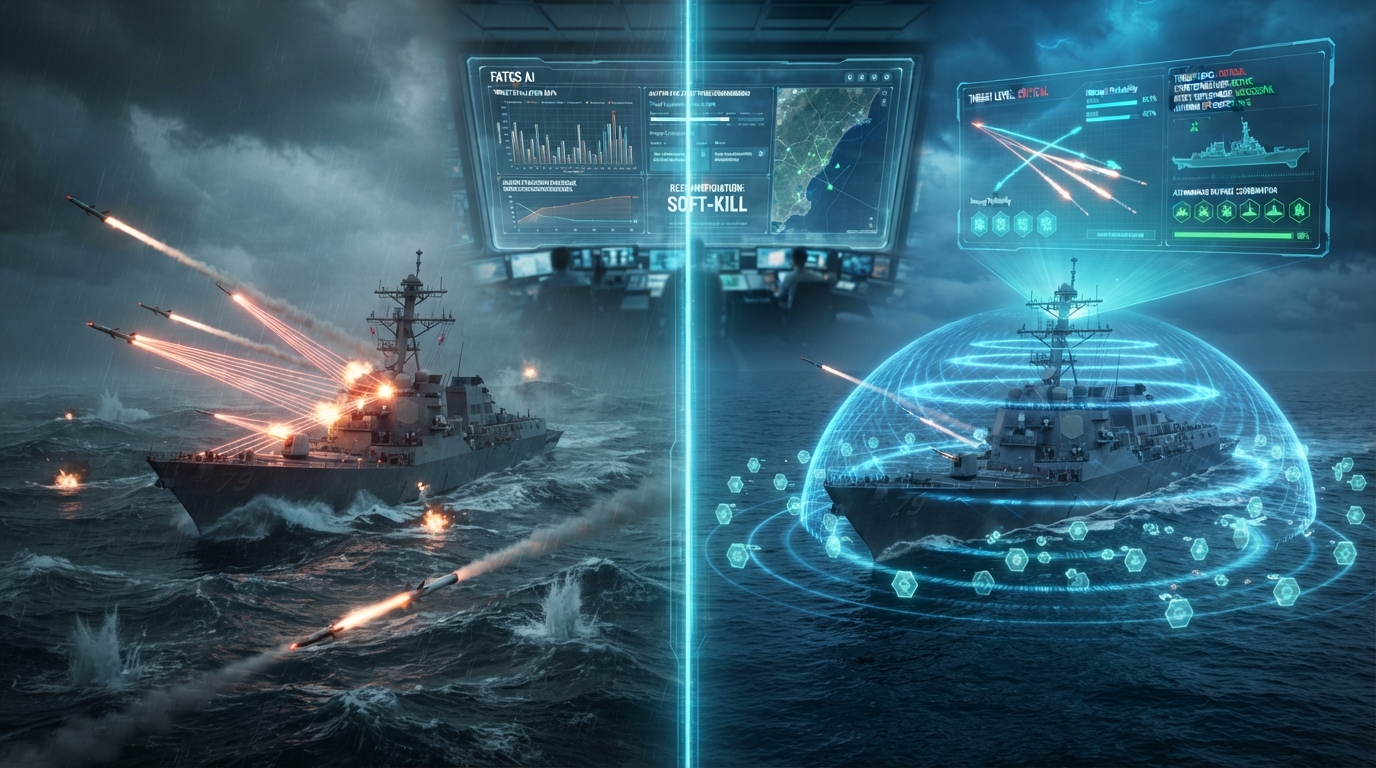
AI-Enabled Soft-Kill Warfare: How Intelligent Electronic Countermeasures Are Reshaping Warship Survivability
Introduction: The Missile–Countermeasure Race Enters the AI Era The next generation of naval warfare may be decided before a missile ever reaches the terminal engagement zone. As anti-ship missiles become faster, more maneuverable, networked and increasingly resistant to traditional deception, warships are being forced to evolve from passive defensive platforms into intelligent systems capable of…
-

Energetic Materials and Strategic Competition: Powering Hypersonic Systems, Advanced Munitions, and Industrial Resilience
Introduction: The Strategic Foundations of Military Power The next generation of military capability will depend not only on advances in artificial intelligence, autonomous platforms, sensors, and precision guidance, but also on the materials and chemical systems that generate the energy behind modern weapons. Explosives, propellants, pyrotechnics, and specialized energetic components remain fundamental to missiles, rockets,…
-

Safeguarding Against Nuclear Threats: New Frontiers in Modeling, AI and Global Security
Introduction: Nuclear Risk Enters a New Technological Era The most dangerous feature of the contemporary nuclear environment is not simply the number of nuclear weapons in existence. It is the convergence of nuclear modernization, geopolitical confrontation, compressed decision timelines, artificial intelligence, cyber capabilities, advanced sensing, autonomous systems and weakening arms-control mechanisms. The strategic environment has…
-
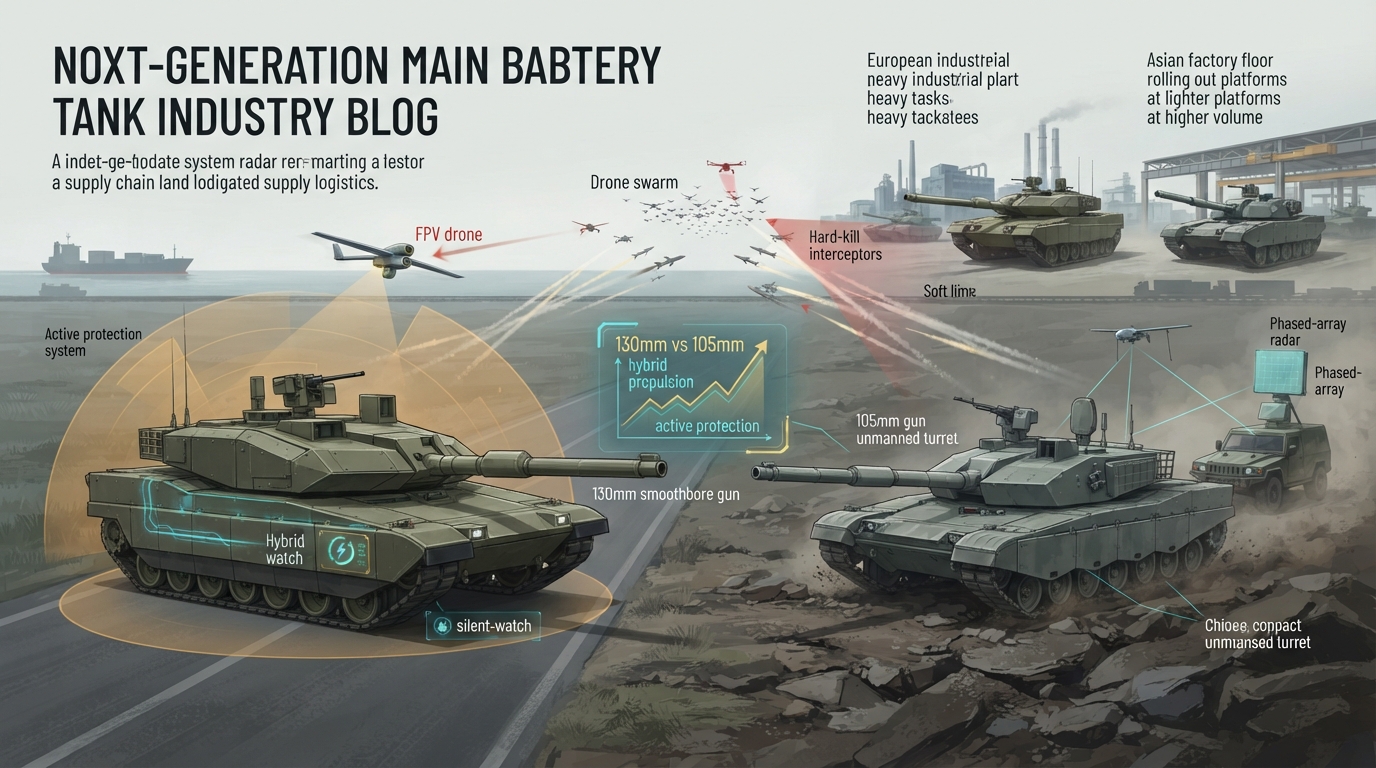
The Global Main Battle Tank Industry: Reinvention, Drone Warfare, and the Race for Next-Generation Armoured Dominance
Introduction: Strategic Context — The Tank at a Turning Point The main battle tank (MBT) is undergoing its most consequential reassessment since the introduction of composite armour, thermal imaging, and modern fire-control systems. Russia’s invasion of Ukraine has exposed the vulnerability of armoured vehicles to persistent surveillance, first-person-view (FPV) drones, loitering munitions, precision artillery, and…
-
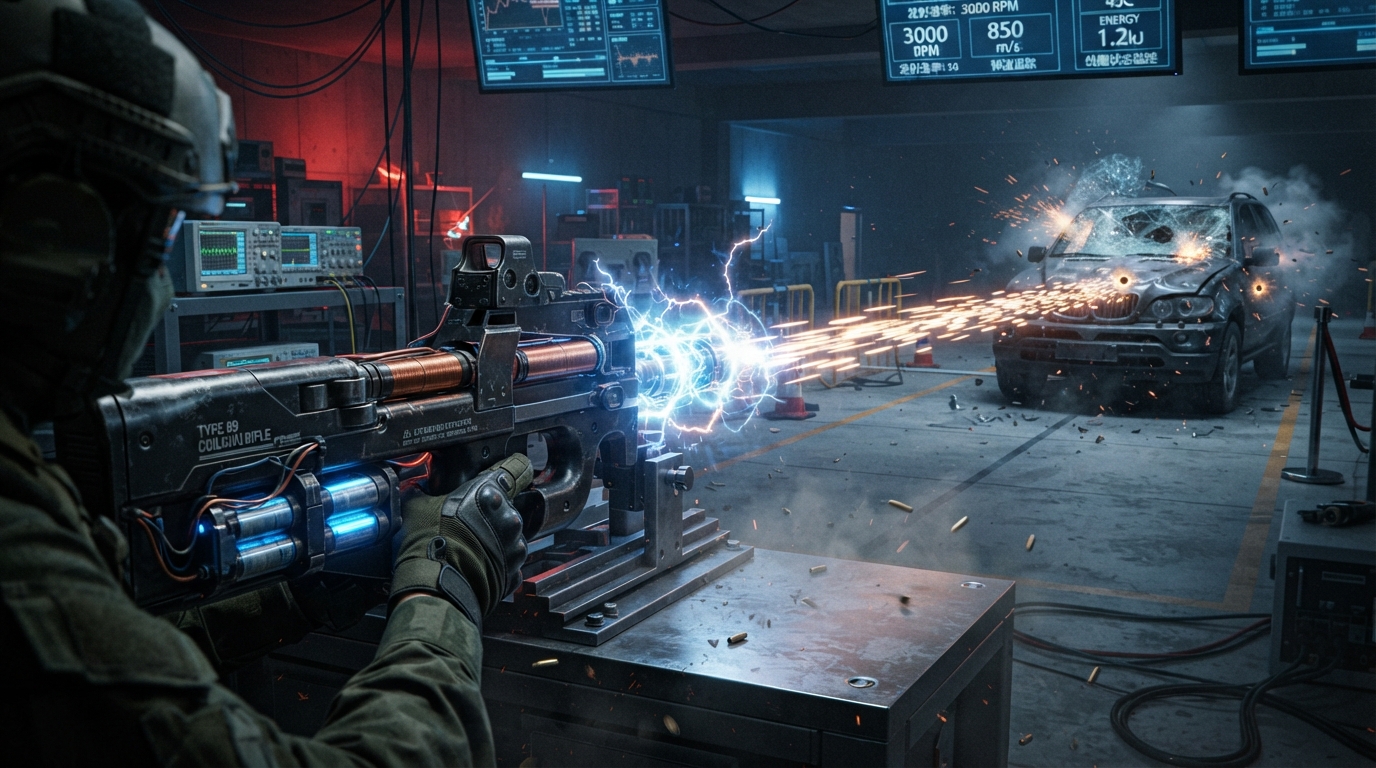
Coilguns: The Rise of Electromagnetic Weapons and the Future of Electrified Warfare
Strategic Context For more than a century, firearms have depended on essentially the same fundamental mechanism: chemical energy stored in a propellant is rapidly converted into pressure, accelerating a projectile through a barrel. The emergence of practical electromagnetic launch technologies raises a different question: what happens when the battlefield weapon becomes an electrical machine rather…
-

The Undersea Battlespace Revolution: Autonomous Warfare, Supercavitation, and the Strategic Race for Seabed Dominance
Strategic Context: The Ocean Floor Becomes a Contested Military Domain The next major naval confrontation may be shaped as much by what forces can detect, protect, and control beneath the ocean as by the ships, aircraft, and missiles operating above it. Underwater warfare is evolving beyond the traditional contest between submarines and anti-submarine forces into…
Related Domains & Cross-Cutting Themes
Defense systems do not operate in isolation. Readers may also explore how military technologies intersect with geopolitics, industrial capacity, emerging technologies, and future warfare concepts across the IDST intelligence network.
Space and ISR support to naval operations
Missile and hypersonic threats
Chokepoints, sea lines of communication, and geography
Alliance interoperability and coalition navies
Explore the Critical & Emerging Technologies Magazine →
Explore the Industry, Markets & Supply Chains Magazine →
Explore the Space Technology, Defense & Exploration Magazine →