
Weapons and munitions translate military intent into physical effect. In modern warfare, precision, range, volume, and sustainment matter as much as raw destructive power. Conflicts increasingly reveal that stockpiles, production rates, and targeting networks are decisive factors.
This sub-magazine examines how strike systems shape deterrence, escalation, and battlefield outcomes.
IDST Intelligence Briefings
Our briefings analyze missile systems, guided munitions, and strike architectures—explaining how weapons integrate with sensors, targeting loops, and command authorities.
Why This Magazine Exists
Weapons are often assessed in isolation, yet their effectiveness depends on availability, targeting quality, and integration into operational plans.
This sub-magazine exists to explain how strike capability is generated, sustained, and constrained in real conflicts.
What We Track
- Missiles, rockets, and precision-guided munitions
- Hypersonic weapons and countermeasures
- Air-, land-, and sea-based strike integration
- Production capacity and stockpile resilience
- Targeting, ISR, and kill-chain dynamics
- Escalation control and deterrence signaling
Latest Analysis & Intelligence
-
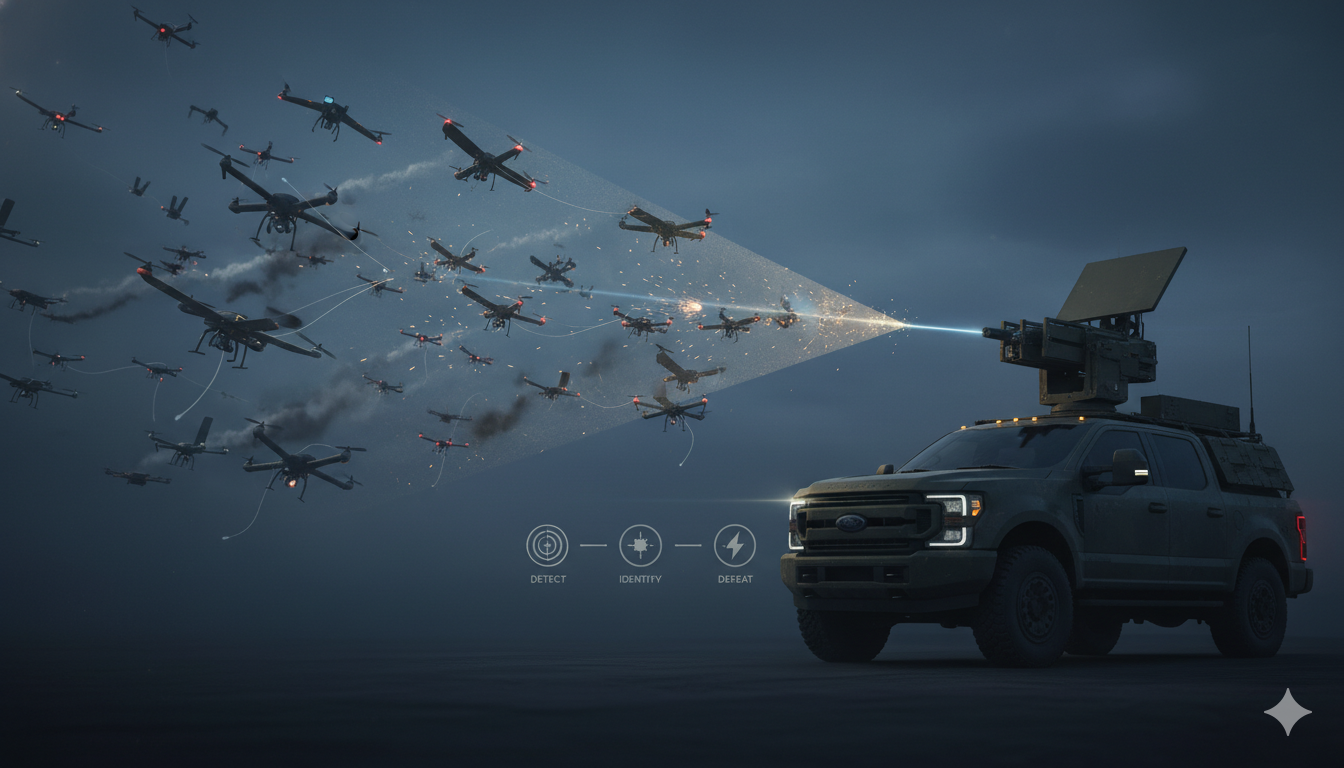
Counter-Drone Swarm Technologies: Recent Developments, Breakthroughs, and Strategic Implications
Introduction: The Rise of Autonomous Massed Drone Warfare Drone swarms have evolved from experimental demonstrations into one of the defining disruptive threats of modern warfare and homeland security. What began as isolated use of commercial quadcopters by terrorist organizations and criminal networks has rapidly transformed into highly coordinated, AI-enabled, multi-domain autonomous systems capable of overwhelming…
-

Planetary Defense 2026: The Global Race to Detect and Deflect Dangerous Asteroids
Introduction: Planetary Defense Is Becoming a Strategic Capability What happens when humanity discovers an asteroid on a collision course with Earth—and has only years, or perhaps months, to decide what to do? For most of history, the answer would have been simple: nothing. Today, that answer is beginning to change. Planetary defense is evolving into…
-
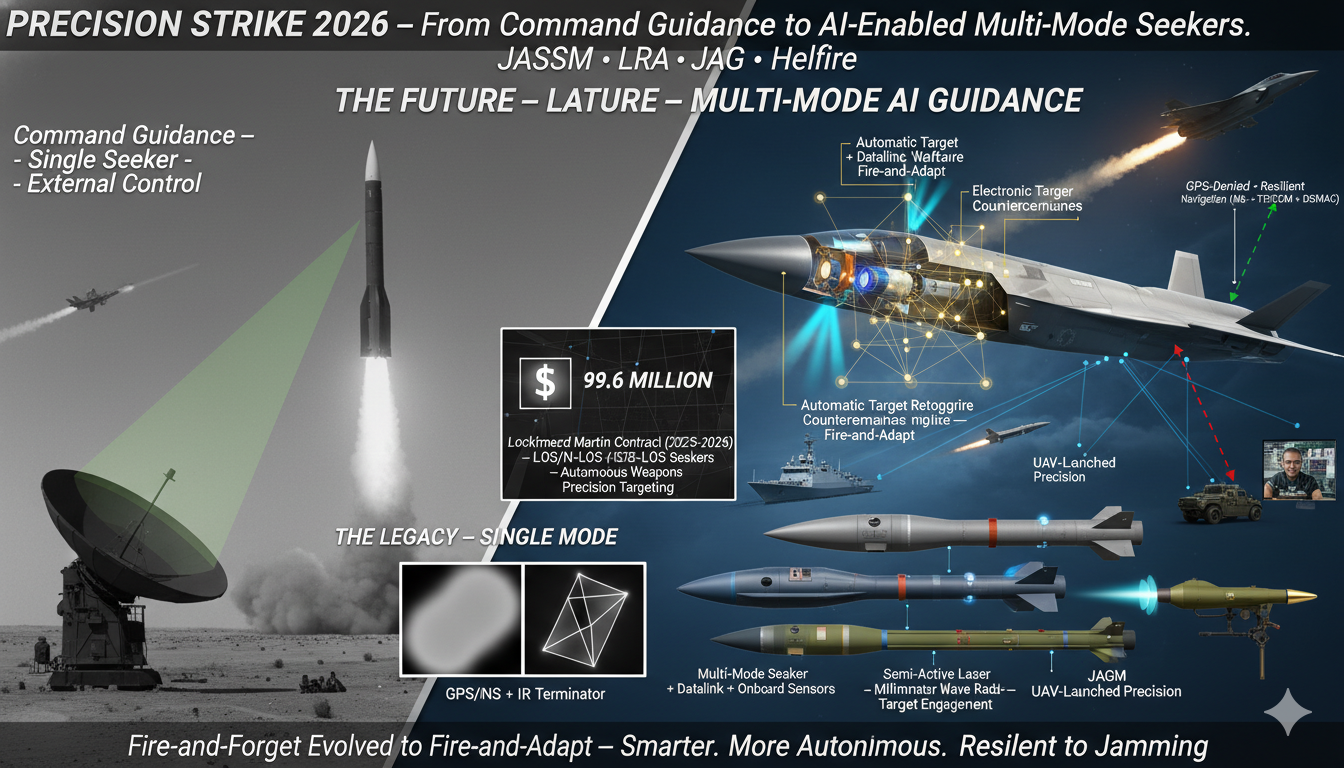
Precision Strike: The Evolution of Missile Guidance Systems
Introduction: The New Battle for Precision What happens when an enemy can jam the satellite signals, deceive the sensors, disrupt communications and deploy decoys—but the missile must still find its target? That is the central challenge reshaping precision warfare. Missile guidance has entered a new phase. For decades, precision strike increasingly benefited from satellite navigation,…
-
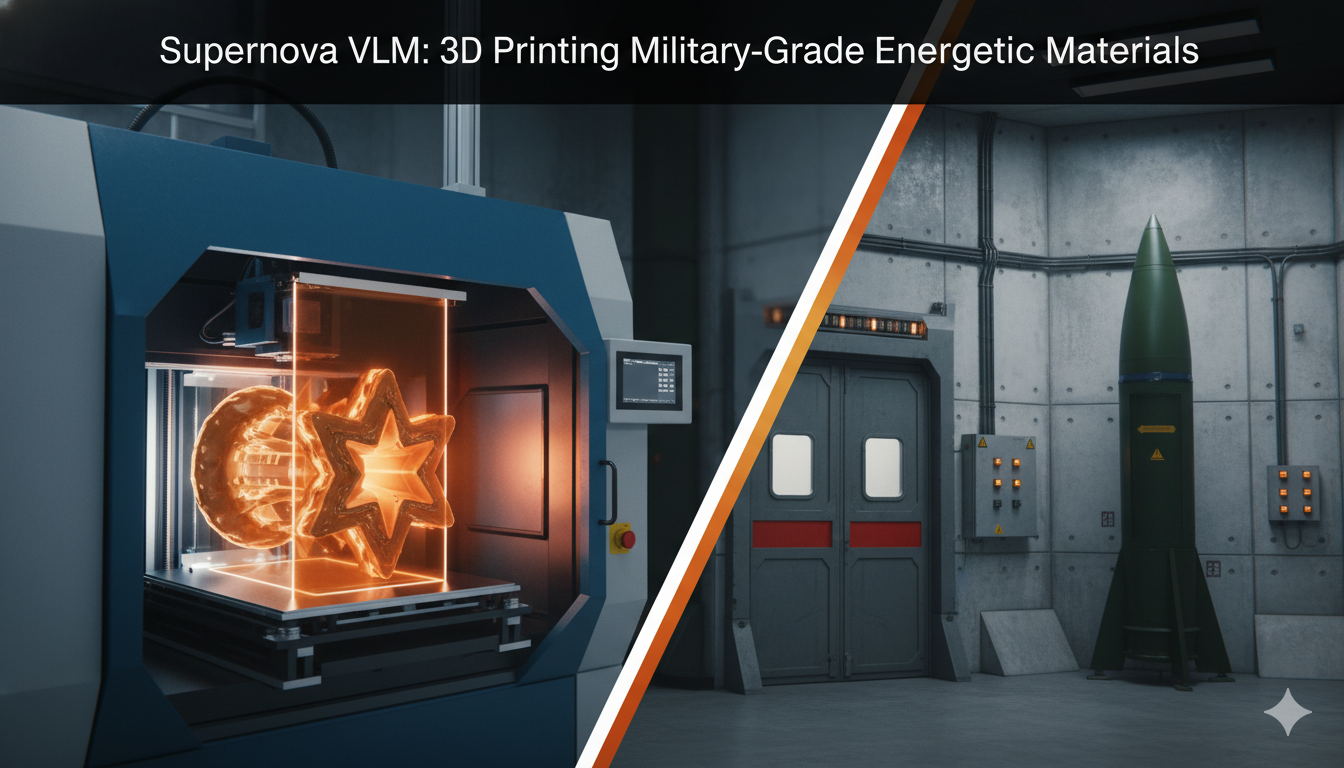
The Explosive Frontier: Additive Manufacturing and the Strategic Transformation of Energetic Materials
Reframing Energetics in the Era of Digital Manufacturing For decades, the production of propellants, explosives, and pyrotechnics has remained one of the least digitized segments of advanced manufacturing—constrained by legacy processes such as casting, pressing, and extrusion that date back to the mid-20th century. These methods impose severe geometric limitations, long production cycles, and significant…
-
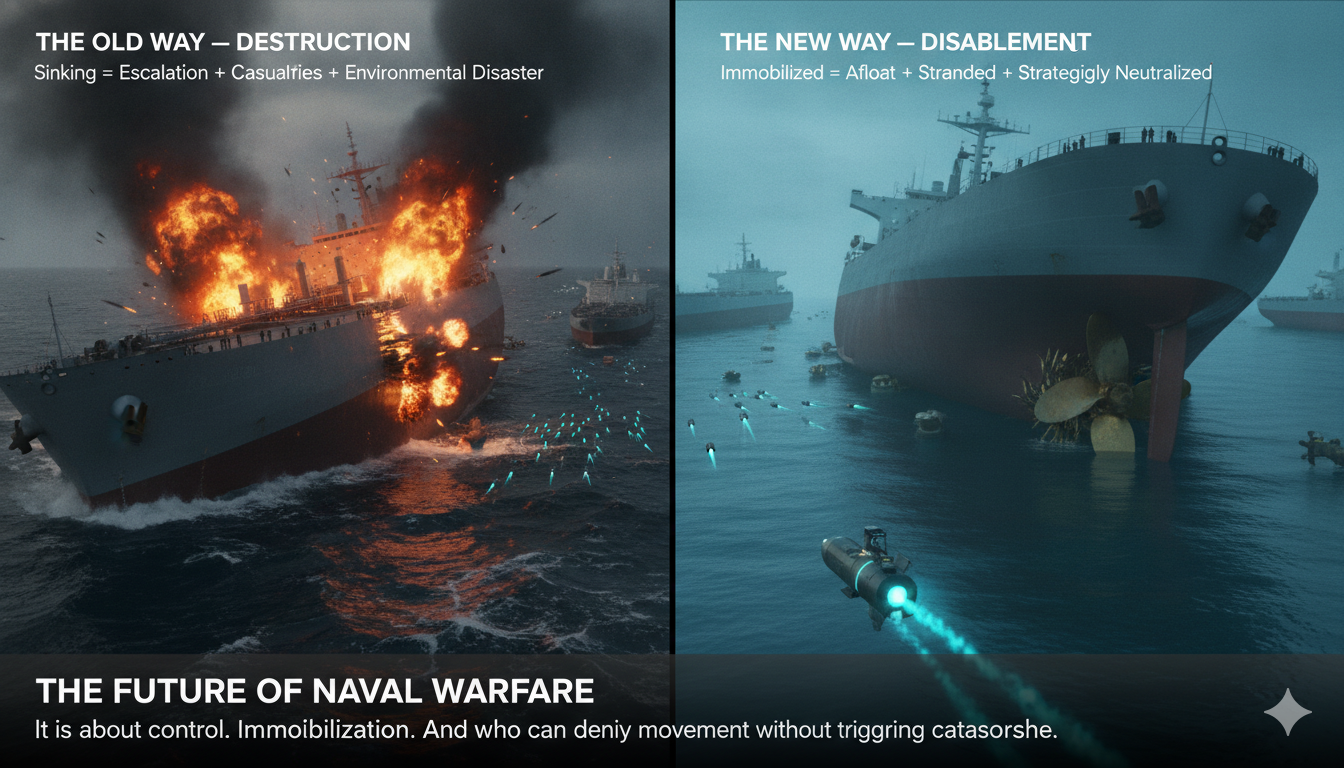
The Rise of the Propulsion Disabler: A Global Shift in Naval Strategy and Maritime Power
Maritime power has always been about movement. The ability to move fleets, cargo, energy, and military force across oceans underpins global prosperity and national security alike. Today’s international system rests on dense maritime networks that carry energy from the Gulf to Asia, containerized goods from East Asia to Europe and North America, grain from the…
-
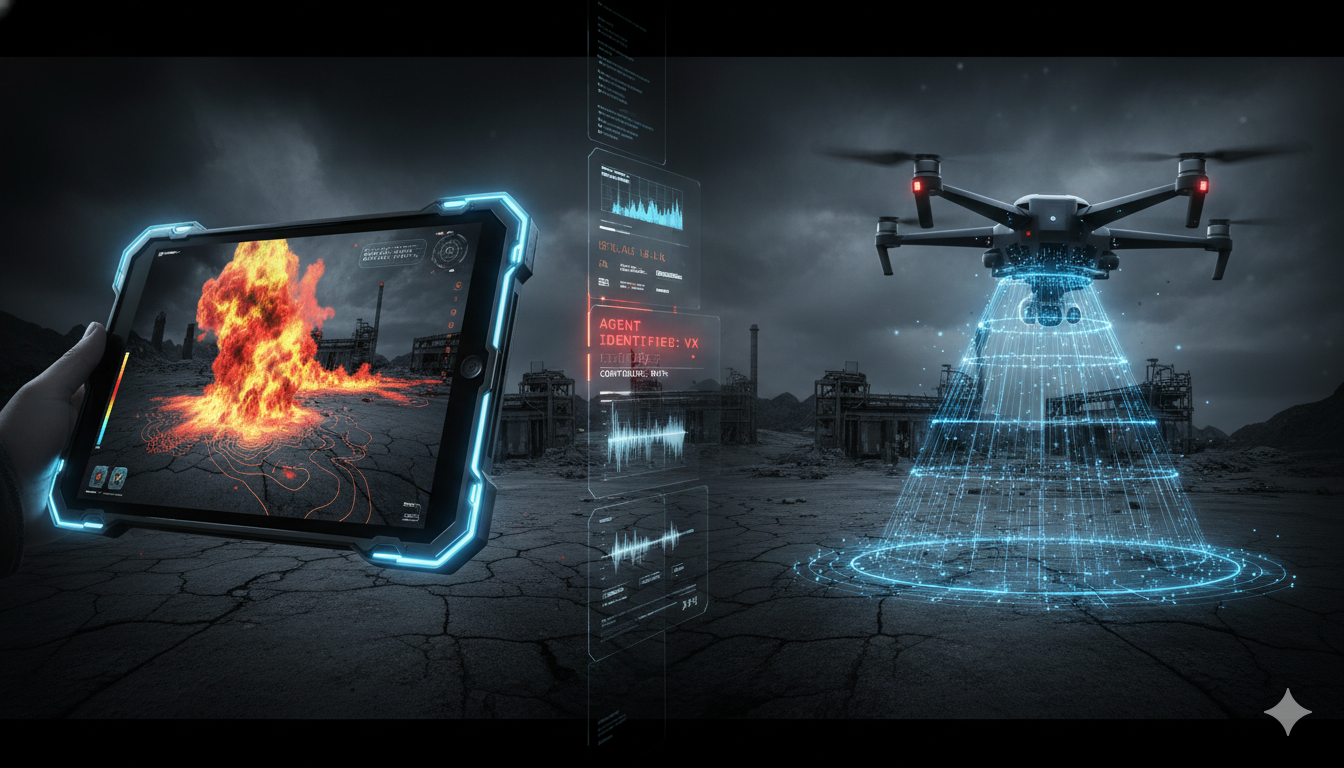
Advancing CBRN Defense: Standoff Detection Technologies and Operational Transformation (2025–2026 Update)
Introduction: From Detection to Decision Dominance The global CBRN threat landscape has entered a new phase—defined not only by the persistence of chemical and biological risks, but by their integration into hybrid warfare, gray-zone conflict, and information operations. Events across the Syrian Civil War, continued tensions surrounding Ukraine, and the weaponization of disinformation in multilateral…
-

Weaponized Intelligence: How Terrorist Organizations Are Adapting Artificial Intelligence
Introduction: Terrorism in the Era of Weaponized Intelligence The relationship between terrorism and technology has always been defined by rapid, asymmetric adaptation—but artificial intelligence marks a decisive break from previous cycles of innovation. Unlike earlier tools that enhanced specific functions—communication, financing, or weaponization—AI operates as a meta-capability: it accelerates learning, compresses decision cycles, and enables…
Related Domains & Cross-Cutting Themes
Defense systems do not operate in isolation. Readers may also explore how military technologies intersect with geopolitics, industrial capacity, emerging technologies, and future warfare concepts across the IDST intelligence network.
Space and ISR support to naval operations
Missile and hypersonic threats
Chokepoints, sea lines of communication, and geography
Alliance interoperability and coalition navies
Explore the Critical & Emerging Technologies Magazine →
Explore the Industry, Markets & Supply Chains Magazine →
Explore the Space Technology, Defense & Exploration Magazine →