
Unmanned and autonomous systems are redefining how missions are conducted across air, land, maritime, and subsurface environments. Their strategic value lies not only in removing humans from danger, but in enabling persistence, scale, and operational flexibility.
IDST Intelligence Briefings
UAVs, UGVs, USVs, UUVs, swarm concepts, autonomy stacks, and mission control architectures.
Why This Magazine Exists
Autonomous systems are moving from niche capabilities to central elements of military, security, and commercial operations. This sub-magazine examines the technologies, concepts, and strategic implications driving autonomy—from AI-enabled drones and robotic swarms to unmanned maritime and ground systems—while assessing their impact on operational effectiveness, deterrence, and future force structures.
What We Track
- Autonomy levels and control architectures
- Swarming and cooperative behavior
- Navigation, perception, and resilience
- Integration with manned platforms
Latest Analysis & Intelligence
-
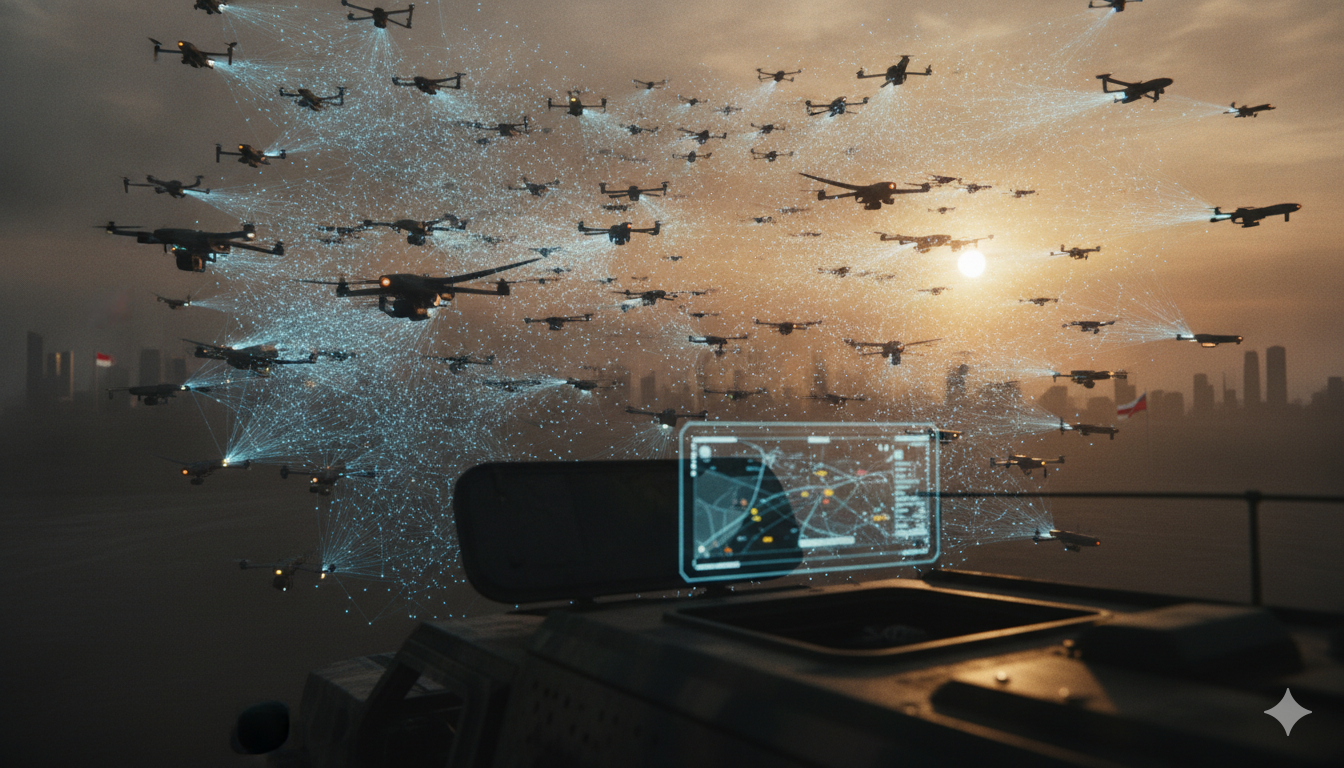
Drone Swarm Intelligence and Control: The AI Revolution Reshaping Autonomous Warfare and Multi-Agent Systems (2024–2026)
Introduction: From Individual Drones to Collective Intelligence The most important transformation in unmanned systems is no longer occurring at the platform level but at the level of collective intelligence. While advances in propulsion, sensors, communications, and miniaturization continue to improve individual drones, the decisive breakthrough of 2024–2026 has been the emergence of increasingly autonomous drone…
-

Navigating the Skies: How AI-Powered Drone Swarms Are Transforming Warfare, Security and Industry
Introduction: The Emergence of Mass Autonomy in Modern Warfare The character of warfare is undergoing one of its most profound transformations since the introduction of precision-guided weapons. While unmanned aerial vehicles have become a familiar feature of modern military operations, the next revolution is being driven not by individual drones but by intelligent swarms capable…
-

Innovation Beneath the Waves: Biomimetic Propulsion Systems Transforming Naval and Underwater Operations
Introduction: Nature’s Blueprint for the Future Undersea Fleet The world’s oceans are rapidly becoming a critical arena for economic competition, scientific exploration, and military operations. From protecting undersea communication cables and offshore energy infrastructure to conducting intelligence, surveillance, reconnaissance, and anti-submarine warfare missions, nations increasingly depend on autonomous underwater vehicles (AUVs), unmanned underwater vehicles (UUVs),…
-
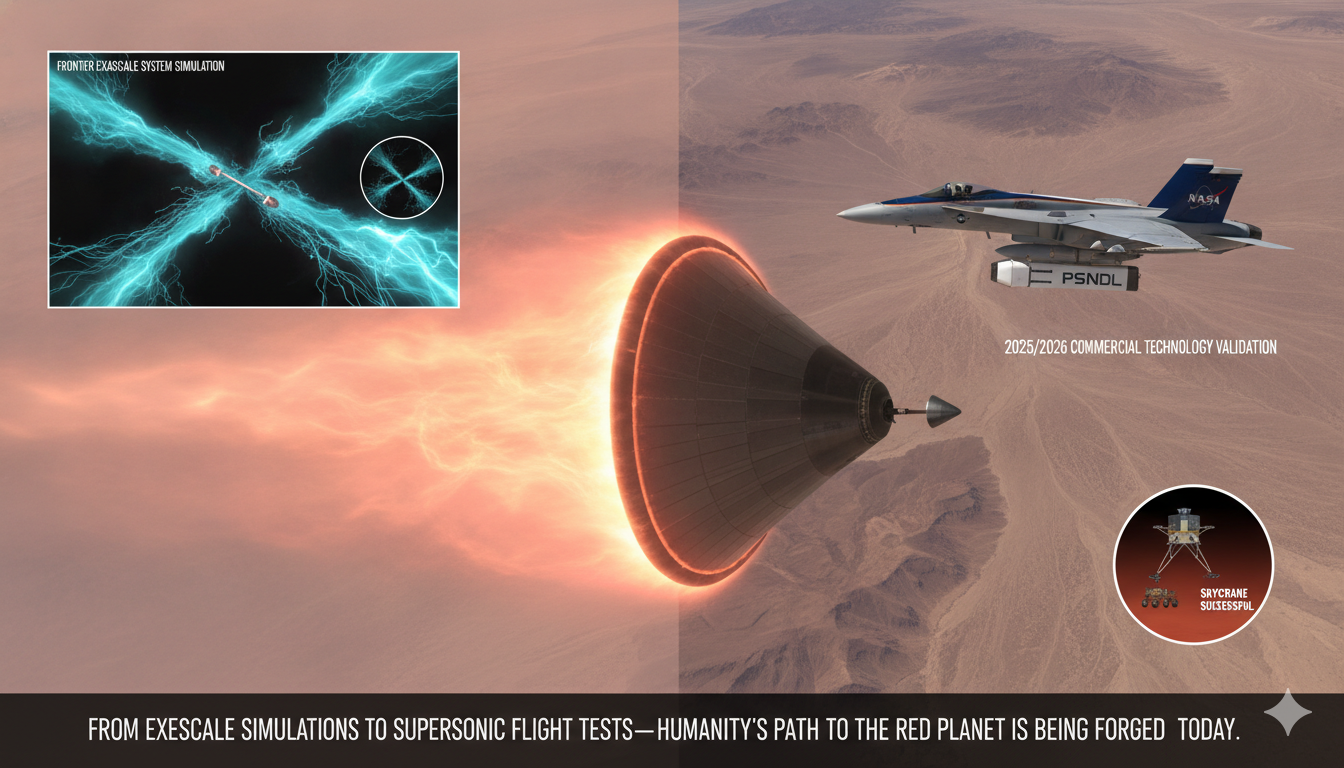
Entry, Descent, and Landing (EDL) Technologies: Enabling the Next Era of Mars Exploration and Planetary Operations
Introduction: Why EDL Matters Now Humanity is entering a new era of planetary exploration characterized by renewed competition among major space powers, expanding commercial activity beyond Earth orbit, and growing ambitions for sustained human presence on the Moon and Mars. Governments, private companies, and defense organizations increasingly view space as a strategic domain whose future…
-
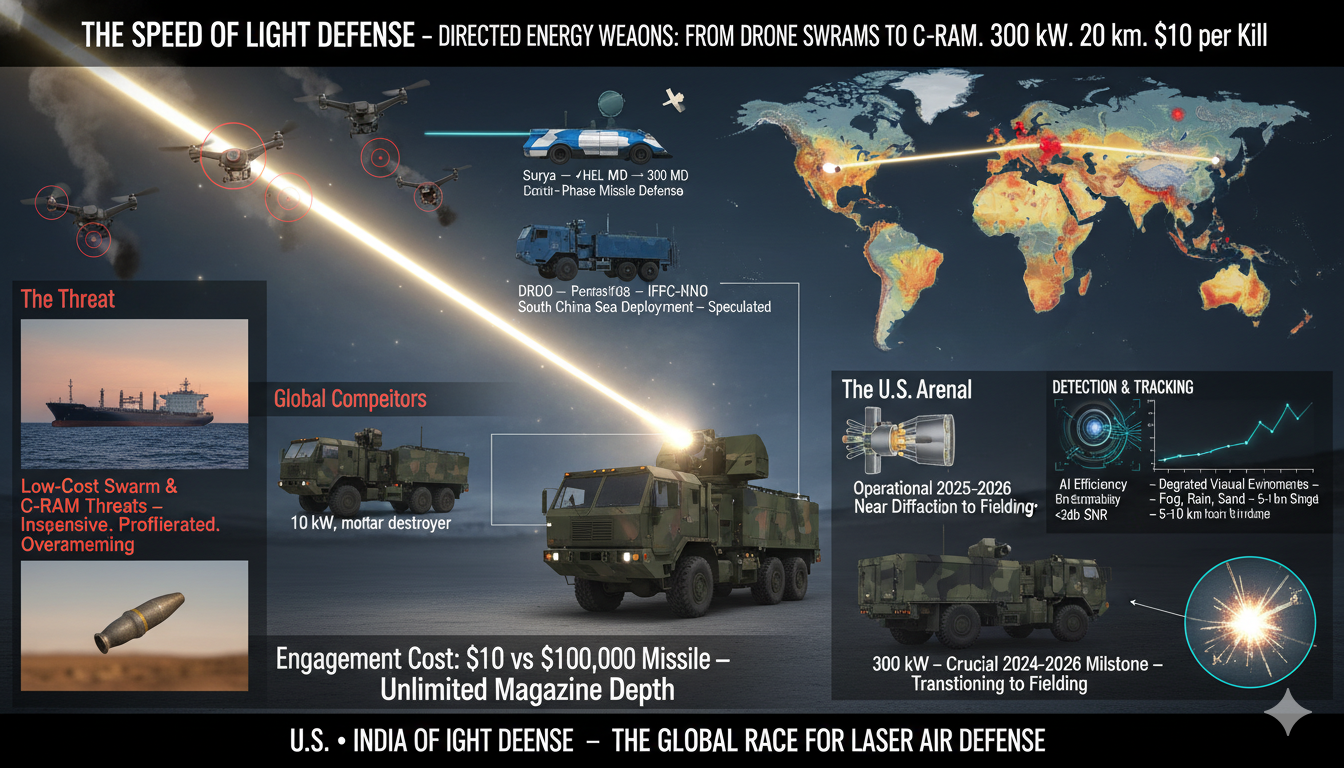
Silent Killers: How Directed Energy Weapons Are Revolutionizing Air Defense Against Drone Swarms and C-RAM
Introduction: The Economics of Air Defense Have Collapsed Modern warfare has exposed a brutal asymmetry in air defense economics. Across Ukraine, the Red Sea, Gaza, Syria, and the Indo-Pacific, militaries are increasingly confronted by mass drone attacks, loitering munitions, low-cost cruise missiles, and rocket artillery that can overwhelm even advanced integrated air-defense systems. A $1,000…
-
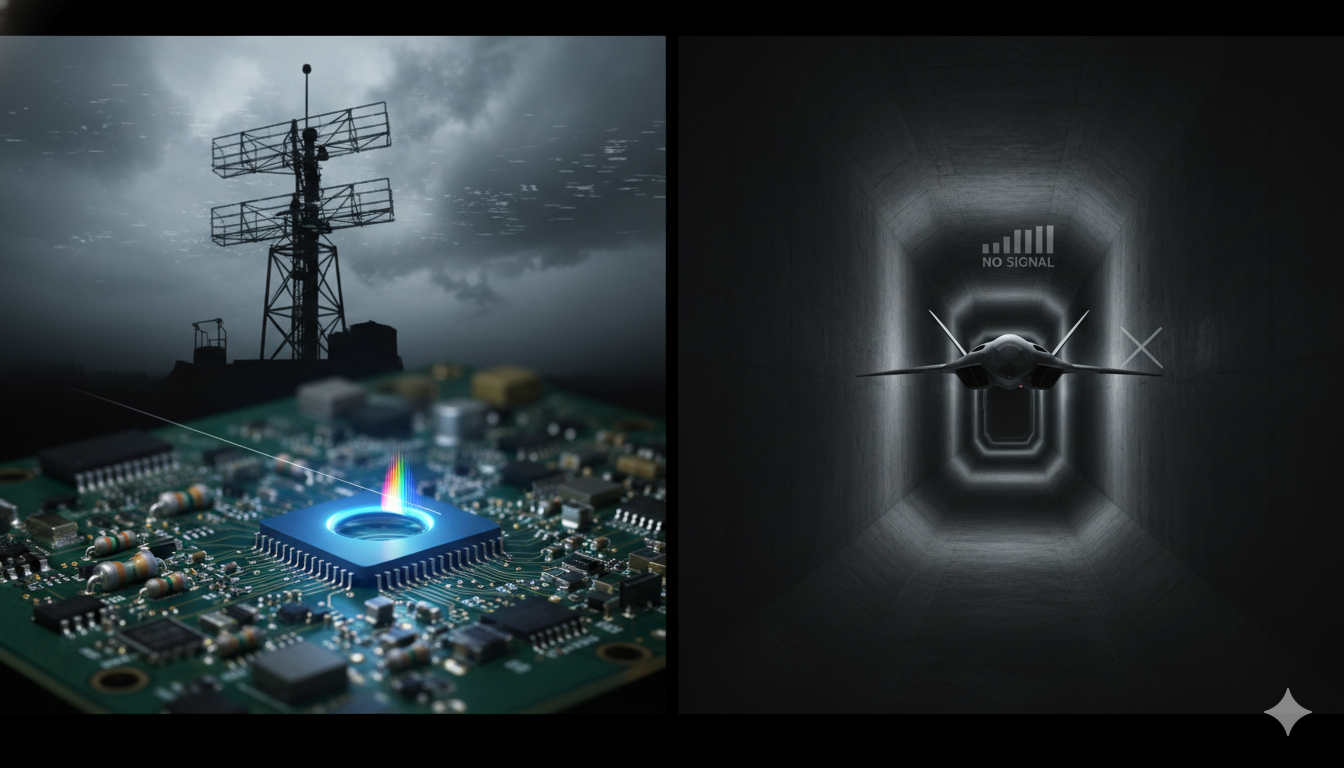
The End of GPS Denial: How Chip-Scale Optical Clocks Are Rewiring Warfare and Daily Life
Introduction: The Race for Time Supremacy For decades, control of Positioning, Navigation, and Timing (PNT) has been one of the invisible foundations of global power. Modern militaries, financial markets, telecommunications networks, power grids, satellites, autonomous vehicles, and even smartphone applications all depend upon extremely precise timing signals. While the public associates GPS primarily with navigation,…
-
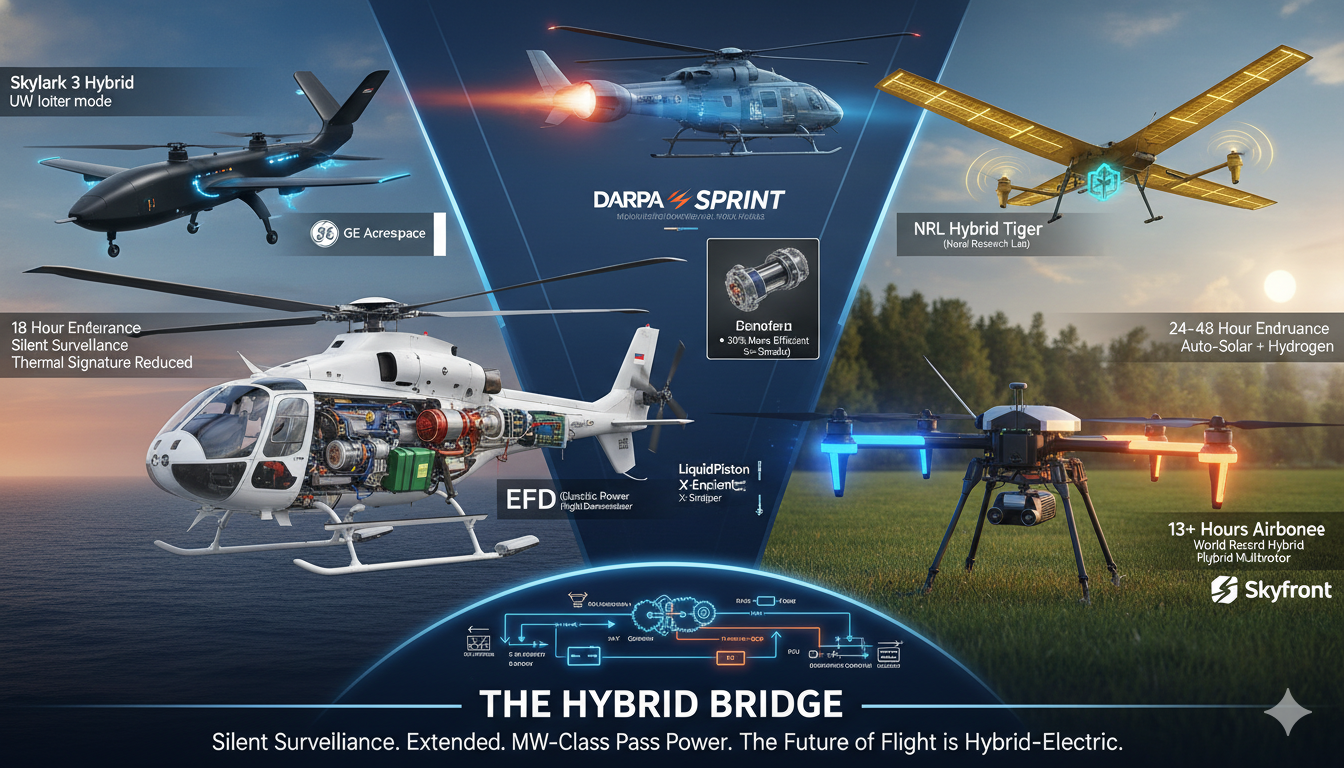
Hybrid-Electric Propulsion: The Future of Military and Commercial Flight
Introduction: Aviation’s Most Important Transition Since the Jet Age A profound transformation is underway in global aviation. For more than a century, aircraft propulsion depended almost entirely on hydrocarbon combustion engines and gas turbines. While these systems delivered unmatched range and power, they also imposed severe constraints in fuel efficiency, acoustic signature, thermal detectability, maintenance…
Related Domains & Cross-Cutting Themes
Industrial capacity and supply chains
Cyber-physical security
Climate, geography, and environmental stress
Human-machine coordination
System survivability under disruption
Explore the Critical & Emerging Technologies Magazine →
Explore the Industry, Markets & Supply Chains Magazine →
Explore the Space Technology, Defense & Exploration Magazine →